REVIEW · MUMBAI
Mumbai Gems: 2-Day Private Tour with Elephanta, Slum & Dabbawala
Book on Viator →Operated by BOMBAY TO MUMBAI TOURS · Bookable on Viator
Mumbai hits fast, then slows for real life. What makes this 2-day private tour worth your time is the mix of big-name landmarks with side streets where Mumbai works, not just poses. I love seeing the Dabbawallas transfer at Churchgate, and I also like how the visit to Dharavi and Dhobi Ghat adds human context to the city. One drawback to plan around: the day can run tight, so you’ll want to double-check your pickup contact info in advance in case timing gets messy.
On the practical side, this tour includes an English-speaking guide, air-conditioned vehicle transfers, and bottled water. That matters in Mumbai heat and traffic, especially when you’re doing multiple stops across both days.
Price-wise, it’s positioned as a value option, but you should budget for the Elephanta Caves monument fee (listed separately). I’d also dress for smart casual and comfortable walking shoes, because a couple of the stops are more active than they sound.
In This Review
- Key things I’d focus on before you go
- Mumbai in Two Days: What This Private Tour Really Covers
- Day 1 at Churchgate: Dabbawallas, Dhobi Ghat, and the Rhythm of Work
- Day 1 Landmark Circuit: Gateway of India, Marine Drive, Taj Mahal Palace Area Views
- Dharavi Slum Visit: What It Adds (and How to Keep It Respectful)
- Day 2 Elephanta Caves and Village: Toy Train, Cave Time, and Fees
- Guide Power: When Sahil, Nisar, Jayshree, and Nitin Matter
- Price and Logistics: Is $23.75 a Good Deal for Two Days?
- Small Stuff That Can Make or Break Your Day
- Should You Book This Tour?
- FAQ
- FAQ
- How much does the 2-day private tour cost?
- How long is the tour?
- Is pickup and drop-off included?
- What’s included in the price?
- Is lunch included?
- What are the Elephanta Caves fees?
- What should I wear?
- Is this tour private?
- What’s the cancellation policy?
Key things I’d focus on before you go
- Churchgate Dabbawalla watching gives you a genuine window into the city’s lunch delivery system.
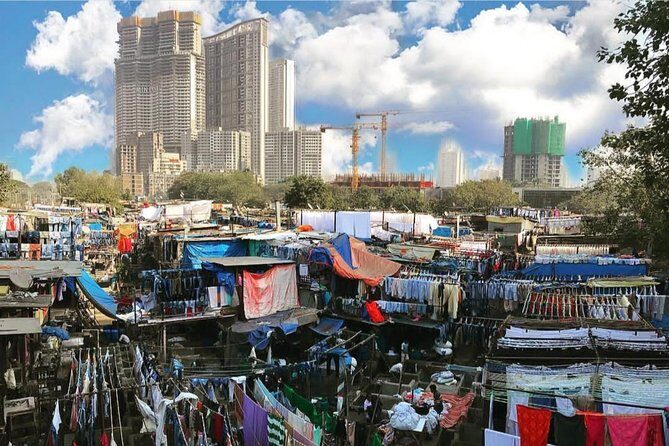
- Dhobi Ghat outdoor laundry makes you look twice at what daily work looks like in Mumbai.
- Dharavi Slum visit with local context helps you understand the area beyond stereotypes.
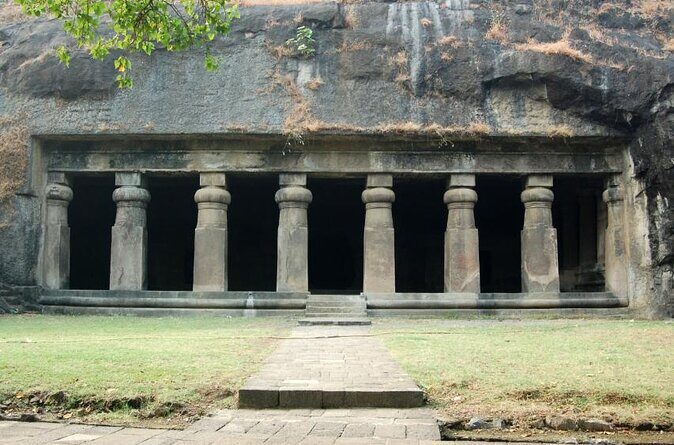
- Elephanta Caves with a toy train ride adds a playful touch to a very serious place.
- Private format for your group means questions and pacing are easier than on big group tours.
Mumbai in Two Days: What This Private Tour Really Covers
This is a private, 2-day Mumbai plan that tries to do two things at once. First, it helps you get oriented fast with major sights like the Gateway of India area and the coastline viewpoints. Second, it pushes past the postcard version of Mumbai to show how people earn money, move goods, and keep the city running.
The route is built around short transfers plus a lot of interpretation. That means you’re not just looking at buildings. You’re hearing what makes them matter, and you’re seeing everyday systems—especially the lunch delivery and the outdoor laundry scene.
For you, the big question is whether you want a “see everything” itinerary or a “learn how Mumbai functions” itinerary. This one leans to the second, with enough landmark time to satisfy first-timers who still want the famous photos.
You can also read our reviews of more private tours in Mumbai



Day 1 at Churchgate: Dabbawallas, Dhobi Ghat, and the Rhythm of Work
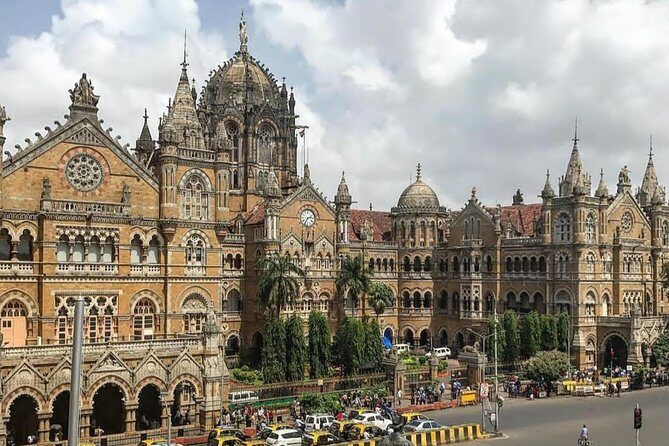
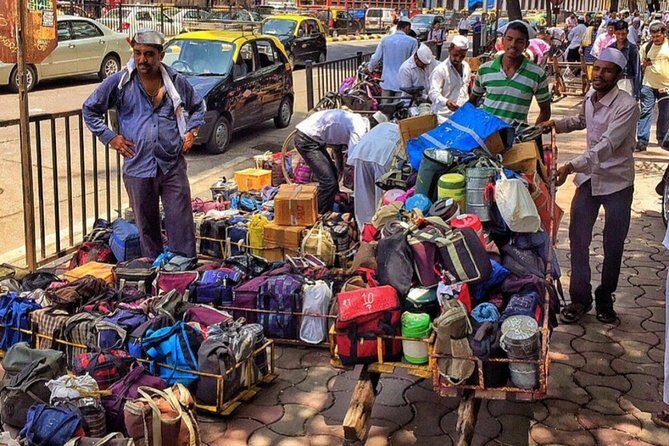
Day 1 starts with pickup and then a key orientation moment at Churchgate Railway Station. You’ll watch the dabbawallas transfer with a brief introduction, which is the kind of detail that usually disappears if you only stick to monuments.
Why I think this is such a strong start: it gives you a framework for the whole trip. Once you’ve seen how lunch moves through the city, the rest of Mumbai makes more sense. Even the big sightseeing stops feel less abstract, because you understand the human logistics behind the skyline.
After that, the plan turns into city touring, and it includes the Dhobi Ghat outdoor laundry visit. This is not a tidy museum stop. It’s an outdoor working space, and it’s worth going in with the right expectations: you’re there to observe and understand processes, not to treat it like a staged attraction.
Practical tip: bring patience for sensory overload. The smell, the pace, and the close-up activity can hit quickly. If you’re the type who gets overwhelmed, take a few quiet minutes at the edges, then re-enter when you’re ready.
Day 1 Landmark Circuit: Gateway of India, Marine Drive, Taj Mahal Palace Area Views
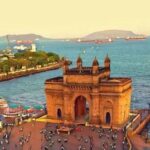
Mumbai’s famous spots are built into the first day. You’ll get time around the Gateway of India, plus coastal viewpoints like Marine Drive and the elevated-feeling stop at Hanging Gardens. The tour also mentions the Taj Mahal Palace area, which helps you connect what you see on posters with what’s actually on the ground.
Here’s the useful part of doing these early. On Day 2, you’re going to Elephanta, and that day has a different tempo—more commuting and then a monument visit. By front-loading the major landmarks, you come to Elephanta already feeling like you understand where you are in the city.
Drawback to consider: this portion can feel like a sprint, especially if your guide is doing lots of storytelling as you travel. The good news is that private format can help. If something interests you—like a specific neighborhood detail—ask for one extra stop or a slower look, if time allows.
Dharavi Slum Visit: What It Adds (and How to Keep It Respectful)
The Dharavi stop is one of the most sensitive, high-value parts of the itinerary. The tour is designed to teach you about real life and work there, and the overall theme across the two days is similar: Mumbai isn’t just architecture, it’s systems made by people.
In practice, this kind of visit works best when you treat it as a conversation with context. You’ll learn about industry and daily life, and you’ll likely come away with a different mental model than the one you had before you arrived.
A respectful approach helps a lot:
- Ask questions with calm curiosity.
- Keep your camera behavior thoughtful (quick photos are better than lingering for faces).
- Don’t rush through just to tick a box.
Is it comfortable? It can be emotionally intense. But if you want an honest look at how Mumbai residents adapt and create livelihoods, this is the stop that gives the trip its backbone.
Day 2 Elephanta Caves and Village: Toy Train, Cave Time, and Fees
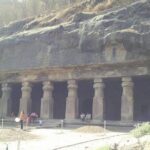
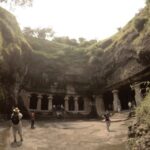
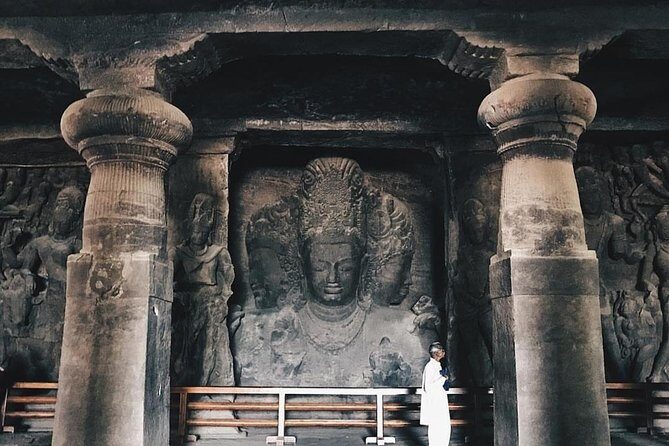
Day 2 is anchored by the Elephanta Caves. You’re picked up from your Mumbai location, then the route takes about 1 hour from the Gateway of India area to reach Elephanta. After arrival, you’ll take a toy train for about 2 minutes. It’s a small, quirky ride that breaks the day up nicely before you move deeper into cave time.
One key cost detail: the Elephanta monument/caves fees are not included, and the listing states $10 per person. If you skip budgeting for that, it can feel like a surprise at the wrong moment.
What I like about structuring Day 2 around Elephanta is how the cave visit changes the mood. Day 1 is crowded with city signals—traffic, crowds, daily movement. Day 2 shifts toward a quieter, older-feeling site, and that contrast makes the entire trip more satisfying.
Good to know: the tour description also mentions a village portion after the caves. Even without getting too specific, plan for the fact that you’ll be outside for parts of the day, so sun protection and water awareness matter.
A few more Mumbai tours and experiences worth a look


Guide Power: When Sahil, Nisar, Jayshree, and Nitin Matter
This tour leans hard on the guide experience, and the difference is noticeable. In a past booking, Sahil was praised for details about the city, culture, and history, plus personal experience sharing. Another standout was Nisar, who guided a first-day circuit that included the Gateway of India, Prince of Wales museum, and specific temple stops, plus Hanging Gardens.
You might also be guided by people like Jayshree and Nitin, who were highlighted for being good during the visit.
Why you should care about guide names and style: Mumbai is layered. Even the same landmark can feel totally different depending on how someone explains it. A strong guide helps you connect the dots—why the dabbawalla system matters, what Dhobi Ghat shows about labor, and how the Elephanta site fits into the larger story of the region.
Quick advice: if your guide points out something you can’t see well from your position, ask for where to stand. Don’t just wait. In places like caves and viewpoints, the right angle can make or break the experience.
Price and Logistics: Is $23.75 a Good Deal for Two Days?
At $23.75 per person for a 2-day private tour, the value looks solid on paper—especially because the tour includes several cost items you’d otherwise pay separately: all taxes, fees, and handling charges, bottled water, and an English-speaking guide. You also get air-conditioned vehicle pickup and drop-off (for private tours).
But value isn’t just the headline price. Here’s what you should plan for:
- Lunch is not included, so you’ll need to eat on your own during the day.
- The Elephanta monument fee is separate ($10 per person).
- Some of the day’s time is tied to transit between sights, so you’re buying interpretation plus convenience, not just entry tickets.
So, is it worth it? For many people, yes—if you want both landmark orientation and the “how the city works” stops. If you’re only interested in monuments and you dislike structured schedules, you might find the mix less satisfying.
My practical take: this is best for first-timers who want their bearings quickly and for people who like seeing everyday Mumbai, not just famous buildings.
Small Stuff That Can Make or Break Your Day
A few details are worth thinking about because they affect how smooth the tour feels.
First: timing and pickup communication. One earlier experience mentioned issues like a phone number that didn’t connect and a guide/vehicle detail confusion (including seat-belt instructions). I can’t predict your day, but the lesson is simple: confirm pickup details, keep your phone accessible, and don’t assume every contact detail is perfect.
Second: dress and movement. The stated dress code is smart casual. That’s easy to follow, but also bring shoes that work for walking and outdoor stops.
Third: bring your own “pace style.” If you’re the type who likes photos every ten minutes, ask your guide how much time you have at each stop. If you prefer listening first, tell them that too. Private tours work best when you actively manage the vibe.
Should You Book This Tour?
Book it if you want two days that mix major sights with real-life Mumbai stops—especially Dabbawallas, Dhobi Ghat, and Dharavi—and you like having an English-speaking guide explain what you’re seeing. It’s also a good choice if you value convenience with air-conditioned transfers and private format.
Skip it or rethink it if you mainly want relaxed, unstructured sightseeing, because this plan is organized and can feel like a lot in two days. Also budget the Elephanta fee and plan lunch separately.
If you do book, go in with the right mindset: you’re not just sightseeing. You’re watching systems at work and learning how the city functions.
FAQ
FAQ
How much does the 2-day private tour cost?
The price is listed as $23.75 per person.
How long is the tour?
It’s listed as 2 days (approximately).
Is pickup and drop-off included?
Yes, pickup and drop-off are included for the private tour, with round-trip transfers by air-conditioned vehicle.
What’s included in the price?
Included are all taxes, fees, and handling charges, bottled water, an English-speaking guide, and air-conditioned vehicle pickup and drop-off (for private tours).
Is lunch included?
No, lunch is not included.
What are the Elephanta Caves fees?
Elephanta Monument Fees are not included. The listing states $10.00 per person.
What should I wear?
The dress code is smart casual.
Is this tour private?
Yes, it’s a private tour/activity, and only your group will participate.
What’s the cancellation policy?
Free cancellation is available up to 24 hours in advance for a full refund.