REVIEW · CHENNAI
South Indian Vegetarian Cooking Class in Chennai with Meena
Book on Viator →Bookable on Viator
Cooking in Chennai feels like getting invited in.
This private class with Meena turns a casual afternoon into real, kitchen-to-plate Tamil flavor. You start with spices, you cook with your hands, and you end by eating the meal the traditional way, served on banana leaves.
I especially like the fresh-spice focus and the fact that Meena keeps it personal. She’ll share family-style techniques and stories passed down from her grandmother, then (in practice) adjusts what you’re served based on what you want to eat. One consideration: there’s no hotel pickup, so you’ll need to get yourself to the meeting point in Alwarpet.
In This Review
- Key things to know before you go
- A private Chennai cooking class that’s more than recipes
- Getting to Alwarpet: the start point and how to plan your timing
- If you add the Mylapore market tour, you’ll shop like a local
- Spices and spice powders: the skill you’ll actually reuse
- Your cooking menu: curries, vegetables, and the backbone sauces
- Want dosa, idli, upma, or pongal? Ask ahead
- Banana leaves, dessert choices, and filter coffee payoff
- Conversations in the kitchen: why Meena’s class lands so well
- Vegetarian cooking, without feeling limited
- Price and value: what $54 gets you in Chennai
- Who this cooking class is best for
- Should you book this Chennai class with Meena?
- FAQ
- What dishes will I cook in the South Indian vegetarian cooking class?
- Is the cooking class private?
- Do I get a market tour option in addition to cooking?
- Will the meal be vegetarian?
- Will I be able to include South Indian breakfast dishes like dosa or idli?
- Is hotel pickup included?
- Can I cancel and get a refund?
Key things to know before you go
- Private, personalized instruction so you’re not stuck watching from the back
- Fresh grinding and roasting of spice powders that drive South Indian taste
- Family recipes taught with stories, tips, and cooking tricks you can actually repeat later
- Banana-leaf meal service plus dessert and filter coffee
- Optional Mylapore market visit for produce, flowers, and pooja items before you cook
A private Chennai cooking class that’s more than recipes
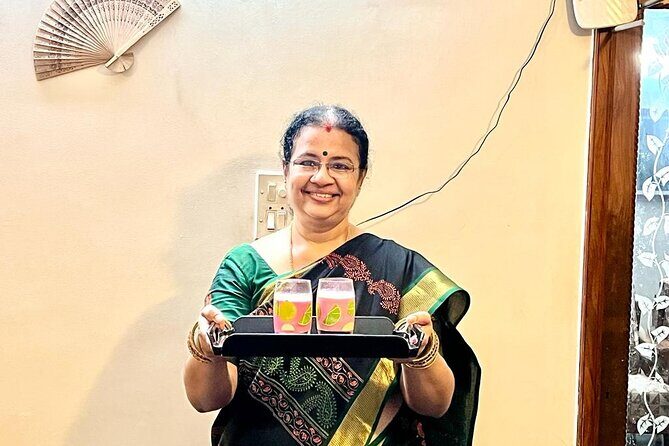
Chennai has a way of feeding you. Not with hype, but with routine: spice in the air, vegetables on the table, and a meal that feels like it has a job to do. This cooking class taps into that feeling fast. It’s not a demo where you watch someone else work. It’s a working kitchen, with Meena guiding you step by step through South Indian vegetarian dishes.
What makes it practical is the structure. You begin with a hands-on rhythm—roast and grind spice powders—then you build into a curry, seasonal vegetables, and a dessert. Even if you’ve cooked before, you’ll pick up why South Indian food tastes the way it does: the order of steps, the specific spice blends, and how you balance tang, heat, and aroma.
And because it’s private and run as a residential experience in Alwarpet, it doesn’t feel staged. You’re learning as if you’ve joined a household meal, not booked a ticket to a show.
You can also read our reviews of more cooking classes in Chennai
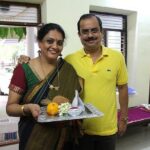
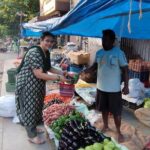
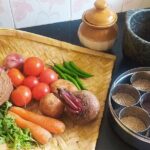
Getting to Alwarpet: the start point and how to plan your timing
The class begins at The Raintree, St Mary’s Road, in Alwarpet (Austin Nagar area). The experience ends back at the same meeting point, so you’re not dealing with a second location.
Why this matters: no hotel pickup means you’ll want a simple plan for getting there and back. If you’re staying somewhere central, it’s usually manageable by car or taxi. If you’re far out, give yourself a little extra buffer so you’re not rushing before cooking.
The session runs about 3 hours total, with cooking and eating built into that time. If you’re the type who likes to show up hungry and leave with a plan for dinner later, this fits your rhythm.
Also note: the experience is near public transportation, which can be handy if you want to pair your class with other Chennai sights that day.
If you add the Mylapore market tour, you’ll shop like a local
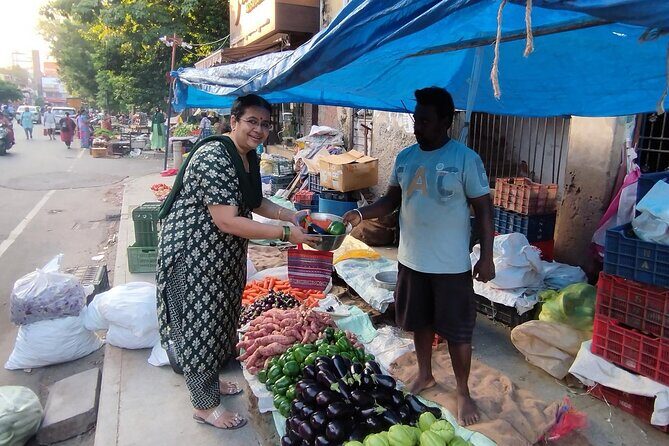
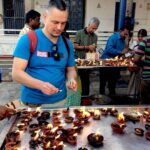
If you choose the optional market portion, Meena takes you to the Mylapore vegetable and fruit market ahead of the class. It’s about 2 km away, and you’ll go by rickshaw or taxi.
This part is valuable because it connects cooking to real ingredients. You walk through a local scene where you might see vegetables and fruits, but also items used for pooja (religious ceremonies), plus decorative household goods. Even if you don’t buy much, it gives you context: which produce looks best, what’s in season, and how cooks think about what the kitchen needs next.
You might even pick up a few ingredients to use in your class cooking. That’s a nice way to take something home without turning it into an overly complicated souvenir mission.
One practical tip: if you’re sensitive to heat or crowds, go slowly and wear comfortable shoes. Markets aren’t designed for long, careful browsing. They’re designed for quick picking and moving on.
Spices and spice powders: the skill you’ll actually reuse
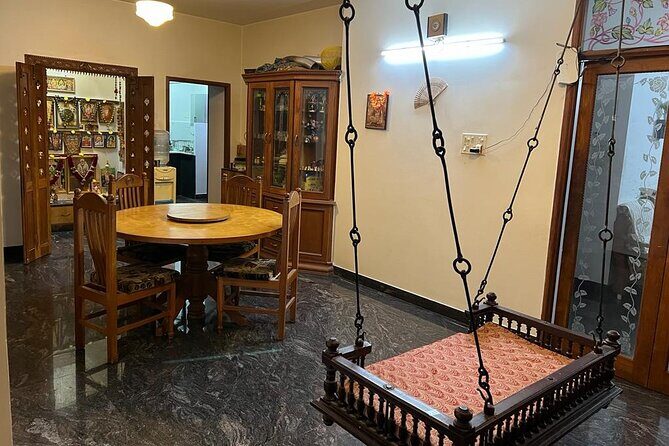
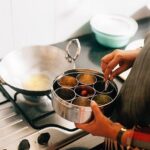
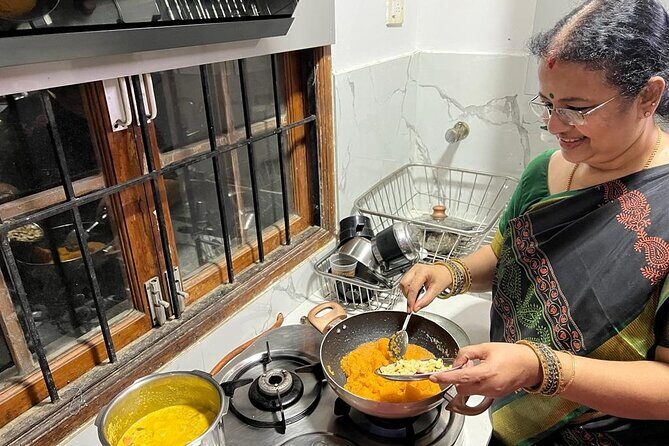
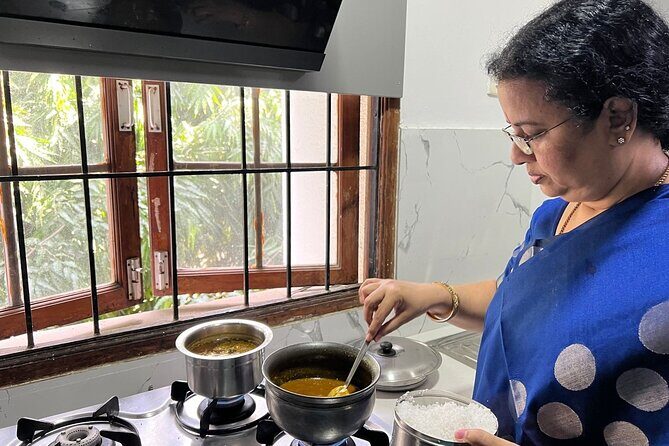
In most cooking classes, the spice talk stays theoretical. Here, you get hands-on with it. Meena starts by introducing South Indian spices and then moves into grinding and roasting the fresh powders you need for dishes like sambar and rasam.
That step changes everything. Store-bought blends are convenient, but they rarely taste the same as freshly roasted spices. When you roast and grind yourself, you get two big wins:
- You learn the flavor logic: toasted aroma first, then ground blend for body and color.
- You develop confidence. Next time you cook sambar or rasam, you won’t feel like you’re guessing.
You’ll also notice that South Indian cooking isn’t just about heat. It’s about layering. You’ll hear how the spices support curry base flavors, how aromatics behave once roasted, and how the balance shifts when you add sourness or coconut-style richness in vegetarian dishes.
Meena’s teaching style is also conversational. Expect stories about culinary traditions and small tips and tricks you can apply at home. This is one of the reasons the class has such strong word-of-mouth value: you leave with knowledge, not just a meal.
Your cooking menu: curries, vegetables, and the backbone sauces
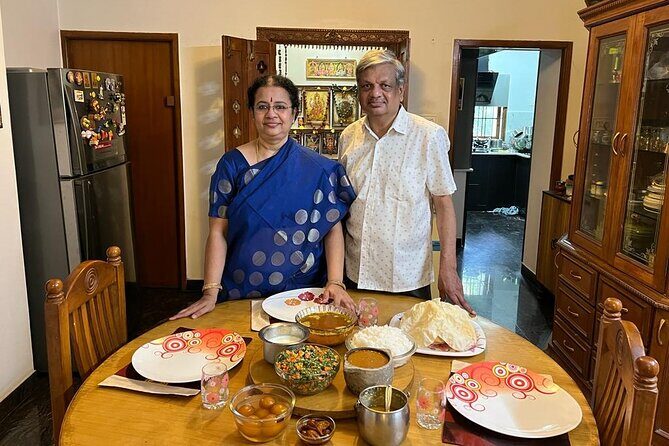
The exact menu can shift with season, but the experience is built around a familiar South Indian vegetarian lineup. You might cook and eat together a curry, a seasonal vegetable dish, and a dessert, with options commonly including:
- Kuzhambu (lentil curry)
- Rasam (spiced soup, often lemon, ginger, or garlic based)
- Sambar (lentil-and-vegetable curry style)
- Kootu / Avial / Olan (vegetables cooked in a coconut gravy, with each dish having its own approach)
- Rice (to anchor everything)
I like that this range covers the South Indian flavor spectrum. Rasam teaches you how to make a bright, warming bowl without turning it heavy. Sambar and kuzhambu show the thicker lentil-curry side—tang, spice, and body. The coconut-leaning vegetable dishes show how creamy texture can still stay light enough for everyday eating.
Also, Meena’s approach is flexible. If you tell her what you prefer, she can create a menu accordingly. That matters if you’re picky about spice level, want more curry versus more soup, or have a dish you’re hoping to master.
If anyone in your group has allergies or dietary restrictions, you should advise at booking. Meena offers a vegetarian meal only, and the menu is adjusted to fit what you share.
A few more Chennai tours and experiences worth a look
Want dosa, idli, upma, or pongal? Ask ahead
South Indian cuisine isn’t just curries. If you want breakfast-style dishes like dosa, idli, upma, or pongal, you need to let Meena know in advance when you book.
Why I consider this important: these dishes are different cooking styles than a lentil curry or coconut vegetable gravy. If your goal is specifically breakfast practice, you’ll want the class to reflect that rather than assuming it will happen automatically.
This is the kind of small planning detail that makes a big difference in satisfaction. You’ll get the dishes you actually came for.
Banana leaves, dessert choices, and filter coffee payoff
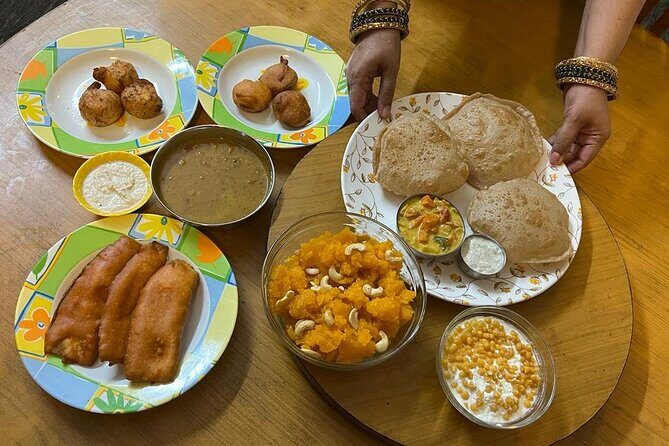
After cooking, you sit down and share the meal you helped prepare. The service is traditional: your meal is served on banana leaves.
That detail isn’t just for atmosphere. Banana leaf serving changes how the meal feels and how you eat. Portions land in a more natural, easy-to-manage layout, and it reinforces that this is a household meal style, not a restaurant plate performance.
The desserts you might finish with include payasam (milk pudding), sakkara pongal (sweet with jaggery and lentils), or kesari (semolina-based sweet). Then you’ll get filter coffee to close the loop.
I like end-to-end completeness. Many cooking classes stop at dinner. Here you get the sweet and coffee ritual too, which helps the whole experience feel balanced and genuinely South Indian.
Conversations in the kitchen: why Meena’s class lands so well
The strongest praise for this class isn’t just about food. It’s about the vibe. Meena shares stories, culinary traditions, and practical cooking tips while you’re working.
That matters because you’re not only learning technique. You’re learning context. You hear why certain spices get handled a certain way, how home cooks think about texture, and how recipes travel through families.
And because it’s private, you’re more likely to ask questions in real time. If you don’t understand a step, you can ask. If you want to adjust spice level or want to learn a specific method, you can steer the conversation toward that.
For me, this is where the value really shows. You leave with a better mental model for how South Indian cooking pieces fit together.
Vegetarian cooking, without feeling limited
This class is vegetarian-focused, and that’s stated clearly: Meena offers vegetarian meals only. The benefit is that you’ll learn South Indian vegetarian dishes as their own world, not as an apology.
You’ll cook with lentils, vegetables, coconut-style gravies, and spice powders. The meal isn’t built around substituting for meat. It’s built around flavor and texture that vegetarian cooking already does extremely well.
If you’re visiting Chennai and want something distinctly local without needing to chase meat-focused experiences, this is a smart match.
Price and value: what $54 gets you in Chennai
At $54 per person, you’re paying for a private cooking class plus a homecooked meal. For many parts of the world, that price would mostly buy a group activity. Here, the private instruction and kitchen work make the cost feel more reasonable.
Also, you’re not just eating food that someone else made. You’re learning the steps: spice roasting, grinding, and the cooking sequence for lentil curry, rasam, and coconut-based vegetable dishes (depending on what’s on the menu for the day).
If you’re budgeting in Chennai, think of it as a mix of:
- a cooking workshop,
- a guided cultural meal,
- and a hands-on food education session.
Add-on market tour is optional, and that can add context and ingredients before the class. For travelers who enjoy markets, it’s a worthwhile extra.
One more value point: you get a mobile ticket and group discounts. Even if you’re going solo, the class is still private to your group, so you don’t lose the personalized attention.
Who this cooking class is best for
This experience fits best if you’re the kind of traveler who likes learning through doing. You’ll enjoy it if you:
- want authentic South Indian vegetarian cooking methods
- enjoy spice-focused learning and grinding/roasting steps
- like a smaller, residential setting rather than a big tour route
- want a meal served in a traditional style on banana leaves
It may be less ideal if you hate close kitchen work or you only want a quick bite with minimal hands-on cooking. This is designed for active participation. Also, since there’s no hotel pickup, plan your transport to Alwarpet.
Should you book this Chennai class with Meena?
Book it if you want a real cooking lesson, not a filmed food performance. The combination of fresh spice prep, family-style recipes, and a banana-leaf meal plus dessert and filter coffee makes the experience feel complete. The personalized menu approach is also a big plus, especially if you have preferences or you want specific dishes.
Skip it only if you’d rather do a large public group tour or you can’t reliably get to the Alwarpet meeting point on your own.
If you’re visiting Chennai and you want one activity that gives you both flavor memories and repeatable skills, this is a strong choice.
FAQ
What dishes will I cook in the South Indian vegetarian cooking class?
You’ll cook a curry, a seasonal vegetable, and a dessert. Common dishes include kuzhambu (lentil curry), rasam (spiced soup), sambar, and coconut gravy vegetable dishes such as kootu, avial, or olan, plus rice.
Is the cooking class private?
Yes. It’s private for your group only, with a host guiding you through the class.
Do I get a market tour option in addition to cooking?
Yes. If you select it, Meena takes you to the Mylapore vegetable and fruit market before the class, about 2 km away, by rickshaw or taxi.
Will the meal be vegetarian?
Yes. Meena offers a vegetarian meal only. If you have allergies or dietary restrictions, you should advise at booking.
Will I be able to include South Indian breakfast dishes like dosa or idli?
You can, but you must let Meena know in advance while booking if you want breakfast dishes such as dosa, idli, upma, or pongal.
Is hotel pickup included?
No. There is no hotel pickup or drop-off. The activity starts and ends back at the meeting point in Alwarpet.
Can I cancel and get a refund?
You can cancel up to 24 hours in advance of the experience for a full refund.