REVIEW · CHENNAI
Neighborhood Market Tour & South Indian Cooking Class in Chennai
Book on Viator →Operated by Traveling Spoon · Bookable on Viator
Food lessons work best when they start at the source. Here you hit a Chennai neighborhood market with Jyashree, pick ingredients, and learn dishes you’ll actually eat on the spot.
I especially love the market-to-kitchen flow and how the lesson covers core South Indian staples like poriyal, rasam, and flavored rice. I also like the focus on an authentic Iyer sapaad spread served on a banana leaf, with dosas and seasonal chutneys.
One possible drawback: there’s no hotel pickup, so you’ll want to plan how you’ll reach the meeting point in Besant Nagar on time.
In This Review
- Key things you’ll get from this experience
- Why this Chennai market visit feels different than a food show
- Meet Jyashree and get oriented with South Indian tea and coffee
- Walking the vegetable and flower stalls with local context
- The cooking lesson: poriyal, rasam, and flavored rice you can repeat
- What an Iyer sapaad meal actually means on your plate
- Banana leaf thali style: why the whole meal is the point
- Timing, pacing, and what you should realistically expect
- Price and value: what you’re paying for (and what you’re not)
- Who this cooking class is best for
- Small practical tips before you go
- Should you book this neighborhood market and cooking class?
- FAQ
- How long is the Neighborhood Market Tour & South Indian Cooking Class in Chennai?
- Is this a private experience?
- What happens first during the experience?
- What will I cook during the class?
- What will I eat at the end?
- Are drinks included?
- Is hotel pickup and drop-off included?
- Can dietary restrictions be accommodated?
Key things you’ll get from this experience

- Neighborhood market shopping for everyday ingredients and even flower stalls, explained by your hosts
- A private, home-based cooking class (up to two hours) with hands-on instruction
- South Indian basics with purpose, including poriyal, rasam, and flavored rice
- An Iyer sapaad meal with banana leaf service, handmade dosas, chutneys, pickles, and dessert
- Seasonal, vegetarian ingredients with options to adjust for allergies and dietary needs
- Time well used, since the meal and drinks are included after the cooking
Why this Chennai market visit feels different than a food show
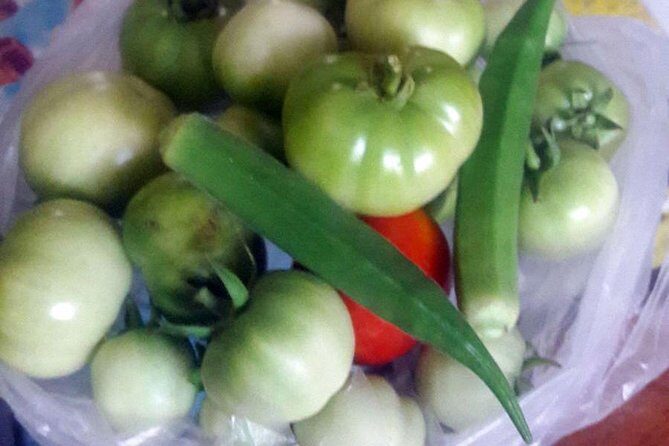
Chennai has plenty of places to eat, but most tours only skim the surface. This one starts where locals shop. You’re not just taking photos; you’re learning what ingredients look like, how they vary, and why those choices matter to a South Indian meal.
You’ll also see market-side specialties that many visitors miss—like flower vendors. In South Indian cooking culture, flowers show up in daily life and religious practice, so it’s the kind of detail that makes your later meal feel more connected, not random.
And because it’s led through a local home base, the pace stays human. It’s not a race. It’s more like you’re being brought into a routine—one that happens every day in someone’s neighborhood.
You can also read our reviews of more shopping tours in Chennai

Meet Jyashree and get oriented with South Indian tea and coffee
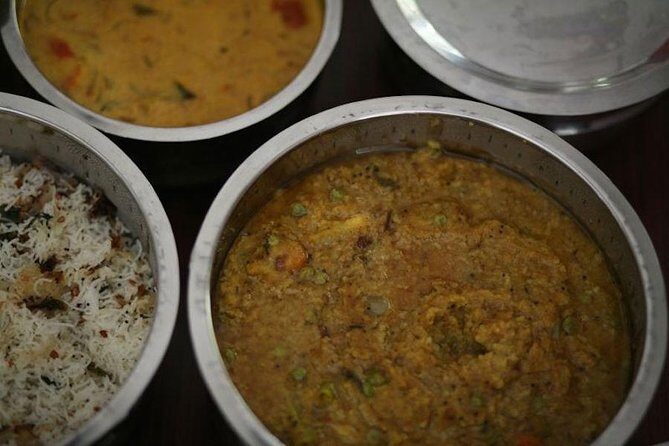
The experience begins at the meeting point in Besant Nagar, then you’ll meet your host, Jyashree. Before you head out, you get a traditional welcome drink—South Indian coffee at the home, and there’s also a welcoming tea mentioned in guest feedback when people arrive.
This little pre-market moment matters. It gives you a calm start, plus it sets the tone: family-style hospitality, not a scripted performance. You’ll likely hear how your host approaches cooking—what she considers essential, what she considers flexible, and what she wants you to learn so you can repeat it later.
Then you drive together to the local market. That shared travel time helps you get comfortable with the day’s rhythm, and it also means you aren’t stuck figuring out the area alone.
Walking the vegetable and flower stalls with local context
At the market, you’ll move through stalls focused on vegetables and produce. Flower vendors are part of the mix too, so the sensory experience is broader than a typical grocery walk.
This is where Rabi comes in, based on guest feedback. He helps show the local market and explains regional fruits and veggies. That’s a big deal because the same vegetable names you learn later in the kitchen become real when you’ve seen how they’re sold and what the varieties look like.
What to pay attention to as you walk:
- Ingredient shapes and sizes (they often affect how a dish cooks)
- What looks seasonal and in good condition
- How vendors separate and label produce (even if you don’t catch every word, the patterns teach you)
If you want to buy spices later in Chennai, this market stop is also the best kind of prep: you get a mental map of what ingredients matter most for an Iyer-style vegetarian spread.
The cooking lesson: poriyal, rasam, and flavored rice you can repeat
Back at the kitchen, your cooking lesson runs about one to two hours. Expect real instruction, not just watching. You’ll be guided through core South Indian items that show up across many meals, so you’re building a foundation.
Based on what you’ll learn, the focus is classic:
- Vegetable poriyal (sautéed vegetables with spices)
- Rasam (a peppery broth you eat with rice and ghee)
- Flavored rice (seasoned rice tied to everyday South Indian flavors)
Here’s the practical value: these aren’t “fancy once” dishes. Once you understand the seasoning logic—what gets cooked first, what adds heat, what balances tang and spice—you can adapt them at home with ingredients you can actually find.
Also, don’t be surprised if some dishes are already in motion before you sit down to eat. One guest described an outstanding thali where multiple dishes show up together, and that feels right for a home meal: while you learn, the host keeps the overall spread moving so everything lands at the same time.
What an Iyer sapaad meal actually means on your plate
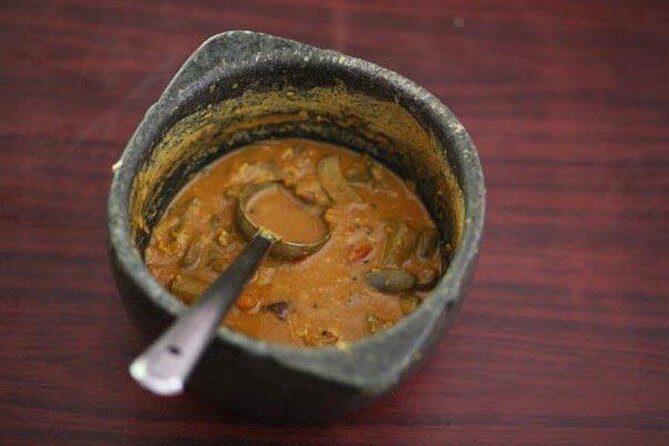
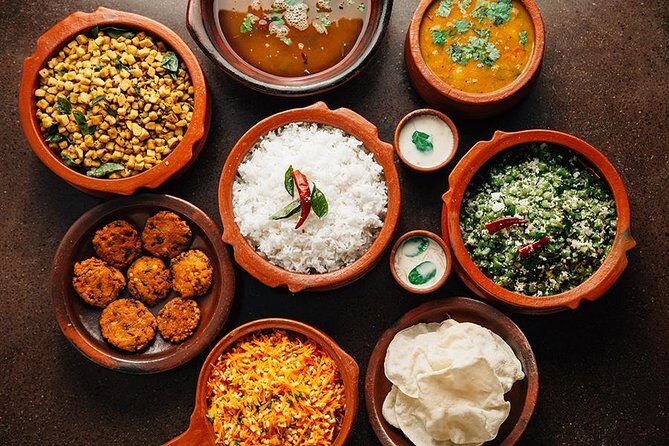
You’ll eat a vegetarian Tamil Brahmin-style spread called an Iyer sapaad, and it’s served on a banana leaf. That service style isn’t just tradition for show. It changes how the meal flows.
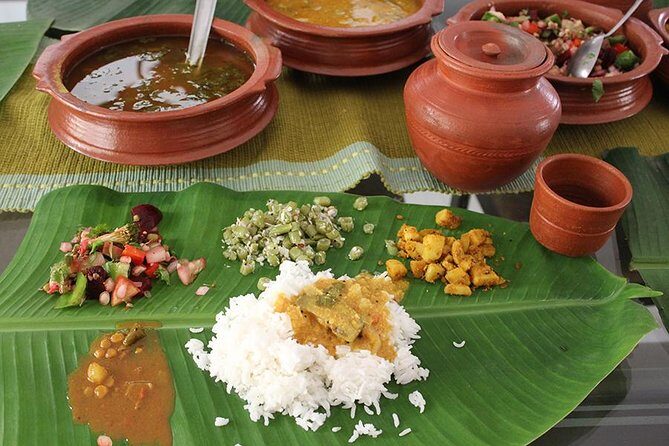
A banana leaf meal generally encourages you to eat in a sequence—rice, rasam, cooked vegetables, chutneys/pickles—so flavors don’t compete. You end up tasting the meal as a set, not as random separate dishes.
What your spread is likely to include:
- Rice and handmade dosas (crispy South Indian crepes)
- A selection of chutneys and homemade pickles
- Seasonal sides that can shift depending on what’s fresh at the time
- A sweet dessert to end the meal
Chutneys and pickles deserve your attention because they’re where seasonal produce becomes flavor. You may taste examples like tender mango pickle or a green tomato chili and garlic chutney. Even if you don’t memorize exact spice amounts, tasting teaches you how sour, hot, and savory work together in this style of cooking.
And since you helped prepare part of the meal, eating it feels like a finish line, not a separate restaurant stop. You understand what went into it.
A few more Chennai tours and experiences worth a look




Banana leaf thali style: why the whole meal is the point
This is not a class where you make one small dish and then leave. The end of the experience is a full home-cooked vegetarian meal, with non-alcoholic drinks included.
The dosas and rice matter because they’re the backbone of how rasam and poriyal land on the tongue. A peppery rasam works best when you combine it with rice and ghee, and you’ll see that logic clearly when you’re eating the meal as intended.
One guest also noted getting leftovers to bring back and enjoying a second meal afterward. While you shouldn’t count on extra food every time, it’s a good sign that hosts often treat this like a genuine meal, not a one-and-done demo.
Timing, pacing, and what you should realistically expect
The total experience runs about five hours. The market walk and cooking lesson are the main pillars, with the meal afterward.
In real life, that kind of schedule is about balance:
- Enough time at the market to learn without getting rushed
- A practical cooking lesson without exhausting you
- A full meal that doesn’t happen five minutes after you finish
Because this is hosted at a home, the pace is more personal than large group cooking events. That’s great if you like questions and want explanations as you work.
Plan your day with one key expectation: you’re going to eat. Even if you’re curious and hungry, you’ll still want to go easy earlier in the day so you can enjoy everything on the banana leaf spread.
Price and value: what you’re paying for (and what you’re not)
At $152 per person for a private market visit plus a cooking class and a home-cooked meal, the value is mainly in three places:
- Private guidance from Jyashree and the household team, not a crowded class
- Ingredient education at a neighborhood market, including vegetables and flower stalls
- A full meal you helped prepare, including chutneys/pickles and non-alcoholic drinks
The big trade-off is logistics. There’s no hotel pickup and drop-off, so you’re responsible for getting to the meeting point in Besant Nagar at the right time. If you’re staying far away, transportation costs and time may make the whole experience feel pricier than the per-person number.
Still, for many people, paying for a local home meal and hands-on instruction is a stronger value than just paying for a restaurant meal. You leave with a clearer sense of flavors, and you also get a foundation you can try again at home.
Who this cooking class is best for
This is a great fit if you:
- Want a vegetarian South Indian cooking experience focused on real staples
- Love food that’s tied to ingredients, not just recipes on paper
- Prefer a private, home-based approach over a large group setup
- Enjoy learning from locals in an informal setting—conversation included
It may be less ideal if you’re expecting non-vegetarian dishes, or if you only want a short cooking segment with minimal meal time. This experience is built around an Iyer sapaad-style spread.
Small practical tips before you go
A few things will make your day smoother:
- Wear comfortable clothes you can cook in, since you’ll be actively involved in preparing dishes.
- Bring a good layer for walking and moving between market and kitchen, since weather in Chennai can shift your comfort quickly.
- If you have allergies or dietary restrictions, mention them at booking. Jyashree is happy to accommodate.
Finally, come with an attitude of curiosity. You’ll get the most out of the lesson if you treat the market walk like homework you actually enjoy.
Should you book this neighborhood market and cooking class?
I’d book it if your ideal Chennai day looks like: local market first, a calm private kitchen lesson second, then a real home meal you helped make. The combination of market context plus hands-on cooking plus banana leaf Iyer sapaad is the kind of triple win that’s hard to replicate through dining alone.
Skip it only if you strongly depend on hotel pickup to make tours work, or if you’re looking for a meat-heavy menu or a purely sightseeing-focused day.
If you want to understand South Indian cooking in a way that sticks, this is one of the more direct paths—because you taste what you cook, and you cook what you bought.
FAQ
How long is the Neighborhood Market Tour & South Indian Cooking Class in Chennai?
It lasts about five hours.
Is this a private experience?
Yes. It’s private, and only your group participates.
What happens first during the experience?
You start with a neighborhood stop for South Indian coffee at the host’s home, then you travel together to the local market with your host to select ingredients.
What will I cook during the class?
You’ll learn dishes including vegetable poriyal, flavored rice, and rasam.
What will I eat at the end?
You’ll enjoy a home-cooked South Indian vegetarian meal in a traditional Iyer sapaad style, served on a banana leaf, with rice and handmade dosas.
Are drinks included?
Yes. Non-alcoholic drinks are included.
Is hotel pickup and drop-off included?
No. Hotel pickup and drop-off are not included, and the activity ends back at the meeting point.
Can dietary restrictions be accommodated?
Yes. Your host is happy to accommodate allergies and dietary restrictions if you include your requests at the time of booking.