REVIEW · CHENNAI
Chennai Dosa Making Class & Home-Dining Experience with Jyashree
Book on Viator →Operated by Traveling Spoon · Bookable on Viator
Paper-thin dosa starts with your hands. In Chennai, this private cooking class with Jyashree turns classic Tamil comfort food into techniques you can repeat later—especially dosa and chutney, taught from her family’s approach to flavor and spice. I also like the home-style setup: you’re not just watching. You’re learning why each speciality works, then sitting down to eat what you helped make, served the traditional way on a banana leaf.
One thing to plan for: there’s no hotel pickup, so you’ll need to get yourself to the meeting point area on MG Ramachandran Road.
In This Review
- Key things that make this class worth your time
- A Chennai cooking class that feels more like dinner with a family friend
- Getting oriented in Besant Nagar (and why it’s easier than it sounds)
- Dosa time: the technique behind paper-thin success
- Chutney and spice logic: how Tamil flavor gets built
- Seasonal extras like mango pickle (and why they matter)
- The banana-leaf feast: what you’ll eat after you cook
- Price and value: is $122 per person fair?
- Who should book this Chennai dosa class with Jyashree?
- Should you book? My honest take
- FAQ
- FAQ
- Where does the experience start?
- How long is the cooking class?
- Is this a private experience?
- What’s included in the price?
- What is not included?
- Will I receive confirmation after booking?
- Does the menu stay the same every time?
- Can I request dietary restrictions or allergies?
- What happens if I need to cancel?
Key things that make this class worth your time
- Hands-on dosa practice in a real home kitchen: you’ll be working with the food, not just taking notes
- Tamil chutney lessons you can actually replicate: taught with the logic behind spice and balance
- A banana-leaf meal at the end: you eat what you cooked, plus additional vegetarian dishes
- Family-recipe access from Jyashree: the class focuses on the meaning behind specialties, not only steps
- You may leave with recipes and spice blends: shared in a way that helps you cook again at home
A Chennai cooking class that feels more like dinner with a family friend
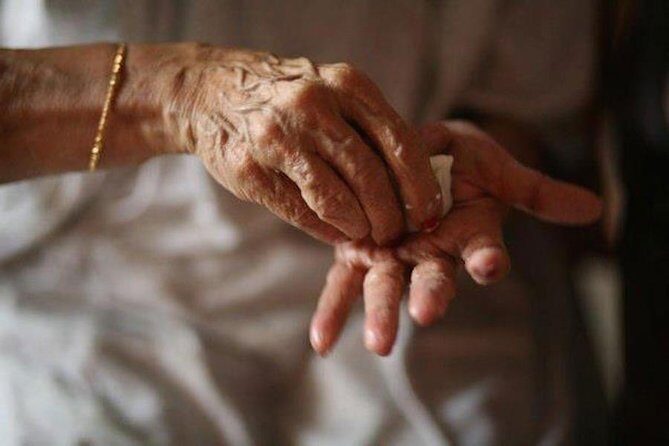
South Indian food can be hard to copy at home—not because it’s complicated, but because the details matter. A dosa that’s paper-thin, crisp at the edges, and soft in the center doesn’t happen by accident. This experience works because it’s led in a personal, private way inside a local Chennai home, with Jyashree guiding you through 2–3 traditional dishes. Think dosa and chutney as the core, with seasonal variations.
From what I picked up, Jyashree comes across as elegant and genuinely welcoming. You’re treated like an honored guest, and her family joins in the hospitality (including her dog). That “you’re in our house” feeling changes the whole experience. It makes you pay attention to the small stuff—heat control, batter texture, and how you season and finish chutneys.
And you’re not stuck with only what’s on the stove. The lesson includes context: the significance of each specialty and how family recipes get passed down. That matters because you’re not memorizing a single method—you’re learning a way of thinking you can reuse next time you cook.
You can also read our reviews of more tours and experiences in Chennai.

Getting oriented in Besant Nagar (and why it’s easier than it sounds)
The class starts at MG Ramachandran Road in Kalakshetra Colony, Besant Nagar (Chennai). It ends back at the meeting point. No hotel pickup or drop-off is included, so you’ll want to map it ahead and plan your transport.
Why I mention this: with home-based classes, timing and meeting points are everything. You’ll want to arrive a few minutes early so you can settle in before cooking begins. Also, because it’s a private group experience, your host can move at the pace that fits your group.
The lesson runs about 3 hours. That length is important. It’s long enough to do real hands-on work—mix, cook, taste, and adjust—without dragging into a half-day commitment.
Dosa time: the technique behind paper-thin success
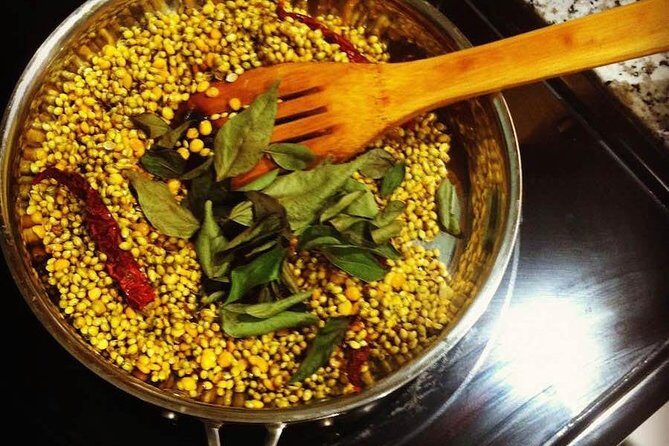
Dosa is the headline dish for a reason. It’s iconic, it’s delicious, and it’s also the easiest place to get frustrated if you’re guessing.
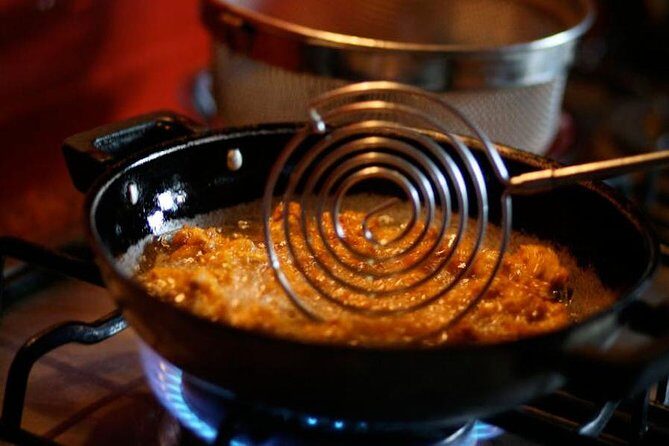
In this class, dosa isn’t treated like a mystery. You learn it as a practical craft: how the batter is used, how you spread it, and how the pan timing affects the final texture. The goal is not only to cook one dosa, but to understand what you’re doing so you can repeat it later.
What I’d watch for as a participant: the texture and the heat. Dosa batter consistency and pan temperature are the two levers that make the biggest difference. Even if your group gets only a couple tries, you’ll learn enough from the corrections to avoid the most common mistakes at home.
If you’ve ever tried to make dosa and it came out thick or gummy, this is the kind of class where someone can spot the issue and help you adjust fast. That’s the real value of a guided home workshop: you don’t waste hours tinkering blindly.
Chutney and spice logic: how Tamil flavor gets built
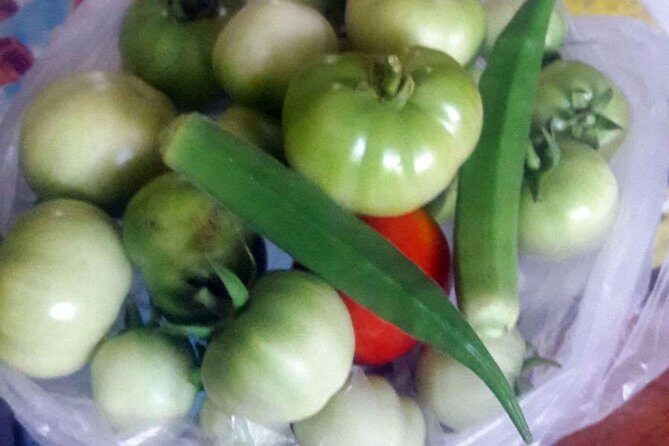
Dosa alone isn’t the whole story. The class focuses heavily on chutney and South Indian flavor building—so you can go beyond eating and actually cook.
Here’s what you should expect from a chutney lesson like this: understanding which flavor elements matter (salt, acidity/tang, spice heat, and aromatics), and how you balance them for the dosa you just made. In South Indian kitchens, chutney isn’t an afterthought. It’s part of the dish’s personality.
I also like that the experience isn’t just about cooking during the session. Some participants mention that Jyashree shares recipes and mixed spices, which is huge for follow-through. If you take home the spice blend guidance, you’re more likely to recreate the flavor profile instead of ending up with a chutney that’s technically edible but doesn’t taste like the original.
Practical tip: when you taste, taste in context. Eat a bite of dosa with a mouthful of chutney and notice how the chutney changes the texture experience—crisp, soft, and savory all shift depending on the chutney’s punch.
Seasonal extras like mango pickle (and why they matter)
The menu can vary by season, so don’t assume every course is identical every time. That said, the class includes traditional South Indian items and even mentions homemade mango pickle as part of the kind of specialties you may encounter.
Why include pickle in a dosa-focused class? Because it teaches another essential lesson: fermentation/aging flavors and how they cut through richness. Mango pickle can add tang and depth that makes simple dishes taste more complete. And if you can handle one preserved element, you’ll start seeing how South Indian meals build layers—spice, sourness, aroma, and crunch.
Think of this portion as your bonus toolkit. You’re not only learning to cook on the day. You’re learning components that keep in your pantry and make weeknight cooking feel more authentic.

The banana-leaf feast: what you’ll eat after you cook
The best part of these classes is often what happens at the table. Here, you finish your lesson by enjoying the feast you helped prepare, served on a banana leaf. It’s not just a nice presentation move; banana leaf serving is part of the tradition of how South Indian meals are organized and eaten.
You’ll eat what you cooked—plus other vegetarian dishes. Since menu options can shift with season, the exact sides may vary, but the structure stays the same: you cook a small set of specialties, then sit down to the full meal style that makes them feel complete.
Also, because this is a private class, the meal is part of the experience rhythm. You’re not standing in a queue or eating quickly to make room for the next group. You can actually taste, ask questions, and adjust your understanding while flavors are fresh in your mind.
If you want a souvenir that isn’t a fridge magnet, this is it: your “I can recreate that” memory, reinforced by tasting and explanation in the same sitting.
Price and value: is $122 per person fair?
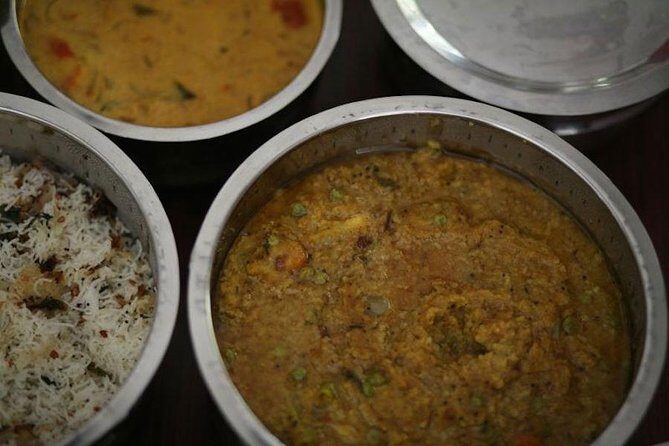
At $122 per person for about 3 hours, the price might look steep at first glance—until you price what you’re getting: a private, hands-on South Indian cooking class in a local home plus a home-cooked vegetarian meal at the end.
Here’s how I’d think about value:
- You’re paying for a one-on-one style learning environment (it’s private, only your group participates).
- You’re paying for instruction tied to family recipes and spice logic, not just generic cooking.
- You’re eating a full meal you helped make, served in a traditional format.
If your travel style includes learning a skill you can repeat—like cooking dosa and building chutney—you’re getting more than entertainment. You’re buying a practical skill transfer.
If, on the other hand, you mainly want to watch and eat without learning technique, you may feel the price more than you’d like. This one rewards active participation.
Also note: the price includes the class and the meal, but not hotel pickup. So the real “cost” to you includes transport time and getting yourself there.
Who should book this Chennai dosa class with Jyashree?
This is a strong fit if you want:
- A hands-on Tamil cooking experience rather than a lecture
- Practice making dosa and chutney so you can cook at home
- A private home setting that feels personal and welcoming
- The chance to learn spice blends and recipes you can reuse
It’s especially good if you’re traveling with a partner or small group and you don’t want your cooking time split up between strangers.
If you’re very picky about menus or allergies, you’ll need to plan carefully and communicate dietary restrictions at booking, since the menu can vary by season and the class is built around what’s being cooked at that time.
Should you book? My honest take
Book it if you want to leave Chennai with more than photos. You should book this if you care about doing it yourself—mixing, cooking, tasting, and learning the reasons behind the flavors—then eating the results on a banana leaf in the same sitting.
Skip it (or at least think twice) if you need hotel pickup and stress-free logistics. You’ll be responsible for getting to the MG Ramachandran Road meeting area.
And one more practical note: because it’s private and non-refundable with no changes, don’t book unless your dates are firm.
FAQ
FAQ
Where does the experience start?
It starts at MG Ramachandran Road, MG Ramachandran Rd, Kalakshetra Colony, Besant Nagar, Chennai, Tamil Nadu 600090, India.
How long is the cooking class?
It lasts about 3 hours.
Is this a private experience?
Yes. It’s private and only your group participates.
What’s included in the price?
You get a private hands-on South Indian cooking class and a home-cooked vegetarian meal in a local home.
What is not included?
Hotel pickup and drop-off are not included.
Will I receive confirmation after booking?
You receive confirmation within 48 hours of booking, subject to availability.
Does the menu stay the same every time?
The menu may vary depending on the season.
Can I request dietary restrictions or allergies?
Yes. If anyone in your group has allergies, dietary restrictions, or cooking preferences, you should advise at time of booking.
What happens if I need to cancel?
This experience is non-refundable and cannot be changed for any reason. If you cancel or ask for an amendment, the amount you paid will not be refunded.