REVIEW · CHENNAI
Private guided tour of Must Visit Places of South India
Book on Viator →Operated by 5 Senses Walks · Bookable on Viator
If you want South India fast, this route fits. I like that it mixes major temples, art, and culture with real downtime, including a houseboat night in Kerala. I also appreciate that the plan is built around a private guide, so you get explanations at each stop instead of just bouncing between sites on your own.
One thing to keep in mind: the itinerary is packed, and some days are heavy on driving and temple walking, so it helps to travel with good stamina and simple expectations about pace.
The payoff is an efficient circuit across Tamil Nadu, Kerala, and Karnataka—where your biggest challenge is choosing what to photograph, not figuring out what to do next.
In This Review
- Key points worth planning around
- What this private South India tour gets right
- Price and value: why $1,225 can make sense here
- Day 1 in Chennai: Bharatanatyam + the city’s historic layers
- Day 2: Fort St. George, Parthasarathy Temple, Marina Beach, and a climb
- Day 3: Kanchipuram temples and silk culture, plus Mahabalipuram rock wonders
- Day 4: Shore Temple and Pondicherry’s spiritual counterpoint
- Day 5: Thanjavur’s palace world and the Big Temple
- Day 6: Madurai temples, Nayaka palaces, and sculpture overload (in a good way)
- Day 7: Kochi with Kathakali in the evening
- Day 8–9: Alleppey backwaters on a houseboat (the tour’s calm center)
- Day 9: Kerala Folklore Museum and Mattancherry Palace in Kochi
- Day 9 night into Day 10: Fly to Bangalore, then palaces and ISKCON
- Day 11–12: Hampi’s ruin-city plan, from lingas to musical pillars
- Day 13: Drive to Mysore
- Day 14: Mysuru Palace, sand sculptures, and Chamundi Hills
- Day 15: Tipu Sultan at Srirangapatna + Somnathpur’s Chennakesava temple
- Guides, drivers, and why small names matter
- Pace and logistics: the part you should not ignore
- Who this tour suits best
- Should you book it?
- FAQ
- What’s included in the tour price?
- What kind of transportation does the tour use?
- Is the itinerary fixed or can I customize it?
- Where is the houseboat night, and what’s included there?
- What is not included?
- If my plans change, can I get a refund?
Key points worth planning around
- Bharatanatyam lesson in Chennai that turns a performance into a story-telling skill (not just a show)
- Kanchipuram silk-weaver visit that explains why sarees matter here, beyond the shopping angle
- Pondicherry stop with Auroville and Aurobindo Ashram for a totally different mood from temple towns
- A full 24 hours on a Kerala houseboat with meals (you anchor in the backwaters at night)
- Hampi and Mysore as the culture-and-monuments finale with major Vijayanagara and Wodeyar-era sights
- Bundled value for a private trip: 13 hotel nights, breakfasts, entry fees, and a private car (plus one domestic flight)
What this private South India tour gets right
This is the kind of tour you book when you want a “best of” overview without the stress of planning days around traffic, opening hours, and ticket lines. You get a private setup—meaning your guide can adjust for your pace, questions, and interests, instead of herding everyone through monuments like they’re airport security.
I also like how the itinerary doesn’t just repeat the same type of stop. You’ll move from Chennai’s coastal atmosphere and temple energy, to Pallava stonework and silk culture, then to Pondicherry’s French influence and Auroville’s experimental community vibe. After that, it shifts into Kerala backwaters, then jumps into Karnataka with the big ruins of Hampi and the palace-centered finish in Mysore and Srirangapatna.
One more practical win: entry fees are included, and meals are part of the package (lunch and dinner, plus breakfasts). That turns a lot of small costs into one predictable price.
You can also read our reviews of more guided tours in Chennai
Price and value: why $1,225 can make sense here
At $1,225 per person for about 15 days, it sounds expensive until you look at what’s bundled. This is not just a guide for a few hours a day. You’re paying for:
- Private car and flight within India
- 13 nights of hotel accommodation
- All breakfasts (14 listed)
- Lunch and dinner
- A 24-hour houseboat stay in Alleppey with all meals organized on board
- Entrance charges for the sites on the schedule
That matters because South India travel adds up fast once you factor in internal transfers, lodging for 2+ weeks, ticketing, and guide time. If you tried to copy this exact route solo, you’d likely spend a lot of energy coordinating transport and sites—and you might still miss key context that makes the monuments click.
The trade-off is that you’re buying convenience and structure. If you’re the type who hates fixed schedules or wants lots of free-form wandering, you might feel the “tight plan” pressure.
Day 1 in Chennai: Bharatanatyam + the city’s historic layers
Chennai starts with a hotel pickup around 4:30 pm, then shifts into art right away with a Bharatanatyam dance session. This isn’t just a spectator activity. You’re introduced to Bharatanatyam through myth and spiritual ideas, and then you learn to narrate an episode through the dance language.
I love how this gives you a mental key for Tamil Nadu. When you later visit temple spaces, you’ll understand more about the cultural logic behind the art, gestures, and storytelling.
After the dance session, the tour effectively teaches you how to see Chennai. Even if you’re not a dancer, you get a cultural “translation” that helps the rest of the trip feel connected instead of random.
Day 2: Fort St. George, Parthasarathy Temple, Marina Beach, and a climb
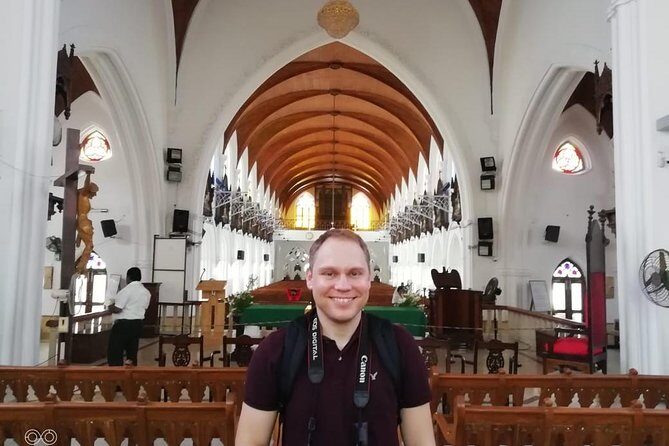
Day 2 is a nice blend of colonial-era history and temple life.
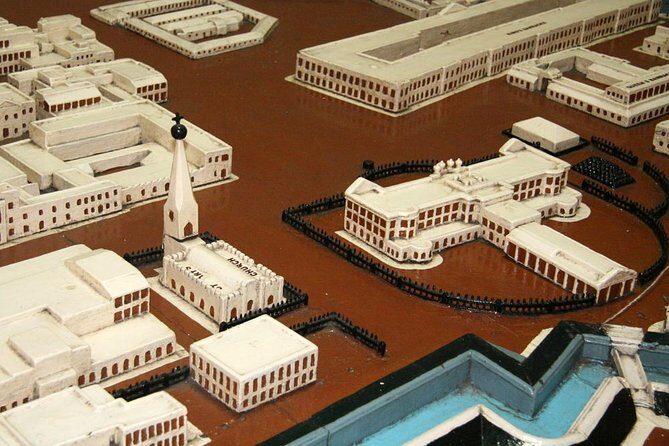
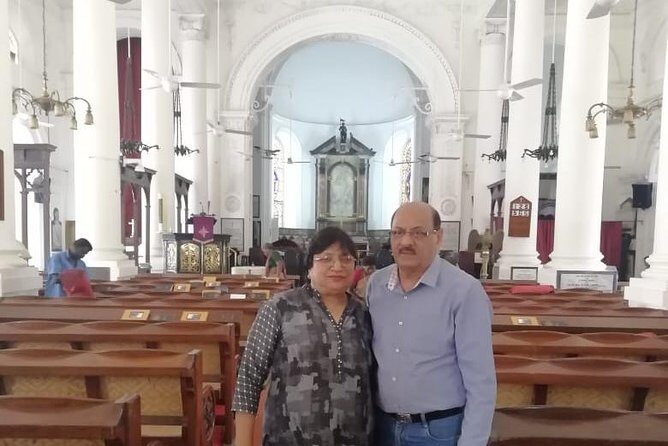
First comes Fort St. George (built in 1644), including St Mary’s Church (the oldest Anglican Church of India) and a colonial relic-filled museum. This sets up a different chapter of Chennai than the beach and temples.
Next is Arulmigu Thiruvallikeni Parthasarathy Temple—a 9th-century architectural marvel dedicated to Lord Vishnu. The visit is guided by legends tied to the temple, so you don’t just see carved walls—you hear the stories attached to them.
Then you finish at Marina Beach, including city background through statues and the option to climb an old lighthouse for a perspective view. For practical planning, this combination is smart because it gives you indoor cultural depth and then a more open-air break.
Day 3: Kanchipuram temples and silk culture, plus Mahabalipuram rock wonders
Day 3 is one of the tour’s best “culture match” days.
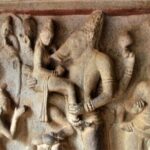
You head to Kanchipuram (about 75 km away). On the way, there’s breakfast. In Kanchipuram, the focus is on Pallava-era architecture with Ekambareswarar Temple and Kailasanathar Temple. These are temple stops where the guide’s explanations matter—Pallava history connects the shift from earlier rock-cut forms toward stone temples, and the sculptures and frescoes give you lots to look at beyond the main structure.
Then you get a Kanchipuram experience most people only half-do: a visit to a silk weaver and a walk-through of why these sarees are culturally important. It’s also useful if you’re shopping, because you’ll understand the difference between saying saree and saying mulberry silk threads, lengths, and wedding-or-birthday significance.
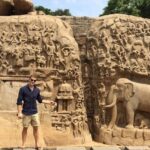
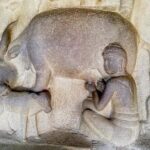
Later, you drive about two hours to Mahabalipuram and hit famous rock-cut sites: Pancha Rathas, Arjuna’s Penance, and Krishna’s Butter Ball. These are the types of monuments where scale and detail reward slow looking—even if the time is limited.
You can also read our reviews of more private tours in Chennai

Day 4: Shore Temple and Pondicherry’s spiritual counterpoint
Morning and afternoon here create a mood shift.
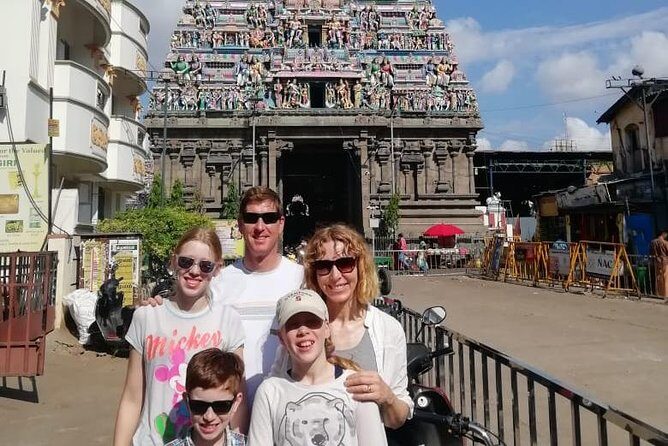
You start with the Shore Temple, an 8th-century structural temple made of granite—served as a beacon for sea farers. Even if you only have 45 minutes, it’s a strong anchor to the Pallava coastline story.
Then you head to Auroville, a global citizen community idea. The stop includes a chance to see sustainable ways of living. Whether you fully agree with the concept or not, it’s a fascinating contrast to temple-centered days.
After that comes the Sri Aurobindo Ashram visit in Pondicherry, including a memorial and philosophical context. If you like quiet moments and reflective travel stops, this is where the schedule gives you that kind of space.
Finally, there’s a White Town French heritage walk, which helps explain why Pondicherry feels different from other South Indian cities.
Day 5: Thanjavur’s palace world and the Big Temple
You travel about 165 km to Thanjavur (Tanjore), a town strongly tied to Chola-era temple culture and later royal patronage.
The day starts at the Thanjavur Royal Palace and Art Gallery. The palace includes courtyards, painted scenes in the Durbar Hall, and a Royal Museum plus the Saraswati Mahal Library inside the complex. If you like art and systems of knowledge, this is more than a quick photo stop.
Next is Brihadeeswara Temple, the famous Thanjavur Big Temple. It’s described as a top-tier example of Chola architecture and sculpture—one of those places where you can feel the skill without needing to become an expert overnight. The guide’s framing helps you notice details you might otherwise miss.
Day 6: Madurai temples, Nayaka palaces, and sculpture overload (in a good way)
You drive from Thanjavur to Madurai (about 190 km) and the pace shifts from palace grandeur into the scale of a living temple city.
First stop is the Gandhi Memorial Museum, housed in the historic Tamukkam Palace. Then you visit the Thirumala Nayakar Mahal, built in 1636 by the Nayak kings.
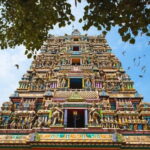
The main event is Madurai Meenakshi Amman Temple. This is a massive, long-lived complex tied to Tamil arts and culture, with thousands of sculptures across centuries. The guide’s breakdown makes a difference here, because it’s easy to feel lost in sheer visual volume.
If you’re sensitive to crowds or prefer calmer temple visits, go into this day with realistic expectations. The temple is huge, and you’ll spend meaningful time moving through the complex.
Day 7: Kochi with Kathakali in the evening
After checking out of Madurai, you drive around 300 km to reach Kochi by mid-afternoon.
The evening highlight is Kathakali at the Great K V Kathakali Center. This is a performance of dance-drama where dancers use heavy makeup and then tell stories—often from epics like the Ramayana—through movement and expression. You’re there for the main performance.
What I like about scheduling it after a day of intense temple sights is that it resets your attention. Also, if you’ve already had Bharatanatyam earlier, you’ll start noticing how Indian classical traditions use storytelling through body language.
Day 8–9: Alleppey backwaters on a houseboat (the tour’s calm center)
This is the tour’s signature relaxation chapter.
You check into the houseboat in Alleppey around 11:00 am. You cruise through lakes, enjoy views of life along the banks, and you also visit a historic church. All meals are organized on board, and you anchor at night in the backwaters.
Then on the next day, you start cruising again in the morning through canals and depart in the morning hours, checking out by 9:00 am. After that, you travel to Kochi.
Why this matters: it gives you a break from constant monuments. You’re moving, but the pace is gentle and the scenery is built for watching rather than chasing.
Day 9: Kerala Folklore Museum and Mattancherry Palace in Kochi
Back on land, the itinerary turns into cultural texture.
You visit the Kerala Folklore Museum, described as an architectural and ethnographic museum with stone, wood, bronze sculptures, terracotta, jewelry, tribal and folk art, masks, and traditional instruments. There’s also a folklore theatre component with performances.
Then you head to Mattancherry Palace, built by Portuguese in 1557, renovated by the Dutch in 1663, with a Bhagavathi Temple in the central courtyard. The palace layout includes a Kerala nalukettu style—four wings around a courtyard—so you’re seeing architecture that grew from local ways of building.
If you like places where objects and rooms explain the region, this pair is a strong one.
Day 9 night into Day 10: Fly to Bangalore, then palaces and ISKCON
You take a flight from Kochi to Bangalore at about 8:30 pm, arriving around 9:30 pm.
Day 10 starts with rest in the first half of the day, then at 3:00 pm you visit Bangalore Palace, connected to the Wodeyar Kings of Mysore and built in Tudor style. Interiors include carved wood and relief paintings.
Next comes ISKCON Temple Bangalore, located on a hill. The visit is tied to the movement’s focus on bhakti yoga, with the guide explaining core beliefs based on Hindu scriptures.
This is a good moment to remember: the tour has both “worldview” stops and “architectural” stops. If you’re comfortable with religious sites and respectful photos, it works well.
Day 11–12: Hampi’s ruin-city plan, from lingas to musical pillars
You travel about 350 km over the next stretch to reach Hampi, checking in around 2:00 pm.
Hampi works because it’s a place where history feels physical. Temples aren’t behind glass. Structures seem half-carved from the landscape.
You start with Shree Badavilinga Gudi, then the Statue of Ugra Narsimha, followed by the Balakrishna Temple and Hemunta hill for ancient temples and sunset views.
Then you visit Virupaksha Temple, described as the oldest temple in Hampi, with a multi-storey tower and the Tungabhadra River running inside the temple area. It’s one of those spots where a guide helps you understand why certain structures were built where they were.
Day 12 continues with major Vijayanagara highlights: Vijaya Vittala Temple, including the famous stone chariot and the musical pillars. After that you see King’s Balance, then can choose a coracle ride on the river at extra cost (so plan budget if you want it).
The royal enclosure stops—Queen’s Bath, Elephant stables, Lotus Mahal, and the Zanana Enclosure—show how power and privacy were arranged. You finish with a trip to Anegundi village for cave paintings tied to ancient dating around 1500 BC.
Day 13: Drive to Mysore
You drive about 425 km over around 8 hours to reach Mysore.
This is one of the days where the schedule basically says: sit back, hydrate, and give your legs a rest. If you’re the kind of traveler who tries to compensate for travel days with extra walking, this is a good moment to avoid that.
Day 14: Mysuru Palace, sand sculptures, and Chamundi Hills
The day starts with Mysuru Palace, with a guided tour through the Public Hall, Private Hall, Dolls Pavilion, and Royal Wedding Hall. The Indo-Saracenic style mix is the kind of architecture that feels like a mash-up on paper and a beautiful whole in real life.
After that, you visit the Mysore Sand Sculpture Museum, noted as India’s first sand sculpture museum. You’ll see multiple themes and lots of sculptures.
Then you head to Chamundi Hills for a temple visit and city views. This gives you a final “overlook” moment before the tour ends.
Day 15: Tipu Sultan at Srirangapatna + Somnathpur’s Chennakesava temple
Your last day is split between Tipu Sultan’s story and a Chennakesava temple stop.
You visit Sri Rangapatnam, formerly the capital of Tipu Sultan. You trace his story from battles to British conflict and reforms, including his pioneering usage of rockets for warfare.
Then you see Dariya Daulat Palace, Tipu’s summer palace, with Indo-Saracenic style and murals depicting wars with the British. The day includes mention of an exhibit painting called Storming of Srirangapatna by Sir Robert Ker Porter.
Next is Mysore Sree Muthappa Kshetram and then Somnathpur to explore the Chennakesava temple built in 1268 by Somanatha. The stop includes details like multiple shrines and carved peaks with shared mandapa, plus ceiling stories tied to banana flower stages.
Finally, it’s a drive to Bangalore Airport (about 175 km and 3 hours).
Guides, drivers, and why small names matter
One of the most practical parts of a private tour is the human factor. In past trips with this operator, I’ve seen strong emphasis on communication and reliability, including mention of guide Hareesh, who was praised for adapting the plan to needs, and driver Radjesh, noted as dependable for long stretches across South India. The owner Narayanan was also described as responsive and easy to work with.
You should still remember: a “private tour” only feels private if you’re comfortable asking questions. This kind of itinerary works best when you tell your guide what you prefer—more temple time, fewer shopping stops, earlier mornings, and so on.
Pace and logistics: the part you should not ignore
This is a structured overview tour, not a slow travel plan. You’ll do lots of temple visits and multiple daily transfers, especially in Tamil Nadu and when crossing into Karnataka.
A couple of practical points that help:
- Wear shoes that handle uneven temple surfaces.
- Bring a hat and water bottle for outdoor walking days.
- Expect that some days run by schedule more than by whim, especially with evening performances like Kathakali.
- The experience requires good weather, so be ready for potential adjustments if conditions aren’t right.
If you love sights but also hate rushing, use the private advantage: ask the guide to prioritize what matters most to you on high-intensity days like Madurai and Hampi.
Who this tour suits best
This one fits you if:
- You want a clear route across three states without building it yourself.
- Temples, architecture, and cultural context matter more than beach-only time.
- You appreciate classical arts explanations, like Bharatanatyam before temple stops.
- You want a relaxing break that isn’t another hotel day—so the houseboat night is a big deal.
It might not be your best match if:
- You want long, unplanned free time every day.
- You dislike early starts and long drives.
- You prefer to skip performances and focus only on self-paced sightseeing.
Should you book it?
I’d book this tour if you want South India’s major highlights in one trip, with a guide to connect the dots between temple art, history, and regional culture. The price looks more reasonable when you see what’s bundled: hotels for 13 nights, breakfast, lunch and dinner, entry fees, private transport, and the houseboat stay where the meals are handled.
But do book with eyes open. The schedule is full, and the tour is built for people who want an efficient overview more than quiet, lingering travel.
If you’re up for that trade, you’ll come away feeling like you saw a lot and understood the why behind it.
FAQ
What’s included in the tour price?
The tour includes lunch and dinner, 13 nights of hotel accommodation, all breakfasts (14 listed), a 24-hour houseboat stay in Alleppey with all meals organized on board, a guide, entrance charges for sites on the itinerary, and private car & flight.
What kind of transportation does the tour use?
You’ll have a private car for transfers through the route, plus a domestic flight from Kochi to Bangalore.
Is the itinerary fixed or can I customize it?
This private tour is described as customizable to suit your needs, so your guide can adjust the plan.
Where is the houseboat night, and what’s included there?
The houseboat is in Alleppey. You check in around 11:00 am, cruise through the backwaters, and you anchor at night. All meals are organized on the houseboat.
What is not included?
Food and beverages beyond the included meals are not included, and activities like boating are not included.
If my plans change, can I get a refund?
You can cancel up to 6 days in advance of the experience start time for a full refund. A 50% refund is available if you cancel 2–6 days before. If you cancel less than 2 days before, the amount paid is not refunded.