REVIEW · CHENNAI
Traditional Vegetarian Cooking Class in Chennai with Gayathri
Book on Viator →Operated by Traveling Spoon · Bookable on Viator
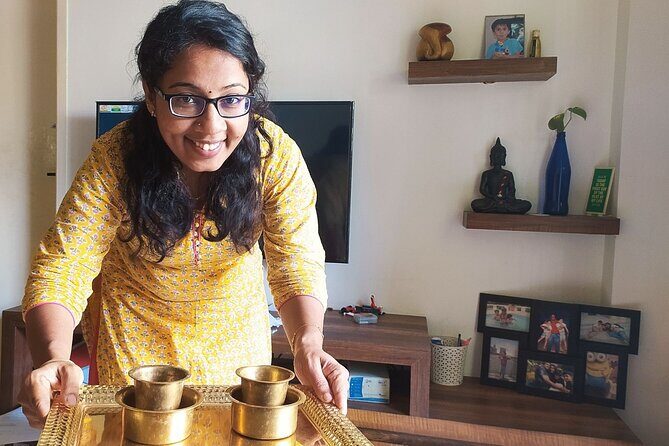
Cooking in a real Chennai home beats restaurants. This private class with Gayathri is a hands-on way to learn South Indian vegetarian food, including medicinal herbs and the banana-leaf style meal. I like the step-by-step coaching and the practical focus on simple ingredients that turn into comfort food. One consideration: you’ll eat seated on the floor, and you’ll be using your hands, so go in with that expectation.
Gayathri’s background matters here. She learned cooking from her grandmother from Thanjavur, a region locals take very seriously for its food culture. You get a true home-kitchen lesson, not a demo. The menu can vary by season, so you’re choosing a cooking experience over a fixed dish list.
In This Review
- Key Things That Make This Chennai Cooking Class Worth Your Time
- Why Gayathri’s Tamil Brahmin Kitchen Feels Personal (Not Performative)
- From Ramapuram to a 3-Hour Cooking Flow You Can Follow
- What You Actually Cook: One Main Dish, One Side Dish
- Medicinal Herbs in a Traditional Tamil Brahmin Kitchen
- Traditional Vessels and Why They Change the Cooking
- The Chutney Moment: Tomato-Onion, Stone-Ground Technique
- Seated on Banana Leaves: How the Meal Works
- Price and Value: What You’re Really Paying For
- Logistics You Should Know Before You Go
- What to Ask When You Book (So the Class Fits Your Taste)
- Who This Chennai Cooking Class Is Best For
- FAQ
- FAQ
- What’s the duration of the cooking class?
- Is the activity private?
- What will I cook during the class?
- Is the meal vegetarian?
- Will I learn anything besides cooking dishes?
- What kind of meal format should I expect?
- Are hotel pick-up and drop-off included?
- What if someone in my group has allergies or dietary restrictions?
- Should You Book This Chennai Cooking Class With Gayathri?
Key Things That Make This Chennai Cooking Class Worth Your Time
- Learn one main dish and one side dish in a 1.5-hour hands-on session
- Traditional Tamil Brahmin kitchen habits, including medicinal herb explanations
- Authentic cookware, like soap-stone and terracotta vessels (based on what you cook)
- Stone-ground chutney technique, using a traditional grinder for tomato-onion chutney
- Private activity in Gayathri’s home for just your group
- Floor-seated banana-leaf meal, eaten with your hands
Why Gayathri’s Tamil Brahmin Kitchen Feels Personal (Not Performative)
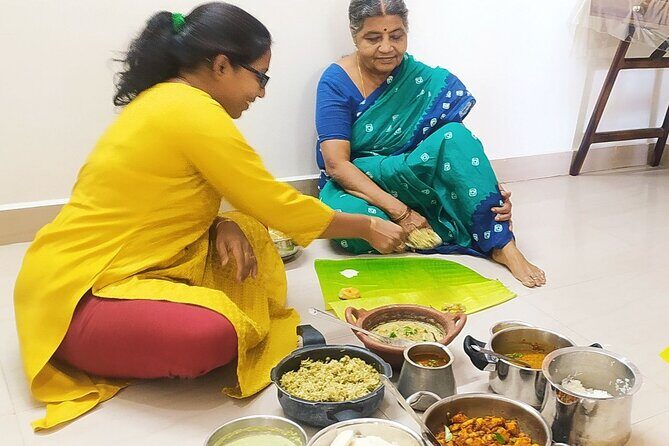
This isn’t a tourist kitchen. It’s Gayathri’s home, run the way a Tamil Brahmin household cooks vegetarian food. She’s from a family that keeps a vegetarian-only kitchen tradition, so everything you cook and eat stays in that lane.
I also like the way the class connects food to daily practice. You’re not just chopping and stirring. You’re hearing how ingredients fit into a traditional kitchen rhythm, including medicinal herbs that are used in a Tamil brahmin context. Even if you don’t copy every herb on your next shopping trip, the reasoning gives you a better sense of what you’re tasting and why it works.
Finally, this is a private class. That matters more than most people think. With personal time from your host, you can ask questions about ingredients, spice strength, texture, and timing without feeling rushed or lost.
You can also read our reviews of more cooking classes in Chennai
From Ramapuram to a 3-Hour Cooking Flow You Can Follow
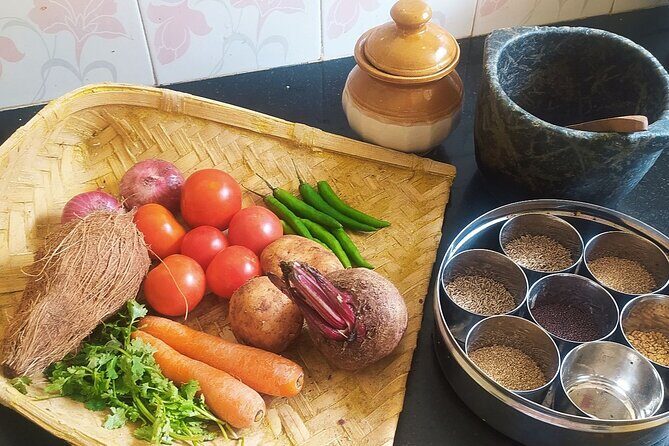
The class starts in Ramapuram, Chennai, and it ends back at the same meeting point. There’s no hotel pick-up included, so plan on getting yourself there by public transportation or on your own.
Timing is straightforward: it runs about 3 hours total, with the cooking part lasting about 1.5 hours. In practice, that means you’re not just watching someone cook for most of the time. You’ll do real prep and real cooking, then you’ll sit down for the meal you helped make.
Because there’s no long transfer time and it’s in a single home kitchen, you get a tighter experience. You’ll likely understand the steps better because you’re still in the middle of the process when you learn the final taste-and-adjust part.
What You Actually Cook: One Main Dish, One Side Dish
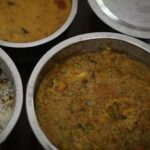
Here’s the heart of the experience: you learn to cook one main dish and one side dish. The exact dishes can shift depending on the season, but the structure stays consistent: chop, stir, fry, and build flavor step by step.
From the class examples associated with this experience, you may end up working with dishes like:
- kootu
- sambar
- poriyal
Those are classic South Indian vegetarian staples, and they teach you useful technique. Kootu and poriyal both reward patient cooking and attention to spice and texture. Sambar helps you understand a more tangy, lentil-and-vegetable flavor base and how to balance it.
The side dish is where you usually get the biggest lesson on texture. You’ll probably learn how to get vegetables tender without turning them into mush, and how to adjust seasoning so it matches the main dish instead of competing with it.
Medicinal Herbs in a Traditional Tamil Brahmin Kitchen
One of the most interesting parts is how Gayathri talks about medicinal herbs used in a traditional Tamil brahmin kitchen. The class doesn’t treat herbs like a magic ingredient. It places them in the context of everyday cooking and how traditional households think about wellness through food.
Why this matters for you: when you understand the role herbs play, you’re less likely to treat spice mixes as a vague punch list. Instead, you’ll start tasting differences more clearly. You’ll also be able to make smarter choices if you want to recreate something later and your local grocery store doesn’t have the exact same ingredient.
Also, don’t assume you need to memorize herbal lists. The value here is learning how tradition explains technique and flavor, not collecting trivia.
Traditional Vessels and Why They Change the Cooking
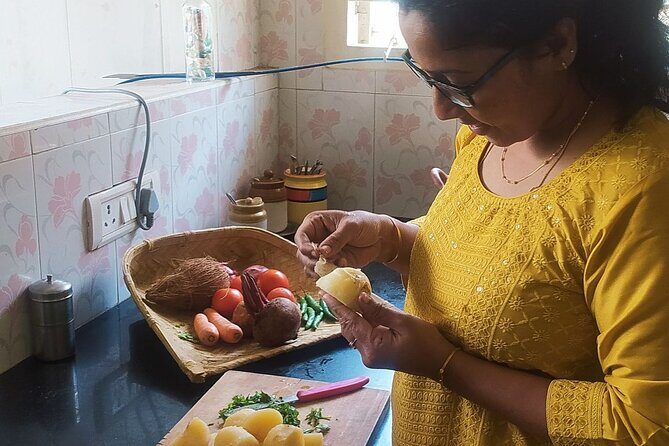
You’ll cook using traditional vessels, and which one you use may depend on the dish you’re making. The class specifically notes options like:
- kal chatti (soap stone vessel)
- eeya chombu (tin alloy vessel)
- mann chatti (terracotta vessel)
Even if you’re new to Indian cookware, this isn’t just for show. Different materials can handle heat and flavor differently, and cooks notice those differences. Expect the class to connect vessel choice with the way a dish develops in the pot: how it heats, how it holds heat, and how the cooking process affects texture and aroma.
If you like practical kitchen knowledge, this is a standout. You’ll walk away thinking about cooking as a system, not just recipes.
A few more Chennai tours and experiences worth a look
The Chutney Moment: Tomato-Onion, Stone-Ground Technique
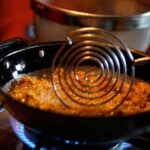
The tomato-onion chutney component is a big deal in a South Indian meal, and here you get the real method: using a traditional stone grinder.
This is the kind of detail that’s easy to skip on a busy trip, but it affects texture and taste. Stone-ground pastes tend to be smoother and more integrated than a quick blend, and that shows up in the final chutney consistency. The class also gives you a chance to practice chopping and managing ingredient ratios so you don’t end up with chutney that tastes good but looks wrong.
If you love eating with breads or sides at home, this is one of those skills that pays off fast. Once you learn the logic behind a chutney base, you can remix flavors later without starting from zero.
Seated on Banana Leaves: How the Meal Works
After cooking, you’ll sit down for a traditional vegetarian meal at Gayathri’s home. The format is part of the cultural lesson: you’ll eat seated on the floor from banana leaves, using your hands.
That can be a smooth experience if you’ve done Indian home-style meals before. If you haven’t, give yourself a small amount of mental preparation. Eating with your hands is not chaos once you understand the flow: you’ll combine bites of rice and dishes, then taste, then adjust with chutney.
This meal style also changes your relationship to the food. You’re not handling everything like a restaurant plate; you’re building bites intentionally. It’s slower, and you taste more nuance than you might in a fast lunch.
One more practical note: your menu may vary by season. So you’re coming for the cooking process and the cultural meal style, not chasing one exact dish you saw online.
Price and Value: What You’re Really Paying For
At $48 per person, this class is priced like a premium small experience, and the value comes from two things you can’t easily replicate on your own:
- Private instruction in someone’s home kitchen
- A structured way to learn two dishes plus chutney technique and herb context
A lot of cooking classes charge more for bigger groups or for a show-and-tell model. Here, you’re paying for time with your host and hands-on coaching for a meal you’ll actually eat in a traditional style.
Also, the all-vegetarian focus means everything is cohesive. You’re not paying for multiple cuisines; you’re getting a clear South Indian vegetarian education through a Tamil Brahmin lens. That focus usually makes your “skills per dollar” better, because the technique you learn lines up dish after dish.
Logistics You Should Know Before You Go
- No hotel pick-up. You’ll need to get to Ramapuram on your own.
- Mobile ticket. You’ll be checking in with your phone ticket.
- Private activity. Only your group participates.
- Seasonal menu. Expect some variation in what you cook.
- Allergies and preferences: you should advise at booking if anyone in your group has allergies or dietary restrictions.
And one more reality check: this is vegetarian-only. If your group wants meat or fish flavors, you’ll need to coordinate food options separately.
What to Ask When You Book (So the Class Fits Your Taste)
Because Gayathri can adjust the menu by season and because dietary needs matter, I’d message with specifics early. Helpful questions to ask:
- Are there any allergens I should know about based on the seasonal menu?
- Is there a particular spice level you can lean toward for our group?
- Do we have a preferred dish focus (for example, more lentil-based vs. more vegetable-forward)?
Also, if you’d rather turn the experience into a South Indian breakfast, Gayathri can offer options like dosa, sambar, and medu vada with coconut chutney and filter coffee. She only offers vegetarian food either way, but breakfast-style changes the flavor and texture mix of what you practice.
Who This Chennai Cooking Class Is Best For
This is ideal if you:
- want a hands-on Chennai experience rather than a restaurant tour
- like vegetarian South Indian cooking and want to learn why dishes work
- enjoy learning from a home cook with strong family roots in Thanjavur and Tamil Brahmin traditions
- want a meal you’ll remember because you made it and ate it the same way locals do
It may not be the best fit if you:
- don’t want to eat seated on the floor or use your hands
- need a fixed menu with no seasonal variation
- expect pick-up and drop-off service
FAQ
FAQ
What’s the duration of the cooking class?
It runs for about 3 hours total, with roughly 1.5 hours being hands-on cooking.
Is the activity private?
Yes. It’s a private, 100% personalized experience, and only your group participates.
What will I cook during the class?
You’ll learn to cook one main dish and one side dish, and the dishes may vary depending on the season.
Is the meal vegetarian?
Yes. Gayathri only offers a vegetarian meal as part of this experience.
Will I learn anything besides cooking dishes?
Yes. Gayathri teaches about medicinal herbs used in a traditional Tamil Brahmin kitchen, and you’ll also cook tomato-onion chutney using a traditional stone grinder.
What kind of meal format should I expect?
You’ll eat a traditional vegetarian meal seated on the floor, eating with your hands from banana leaves.
Are hotel pick-up and drop-off included?
No. Hotel pick-up and drop-off are not included. The class starts and ends back at Ramapuram, Chennai.
What if someone in my group has allergies or dietary restrictions?
Let Gayathri know at the time of booking so she can plan accordingly.
Should You Book This Chennai Cooking Class With Gayathri?
If you want a real-feeling South Indian meal made with your own hands, this is a strong pick. The biggest reasons are simple: private instruction, a clear cooking structure (one main + one side), and the small but meaningful details like stone-ground chutney and traditional cookware.
Book it if your group is comfortable with a floor-seated banana-leaf meal and vegetarian-only food. If you hate the idea of eating with your hands or you’re expecting hotel convenience, look for another option. But if you want practical cooking skills you can actually use later, Gayathri’s kitchen is the kind of experience that makes you feel like you learned something real, not just watched something cool.