REVIEW · CHENNAI
Georgetown heritage walking tour in Chennai about the founding of Chennai
Book on Viator →Operated by 5 Senses Walks Chennai · Bookable on Viator
A good walking tour can do two things fast: teach you and pace you. This one strings together George Town’s founding story with real landmarks, from the East India Company’s first fortress to churches and a court tied to WWI.
I especially like the way the walk stays organized and human-sized, with a small group and pickup help if you need it. The second big win for me is the storytelling focus on how this port neighborhood grew into an international trading zone.
The one thing to watch is the museum time at Fort St. George. If you prefer street-level history over indoor exhibits, you may want to plan for that and keep your expectations flexible.
In This Review
- Key highlights I’d circle before you go
- Why George Town is the best starting point for Chennai’s origins
- Price, duration, and group size that actually make sense
- Meeting at Chennai Port: get your bearings, then start strong
- Fort St. George and its museum: the East India Company beginning
- What you’ll get
- One caution
- St. Mary’s Church: oldest Anglican roots, with the Last Supper focus
- Why this stop matters
- George Town’s old lighthouses: trade routes made visible
- How to enjoy this part
- Dare House #234: Art Deco style meets merchant power
- The payoff for bookish history fans
- Madras High Court: from a royal decree to WWI tensions
- How to get the most from this part
- Armenian Church: refugees, trade, and a living legacy in the streets
- Why this feels different from the rest of the route
- How to plan your 3-hour walk (and not hate it)
- Who this George Town founding tour suits best
- Should you book this tour of Chennai’s George Town?
- FAQ
- How long is the Georgetown heritage walking tour in Chennai?
- What does the tour cost?
- How large is the group?
- Is pickup offered?
- Where is the meeting point?
- What are the main stops on the walk?
- Is the museum admission included?
- Do I get a mobile ticket?
- What if the weather is bad?
- What is the cancellation policy?
Key highlights I’d circle before you go
- Small group feel (max 15) for easier questions and a calmer pace
- Fort St. George Museum included so the East India Company story isn’t just a label
- Free church and street stops that let you slow down without extra ticket friction
- Madras High Court WWI narration tied to 1914 events and German attacks
- Armenian Church context for trade routes involving silk, spices, and gems
- Good English guidance that makes the complicated parts understandable
Why George Town is the best starting point for Chennai’s origins
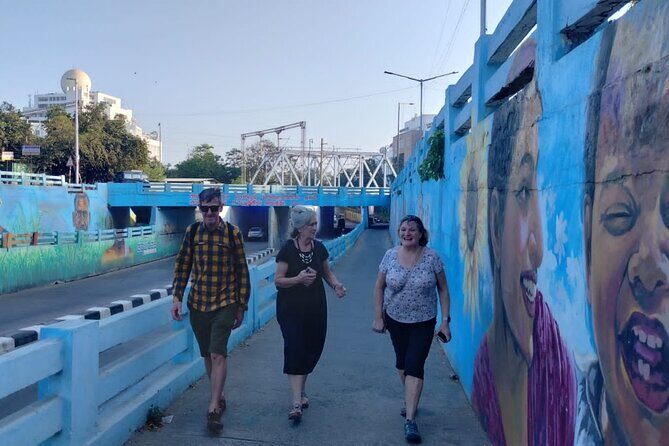
George Town is where Chennai’s story begins to look like a global movie set. You’re walking through a port neighborhood tied to merchants, shipping, and the English settlement that took root in the 1600s. And unlike places that just have a plaque and a photo spot, this area connects institutions to the people who ran the trade and power systems.
What I like most is that the tour doesn’t treat history like wallpaper. You connect events to buildings: a fortress at the start, a church for Anglican life, trading spots connected to lighthouses, and later the High Court showing how colonial-era authority morphed into governance. You’ll finish with a clearer sense of why this part of Chennai became a hub in the first place.
You can also read our reviews of more walking tours in Chennai

Price, duration, and group size that actually make sense
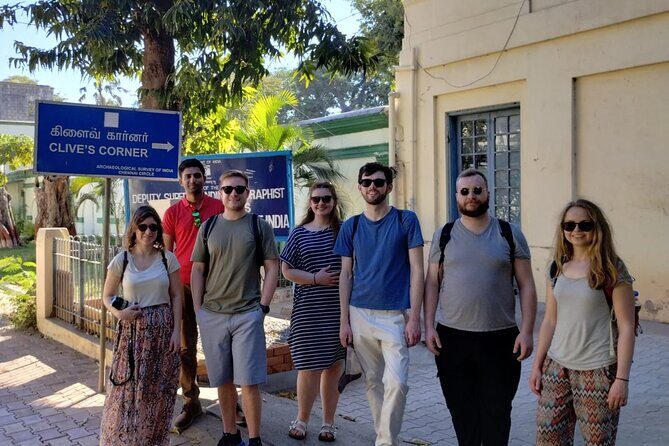
At $50 per person for about 3 hours, this tour sits in the mid-range for a guided walk in a major city. The value comes from two things: you get a structured route through several major sites, and you’re capped at 15 people. That cap matters. It means less waiting, fewer people blocking photos, and a better chance to ask your guide to repeat or clarify something.
There’s also pickup offered, plus a mobile ticket option. If you’re trying to fit this into a busy Chennai day, those details help you spend less time figuring out logistics and more time walking.
One more practical note: this kind of tour tends to book ahead. The listing info I saw suggests an average booking window of about 10 days. If you’re visiting during a busier season or on a tight schedule, try not to leave it to the last minute.
Meeting at Chennai Port: get your bearings, then start strong
You’ll meet at CHENNAI PORT 37MV+M95, Chennai Port Trust, Chennai, Tamil Nadu 600001. That location is a smart choice because it anchors the whole theme immediately: you’re starting where the port world mattered.
From there, the walk keeps moving toward Fort St. George, so the first stop does a lot of heavy lifting. If you’re the type who likes to understand the system before you wander, you’re in the right place. If you’d rather start with churches or street texture, you’ll still get your dose of that soon enough.
Plan for a few blocks of walking and some uneven city surfaces. The tour runs about three hours, so wear comfortable shoes you’ll be happy in for multiple hours, not just a quick stroll.
Fort St. George and its museum: the East India Company beginning

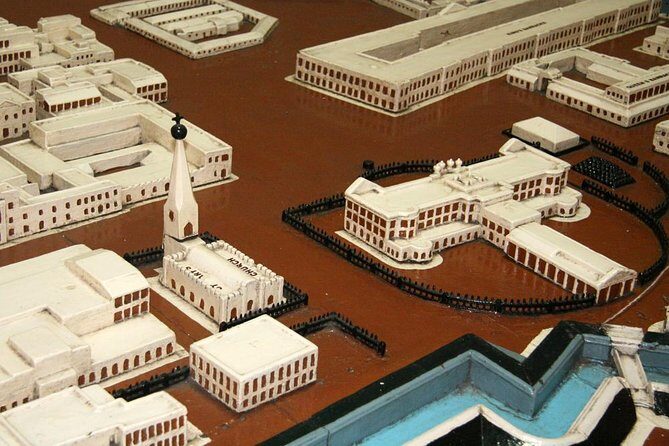
Your first major stop is Fort St. George, the first English fortress built in 1644 by the East India Company. It’s one of those places where you can feel the shift from trading posts to organized power.
Inside, you’ll visit the museum with admission included, and it’s focused on how the British came to dominate India. That’s not a small topic, so the guide’s job is to keep it understandable. In the route I experienced in my notes, the guide’s English was a standout, and Kannan was specifically praised for taking people through the historic buildings at a good pace.
What you’ll get
You’ll see the fort grounds and go into the museum, where the story is explained in a way that connects the fortress to bigger political changes. It’s a useful start because it gives you a framework for the rest of the walk.
You can also read our reviews of more historical tours in Chennai
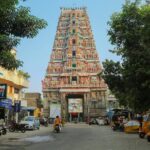


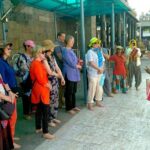

One caution
If you’re museum-burned that day, expect this to be the most “indoors” portion of the tour. One person noted they would have preferred less museum time. I’d treat that as a heads-up: if you like history but hate exhibit pacing, be prepared to keep your attention up during that part.
St. Mary’s Church: oldest Anglican roots, with the Last Supper focus
Next you head to St Mary’s Church, described as the oldest Anglican Church of India. Admission is free here, which is always a plus when you want to keep your day flexible.
The stop also highlights the Last Supper, so it’s not only about architecture. It’s a chance to connect the Anglican religious tradition to how English presence showed up in daily life.
Why this stop matters
Port cities mix commerce and culture. A church stop helps you see the community side of the English settlement, not just the military or administrative side. You’ll likely find this more meaningful if you pay attention to symbols and how the guide connects them to people living in the area.
George Town’s old lighthouses: trade routes made visible
After the church, the tour moves into the broader George Town area and points you toward the site of old lighthouses that were functional during East India Company times.
This is one of those stops where the best part is the narration. The physical remains may not scream for attention the way a fortress does, but the explanation can turn a regular street scene into a map of the sea world that once ran the show.
How to enjoy this part
Keep an eye out for the way the guide links the port function to what you’re seeing around you. If you’re the kind of person who likes “why is this here” questions, this stop usually clicks quickly.
Admission is free at this point, so it’s low-cost and low-pressure. It fits well if you want the tour to feel like more than just ticketed attractions.
Dare House #234: Art Deco style meets merchant power
Your next named stop is Dare House #234, an art deco building with a history tied to trade and big-company headquarters.
Here’s the detail that makes it more than just a pretty facade: it served as headquarters for Parrys company, named after Thomas Parry, described as a Welsh free merchant of Chennai. That kind of origin story helps you understand why corporate buildings became landmarks during the colonial and trading era.
The payoff for bookish history fans
If you like tracing how merchants became institutional power, this stop rewards attention. You’re seeing the built environment of business, not just the official government spaces. It’s also free here, which means you can focus on the explanation without thinking about time and ticket logistics.
Madras High Court: from a royal decree to WWI tensions
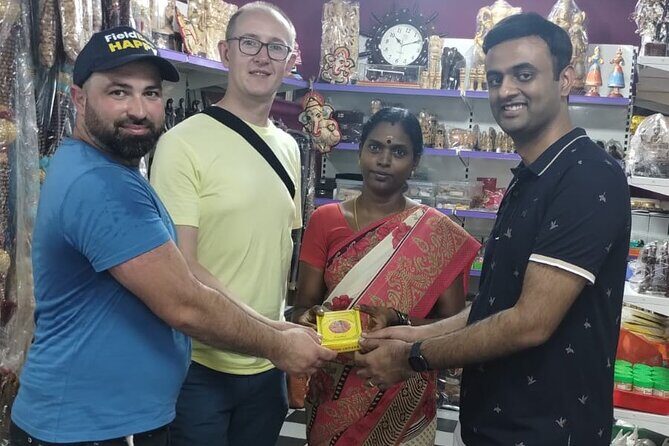
The next major site is Madras High Court. It was set up in 1862 by a decree from Queen Victoria, and today it serves the state of Tamil Nadu.
The guide then narrates events from 1914 during World War I, when the building was attacked by Germans. That’s a sharp turn from “colonial founding” to “global conflict reaching local institutions.” You can see how international politics didn’t stay overseas; it hit the architecture and the law.
Admission is included at this stop, so you’re paying for access plus the guided context, not just a quick look from outside.
How to get the most from this part
Listen for the timeline the guide creates between the decree, the court’s role, and the WWI moment. Even if you don’t know the specifics of the conflict ahead of time, the tour framework makes it easier to follow.
Armenian Church: refugees, trade, and a living legacy in the streets
The last set of stops leans hard into community history. You pass the street where Armenian refugees set up trade for silk, spices, and gems about 300 years ago, and then you visit the Armenian Church.
Admission is included here, and this stop is described as a unique experience. Even if you aren’t religious, it’s still a compelling way to understand how displacement and commerce can shape a neighborhood for centuries.
Why this feels different from the rest of the route
Fort St. George is about power. The High Court is about law. St Mary’s is about Anglican roots. The Armenian segment brings it closer to everyday life: traders, refugees, and the goods that moved through port networks.
If you want Chennai’s founding story to feel human—less abstract, more lived—this is the stop that often does it.
How to plan your 3-hour walk (and not hate it)
This tour is designed to move at an active walking pace, with stops timed roughly at a few short segments and a couple of longer indoor moments. A total of about three hours is a realistic target if you don’t linger too long on every photo.
Wear comfortable shoes. Chennai sidewalks and crossings can be unpredictable, and you don’t want your feet calling the shots before your mind does.
The route also has a good weather requirement. If it’s raining or conditions are poor, the tour may be canceled, and you’ll be offered a different date or a full refund. Check conditions on the day and keep your schedule flexible enough to handle a change.
Who this George Town founding tour suits best
This is a great fit for you if:
- you enjoy history that’s tied to buildings, not just dates
- you like learning the story behind a port neighborhood’s rise
- you want a small-group pace where you can ask questions
- you’re comfortable with a mix of outdoor streets and a museum visit
If you only want one kind of history—say, purely religious sites or purely government architecture—this tour still works, but you’ll probably enjoy it most if you’re willing to let the story shift gears.
Should you book this tour of Chennai’s George Town?
I think you should book if your goal is to understand how Chennai’s early English settlement shaped a commercial port district. The route connects major landmarks in a way that gives you a timeline you can hold onto: 1644 at Fort St. George, church presence, trading signals around the old lighthouses, merchant power at Parrys-related buildings, law and WWI tensions at the High Court, and refugee trade history at the Armenian Church.
It’s also hard to ignore the satisfaction indicators: the tour is rated 4.9 with a very high recommendation rate, and the strongest praise centers on the guide’s clear English and smooth pacing. The one complaint worth listening to is museum time, so if that worries you, plan to take notes on the street-level context between indoor stops.
If you want a guided walk that gives you context fast and keeps you moving, this is a solid choice.
FAQ
How long is the Georgetown heritage walking tour in Chennai?
It’s about 3 hours (approx.).
What does the tour cost?
The price is $50.00 per person.
How large is the group?
The tour has a maximum of 15 travelers.
Is pickup offered?
Yes, pickup is offered.
Where is the meeting point?
The start point is CHENNAI PORT 37MV+M95, Chennai Port Trust, Chennai, Tamil Nadu 600001.
What are the main stops on the walk?
You’ll visit Fort St. George, St Mary’s Church, George Town, Dare House #234, Madras High Court, and the Armenian Church.
Is the museum admission included?
Admission is included at Fort St. George and Madras High Court, and also included for the Armenian Church stop. The other listed stops (St Mary’s Church, George Town area, and Dare House #234) are free.
Do I get a mobile ticket?
Yes, the tour includes a mobile ticket.
What if the weather is bad?
The tour requires good weather. If it’s canceled due to poor weather, you’ll be offered a different date or a full refund.
What is the cancellation policy?
You can cancel for free up to 24 hours in advance for a full refund. Less than 24 hours before start time isn’t refunded.