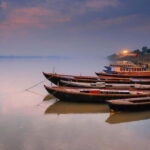
Varanasi wakes up with your sunrise boat ride. This private 10-hour day stacks the big signatures: a sunrise Ganges cruise, temple-and-ghat wandering, Sarnath’s Buddhist sites, and the evening Ganga Aarti by expert local guidance. You start early with pickup at your location, then follow the river and the stories it carries from morning light to night ritual.
I especially like two things about how this tour is set up. First, you get an English-speaking guide who helps you connect what you’re seeing with local customs and meaning. Second, the private format with breakfast plus hotel pickup keeps things smooth when you’re trying to cover a lot without wasting time.
One thing to plan around: it’s a long, full schedule, and lunch plus monument entrance tickets are not included. Also, the day relies on good weather for the boat ride and the outdoor Aarti, so keep a little flexibility in mind.
In This Review
- Key Highlights You’ll Care About
- Sunrise Pickup at 6:00 am: Getting the Logistics Right
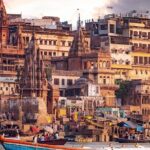
- On the Ganges by Boat: Temples and Daily Life From the Water
- Varanasi Temples and a Walking Tour That Helps You Read the City
- BHU (Banaras Hindu University): A Campus With Real Scale
- Durga (Monkey) Temple: Shakti, Style, and Sacred Energy Up Close
- Sarnath After Lunch: Buddhist Sites in a Tight, Meaningful Loop
- The Big Evening Moment: Dashashwamedh Ghat Aarti Ceremony
- Price and Value: What $53 Covers and What It Doesn’t
- Who This Private Tour Fits Best
- Small Practical Tips That Make the Day Easier
- Should You Book This Varanasi Private Holi Tour?
- FAQ
- FAQ
- What time does the tour start?
- How long is the Private Holi Tour of Varanasi?
- Is pickup included?
- What is included in the tour besides sightseeing?
- Are monument entrance tickets included?
- Is lunch included?
- Does the itinerary include a boat ride on the Ganges?
- Will I see the Ganga Aarti ceremony?
- What if the weather is bad?
Key Highlights You’ll Care About
- Sunrise boat ride on the Ganges to see temples and daily life from the water
- Dashashwamedh Ghat Aarti ceremony with priests, mantras, and instruments
- BHU (Banaras Hindu University) on a real campus, not just a quick photo stop
- Durga (Monkey) Temple in a very “lived-in” spiritual neighborhood
- Sarnath monuments in one run: Dhamek, Chaukhandi, museum, and Mulagandha Kuti Vihar
Sunrise Pickup at 6:00 am: Getting the Logistics Right
This tour starts early—meeting at 6:00 am—because Varanasi is at its most watchable early in the day. Pickup is offered from inside Varanasi at your hotel, or from the train station or airport. From there, you ride in a private air-conditioned vehicle, which matters in India when the day heats up fast.
You’ll also have breakfast included, which is a practical plus for a morning that begins before most places are fully open. I like this format for first-timers: it gets you moving while you still have energy, then you slow down with the right rhythm later.
The private setup is another value point. It’s only your group, so your guide can pace the day for your comfort, and you’re not stuck matching the tempo of strangers who may not want the same level of questions.
You can also read our reviews of more boat tours in Varanasi

On the Ganges by Boat: Temples and Daily Life From the Water
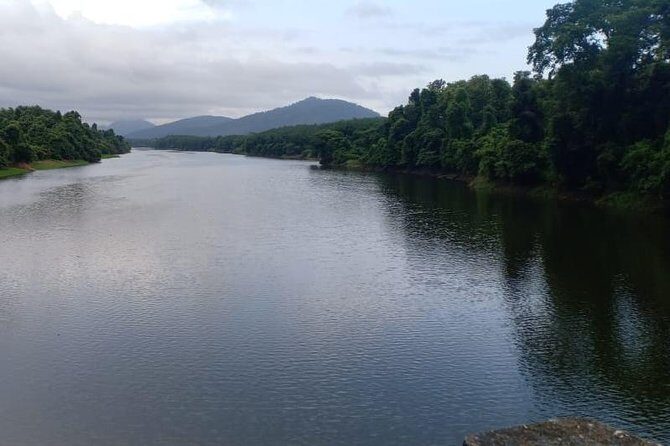
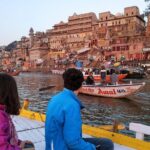
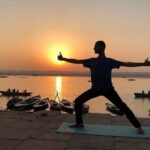
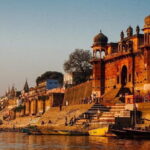
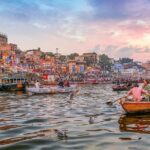
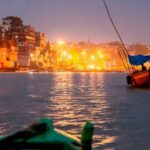
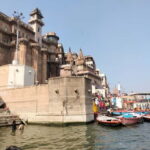
The day’s star is the sunrise boat ride across the Ganges. Instead of viewing the river only from the crowded ghats, you get a moving vantage point. That changes everything. You’ll see the line of temples along the river, plus everyday moments that are hard to catch from shore.
This is also where your guide earns their keep. You’re not just passing scenery—you’re learning how Hindu practice shows up along the river: the flow of devotees, the sacred logic of the ghats, and why the river feels like both a physical place and a spiritual one.
Practical note: boat days can be weather-sensitive. If the weather is poor, the experience may be canceled and you’ll be offered another date or a full refund, so don’t book this as a “can’t change anything” day.
For comfort, bring a light layer even in warmer months, and plan for sun once you’re back on land. A hat and sunglasses help a lot, and closed-toe shoes are smart if you’ll do walking on ghats.
Varanasi Temples and a Walking Tour That Helps You Read the City
After the cruise, the plan includes walking tour of Varanasi and time to visit temples along the river. This is the kind of walking that’s not about exercise—it’s about orientation. You start to understand how the city is stitched together: the ghats, temple access, narrow lanes, and the way people move between sacred stops and everyday life.
This is also where you’ll appreciate a guide who can explain what you’re seeing without turning it into a lecture. The best moments are when you’re standing in front of something and the guide connects the dots—why it’s there, what it’s used for, and what locals pay attention to.
If you’re hoping for free time to browse shops, this itinerary is built for touring rather than lingering. That doesn’t make it worse—it just means you should think of it as a “get the essentials with meaning” day.
BHU (Banaras Hindu University): A Campus With Real Scale
Next up is Banaras Hindu University (BHU). It’s not a random building stop. BHU is a major academic hub in Varanasi, established in 1916 by Madan Mohan Malaviya, and it has over 30,000 students residing on campus. That “living campus” energy matters.
Instead of only seeing religious structures, you’re also experiencing a side of Varanasi that’s tied to education and youth culture. If you’ve been thinking of Varanasi only as temples and rivers, BHU gives you a broader view of how the city functions.
This is also a good pause in your day. You’re moving from spiritual spaces into a different kind of landmark—still meaningful, but with a different tempo. Expect a focused visit rather than hours of exploration, since the tour keeps moving toward the next stops.
Durga (Monkey) Temple: Shakti, Style, and Sacred Energy Up Close
Then comes the Durga (Monkey) Temple, also known as the Monkey Temple. The dedication is to Durga—the terrifying aspect of Shiva’s consort Parvati—and the embodiment of Shakti, divine feminine energy. Even if you’re not fluent in the theology, you’ll feel the intensity of the place.
You’ll also learn what makes its architecture distinctive. The temple is built in a typical north Indian style, with an ornate shikhara in five segments, symbolizing the elements.
What I like about this stop is the way it shows devotion as something physical and immediate. It’s not only about big ceremonies. It’s about how people come, look, pray, and live near the sacred.
Because this is a well-known temple area, wear shoes you’re comfortable walking in and keep your camera ready—but follow local cues about where photography is welcomed and where it isn’t.
You can also read our reviews of more guided tours in Varanasi
Sarnath After Lunch: Buddhist Sites in a Tight, Meaningful Loop
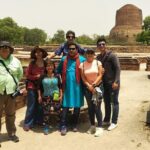
After lunch, you head to Sarnath, about 10 kilometers from Varanasi. The location is special: it sits near the confluence of the Ganges and Varuna rivers, and it’s tied to early Buddhist teaching and the start of the Buddhist sangha (community).
This part of the day is built for efficient sightseeing without feeling like a checklist.
Here’s what you’ll see in the Sarnath run:
- Dhamek Stupa: a major stupa tied to the religious geography of early Buddhism
- Chaukhandi Stupa: an important stupa in the wider Sarnath complex
- Sarnath Museum: the oldest site museum of the Archaeological Survey of India, showing findings from excavations at Sarnath
- Mulagandha Kuti Vihar: a modern temple with frescoes by Japanese artist Kosetsu Nosu, plus connection to the ancient Mulagandha Kuti Temple ruins
Why this loop works: you’re not just looking at one monument. You’re seeing layers—stupas that mark belief and history, plus a museum that explains what archaeologists uncovered.
One practical consideration: the tour schedule places these visits into a 1-hour block per stop. That’s great for keeping momentum, but if you’re the type who likes to sit and absorb slowly, you might feel slightly rushed. If you want extra time in museums or for quiet reflection, pair this with a longer standalone visit later.
The Big Evening Moment: Dashashwamedh Ghat Aarti Ceremony
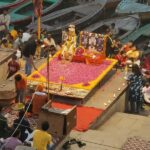
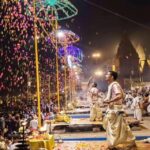
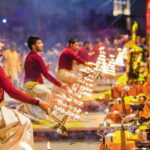
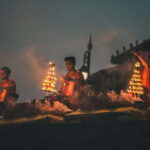
The evening highlight is the grand Aarti ceremony on the banks of the Ganges at Dashashwamedh Ghat. This is where the tour gives you Varanasi’s most famous ritual experience: multiple priests performing the ceremony while you hear a blended sound of Sanskrit mantras, drums, bells, and cymbals.
It’s a powerful sensory mix. The river adds movement and scale, and the ritual creates a kind of emotional rhythm—people watch, listen, and participate through attention even if they’re not performing.
This is also an “experience match” moment. If you come to Varanasi for ceremonies, this is the stop you’ll remember most. If you prefer quiet sightseeing over crowds and chanting, this might be intense. Either way, having a guide helps you understand what you’re seeing so it doesn’t feel random.
For comfort, plan for evening weather changes and bring what you need to stay comfortable during outdoor time.
Price and Value: What $53 Covers and What It Doesn’t
At $53 per person, this tour is priced to be value-packed for a private day. What you get is a lot for the money:
- private air-conditioned vehicle
- English-speaking guide
- sunrise boat ride on the Ganges
- walking tour
- breakfast included
- pickup from hotel/train station/airport
- taxes
- the listed sightseeing stops within the schedule
What’s not included is important to budget:
- lunch (so you’ll need to plan for food costs)
- alcohol and dinner
- tips
- monument entrance tickets (many stops are marked as not included)
So the real value question isn’t just the base price. It’s whether you’re okay covering lunch and any entry fees separately. If you want a one-price, everything-included day, this may feel incomplete. If you’re fine handling a few extras, you’re getting a well-structured, private, full-coverage day for the cost.
Who This Private Tour Fits Best
This is a smart pick if:
- you have limited time in Varanasi but want the major spiritual and historical highlights
- you want a guide-led day with less guesswork
- you like seeing both sides of Varanasi: river faith in the morning and famous ritual at night, plus Sarnath’s Buddhist heritage
- you prefer private pacing over group tourism
It may not be the best match if:
- you want lots of free wandering time on your own
- you dislike long days (it’s roughly 10 hours)
- you’re traveling with a tight schedule where weather changes would be a problem
Small Practical Tips That Make the Day Easier
A few things will make this tour smoother without adding hassle:
- Wear comfortable shoes for ghats and walking segments.
- Bring sun protection for the morning boat ride and temple areas.
- Have a simple plan for lunch since it isn’t included.
- Bring small cash for any entrance tickets you might need.
- Keep expectations realistic: the tour moves, so focus on experiences that matter to you (boat ride, Aarti, Sarnath sites) rather than trying to photograph everything.
If you want the most out of the day, ask your guide to explain what you’re seeing right when you arrive at each stop. That’s when the context lands best.
Should You Book This Varanasi Private Holi Tour?
If your goal is a high-impact Varanasi day—sunrise on the Ganges, major religious stops, Sarnath’s Buddhist monuments, and the evening Aarti—this tour is a strong booking choice. The biggest strength is the way it packs key highlights into one guided day while keeping logistics simple with pickup, a private AC vehicle, and breakfast.
I’d book it if you want structure and meaning, not just movement. I’d think twice if you’re planning around a weather-sensitive schedule or if you hate paying separate entrance fees and lunch.
FAQ
FAQ
What time does the tour start?
The tour start time is 6:00 am.
How long is the Private Holi Tour of Varanasi?
The duration is approximately 10 hours.
Is pickup included?
Yes. Pickup is offered from within Varanasi, including your hotel, train station, or airport.
What is included in the tour besides sightseeing?
The tour includes a sunrise boat ride on the Ganges, a walking tour of Varanasi, breakfast, an English-speaking guide, and a private air-conditioned vehicle.
Are monument entrance tickets included?
No. Monument entrance tickets are not included.
Is lunch included?
Lunch is not included.
Does the itinerary include a boat ride on the Ganges?
Yes. You’ll enjoy a boat ride across the Ganges as part of the sunrise experience.
Will I see the Ganga Aarti ceremony?
Yes. The tour includes the grand Aarti ceremony at the banks of the River Ganges.
What if the weather is bad?
The experience requires good weather. If it’s canceled due to poor weather, you’ll be offered a different date or a full refund.