REVIEW · CHENNAI
Chennai day trip to Kanchipuram & Mahabalipuram
Book on Viator →Operated by Five Senses Tours · Bookable on Viator
Morning temples beat the city rush. This private Chennai day trip links Kanchipuram’s early Dravidian giants with Mahabalipuram’s sea-view stone monuments, guided by someone who can translate what you’re seeing. I love the chance to learn key details like Ekambareswarar Temple dating back to 600 AD and the Thousand Pillars corridor, and I also love that lunch and round-trip hotel transfers keep the day moving. The main drawback is the early 7:00 am start and a long day overall, so you’ll want real stamina.
You’ll cover a lot—temples, a silk sari weaving stop, then Mahabalipuram’s UNESCO-recognized ruins and monuments—so the value here is less about ticking boxes and more about having a guide to connect the dots. If you prefer slow travel, or you hate driving and walking in the morning heat, you may find the pacing a bit intense.
In This Review
- Key highlights worth planning for
- A 7:00 am start that keeps you ahead of the crowds
- Kanchipuram temples: Ekambareswarar, Kailasanathar, and the Thousand Pillars
- Ekambareswarar Temple: the 600 AD centerpiece
- Kailasanathar Temple: close enough to compare
- The weaving stop: watching silk sari craftsmanship up close
- Mahabalipuram by the sea: UNESCO monuments with open-air breathing room
- How to pace yourself in Mahabalipuram
- Private guide + transfers: why this matters in a 12-hour day
- Price and value: what $170 buys you (and what it doesn’t)
- Practical tips for a smoother temple-and-ruins day
- Pack for a hot-weather, stone-floor day
- Plan your photo strategy
- Temple etiquette basics
- Don’t skip the in-between moments
- Should you book this Chennai day trip to Kanchipuram and Mahabalipuram?
- FAQ
- What time does the tour start?
- How long is the day trip?
- Is hotel pickup and drop-off included?
- What about lunch during the tour?
- Is this tour private?
- Does the tour include a mobile ticket?
- What is the cancellation policy?
- Is good weather required?
Key highlights worth planning for
- Ekambareswarar Temple (600 AD) with 1,008 Shiva lingams and a famous long-lived mango tree
- Thousand Pillars corridor tied to the Vijayanagar era, turning a temple hallway into a photo magnet
- Kailasanathar Temple nearby, only slightly younger and great for comparing styles and dates
- Silk sari weaver visit in Kanchipuram, adding everyday craft to big-stone sightseeing
- Mahabalipuram by the sea UNESCO-recognized monuments and ruins in an open, atmospheric setting
A 7:00 am start that keeps you ahead of the crowds
Your day begins at 7:00 am, which sounds early until you’re actually moving through traffic before the temples feel packed. The timing matters because Kanchipuram and Mahabalipuram aren’t just “places”—they’re working regions where it helps to arrive when light and crowds are kinder.
Because your tour includes round-trip transfers from your Chennai hotel, you’re not burning time figuring out routes or negotiating transport. It also means you can focus on the sights instead of logistics. The tradeoff is simple: you’ll be out for about 12 hours, so plan for a full day of walking, standing, and temple steps.
If you’re the type who likes to be flexible, this setup fits well. A private tour means you’re not stuck with a rigid pace, even though the big-ticket stops still shape the day.
A few more Chennai tours and experiences worth a look

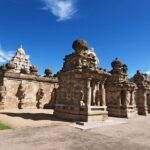

Kanchipuram temples: Ekambareswarar, Kailasanathar, and the Thousand Pillars

Kanchipuram is often described as a temple town, but what makes it special is how layered the stone feels. This part of the day is about turning those layers into a story you can actually follow.
Ekambareswarar Temple: the 600 AD centerpiece
Ekambareswarar Temple dates to 600 AD and is one of the area’s most impressive examples of Dravidian architecture. What I like about this stop is that it’s not just a pretty façade moment. Your guide can point out details that would be easy to miss if you walked in cold.
A few standouts to keep on your radar:
- The Thousand Pillars corridor, connected to the Vijayanagar Kings, is a wow zone where a hallway becomes part of the spectacle.
- The inner walls are decorated with 1,008 Siva lingams. That number isn’t just trivia—it helps you understand the kind of devotional focus the temple design carries.
- A highlight is a 3,500-year-old mango tree with branches said to yield four different types of mangoes. It’s the kind of detail that makes the site feel alive, not frozen in stone.
If you enjoy architecture, symbolism, and “how did they build this” thinking, this is the reason the day is worth doing.
Kailasanathar Temple: close enough to compare
After Ekambareswarar, you visit Kailasanathar Temple, described as only slightly younger. That’s useful because you can compare what changes between sites over time—materials, layout choices, and how later influences appear.
Even if temples aren’t your main interest, this pairing works because it gives you a quick sense of continuity. You’re not just collecting unrelated monuments; you’re seeing how a region’s style evolves.
Practical heads-up: temple visits can involve uneven flooring and steps. Wear shoes you trust, and give yourself time to look up and sideways, not only forward.
The weaving stop: watching silk sari craftsmanship up close
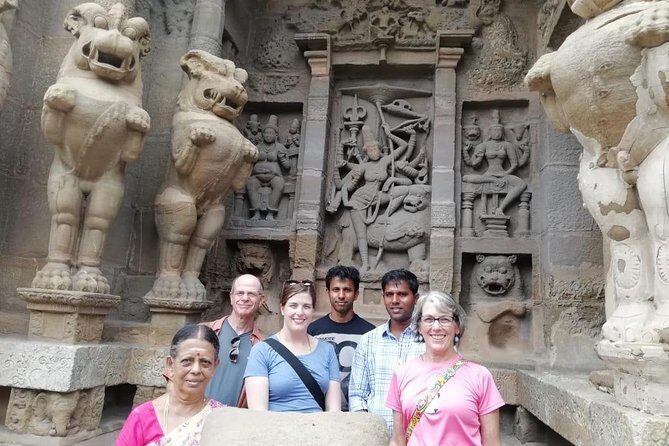
Between major stone sites, you’ll also meet a silk sari weaver in Kanchipuram. I like this break because it changes the texture of the day. One minute you’re inside massive historical architecture; the next you’re looking at craft that still matters today.
This is also where the trip becomes more than just monuments-on-a-map. Seeing a silk process (even at a visitor-friendly level) helps you understand why Kanchipuram is known for textiles. You’re connecting history to the present, instead of treating the past like museum-only content.
If you’re short on patience for demonstrations, you can still use this stop well by focusing on two questions: What’s the process? and What makes the material distinct? Your guide can usually add context, and even a brief visit can be more memorable than another quick market pass.


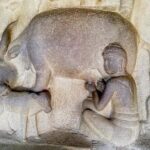



Mahabalipuram by the sea: UNESCO monuments with open-air breathing room
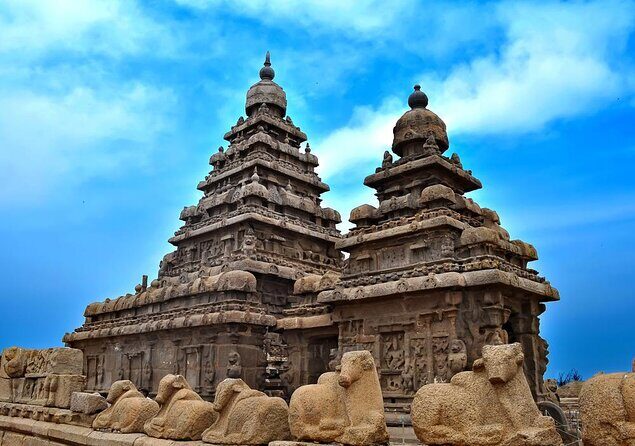
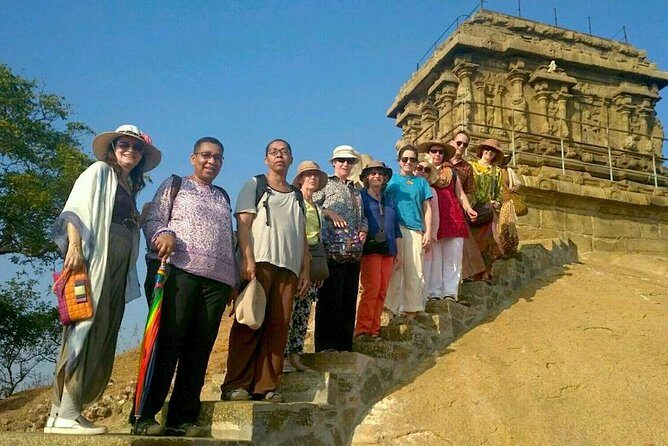
After Kanchipuram, your tour continues to Mahabalipuram, a UNESCO-recognized town known for a collection of ancient monuments and ruins. This part of the day feels different right away because the setting is more open, and the sea presence gives the stones a different mood.
You’re exploring a “fantastically preserved” set of monuments and ruins overlooking the sea. That phrase is useful for your expectations: you’re not just looking at isolated ruins; you’re walking through a preserved historical landscape where the preservation actually lets you read the structures.
This is also a good portion for photos, but it’s worth balancing picture-taking with slow looking. The strongest moments come when you let your eyes adjust to patterns—carvings, column rhythms, and how the coastline shapes the visual experience.
How to pace yourself in Mahabalipuram
Because this is one long day, you’ll want to treat Mahabalipuram like the finale that deserves attention. Try not to rush through just for coverage. If your guide is marking specific features, follow their cue and spend a little extra time at the spots that match the explanation.
Also, bring a light plan for weather. The tour requires good weather, and if conditions aren’t right, you’ll be offered a different date or a full refund.
Private guide + transfers: why this matters in a 12-hour day
This is a private tour, so it’s only your group, and that changes the experience immediately. You’re not stuck listening to the same facts over a loudspeaker while someone else’s questions hijack the flow. Your guide can tailor pacing, and you’re more likely to get the “why this mattered” answers that turn stone and carvings into meaning.
Two guides’ names come up in the background of this company’s work: Kannan and Vijay. In the kind of trips they lead, the theme is consistent: they explain the monuments clearly and can adjust to what you want to see. That kind of flexibility is exactly what makes a day trip feel less like a schedule and more like a guided walk.
The included pickup and drop-off from your Chennai hotel is another big value driver. In practice, it reduces friction. You spend your energy on the sites instead of navigating the city, and that matters when the day is only about 12 hours long.
Price and value: what $170 buys you (and what it doesn’t)
At $170, this tour isn’t the cheapest way to do temples—but it’s also not priced like a luxury-only experience. The money is mostly paying for three things that are hard to replicate on your own:
- A private guide who can translate historical and architectural details
- Round-trip transport built around a full day
- Lunch included, which helps keep your schedule intact
When you compare it to cobbling together separate transport and guides, the value starts to make sense. And because it’s a group format with group discounts, it can get even better if you’re traveling with friends or in a small party.
What it doesn’t give you is unlimited time. This is still a fast, structured day. If you want hours and hours per temple—or if you hate early mornings—then the price won’t fix the pacing.
Practical tips for a smoother temple-and-ruins day
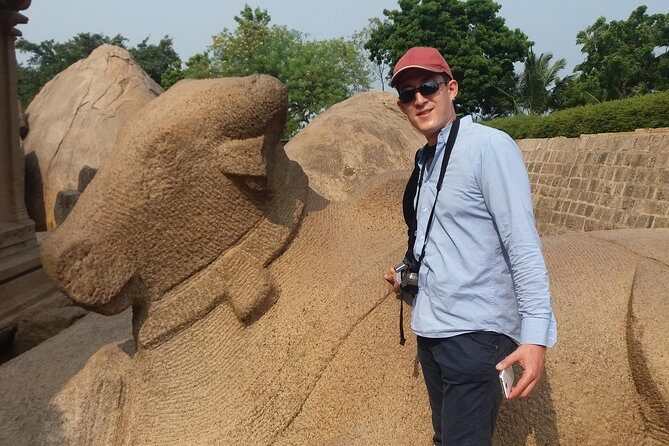
Here’s how to make the most of the day without turning it into a logistics stress test.
Pack for a hot-weather, stone-floor day
Even though specific weather isn’t listed, Chennai region sightseeing often means sun and heat. Keep it simple:
- Wear breathable clothes you can stand in
- Use sunscreen and carry water
- Wear shoes that handle uneven ground
Plan your photo strategy
You’ll see a lot. The trick is to take fewer, better photos. For example, in the Thousand Pillars corridor, early angles can look totally different from later ones once light shifts. Give yourself time to look, then frame.
Temple etiquette basics
You’ll be in active religious spaces. Dress modestly and be ready for signs or guidance from your guide or site staff. If you’re unsure, ask your guide—private time makes that easy.
Don’t skip the in-between moments
The silk weaver stop is brief compared to the temple monuments, but it’s often the part that makes the day feel human and current. I’d treat it like a real stop, not a quick side activity.
Should you book this Chennai day trip to Kanchipuram and Mahabalipuram?
I’d book it if you want a structured day that still feels flexible, and you care about understanding what you’re seeing. The pairing works well: Kanchipuram delivers the heavier, older temple focus (with the standout Ekambareswarar details), and Mahabalipuram adds the coastal atmosphere and UNESCO-recognized ruins.
I’d skip or reconsider if:
- You know you’ll struggle with a 7:00 am start and 12-hour pacing
- You prefer totally independent travel and don’t want a guide
- Your idea of a great day is more slow wandering than site-to-site coverage
One more quick decision check: if you’re worried about weather, this tour does require good weather, so keep an eye on day-of conditions. The upside is that the experience plan includes a weather safeguard through a date change or full refund.
If that timing and pace fit your style, this is a strong way to get two of South India’s most meaningful heritage areas in one day—without turning your trip into a transport puzzle.
FAQ
What time does the tour start?
The tour starts at 7:00 am.
How long is the day trip?
It runs for approximately 12 hours.
Is hotel pickup and drop-off included?
Yes. Round-trip transfers from your Chennai hotel are included.
What about lunch during the tour?
Lunch is provided at no extra cost.
Is this tour private?
Yes. It’s a private tour/activity, so only your group participates.
Does the tour include a mobile ticket?
Yes. A mobile ticket is included.
What is the cancellation policy?
There is free cancellation if you cancel up to 24 hours in advance of the experience’s start time, with the timing based on local time. If canceled less than 24 hours before, the amount paid is not refunded. If the tour is canceled due to poor weather, you’ll be offered a different date or a full refund.
Is good weather required?
Yes. The experience requires good weather.