REVIEW · MUNNAR
Thattekad Guided Bird Walk.
Book on Viator →Operated by THATTEKAD TRAILS · Bookable on Viator
Bird spotting gets easier with a guide. This Thattekad guided bird walk is a small-group nature outing timed for when birds are most active, and it keeps you focused on the right details instead of wandering blind in the forest. I like the max group size (around 7–8 people), because you get real attention rather than being one face in a crowd. I also like that you can choose an early morning or late afternoon slot, which usually lines up with better visibility and more bird movement.
One thing to plan for: part of the walk can involve a short section through a stream where you may need to take shoes off, and leeches have been mentioned. If you’re picky about getting wet, that’s the main drawback to weigh before you book.
In This Review
- Key things that make this walk worth it
- Entering Thattekad Bird Sanctuary: what you’re really paying for
- Getting to the walk and what the route feels like
- Early morning vs late afternoon: why the timing matters here
- What you’ll spot: woodpeckers, hornbills, and the rest of the action
- The stream section: footwear, shoes-off moments, and leech reality
- Small group guide attention: why max 7–8 changes everything
- Price and value: why $10 can feel like a bargain
- A realistic breakdown of the 2–3 hour experience
- Stop: Thattekad Bird Sanctuary (your main time)
- What to bring and how to act so the walk pays off
- Who this bird walk is best for in Munnar
- Should you book the Thattekad guided bird walk? My practical call
- FAQ
- What is the duration of the Thattekad guided bird walk?
- Where does the walk start and end?
- Is the sanctuary entry ticket included in the price?
- How big is the group?
- Can I choose the time of day?
- What kind of animals will you look for besides birds?
- Is there a stream crossing, and will my shoes be affected?
- What does the tour include?
- How far in advance will I get confirmation?
- What happens if the weather is bad?
- What is the cancellation policy?
Key things that make this walk worth it

- Small-group focus with a birding guide watching the same direction you are, not a big herd of people
- Timing options (early morning or late afternoon) to match bird activity
- More than birds: butterflies and odonates are part of the walk, so your eyes stay busy
- Meet at Thattekadu Bridge and get started fast without complicated transfers
- Local spotting skill shows up in the field approach—knowing where to look beats guessing
Entering Thattekad Bird Sanctuary: what you’re really paying for
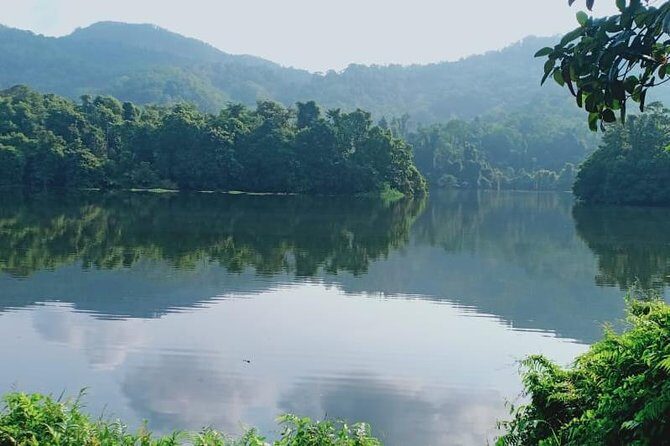
Thattekad Bird Sanctuary is the kind of place where a guide changes the whole experience. Without one, you can still see birds—but you’ll mostly notice movement, not identify species. With a guide, you start building a mental map of what to look for: calls, flight paths, feeding habits, and the small cues that tell you a bird is nearby even when you can’t spot it instantly.
The format is built around that. This is not a long bus-tour with a few quick stops where you rush in and out. It’s a walking bird watch that keeps you moving at a pace where your guide can stop you, point, and explain what matters right now. And the walk is planned for a couple of hours, so you get time to actually settle into the environment instead of sprinting through it.
You can also read our reviews of more walking tours in Munnar
Getting to the walk and what the route feels like
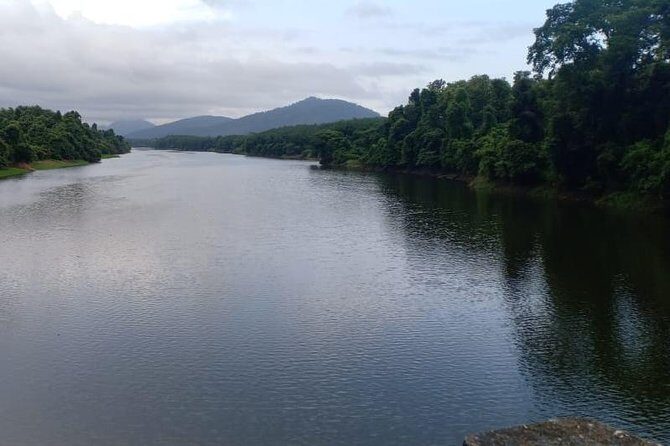
You’ll meet your guide at Thattekadu Bridge on the Thattekadu–Kuttampuzha Road (Kerala 686681). It’s the start-and-end setup too—this activity returns back to the meeting point. That simple loop matters because you’re not stuck figuring out pickup points later.
It also helps if you’re traveling light. This is a mobile-friendly walk in general, and the tour is especially geared toward people who are comfortable walking and paying attention outdoors for a couple hours. There’s also mention of being near public transportation, so you’re less likely to be completely dependent on a private ride.
In practice, expect the walk to feel like nature time, not sightseeing time. Birds don’t show up on schedules you control. So you’ll likely pause often and re-position based on what’s happening in the trees and along the trail.
Early morning vs late afternoon: why the timing matters here
This walk gives you a real choice: you can do it in the early morning or in the late afternoon. That’s not just a convenience option. It’s a birding strategy.
Birds tend to be more visible and active around the times when light is better and the forest has a steadier rhythm of movement. Early morning can be great for calm conditions and active foraging. Late afternoon can work because birds often keep feeding and calling as temperatures cool down. Either way, the guide’s job is to steer your attention toward the moments when the odds improve.
If you’re trying to pack Munnar into a tight schedule, this is also smart. You’re not waiting around half a day for a generic activity. You’re using a window that’s more likely to pay off.
What you’ll spot: woodpeckers, hornbills, and the rest of the action
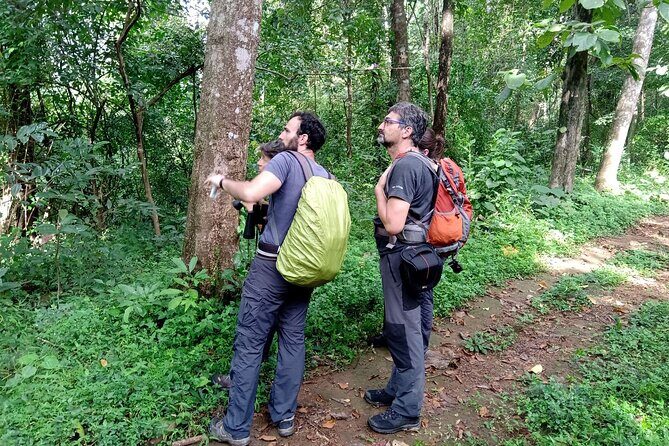
The walk focuses on South India birdlife, and the goal is to help you see birds you might miss on your own. Keep an eye out for woodpeckers and hornbills, plus other colorful species that show up depending on the day and season.
Here’s the helpful part: you’re not expected to be a bird expert. The guide’s role is to connect what you see—shape, behavior, and sometimes sound—with what it likely is. That turns a vague sighting into something you can actually file away.
Also, don’t treat this as bird-only. The experience includes birdwatching plus butterflies and odonates (dragonflies and damselflies). That means when birds are quiet, you’ll still have targets: wing movement, bodies near water edges, and quick flashes of color. It’s a good way to keep your attention sharp in a forest where bird sightings can be spotty.
One practical upside: the tour is long enough to give multiple chances. You’re not guaranteed every species, but a couple hours at the sanctuary gives room for the “first set of sightings” to turn into “second set of better sightings.”
The stream section: footwear, shoes-off moments, and leech reality
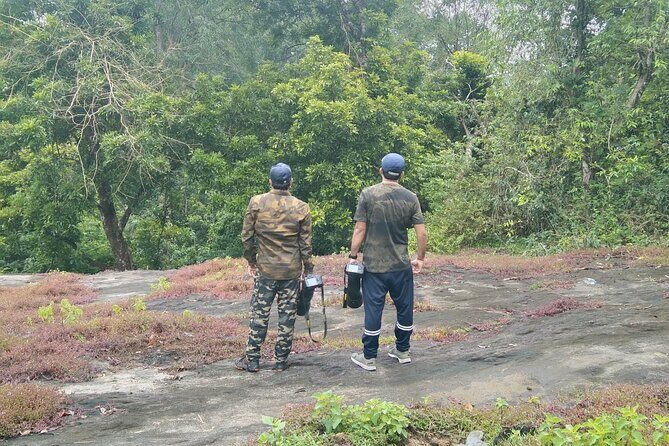
There’s a short walk through a stream during the trail. The important detail is that shoes may need to be removed for this part. One guide-led walk described this explicitly, and leeches were mentioned too.
So what should you do with that information? Think “be prepared,” not “panic.”
- Wear footwear you can quickly remove and put back on.
- Bring socks you don’t mind getting damp, or plan for quick recovery.
- If leeches are a concern for you, follow your guide’s direction on how to step through and where to stand.
Even if you’ve never dealt with a forest stream before, this is exactly the kind of moment a guide handles. You’re there to bird, not to improvise a wet crossing.
You can also read our reviews of more guided tours in Munnar
Small group guide attention: why max 7–8 changes everything
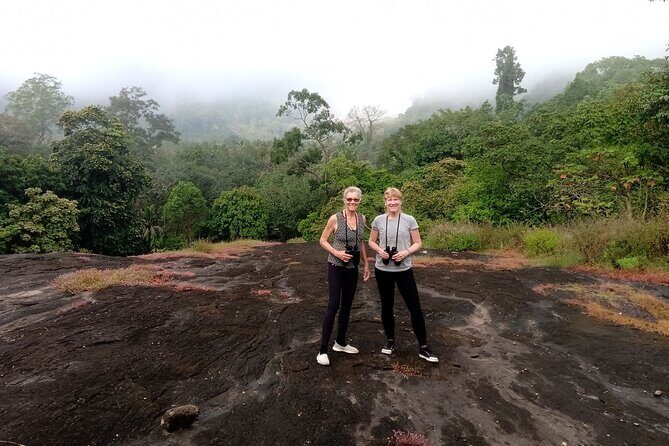
This is a small-group walk with a maximum of about 7 travelers, and the description also frames it as up to 8. Either way, the point is the same: you’re close enough for the guide to manage pacing and keep people from getting separated.
That matters because birding is visual. If the group stretches out, your chances drop. With a tight group size, your guide can:
- spot and react faster,
- regroup the group when someone finds a sighting,
- keep the pace matched to the slowest eye.
The guide you get can make the difference. One named example from earlier participants is Jomon, described as constantly in contact with the group and a strong spotter who knows the area well. Even if your guide isn’t Jomon, the style—steady communication and real field skill—is clearly part of what people value most.
Price and value: why $10 can feel like a bargain
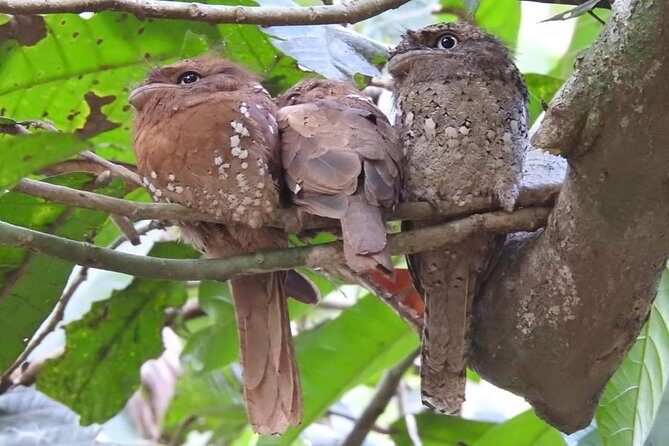
The walk is priced around $10, which is striking when you look at what’s included. What you’re paying for is mainly the guide fees. The bird guide fees are included; the sanctuary entry fees are not included.
That means your real total cost depends on the sanctuary admission amount, but you still end up with good value because:
- you’re paying for a guide’s time and spotting ability,
- you’re getting a structured walk instead of paying for a general experience,
- the group size is small, so the per-person attention cost stays low.
Also, you’ll likely appreciate the simplicity: there’s mention of a mobile ticket, so you’re not digging around for paperwork.
If you’re birding on a budget in Munnar, this is the kind of activity that lets you spend money where it matters—on expert time—rather than on transportation-heavy sightseeing.
A realistic breakdown of the 2–3 hour experience
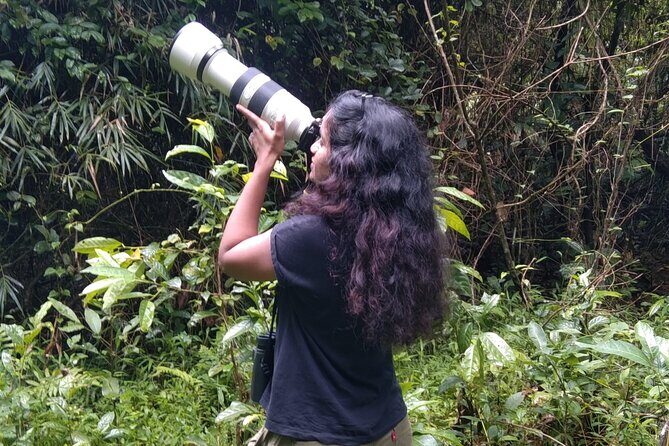
The outing is roughly 2 to 3 hours long, and the core portion centers on one main stop: Thattekad Bird Sanctuary.
Stop: Thattekad Bird Sanctuary (your main time)
This is where you’ll do the birding and also scan for butterflies and odonates. The guide’s attention is likely to focus on places where birds feed or move through the canopy and understory. Expect frequent stops and re-positioning, because birds show up in patches.
If conditions are right, you’ll get multiple chances to see different species groups: larger birds like hornbills and woodpeckers, plus smaller birds that require close viewing. If conditions are less cooperative, you’ll still have the added nature targets—dragonflies/damselflies and butterflies—to keep the walk rewarding.
One strong tip from the experience style: choose the time slot (morning or late afternoon) that fits your day so you’re not rushing. Birding is easier when your brain isn’t exhausted.
What to bring and how to act so the walk pays off
You don’t need to pack like a survivalist, but you do want to be ready for forest details.
Bring:
- Shoes you can remove easily if needed, and socks you’re okay with getting damp
- A light layer, especially for early morning
- Something to keep you hydrated during the walk
- A phone camera if you’re into bird photography (a guide who knows locations can help you frame sightings better)
How to act:
- Stay with the group when the guide stops you. Birds often appear right after a pause.
- Keep your voice low when something is being pointed out.
- Treat the quiet moments as part of the hunt. That’s when you’ll start noticing the smaller birds and insect life.
Who this bird walk is best for in Munnar
This experience fits best if you:
- love nature walks and can handle a couple hours of steady outdoors time,
- want a guide to improve your chances of identifying birds,
- prefer a small group rather than a large tour,
- are interested in more than one type of wildlife (birds plus butterflies and odonates).
It’s also a solid choice if you’re traveling light and value simple meeting points. Meeting at Thattekadu Bridge and returning there makes the day feel easier.
If you hate the idea of getting wet or dealing with footwear removal, consider whether the stream section is a dealbreaker for you.
Should you book the Thattekad guided bird walk? My practical call
Yes—if your goal is to see birds and learn how to spot them. The value for money is the big draw: the guide fees are included at a low price, you get small-group attention, and the walk is timed for better odds.
I’d book it especially if you:
- don’t want to spend days figuring out bird hotspots alone,
- enjoy guided nature time and want to notice more than just what’s obvious,
- like the idea of a calm, structured walk rather than a crowded tour.
Skip it only if stream-wading and shoes-off moments would seriously stress you out. Otherwise, this is one of those Munnar-area activities that makes the forest feel readable—one bird, one pause, one focused look at a time.
FAQ
What is the duration of the Thattekad guided bird walk?
It runs for about 2 to 3 hours.
Where does the walk start and end?
It starts at Thattekadu Bridge (Thattekadu–Kuttampuzha Rd, Kerala 686681) and ends back at the same meeting point.
Is the sanctuary entry ticket included in the price?
No. The sanctuary entry fees are not included, while the birding guide fees are included.
How big is the group?
The tour is a small group, with a maximum of 7 travelers, and it’s also described as up to 8.
Can I choose the time of day?
Yes. You can choose an early morning or late afternoon tour timed to bird activity.
What kind of animals will you look for besides birds?
The walk includes birdwatching plus butterflies and odonates (dragonflies and damselflies).
Is there a stream crossing, and will my shoes be affected?
There is a short walk through a stream, and shoes may need to be taken off for this section. Leeches have been mentioned.
What does the tour include?
Included is the birding guide fees. You’ll also receive a mobile ticket.
How far in advance will I get confirmation?
Confirmation is received within 48 hours of booking, subject to availability.
What happens if the weather is bad?
The experience requires good weather. If it’s canceled due to poor weather, you’ll be offered a different date or a full refund.
What is the cancellation policy?
Free cancellation is available. You can cancel up to 24 hours in advance for a full refund; within 24 hours, the amount paid is not refunded.