REVIEW · JAIPUR
Jaipur Walking Tour- Explore Old Heritage City With Private Guide
Book on Viator →Operated by Abby & Scout Tours · Bookable on Viator
Jaipur’s best scenes hide in plain sight. This private walking tour takes you off the main roads to see how people shop, trade, and craft in the Pink City, with an English-speaking local guide keeping you oriented along the way.
I like the private-guide feel: you can ask questions as you go, and the pace stays comfortable for a real neighborhood walk. I also like the way the route mixes major landmarks with practical street stops, from temple corners to craft lanes and a classic sweets shop. The one thing to consider is that hotel pickup is not included, and some food and any optional entry tickets can add cost on the day.
If you get a guide like Gaurav (the kind of energy described here is fun plus lots of info), you’re in good hands. He’s noted for being enthusiastic and making the walk feel easy, not like a lecture.
In This Review
- Key highlights you should care about
- Why this Jaipur walking tour is a smart pick
- Price, time, and what the $20.17 really buys
- How the timing works in the old city (and why it matters)
- The route: temples, markets, crafts, and a classic cinema
- Starting near Kalki Temple
- Hawa Mahal: the Palace of Wind as a landmark lesson
- Jai Mata Di Paridhan: wedding fabrics in a tight lane
- Gopal Ji Ka Rasta: learning the food-business mechanics
- Swargasuli Tower: Victory Tower views without the headache
- Choti Chopad: silver, an old temple, plus spice-and-flower streets
- Bhagat Mishthan Bhandar: the sweets taste stop
- Maniharo Ka Rasta: costume lanes that still feel old
- Thatheron Ka Rasta: utensil-making street sounds like work
- Sai Baba Mandir: a calm pause
- Golcha Cinema: ending with an old-school local venue
- Food, tea, lassi, and what to budget for
- What you should watch for when you shop (and when you don’t)
- Weather and comfort: plan for real walking
- Who this tour suits best
- Should you book this Jaipur walking tour?
- FAQ
- Is this a private tour?
- How long is the Jaipur Walking Tour?
- What does the tour price include?
- Do I need to pay entry tickets for every stop?
- Is hotel pickup and drop-off included?
- Are street foods included?
- What time should I start, and are there opening hours?
- Is Sunday a good day to go?
- What’s the cancellation policy?
Key highlights you should care about
- Working-market focus: you’ll spend time on streets known for specific goods, not just photo stops
- Wedding costume and fabric browsing: special lanes for wedding wear and traditional garments
- Craft street energy: routes through metalwork and traditional utensil-making areas
- Sweets stop with a taste: a dedicated visit to a well-known sweets shop
- Icon views without big detours: Hawa Mahal and Swargasuli Tower are handled thoughtfully on the loop
Why this Jaipur walking tour is a smart pick
This isn’t a “see one monument, move on fast” kind of tour. It’s a walking route built around how Jaipur actually works day to day: markets by trade, small temples that locals pass daily, and crafts that still run on human skill and routine.
The big win here is the combination of categories. You get architecture touchpoints (like Hawa Mahal and Swargasuli Tower) while still spending the majority of time in the lanes where you can understand what Jaipur sells and who makes it. For me, that’s where the city becomes more than postcards.
You also get the guide as a filter. Old-city Jaipur can feel like a maze if you’re on your own. With a private local guide, you’re less likely to wander in circles or miss the “why this street exists” details behind the shops.
You can also read our reviews of more walking tours in Jaipur

Price, time, and what the $20.17 really buys
At about $20.17 per person, the value is mainly in what’s included rather than what’s optional. The tour includes an English-speaking private guide, GST, and bottled water plus tea or coffee during the walk. That matters because the old city can get hot, and a steady drink stop makes walking much more comfortable.
Duration is about 3 to 4 hours, which is a sweet spot for Jaipur. Long enough to feel like you’ve done something meaningful, short enough that you’re not exhausted by late afternoon.
Two add-on costs to plan for:
- Street food and lunch are not included, so you’ll pay if you want to try items from stalls.
- Entry tickets are generally free for most stops, but Hawa Mahal and Swargasuli Tower can cost extra if you want to go inside (the route is designed so you can enjoy views without committing to tickets).
How the timing works in the old city (and why it matters)
The tour runs daily with the operating window listed as 11:00 AM to 4:00 PM (and the most recommended start is 11:00 AM or later). That’s not just a random schedule choice. Most old-city shops and market stalls open around 10:30–11:00 AM, so starting too early can mean closed doors and dead lanes.
Also, Sundays are less eventful. If your dates include Sunday, don’t expect the same level of shop activity as other days. The good news is the tour still covers the main lanes and temples, but your shopping-and-street-scene time may be quieter.
One practical note: the tour requires moderate physical fitness. It’s walking in tight streets. If you’re managing knee or mobility issues, plan for slower pacing and choose comfortable shoes.
The route: temples, markets, crafts, and a classic cinema
Here’s what you’re likely to experience on the walk, stop by stop, and what each place is good for.
Starting near Kalki Temple
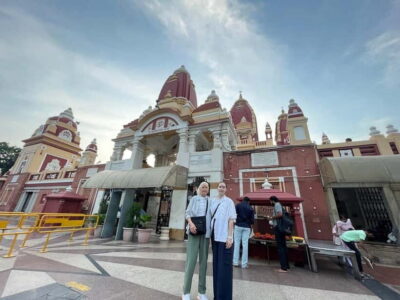
You’ll begin at Kalki Temple, where the guide gives you context for what you’re seeing. This is a good opening stop because it sets the cultural frame for the rest of the tour. Instead of jumping straight into shopping lanes, you start with a sacred landmark locals recognize.
Admission is listed as free, so you’re not pressured to spend money right away to get value from the start.
You can also read our reviews of more guided tours in Jaipur





Hawa Mahal: the Palace of Wind as a landmark lesson
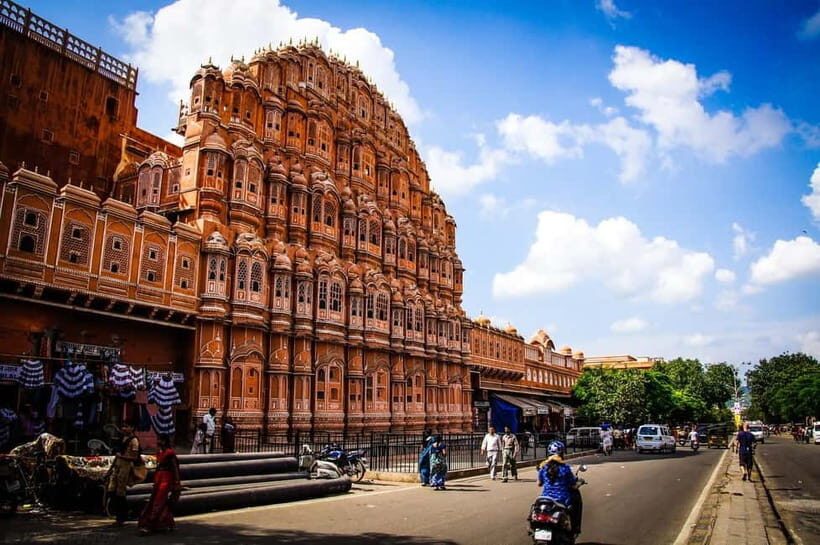
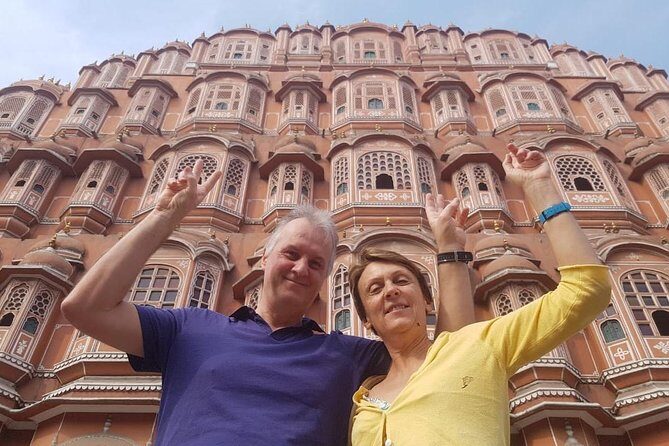
Next comes Hawa Mahal. You get the “what am I looking at?” explanation tied to why this building matters to Rajasthan and to travelers over time.
You’re not required to pay to enjoy the exterior area; the tour includes roadside viewing. If you do choose to enter, you’ll need an admission ticket, and entry timing matters because closing times are roughly about an hour before sunset.
This is the kind of stop where having a guide can change everything. Without context, Hawa Mahal is just an impressive facade. With context, you start noticing design clues and the logic behind the style.
Jai Mata Di Paridhan: wedding fabrics in a tight lane
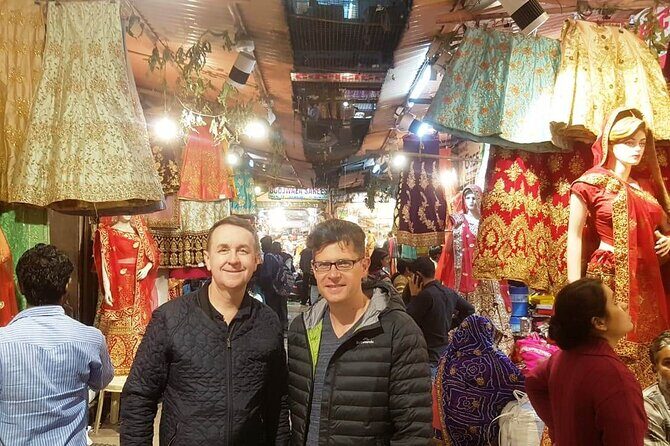
Then it’s into Jai Mata Di Paridhan, tied to Purohit Ji Ka Katla, described as a hidden market area in the Pink City with wedding fabrics, traditional dresses, and sherwanis. The entry points may feel a little daunting at first, but that’s part of the old-city feel.
What makes this stop useful is the specific focus. If you’ve ever wondered where all the wedding outfits come from, you’ll see the market ecosystem where textiles and garments are showcased and sold.
Admission is free for this stop, so the value is mostly in browsing and asking questions.
Gopal Ji Ka Rasta: learning the food-business mechanics
Gopal Ji Ka Rasta is a market lane associated with mawa (khoya/khoa), a dairy product made from evaporated milk solids. It’s a key ingredient for northern Indian sweets, so this stop connects the craft of ingredients to what you’ll taste later.
Even if you’re not buying anything, this is a fun “how the system works” moment. You see how one street can be identified with one main product category.
Swargasuli Tower: Victory Tower views without the headache
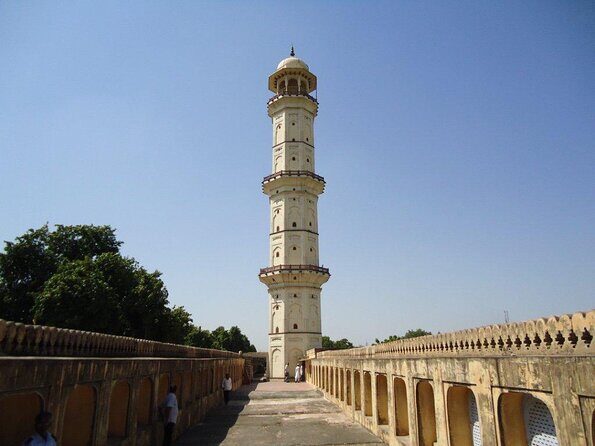
You’ll reach Swargasuli Tower, an iconic 18th-century minaret often called the Victory Tower. You’ll admire it from a roadside vantage point, which is a practical choice—no long detours, no time loss.
If you want to go inside, that’s optional and entry tickets apply. Again, timing is key because entry closes about an hour before sunset.
For photo timing: aim to keep your camera ready when you reach this part of the loop. The tower is tall, visually distinctive, and a good anchor point for the afternoon.
Choti Chopad: silver, an old temple, plus spice-and-flower streets
Choti Chopad is where the tour shifts into browsing mode. You can visit a very ancient temple area and also walk through shops selling silver items. The stop also includes the chance to see a flower market and spice market.
This stop is valuable because it mixes categories that usually feel separate in travel plans: religion (temple), craft (silver), and everyday buying (flowers and spices). That combination helps you see how Jaipur keeps running on both tradition and routine.
Admission is free for the tour stops here, so you can spend more time looking and asking.
Bhagat Mishthan Bhandar: the sweets taste stop
A dedicated stop at Bhagat Mishthan Bhandar centers on tasting some of the best locally made sweets. If you’re the type who likes to compare flavors rather than just buy souvenir snacks, this is one of the best moments on the route.
The tour includes no street-food charges or lunch, but this sweets stop is part of the planned experience time. Expect tasting rather than a full meal. If you want to order more, you’ll likely pay on your own.
Maniharo Ka Rasta: costume lanes that still feel old
Next is Maniharo Ka Rasta, reached after the Tripolia Bazaar area. It’s described as a street that keeps a regal, old-feeling atmosphere, tied to the modesty and work of the citizens.
This is a strong stop for anyone who loves traditional clothes and wants to see where wedding costume browsing truly happens. It’s not just one shop—it’s a whole street identity.
Admission is free here, so your cost is mainly what you choose to buy.
Thatheron Ka Rasta: utensil-making street sounds like work
If you like hands-on craft, don’t rush Thatheron ka rasta. This street is known for skilled utensil makers. You’ll hear the rhythmic metal sounds and understand that this is still a work street, not a themed market for tourists.
This stop is especially good for photos and for watching how craftsmen handle tools and materials. It’s also a reminder that old Jaipur isn’t “museum-only.” It’s still manufacturing everyday needs.
Admission is free.
Sai Baba Mandir: a calm pause
You’ll visit Sai Baba Mandir, described as the oldest Sai Baba temple in Jaipur City. It’s a quieter stop compared to market lanes, so it works like a mental breather.
Even if you’re not deeply religious, temples like this help you understand local daily life and the calm routines that coexist beside commerce.
Admission is free.
Golcha Cinema: ending with an old-school local venue
The tour ends at Golcha Cinema, one of the oldest cinema halls in Jaipur. The plan includes the option to go inside with help, but entry ticket applies.
This finish is smart because it gives you a local-life wrap-up. You leave not just with things you bought, but with a sense of how people spend evenings in the city.
Food, tea, lassi, and what to budget for
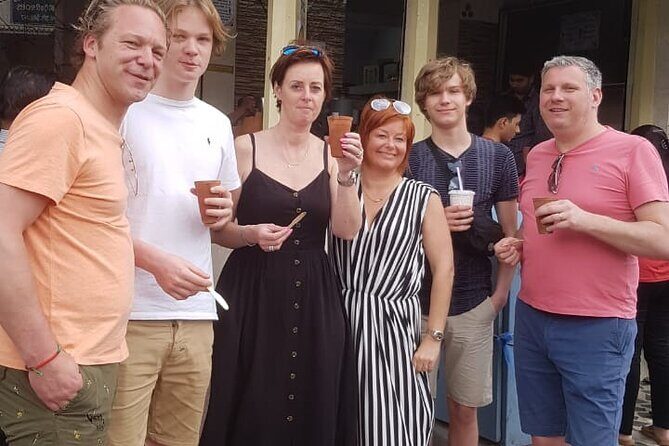
You’ll have bottled water plus tea or coffee included during the tour. That’s useful because old city walking means you will sweat, especially in warmer months.
The tour also points you toward local tastes: lassi and street foods from stalls. However, street food charge is listed as not included, so I’d budget extra if tasting is your priority.
A good approach is to treat it like sampling, not a full meal. That keeps your pace comfortable and prevents you from feeling stuffed before the route finishes.
What you should watch for when you shop (and when you don’t)
This route naturally passes through places where products are tied to trade specialties: wedding fabrics and garments, dairy ingredients for sweets, silver items, flowers and spices, utensils, and costume lanes.
So, it’s a great tour if you’re trying to buy one or two meaningful items with context. It’s also fine if you’re not buying. The best value is learning what each street is known for and how locals describe what they do.
If you do shop, I suggest you use the guide to ask what’s important—materials, what’s common vs special, and what typical pricing should be. The tour being private helps here because you’re not rushed by a large group schedule.
Weather and comfort: plan for real walking
The tour notes that it requires good weather. If weather is poor, you’ll be offered a different date or a full refund.
For comfort, wear shoes that handle uneven sidewalks and tight turns. Carry water (you’ll have bottled water during the tour, but it’s still a good habit), and keep sun protection in mind since the schedule can put you walking during late morning into afternoon.
Who this tour suits best
This walking tour is a good match if you:
- want private, local guidance rather than joining a huge group
- enjoy markets tied to real trades, not just souvenir browsing
- like a mix of craft streets, temples, and food stops
- have about half a day to see Jaipur’s old city logic
It might be less ideal if you:
- strongly want hotel pickup included (it’s available only for an additional charge)
- need a low-walking pace with minimal turns and stairs
- plan to spend most of the day eating and don’t want any extra charges (street food is extra)
Should you book this Jaipur walking tour?
Yes, if you want a guided old-city walk that feels like daily life, not a checklist. The price is low enough that you can treat optional entries and snacks as extras rather than the foundation of the experience. And the guide quality seems to be a real standout, with examples like Gaurav being described as energetic, fun, and full of useful information.
If you’re sensitive to walking, arrive late, or only want major monument interiors, you might prefer a different tour style. But for most people looking for value and authentic street-level Jaipur, this one makes practical sense.
FAQ
Is this a private tour?
Yes. It’s listed as a private tour/activity, so only your group participates.
How long is the Jaipur Walking Tour?
The duration is about 3 to 4 hours.
What does the tour price include?
The tour includes an English-speaking private local guide, bottled water, and tea or coffee during the tour, plus GST. Infants and children up to 17 are free.
Do I need to pay entry tickets for every stop?
Most stops are free of any entry ticket. Hawa Mahal and Swargasuli Tower can require tickets if you want to go inside, though the tour includes roadside viewing.
Is hotel pickup and drop-off included?
No. Pickup and drop-off from/to your hotel are available at an additional charge.
Are street foods included?
Street food charge and lunch are not included. You can sample items, but you’ll pay for food you choose.
What time should I start, and are there opening hours?
The recommended start is any time later than 11:00 AM, since many shops and markets open around 10:30/11:00 AM. The tour runs daily from 11:00 AM to 4:00 PM.
Is Sunday a good day to go?
Sunday is noted as less eventful in the old city, with limited hours or closures for many local shops and markets. It can still be enjoyable, but expect less activity.
What’s the cancellation policy?
You can cancel up to 24 hours in advance for a full refund. Within 24 hours, the amount paid isn’t refunded. If canceled due to poor weather, you’ll be offered a different date or a full refund.