REVIEW · GOA
Panjim Heritage Walk for a cultural immersion in Goa
Book on Viator →Operated by 5 Senses Walks · Bookable on Viator
Panaji is best understood on foot, in small bits. This Panjim Heritage Walk is built for that: a professional guide takes you through key neighborhoods and landmarks while you connect the Portuguese influence to what you still see today, with small group sizes that keep the pace human. You’ll also appreciate how no entry fees are required at the stops, so your money goes mostly into the storytelling.
I especially like two things here: you get a guide who explains the details clearly, and you’re not just looking at buildings—you’re learning how Panaji’s past shaped daily life in the city. One possible drawback is that it’s a walking tour in the open air, and the experience requires good weather, so plan for a day when skies are cooperative.
In This Review
- Key highlights at a glance
- A 3-hour Panaji walk that beats winging it
- Start point at Garcia de Orta: how the route feels
- Fontainhas: the Portuguese Latin Quarter you can picture
- Sao Tome old quarter: tobacco, then authorities, then modern use
- Maruti Temple: Hanuman in the middle of town
- Church of Our Lady of the Immaculate Conception: a hill, a story, and cinema fame
- Snacks, coffee/tea, and why the guide experience matters
- Price and value: $30 for a guided Panaji cultural thread
- Who should book this Panjim Heritage Walk
- Should you book the Panjim Heritage Walk?
- FAQ
- Where does the Panjim Heritage Walk start?
- How long is the tour?
- How much does it cost?
- What group size can I expect?
- Is there an entry fee for the stops?
- What’s included in the price?
- What is not included?
- Do I need a printed ticket?
- What if the weather is bad?
Key highlights at a glance
- Max 10 travelers so your guide can keep the conversation personal
- Fontainhas Latin Quarter with Portuguese-era background you can actually visualize
- Sao Tome square’s timeline from tobacco trade to police and customs use
- Maruti Temple dedicated to Lord Hanuman (the monkey God)
- Church of Our Lady of the Immaculate Conception tied to sailors and a major 1541 rebuild
- Coffee/tea plus snacks to keep energy steady during the 3-hour walk
A 3-hour Panaji walk that beats winging it
If you’ve ever wandered Panaji on your own, you know the problem: you can see the sights, but the connections stay blurry. This tour solves that with a tight timeframe—about 3 hours—where you move location to location and the guide builds a clear thread. The result is a city that starts making sense fast.
You’ll cover neighborhoods and landmarks that fit together: a Portuguese-patterned residential quarter, a square with a commercial past, a Hindu temple stop, then a famous Catholic church. It’s not just a highlights loop. It’s a way to understand how Goa’s layers overlap in one compact area of the capital.
And because the group is limited to 10 travelers, the guide can slow down for questions and explanations. That matters in places where streets and architecture can look similar at first glance.
You can also read our reviews of more walking tours in Goa



Start point at Garcia de Orta: how the route feels
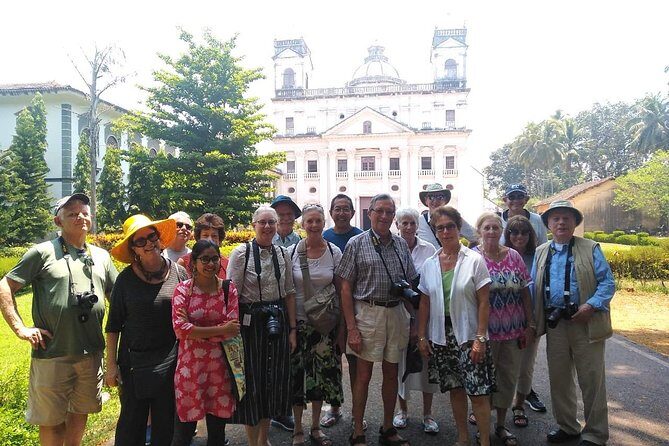
The tour begins at Garcia de Orta (near the Municipal Garden) in Panaji, and it ends back at the same meeting point. That “return to start” format is underrated. It keeps you from spending energy figuring out transport after the walk, and it lets you plan your next meal or museum visit without stress.
The tour also uses a mobile ticket, which is convenient in Goa where you may be bouncing between neighborhoods and not always wanting to hunt for printed vouchers. You’re near public transportation, which is helpful if you’re combining this with the rest of your day in Panaji.
What to expect in practical terms: you’ll be walking through older streets and between indoor/outdoor religious sites. Wear comfortable shoes and expect that the church stop is on a hill—this isn’t just a flat stroll the whole way.
Fontainhas: the Portuguese Latin Quarter you can picture
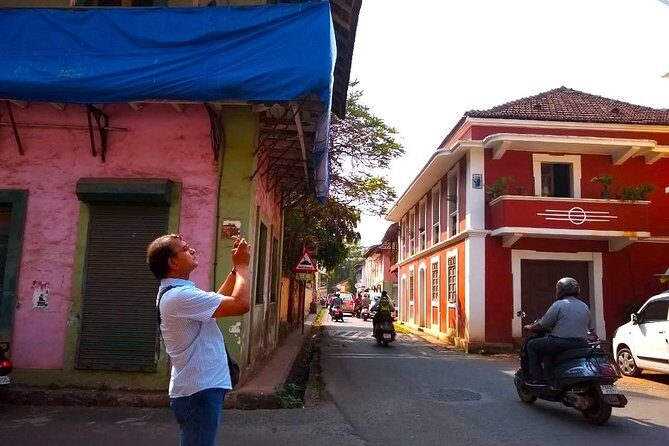
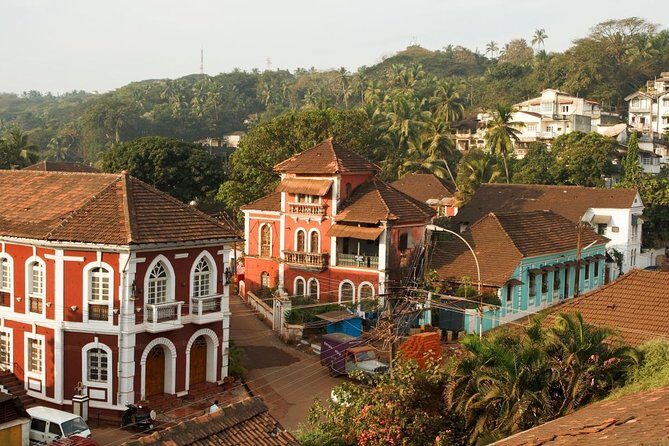
Your first stop is Fontainhas, the Latin quarter of Panaji. This is the part of town that was designed as residential quarters for Portuguese bureaucrats and servants, and it’s described as one of the earliest settlements in Panaji city. Even if you’ve seen photos of Fontainhas before, walking the area with context changes everything.
Here’s what makes Fontainhas work on a heritage walk: you’re not just getting a lecture about Portugal. You’re learning the logic behind how the quarter was shaped for Portuguese life, and then you can look around and understand why details matter—street character, neighborhood layout, and how the “Portuguese quarter” idea still shows up in the way the area presents itself.
This stop is also a short one (around 30 minutes). That’s a plus. You get orientation without dragging your day. You’ll want to keep your eyes open for contrasts—what’s clearly old versus what looks adapted, and what feels designed versus what feels organic.
Sao Tome old quarter: tobacco, then authorities, then modern use
Next up is the Sao Tome old quarter, and the story starts with a river trade. The square here got its name because of tobacco trading over the river. That detail is useful because it gives you a reason for why the space mattered: it wasn’t random. It was tied to commerce and movement.
Then the square shifted roles over time—serving as police headquarters, a customs and mint area, and then moving into its modern day function. Even with limited time, a good guide can make these transitions feel tangible, because you can stand in one place and track how an area evolves from trade to control to civic life.
A potential drawback of this stop is that it’s easy to look at a square and treat it like a quick photo spot. Don’t. This is where the guide’s explanation does the heavy lifting. Give yourself those extra moments to watch how people use the space now, because it helps you compare what it was built for.
Maruti Temple: Hanuman in the middle of town
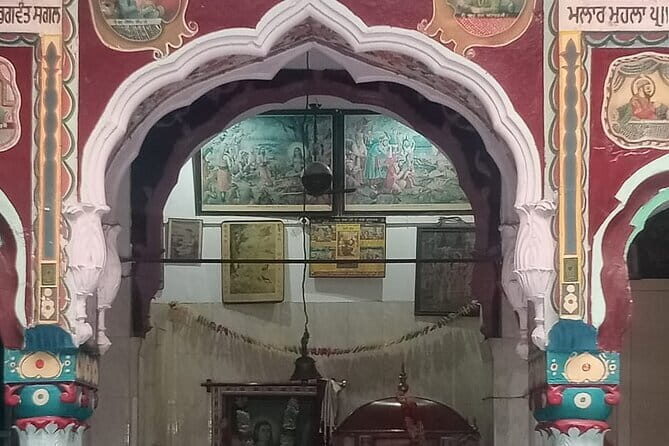
The itinerary includes a stop at Maruti Temple, dedicated to Lord Hanuman—often called the monkey God. This is one of the most important “balance points” in the tour because it brings you from the Portuguese-patterned parts of the city to an active Hindu worship space.
The value here isn’t only religious. It’s cultural context. When you see a temple dedicated to Hanuman in the middle of an urban area like Panaji, you understand that Goa’s identity isn’t one-layer history. It’s a stack of influences, beliefs, and community needs that coexist in the same streets.
Time-wise, this is a quick stop (about 15 minutes). That’s enough for appreciation if you keep your head clear and respectful. It’s also enough that the tour doesn’t drag you away from the later church stop, which is a bigger landmark.
You can also read our reviews of more historical tours in Goa




Church of Our Lady of the Immaculate Conception: a hill, a story, and cinema fame
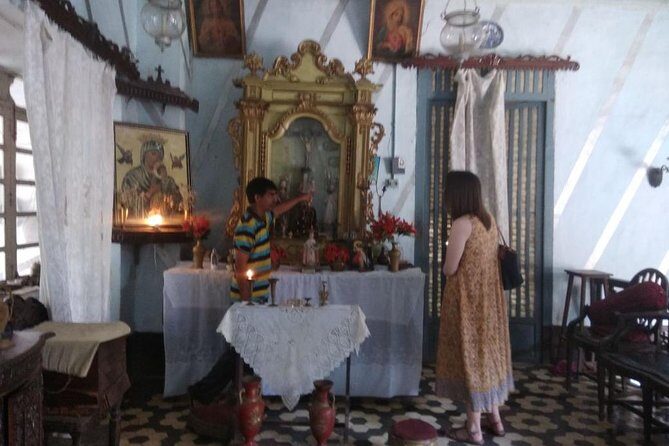
The final major landmark is the Church of Our Lady of the Immaculate Conception. This church is often used as a Goa visual in Bollywood films, so you may recognize it even if you don’t know the background.
The story is especially compelling because it includes a sailor-focused reason for construction. The church was built on a hill for the sailors in 1541, after a temple was demolished. That’s a stark reminder that colonial-era change wasn’t only about architecture—it involved power, religion, and who controlled space.
From a visitor’s point of view, the hill location is practical as well. You’ll get some elevation on the walk. Plan for it, especially in warmer weather. If you’re someone who tires quickly, consider taking a moment during the church stop to pause, sip something, and then look again.
This stop is about 30 minutes, which is a good slot for both quiet appreciation and guided context. Don’t rush through it. Even if you’re not a religious traveler, you’ll benefit from understanding why this particular church became such an iconic symbol.
Snacks, coffee/tea, and why the guide experience matters
A lot of heritage walks fail because the guide is just listing facts. This one puts more focus on what you’re seeing and how it connects to history. The result is that the city feels less like a bunch of monuments and more like a place with a recognizable logic.
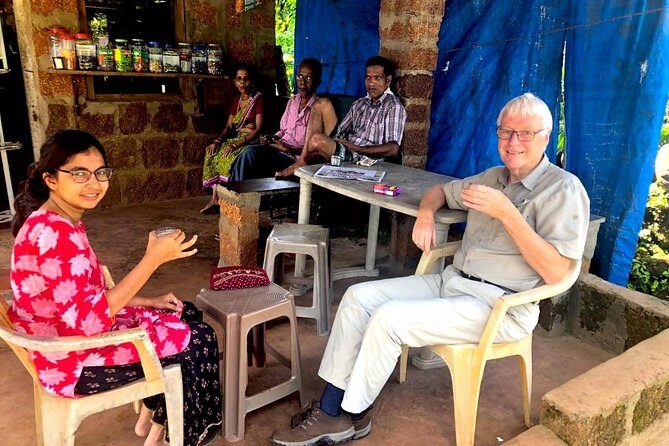
You also get refreshments: coffee and/or tea plus snacks during the walk. I like this detail because it keeps the whole experience comfortable. A 3-hour walking tour can make people cranky if they haven’t planned for energy. Snacks help you stay present, especially when you’re bouncing between viewpoints, streets, and religious spaces.
The no-entry-fee setup is another quiet win. Since you aren’t paying multiple small charges to step into places, the overall price tends to make more sense. You’re paying for the professional guidance and the structure of the route, not for access fees.
Price and value: $30 for a guided Panaji cultural thread
At $30.00 per person, this tour is positioned as an accessible heritage option. Here’s why that price can feel fair: you get a professional guide, refreshments, entrance charges covered, and multiple stops that don’t require entry fees anyway. That combination suggests you’re mostly paying for expert interpretation.
Group size also affects value. With a maximum of 10 travelers, the experience is less likely to become a lecture for a big crowd. A smaller group usually means clearer explanations and a better chance to ask questions.
One more small indicator: this kind of walk is commonly booked well in advance (it’s often reserved about 61 days ahead). That doesn’t automatically mean it’s perfect for you, but it does suggest steady demand—which usually correlates with guides who do a good job keeping people engaged.
Who should book this Panjim Heritage Walk
This tour fits best if you want a guided, cultural route through Panaji without turning it into an all-day commitment. It’s ideal for you if:
- you like city-walking tours with a clear story line
- you want Portuguese-era context in Fontainhas, plus Hindu and Catholic landmarks in the same afternoon
- you prefer small groups and a guide who can adjust to the pace of the group
- you’re visiting Panaji and want an easy way to understand the capital city’s identity fast
It’s also a good choice if you’re traveling with someone who might not love hours of museum time but enjoys thoughtful walking and photo stops with context.
If you’re the type who needs to go slowly at every stop or you dislike hills, note that the church is on a hill and the tour is weather-dependent. You’ll still manage it, but plan your expectations.
Should you book the Panjim Heritage Walk?
If you want to understand Panaji beyond postcards, I think this is a strong pick. The price-to-value ratio looks good because you’re getting a professional guide, refreshments, and a focused route with meaningful stops. The standout feature is the way the walk ties together Portuguese-linked neighborhoods like Fontainhas with other spiritual and historic landmarks like Maruti Temple and the Church of Our Lady of the Immaculate Conception.
Book it if you enjoy guided walking, want an easy 3-hour plan, and appreciate culture that explains itself in layers. Skip it only if you’re looking for a long, deep museum-style experience or you want a totally flexible, self-paced route with no structured stops.
FAQ
Where does the Panjim Heritage Walk start?
The walk starts at Garcia de Orta near the Municipal Garden in Panaji, Goa 403001, India.
How long is the tour?
It lasts about 3 hours.
How much does it cost?
The price is $30.00 per person.
What group size can I expect?
The tour has a maximum of 10 travelers.
Is there an entry fee for the stops?
No entry fees are required for the stops included in the tour.
What’s included in the price?
Included are coffee and/or tea, a professional guide, and entrance charges.
What is not included?
Pick up and drop are not included.
Do I need a printed ticket?
No. The tour uses a mobile ticket.
What if the weather is bad?
The experience requires good weather. If it’s canceled due to poor weather, you’ll be offered a different date or a full refund.