REVIEW · MUMBAI
Mumbai Sightseeing Tour for Cruise Passengers
Book on Viator →Operated by Linda Tours Mumbai · Bookable on Viator
Mumbai pulls you in fast. This guided cruise-friendly city tour strings together major sights and real-life Mumbai in about 5 hours, with an English-speaking guide and an AC vehicle ready to roll from the cruise terminal. You’ll get timed stops at iconic landmarks like the Gateway of India and Chhatrapati Shivaji Maharaj Terminus, plus culture stops such as Dhobi Ghat and the Mani Bhavan Gandhi Museum.
I especially like how it mixes headline attractions with everyday scenes, so you’re not stuck with only big monuments. I also like the practical setup: short site visits, bottled water, and a small group size capped at 15 travelers, which helps when you’re working with cruise schedules. One thing to consider: this is a whistlestop format, so there’s limited time for wandering or shopping on your own.
In This Review
- Key highlights to look for on this Mumbai cruise tour
- Why this route works when you only have one port day
- Getting bearings at the Gateway of India stop
- A quick photo stop at the Taj Mahal Palace Hotel (1903)
- Dhobi Ghat: seeing Mumbai’s open-air laundry system up close
- Mani Bhavan Gandhi Museum: history you can actually sit with
- Hanging Gardens and the Malabar Hill viewpoint payoff
- Marine Drive: the famous seaside stretch from Nariman Point toward Chowpatty
- Chhatrapati Shivaji Terminus: UNESCO-level architecture with a short stop
- Rajabai Clock Tower and the University of Mumbai connection
- St. Thomas Cathedral: an early British settlement landmark from 1718
- Price and logistics: what you’re really paying for at $52
- Who this tour fits best (and who might want a different plan)
- Tips to make your day smoother at every stop
- Should you book this Mumbai cruise tour?
- FAQ
- How long is the Mumbai Sightseeing Tour for cruise passengers?
- Where does the tour start and end?
- What’s included in the price?
- Is lunch included?
- How many people are in the group?
- What is the cancellation policy?
Key highlights to look for on this Mumbai cruise tour
- Cruise-timed pacing: built around a same-day port call with a return to the meeting point
- Icon + daily-life mix: Gateway of India, Dhobi Ghat laundries, Mani Bhavan, and more
- Multiple comfort wins: air-conditioned transport and bottled water included
- Good value for the price: several entrances/tickets are included, not just street stops
- Landmark photos without overplanning: quick stops at Marine Drive and major architecture
Why this route works when you only have one port day
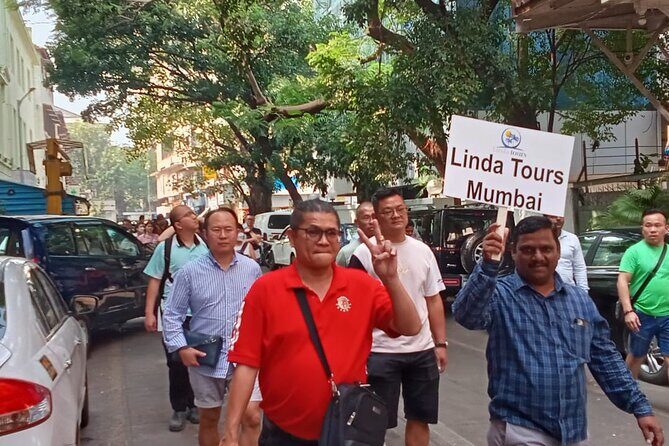
Mumbai is huge, and cruise days are short. The smart move here is that the tour keeps you moving between concentrated sights around south and central Mumbai, starting from the Mumbai International Cruise Terminal area at the Fort. With a maximum of 15 people, the day doesn’t feel like you’re herding cats through traffic. It’s also designed for timing—your schedule is tight enough to matter, and the tour ends back at the meeting point so you’re not gambling with the last stretch back to the ship.
The other practical win is comfort. You’re in an air-conditioned vehicle, and bottled water is included. That sounds basic, but in Mumbai heat (and with a lot of sun hitting the sidewalks), it makes a real difference.
The format is also friendly for first-timers. Even if you’ve never set foot in Mumbai before, you’ll see the city through a mix of British-era architecture, Indian public life, and Gandhi-related history—all in one morning/afternoon loop.
You can also read our reviews of more boat tours in Mumbai

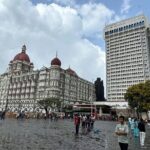
Getting bearings at the Gateway of India stop
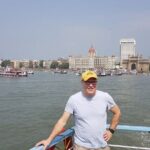
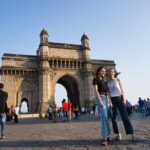
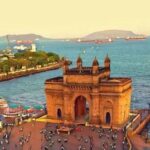
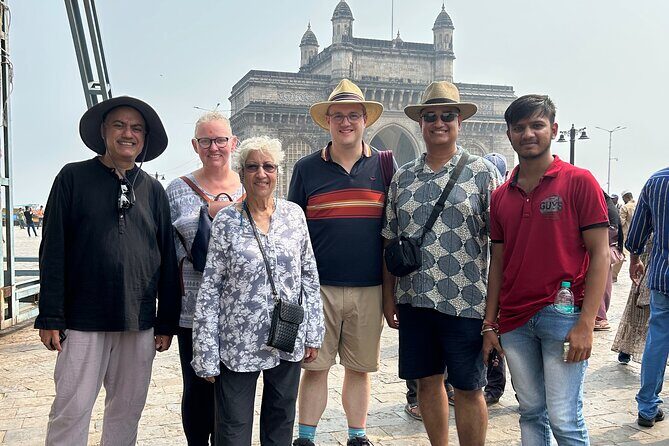
Your day starts at the Gateway of India, the famous arch monument built to commemorate the landing in December 1911 of King-Emperor George V and Queen-Empress Mary at Apollo Bunder in Mumbai. Even if you’ve seen it in photos before, it hits harder in person because it’s a landmark that anchors the waterfront and the city’s colonial-era storytelling.
You’ll have about 20 minutes here, and admission is included. In that time, I’d focus on two things:
1) get your photo framed with enough background to show the scale, and
2) take a quick look at the surrounding waterfront vibe so you understand why this spot became such a public meeting point.
This is also where the tour’s pacing becomes clear. It’s not a long, slow stroll. You’re meant to look, learn the key context, and move on.
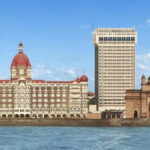
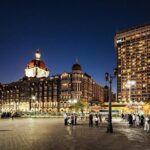
A quick photo stop at the Taj Mahal Palace Hotel (1903)
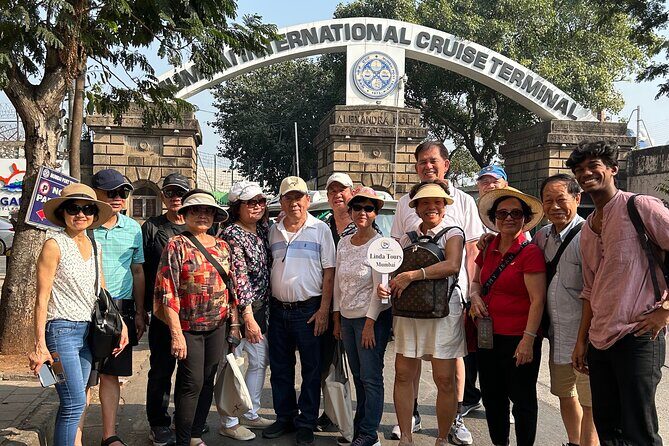
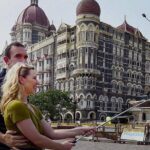
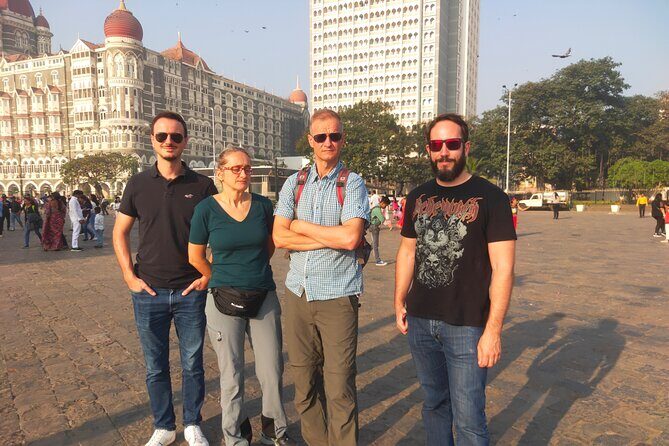
Next comes the Taj Mahal Palace Hotel, built in 1903. Your time here is short—about 10 minutes—and admission is free. This one is best approached as a photo-and-facts stop rather than a museum-style visit.
Why include it? Because it’s one of those Mumbai icons people recognize instantly, and it helps connect the city’s era of grand hotel architecture to the wider story you’re hearing on the rest of the tour. If you’re hoping to go inside the hotel, the short time and “free admission” setup suggest it’s more about seeing the exterior and moving along.
Dhobi Ghat: seeing Mumbai’s open-air laundry system up close
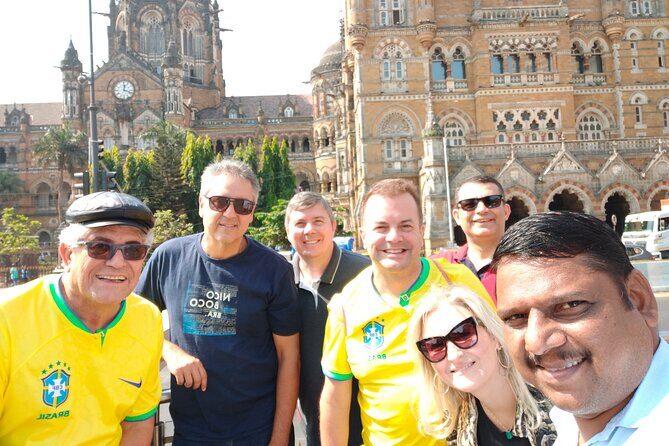
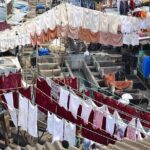
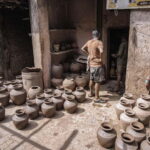
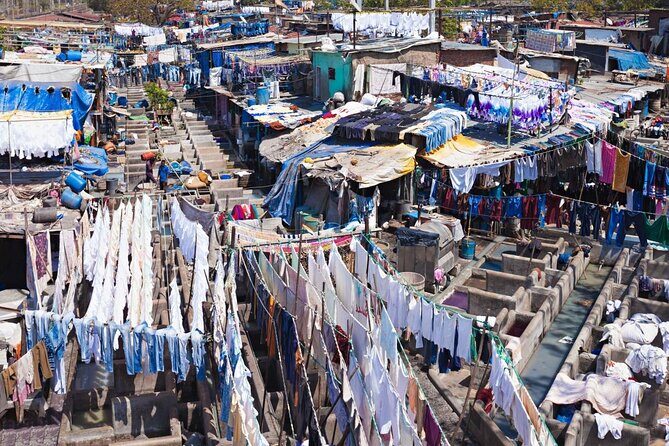
Then you shift from grand monuments to daily work at Dhobi Ghat. This is a standout stop because it’s not about a single building—it’s about a living system. Dhobi Ghat is an open-air laundromat in Mumbai. The washers are called dhobis, and they clean clothes and linens from Mumbai’s hotels and hospitals. It was constructed in 1890.
You’ll have about 15 minutes here, and admission is free. This is the moment where the tour earns its keep. Instead of only sightseeing-from-a-car, you’re looking at a working neighborhood activity that reveals a side of Mumbai most cruise visitors never see.
A quick practical tip: be ready for close-up viewing in an active environment. Bring a respectful attitude and keep your phone/camera movement controlled so you’re not blocking anyone’s work.
Mani Bhavan Gandhi Museum: history you can actually sit with
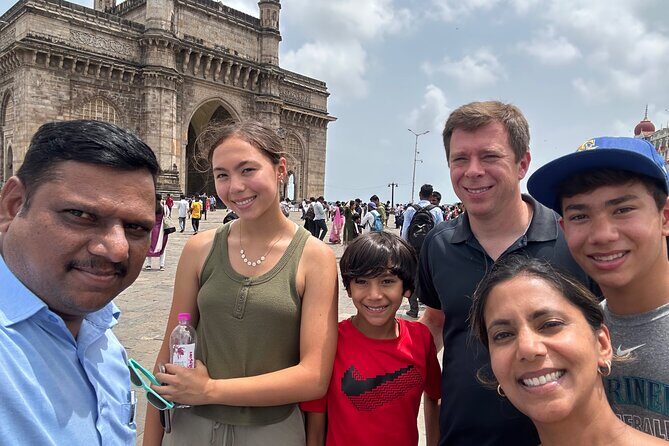
After Dhobi Ghat, you’ll head to Mani Bhavan Gandhi Museum, dedicated to Gandhi and tied directly to his political life in Mumbai. Mani Bhavan was the focal point of Gandhi’s political activities between 1917 and 1934. That date range matters, because it turns this into more than a quick stop sign; it frames a stretch of change and campaigning.
Your stop here is about 20 minutes, and admission is included. Because your time is limited, you’ll get the best value if you don’t try to read everything cover to cover. Instead, skim the key displays, listen for what your English guide emphasizes, and focus on the big ideas: why this place mattered, and how Gandhi’s presence shaped Mumbai’s political story in that era.



Hanging Gardens and the Malabar Hill viewpoint payoff
Next up: the Hanging Gardens. These terraced gardens sit perched at the top of Malabar Hill on its western side, with Kamala Nehru Park opposite. They’re especially known for the views—your stop is about 15 minutes, and admission is free.
Even if you’re not a “garden person,” this stop is worth it because it gives you a breather and a perspective shift. You’re moving from street-level activity and museums to a viewpoint over the Arabian Sea. The route gives you a chance to reset your eyes and get a calmer moment in the middle of a fast day.
If the light looks good, try for a few photos from different angles. Short visits like this are all about making the most of what you get in those 15 minutes.
Marine Drive: the famous seaside stretch from Nariman Point toward Chowpatty
You’ll then pass through Marine Drive, with about 10 minutes here. Marine Drive was built around 1920 and runs along the Arabian Sea, from the Society Library area at Nariman Point and the Mumbai State Central Library toward Malabar Hill via Chowpatty. The street lights lining the drive are part of what makes it so recognizable.
Admission is free, and this stop is more about seeing the setting and getting the feel of the promenade. It’s also a useful timing marker in the day—by the time you reach Marine Drive, you’ve already seen the city’s major institutions and daily life, and now you’re seeing how Mumbai performs as a public space.
Chhatrapati Shivaji Terminus: UNESCO-level architecture with a short stop
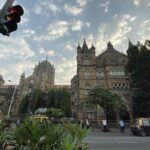
Then you reach Chhatrapati Shivaji Maharaj Terminus (also known by its former name, Victoria Terminus). It’s a historic terminal train station and a UNESCO World Heritage Site. Your time is about 20 minutes, and admission is free.
This is one of those stops where, even if you don’t go inside, you can still appreciate why it’s protected. Large train stations often feel like backdrops to real life, but in Mumbai this one is part of the city’s identity—built as a major rail hub and now recognized worldwide for its historic architecture.
Practical thought: with only 20 minutes, prioritize wide shots from where you can see the façade clearly, then do a quick look for finer details. A guide can point out what to notice so you don’t spend all your time guessing.
Rajabai Clock Tower and the University of Mumbai connection
You’ll also see the Rajabai Clock Tower, completed in the 1870s. It’s tied to the University of Mumbai and houses the university’s library. This stop takes about 10 minutes, with admission included.
Even with a short time window, it’s a helpful stop because it connects the education-and-architecture story to the rest of the colonial-era landmarks you’ve visited. It’s also a chance to spot how different eras in Mumbai share space and style—one moment you’re at a UNESCO station, the next you’re at an institutional clock tower serving students and scholarship.
St. Thomas Cathedral: an early British settlement landmark from 1718
Next is St. Thomas Cathedral Mumbai, built in 1718. It represents the early British settlement in Mumbai and is described as one of the city’s prestigious landmarks. Your stop is about 15 minutes, and admission is free.
In a fast-paced tour, churches can sometimes feel like just another photo point. Here, it works because the tour has already been covering dates and places that shaped Mumbai’s identity. St. Thomas Cathedral adds another layer: it’s a tangible physical marker of the British period you’ve been hearing about around the Gateway, Rajabai, and the terminus area.
If you’re interested in architecture, this is a stop where you can slow your pace for a minute, look upward, and get a better sense of form.
Price and logistics: what you’re really paying for at $52
At $52 per person, this tour can be strong value because you’re not just paying for transportation. You’re paying for:
- an English guide,
- air-conditioned vehicle time,
- bottled water, and
- multiple paid or ticketed stops.
Several highlights include admission: the Gateway of India, Mani Bhavan Gandhi Museum, Rajabai Clock Tower, and others listed as admission-ticket included. You also hit major areas where time spent matters more than souvenirs—Marine Drive, Hanging Gardens, and the UNESCO station.
Lunch is not included, so plan around that. If you’re a cruise passenger, you may already have a ship meal waiting later. Still, it’s smart to consider a small snack before or after, because your day is structured around sightseeing time blocks rather than food breaks.
Group size is capped at 15, which usually translates to less waiting and less crowd stress than bigger buses. That matters when you’re trying to keep your cruise schedule intact.
Who this tour fits best (and who might want a different plan)
This is a great fit if you:
- want a high-coverage first-day Mumbai experience,
- care about Gandhi history and want something beyond temples and malls,
- like architecture and landmark photo stops,
- need a cruise-compatible day with a return to your meeting point.
It’s less ideal if you:
- want lots of shopping time or long market wandering,
- prefer slow, unstructured sightseeing,
- plan to linger for deep museum reading without time pressure.
One useful clue from actual experiences with this type of tour: the group pacing can feel strict if you’re hoping to spend extra time buying things. If shopping is your main goal, you might spend your energy better planning that separately around your tour—or picking a different tour style.
Tips to make your day smoother at every stop
A few practical moves can make this kind of city tour feel easy instead of frantic:
- Wear comfortable walking shoes. Some stops are quick, but you’ll still walk and stand for photos.
- Bring sun protection. Even with breaks, you’ll see a lot of exterior sights.
- Keep your camera ready early. A lot of the good photo moments happen fast.
- Have a light plan for snacks since lunch isn’t included.
- If you’re traveling with kids or you’re heat-sensitive, tell your guide early so pacing can be adjusted within the schedule.
Should you book this Mumbai cruise tour?
If your goal is a smart, guided highlights loop that covers both icons and real-life Mumbai in one 5-hour window, I’d book it. The combination of major landmarks, Gandhi-related history, and Dhobi Ghat’s open-air laundry working scene gives you a Mumbai picture that feels fuller than a simple monument tour.
I’d skip it only if you’re mainly looking for shopping time or long museum stays. Otherwise, this is the kind of day that helps you understand a big city fast—without leaving you exhausted or late for the ship.
If you do book, double-check you can meet at the Mumbai International Cruise Terminal (Fort) on time, and give yourself a little cushion. In a city like Mumbai, arriving a bit early is like having extra travel insurance.
FAQ
How long is the Mumbai Sightseeing Tour for cruise passengers?
It runs for about 5 hours (approx.).
Where does the tour start and end?
The tour starts at the Mumbai International Cruise Terminal / Mumbai Port Trust International Terminal in Fort, Mumbai (400001) and ends back at the same meeting point.
What’s included in the price?
Included are an air-conditioned vehicle, bottled water, all fees and taxes, and an English language guide.
Is lunch included?
No, lunch is not included.
How many people are in the group?
The tour has a maximum of 15 travelers.
What is the cancellation policy?
Free cancellation is available up to 24 hours before the experience starts for a full refund.