REVIEW · NEW DELHI
3-Hour Old Delhi Heritage Walking tour with Rickshaw ride
Book on GetYourGuide →Operated by Go City Adventures · Bookable on GetYourGuide
Old Delhi gets easier with a guide at your side. I like the skip-the-line setup for Jama Masjid, and I really love the Paranthe Wali Gali stop with its stuffed paranthas and spice stories. Still, this is a street-level, sensory day: expect crowds, strong smells, and plenty of walking.
Between the narrow lanes and the cycle-rickshaw ride into Khari Baoli, you get a feel for everyday trade, not just photo stops. It’s also reassuring that guides such as Suraj, Deepak, and Javed get called out for staying patient and organized when the streets get chaotic.
You’ll get pickup in a private car from Delhi and nearby areas, then drop-off at the end, so the day runs smoother. Just plan on a 3 to 7 hour window, because Old Delhi sets the pace.
In This Review
- Key highlights worth knowing
- Old Delhi on foot: why this route works fast
- Meeting point and how the pickup game is set up
- Jama Masjid: Mughal scale plus a smooth entry plan
- Chawri Bazar to Dariba Kalan and Kinari Bazaar
- Naughara photo stop, then the Jain Temple reset
- Paranthe Wali Gali: the food stop you’ll remember
- Chandni Chowk connection: seeing the grid behind the chaos
- Gurudwara Sis Ganj Sahib: community service in action
- Khari Baoli by cycle-rickshaw: spices up close
- Shopping and souvenirs: how to buy without chaos
- Time, pacing, and what can throw your day off
- Price and value: is $10 per person actually worth it?
- Who should book this tour (and who should skip)
- Should you book this Old Delhi heritage walking tour?
- FAQ
- What is the meeting point for the Old Delhi walking tour?
- How long is the tour?
- What is included in the tour price?
- What is not included?
- Is Jama Masjid entry ticket included, or do I pay separately?
- Do you offer hotel or airport pickup?
- What languages are available for the guide?
- What should I wear or bring for places of worship?
- Is the tour wheelchair accessible, and can I cancel for a refund?
Key highlights worth knowing
- Skip-the-line Jama Masjid access via a separate entrance (entry ticket not included)
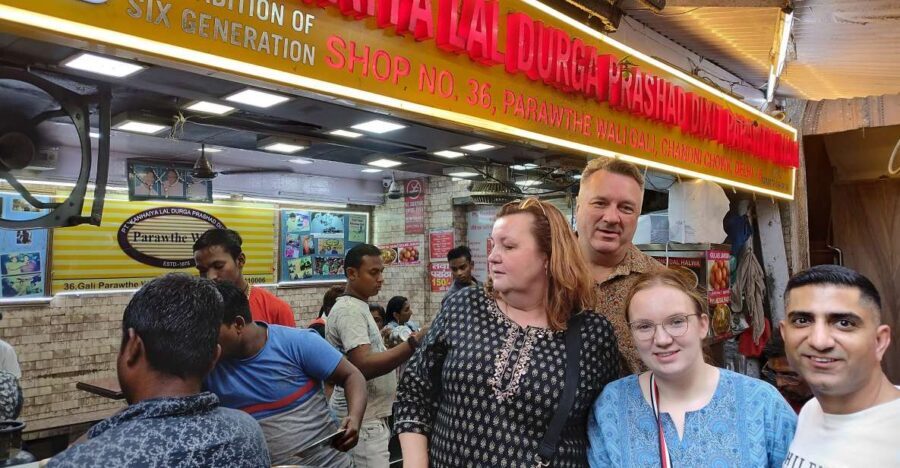
- Paranthe Wali Gali paratha stop with stories about Old Delhi’s food traditions
- Cycle-rickshaw ride to Khari Baoli for a firsthand spice-market experience
- Faith sites in one route: Jama Masjid, a Jain temple pause, and Gurudwara Sis Ganj Sahib
- Photo opportunities like Naughara colorful heritage homes and market scenes
- Safety and logistics in crowds with a guide who keeps your group moving
Old Delhi on foot: why this route works fast
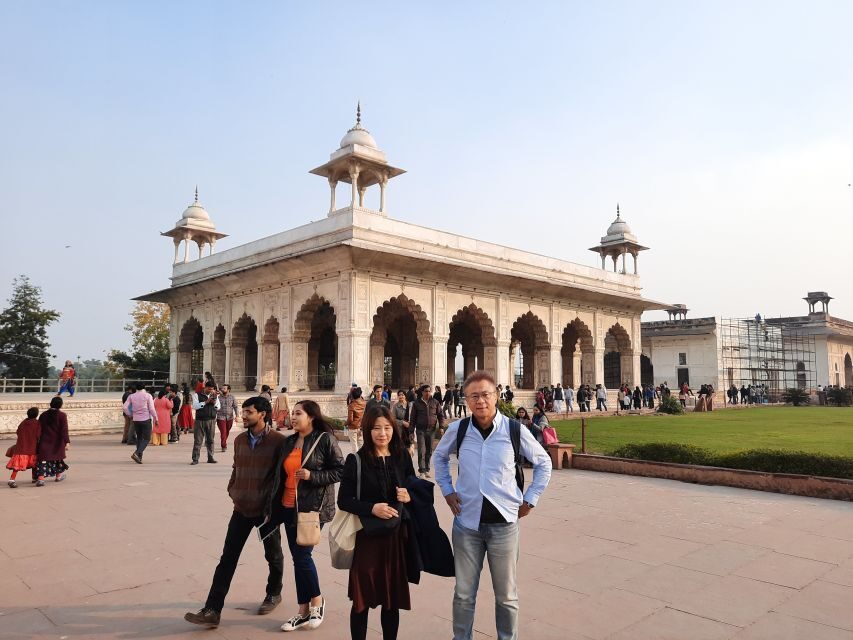
This tour is built for a common problem in Delhi: you want the real Old Delhi, but you don’t want to wrestle with directions, crowds, and shoe rules on your own. You also get a mix that makes the area make sense. Big Mughal-era architecture shows up first, then the markets explain how people actually live and shop.
What I like most is the flow. It starts with major landmarks, then shifts into commercial streets (jewelry lanes, spice trading), and ends in a way that feels like a natural wrap-up: a final rickshaw ride back through the backstreets. It’s not rushed “checklist sightseeing.” It’s a guided walk that helps you understand what you’re seeing while you’re seeing it.
One thing to keep in mind: this is not a sit-and-stare museum tour. Old Delhi is noisy and close. If you’re easily overwhelmed by crowds, plan to bring patience—and keep your expectations realistic about walking time.
You can also read our reviews of more walking tours in New Delhi



Meeting point and how the pickup game is set up
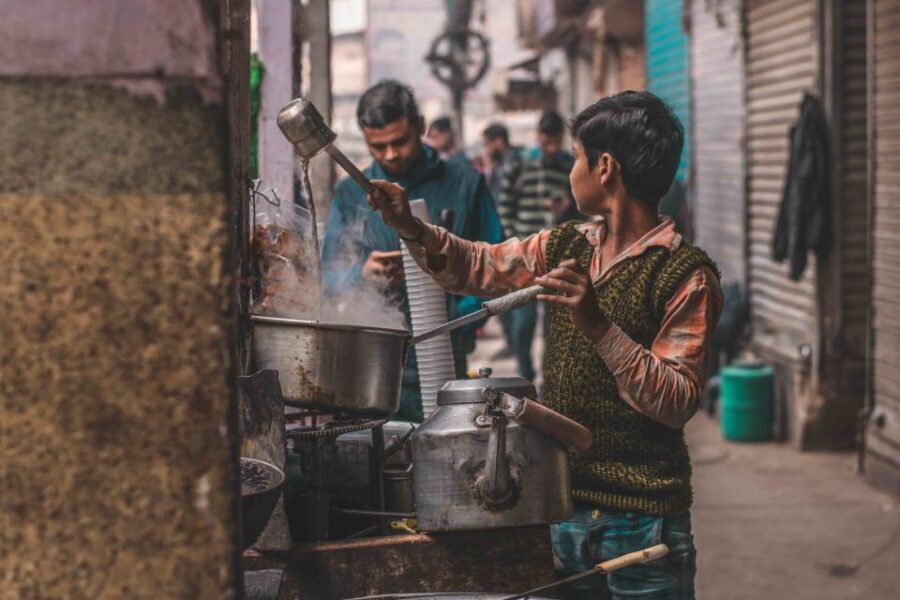
The meeting point is outside United Coffee House in Connaught Place. If you’re coming by Metro, exit from Gate 4 of Rajiv Chowk. From there, the tour can connect you to hotel pickup options depending on what you choose.
The practical win here is that you’re not starting the day cold in a maze. The tour includes hotel/accommodation/airport/railway-station pickup and drop-off, with pickup available across Delhi, Noida, Gurugram, and Faridabad. That matters because Old Delhi traffic and parking can eat up your time fast.
Also note the drop-off flexibility: it lists multiple drop locations (including Ghaziabad, Delhi, Noida, and Gurugram). So you don’t have to worry about getting “back on your own” at the end when you’re tired.
Jama Masjid: Mughal scale plus a smooth entry plan
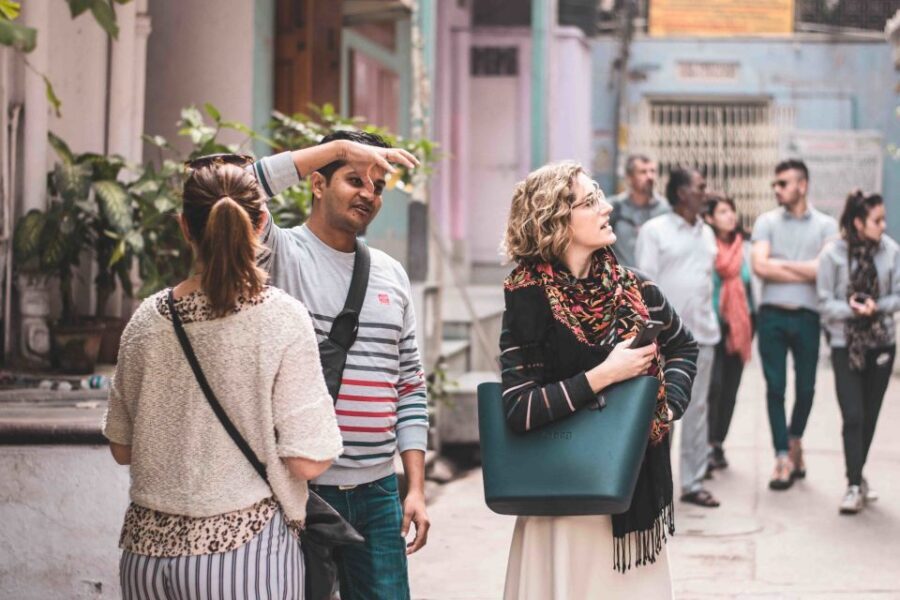
Jama Masjid is the anchor stop, and it’s a dramatic one. You’ll arrive first at India’s largest mosque, with its big Mughal domes and tall minarets dominating the skyline. The courtyards are where the scale hits you. Even when it’s crowded, the architecture keeps pulling your eyes upward.
One of the smartest parts of this tour is the separate entrance for a skip-the-line visit. It doesn’t remove the need for entry rules, but it can save you the frustrating wait that comes with peak visiting hours.
Do keep expectations grounded: you should expect mosque etiquette. Knees and shoulders must be covered. You’ll also need to remove shoes at places of worship, and the tour says shoes/slippers can be stored for you safely. Bring footwear you can take off quickly and plan to carry your socks or use footwear that feels comfortable for removal.
Entry ticket for Jama Masjid is not included, so you may pay that separately. If you want the least hassle, wear the right clothes from the start and keep your hands free for the shoe-handling moment.
Chawri Bazar to Dariba Kalan and Kinari Bazaar
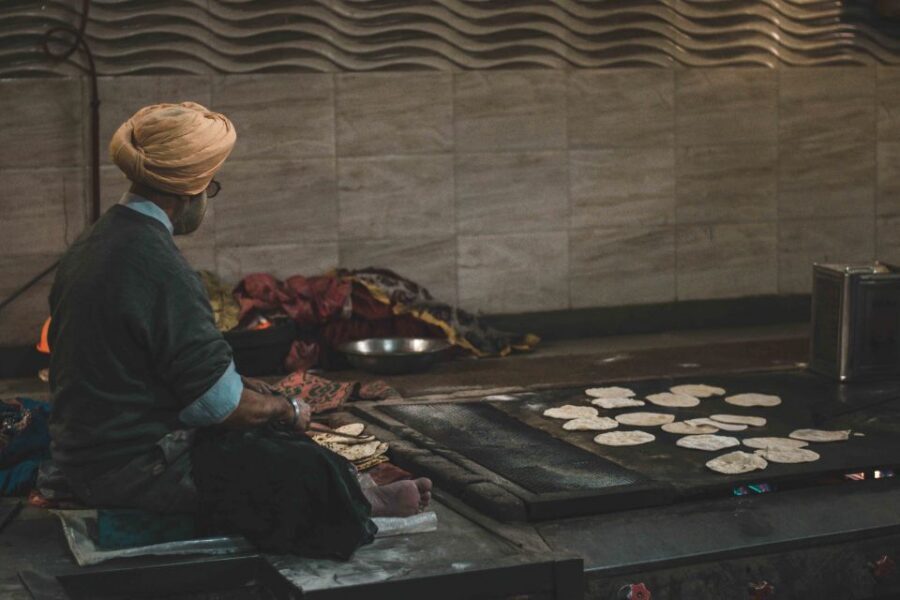
After Jama Masjid, you shift from monument scale to street commerce. The tour walks you through Chawri Bazar and then onward into Dariba Kalan (Silver Street) and Kinari Bazaar.
This stretch is where Old Delhi starts to feel like a working city. You’ll see rows of shops, traditional crafts, and the kinds of trading lanes that have been doing the same core job for generations. In Dariba Kalan and Kinari Bazaar, the focus leans toward jewelry and artisan work. If you like shopping, it’s great. If you don’t, it’s still valuable—because you’ll see what people buy and how they present products.
One practical consideration: these lanes can get tight, and the air can smell strongly from food and spices nearby. That’s normal. What helps is having a guide who keeps the group moving and doesn’t let you get stuck in the loudest parts for too long.
Naughara photo stop, then the Jain Temple reset
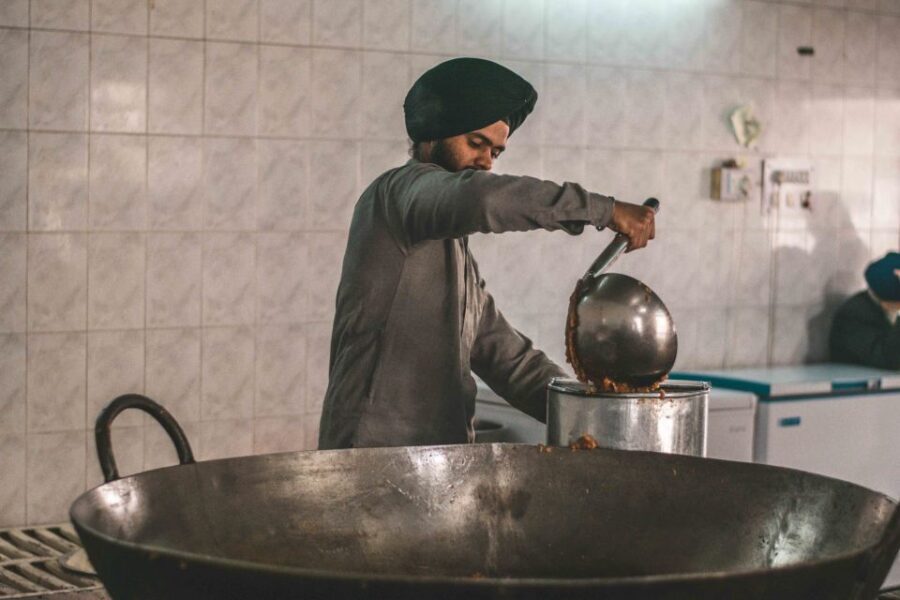
Naughara is a welcome pause—especially if your head is buzzing from crowds. You’ll have a photo stop there, with picturesque heritage homes in colorful settings. Even if you’re not a serious photographer, it’s a nice contrast break: less shop frontage, more architectural mood.
Then you head to an ornate Jain temple. This part of the tour works as a mental breather. The temple visit gives you a quieter beat after the market noise. You’ll see intricate carvings and a calmer, more reflective atmosphere compared with the street scenes.
This is a good reminder for what this tour really does well: it balances intensity with small “reset” moments. If you pace yourself—look, pause, look again—you’ll come away with more than just sensory overload.
You can also read our reviews of more historical tours in New Delhi




Paranthe Wali Gali: the food stop you’ll remember
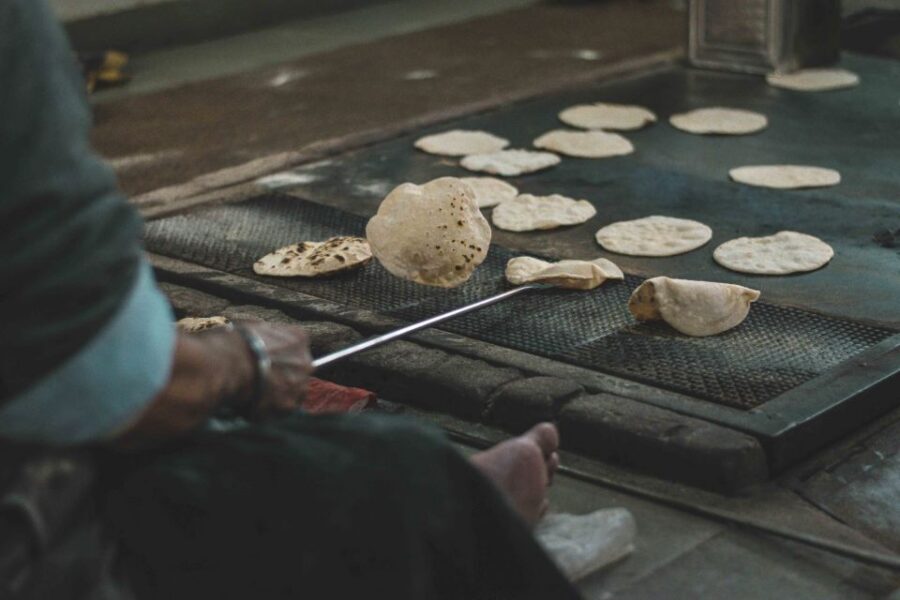
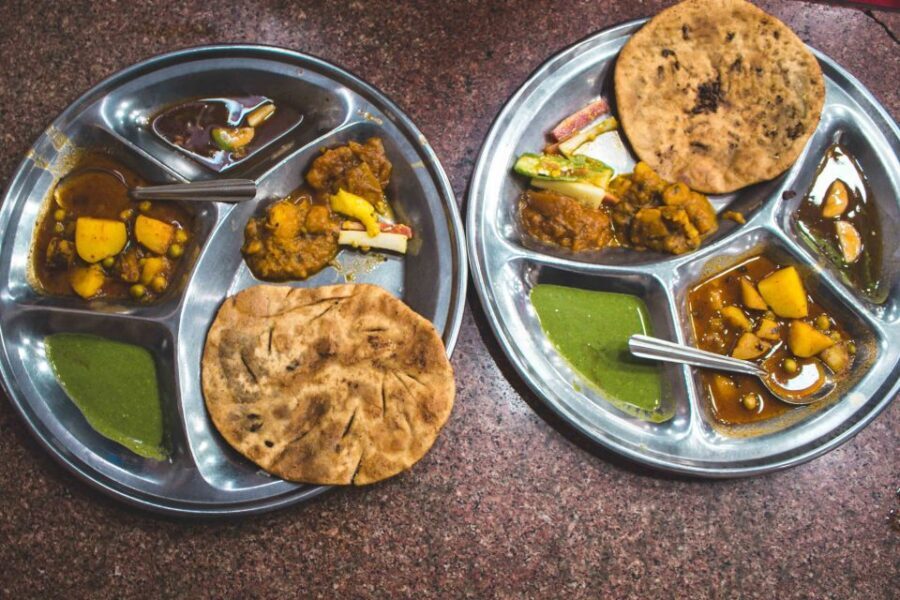
Paranthe Wali Gali is the lunch-and-stories moment. The highlight here is a paratha feast: stuffed paranthas that come packed with spices. More importantly, your guide doesn’t just drop you at a counter. You’ll hear what the food tradition means in Old Delhi and how it fits into daily life.
I think this stop is the best antidote to the fatigue Old Delhi can create. Walking builds an appetite fast. And parathas hit the spot: warm, filling, and made for people on the move.
A practical tip: ask your guide about spice levels before you commit. The tour centers spices, but you still control how spicy you go. Also, wear clothes you don’t mind getting a little warm in—since food stops often come right after the most active walking sections.
If you’re on a tight schedule, don’t treat this like a quick snack. The value is in the stop time plus the explanation that helps the flavors connect to the place.
Chandni Chowk connection: seeing the grid behind the chaos
You’ll pass through Chandni Chowk as part of the route. This stop helps you understand how Old Delhi’s markets and neighborhoods are stitched together. It’s also a useful “orientation” moment: after walking many narrow lanes, Chandni Chowk gives you a bigger view of how the streets feed into each other.
In a place like Delhi, this matters. Without a guide, it’s easy to see only what’s right in front of you. With a route that includes Chandni Chowk, you can track where you’ve been and where the commercial energy is flowing next.
Chandni Chowk can feel crowded, so again: keep your pace and use your guide for crossing logistics. The goal isn’t to race ahead. It’s to keep your comfort while you take in the sights.
Gurudwara Sis Ganj Sahib: community service in action

Gurudwara Sis Ganj Sahib is a meaningful stop because you don’t just see a building—you see the concept of service made real. You’ll visit the Gurudwara and explore its community kitchen, which embodies selfless service.
This is also one of the most human parts of the day. You’ll likely notice people working, helping, and moving with purpose. It can feel grounding after the sensory overload of market streets.
As always, keep worship etiquette in mind: shoulders and knees need coverage. Shoes come off inside worship areas, and the tour indicates shoes/slippers can be stored safely. Bring a scarf to help with coverage without improvising mid-tour.
Guides such as Anes, Nihar, and others have been praised for keeping guests comfortable and safe in tight conditions—this is exactly the kind of stop where that matters.
Khari Baoli by cycle-rickshaw: spices up close
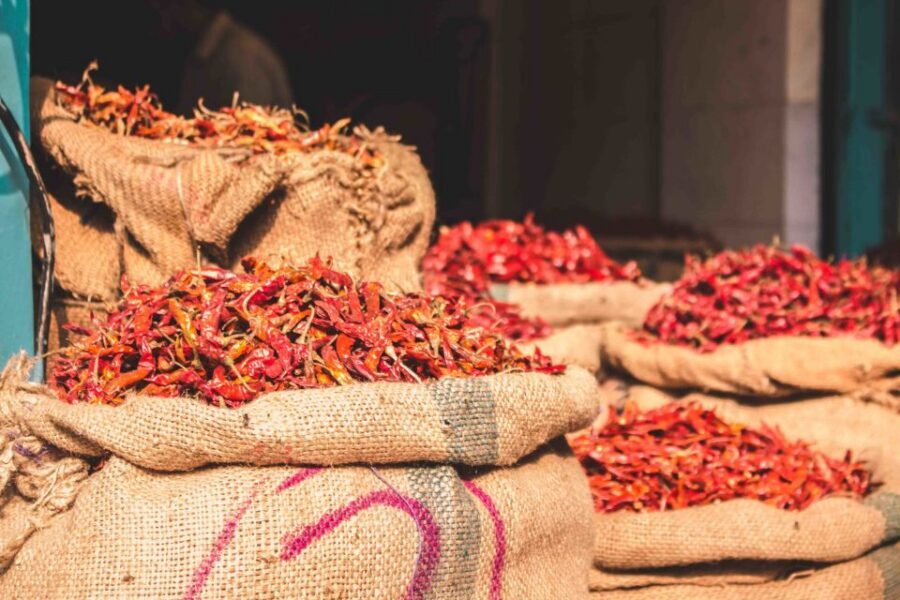
The tour ends on a high-scent, high-energy note at Khari Baoli, described as Asia’s largest spice market. Before you get there, you’ll board a traditional cycle rickshaw—one of the best “Old Delhi in motion” moments.
Inside the spice market, you can meet shopkeepers and learn everyday cooking uses, plus the idea of centuries-old Ayurvedic benefits tied to common spices. Even if you’re not deeply into herbal tradition, it’s useful to learn what each spice is actually used for in real cooking, not just how it looks.
One of the tour’s smart features here: optional shopping. You can browse freely, but if you buy, the tour mentions safely sealed spice packs to take home—so you’re not stuck with loose powders or worried about spills.
Keep in mind the sensory side: spices can be intense. If you’re sensitive to smell, pace yourself and take breaks when you need them.
Shopping and souvenirs: how to buy without chaos
Old Delhi shopping is exciting, but it can also be stressful if you’re doing it while exhausted. This tour helps by offering a structured shopping moment—especially around Khari Baoli—where the guide can explain how to pick spices that match your cooking.
The key detail is sealed spice packs. That’s what makes take-home shopping easier and less messy. You can browse, pick what sounds useful to you, and leave with something that’s easier to transport than loose bulk powders.
Also, remember the boundaries: personal expenses and shopping aren’t included. So treat the tour fee as your guided experience, and treat purchases as optional add-ons.
Time, pacing, and what can throw your day off
Your duration is listed as 3 to 7 hours. That range is real in Old Delhi, because the streets decide how fast you move. Crowds at major sites, time spent walking between areas, and how long you want to browse can stretch things.
Heat and comfort matter. The tour recommends a sun hat and sunscreen, and those are not just “nice to have.” If you’re planning to walk in summer, you’ll want those from the start.
One more practical note: the tour isn’t suitable for wheelchair users. Also, the tour lists rules like no shorts, no luggage or large bags, and no pets. That means you should pack light—small day bag is fine, but avoid anything bulky.
A small but real win: transport has a high rating (93% of reviewers gave it a perfect score). That matters when you’re moving between areas and want a smoother pickup/drop and transit rhythm.
Price and value: is $10 per person actually worth it?
At $10 per person, the price is low for what you get: an English-language (and other languages) guide, pickup and drop-off, multiple major stops, and rickshaw-style transport within the market areas. When you include that you’re getting help navigating crowds plus an organized route that hits key places, it starts to feel like a bargain.
What’s not included are the Jama Masjid entry ticket, personal expenses, and shopping. So plan for those extras. But even with that, you’re paying for logistics and interpretation, not just walking.
I also like that the tour can run as a private group. If you’re traveling with family, or you want a more relaxed pace in the same areas, a private setup can make the day feel less cramped and more tailored.
Who should book this tour (and who should skip)
This tour is a good fit if you want:
- a first serious look at Old Delhi without getting lost
- religious and market stops in one connected route
- a food stop that’s more than a random bite
- a spice-market experience you can actually learn from
You might want to skip it (or pick a lighter option) if:
- you need step-free access and mobility support (it’s not suitable for wheelchair users)
- you can’t handle crowds, noise, and strong smells
- you travel with lots of luggage (large bags aren’t allowed)
If you’re a solo traveler, this route is especially useful because it’s the kind of place where a guide helps you feel confident. Even if you’re not shopping, you’ll come away with a much clearer sense of how Old Delhi works.
Should you book this Old Delhi heritage walking tour?
I’d book it if you’re doing Delhi for a short time and want the essentials—Jama Masjid, major markets, a paratha stop, Gurudwara Sis Ganj, and Khari Baoli spices—without piecing it together on your own.
Go for it if you like walking with context: what each place is, how it connects to daily life, and what to do (and not do) with clothing and shoes at worship sites. The guide is the difference-maker here; the day runs best when you trust the person steering you through the tight lanes.
If you hate crowds or you’re traveling with limited stamina, think carefully about the walking intensity. But for most visitors, it’s one of the smartest “value-per-hour” ways to experience Old Delhi the right way.
FAQ
What is the meeting point for the Old Delhi walking tour?
You meet outside United Coffee House in Connaught Place. If you’re arriving by Metro/subway, exit from Gate 4 of Rajiv Chowk.
How long is the tour?
The duration is listed as 3 to 7 hours.
What is included in the tour price?
The tour includes an English/language speaking guide, hotel/accommodation/airport & railway station pickup and drop-off, and sightseeing as per the itinerary.
What is not included?
Not included are the Jama Masjid entry ticket, tips for the guide (recommended), and personal expenses & shopping.
Is Jama Masjid entry ticket included, or do I pay separately?
The Jama Masjid entry ticket is not included, so you should expect to pay separately.
Do you offer hotel or airport pickup?
Yes. Pickup is optional and available from hotels/accommodations and also from airports, railway stations, and bus stops in Delhi, with pickup coverage listed for Delhi, Noida, Gurugram, and Faridabad.
What languages are available for the guide?
The guide is available in English, French, German, Italian, and Spanish.
What should I wear or bring for places of worship?
Bring comfortable shoes, a sun hat, sunscreen, and a scarf. Knees and shoulders must be covered at places of worship, and you may need to remove shoes.
Is the tour wheelchair accessible, and can I cancel for a refund?
The tour is not suitable for wheelchair users. Free cancellation is available up to 24 hours in advance for a full refund.