REVIEW · MUMBAI
Mumbai Night Tour
Book on GetYourGuide →Operated by Mystical Mumbai · Bookable on GetYourGuide
Mumbai at night hits different. I love how this tour lines up the Gateway of India floodlights with a drive along Marine Drive, so you see Mumbai as more than just daytime crowds. The guide keeps it moving and makes the lights mean something, with stories tied to what you’re actually looking at.
Two big wins for me are the chance to take in the monument at night and the architectural vibe along Marine Drive as the city turns its lights on. One caution: pickup can feel a little messy at first (one traveler noted a chaotic start), so arrive a touch early at Friends Colony and keep your patience switched on.
In This Review
- Key highlights you’ll remember
- Why Mumbai Looks Different After Dark
- Friends Colony Pickup and the Gateway of India at Night
- Quick tip for how to use your time here
- Chhatrapati Shivaji Maharaj Terminus: A Night Stop With a Name Change Story
- Marine Drive: Art Deco Lights Along a Famous Boulevard
- Malabar Hill and the Taj Mahal Palace: Two Different Kinds of Night Focus
- What makes this pairing work
- Hanging Gardens: Your Best Chance for a Skyline Moment
- Guides Shape the Night: Aarti, Mukesh, Sangeeta, and Rajh
- Price and Value: What $46 Covers (and Why It’s Worth It)
- Who This Mumbai Night Tour Fits Best
- Should You Book This Mumbai Night Tour?
Key highlights you’ll remember
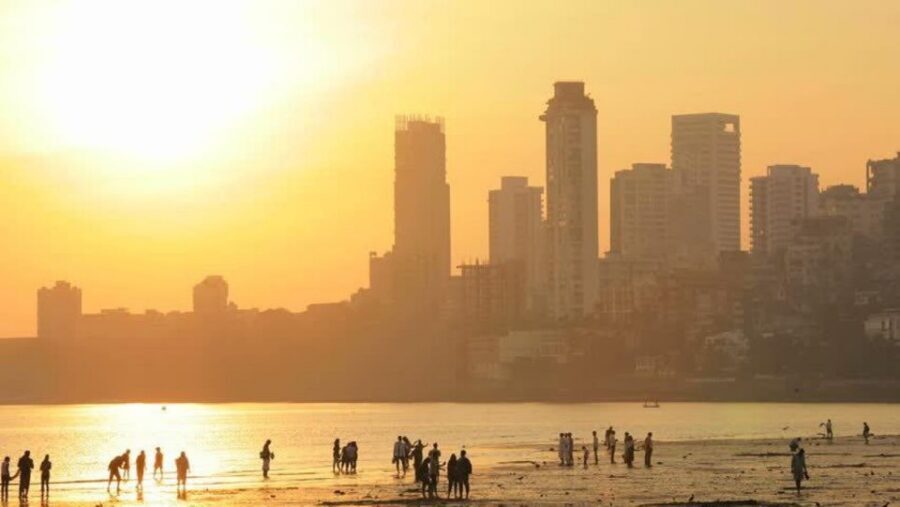
- Gateway of India floodlights for a focused, guided look at one of Mumbai’s most famous arches
- Marine Drive Art Deco streetscape with stops by name for buildings like Kapur Mahal, Zaver Mahal, and Keval Mahal
- Chhatrapati Shivaji Maharaj Terminus viewpoint time that includes a guided stop and the key detail about the station’s 2017 renaming
- Malabar Hill skyline time paired with the famous Hanging Gardens night views
- Guides with real personality, including examples like Aarti, Mukesh, Sangeeta, and Rajh, who shaped the tour experience in noticeably personal ways
Why Mumbai Looks Different After Dark
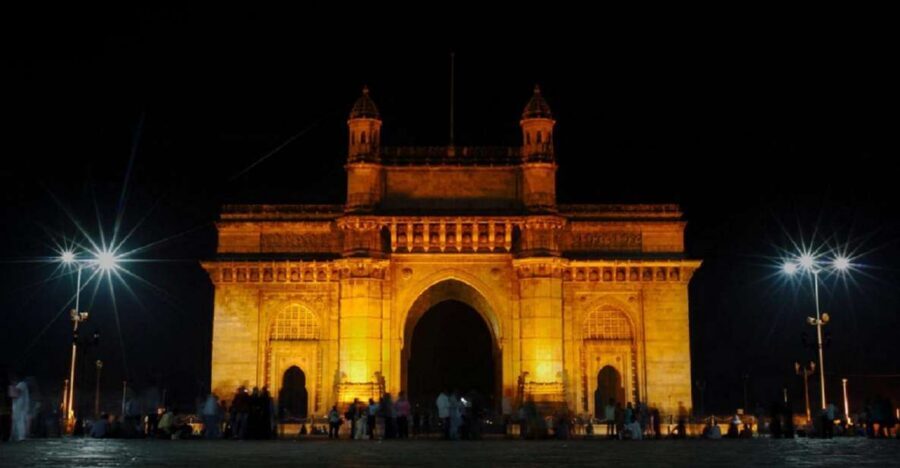
Mumbai night sightseeing is a lesson in contrast. Daytime gives you volume—people, traffic, plans. Night gives you form: monuments glow, long boulevards stretch, and the city feels calmer enough to actually understand what you’re seeing.
This tour is built around that idea. You’re not wandering for hours on your own. Instead, you get a car ride through the city center plus guided stops at the big “look here” places—so you can focus on the visual impact of Mumbai after sunset.
It also helps that the driving route connects neighborhoods and landmarks that would be harder to stitch together quickly on your own, especially if you’re new to the city. In a single evening, you can cover the Gateway area, the central rail landmark, Marine Drive, and Malabar Hill.
You can also read our reviews of more evening experiences in Mumbai


Friends Colony Pickup and the Gateway of India at Night
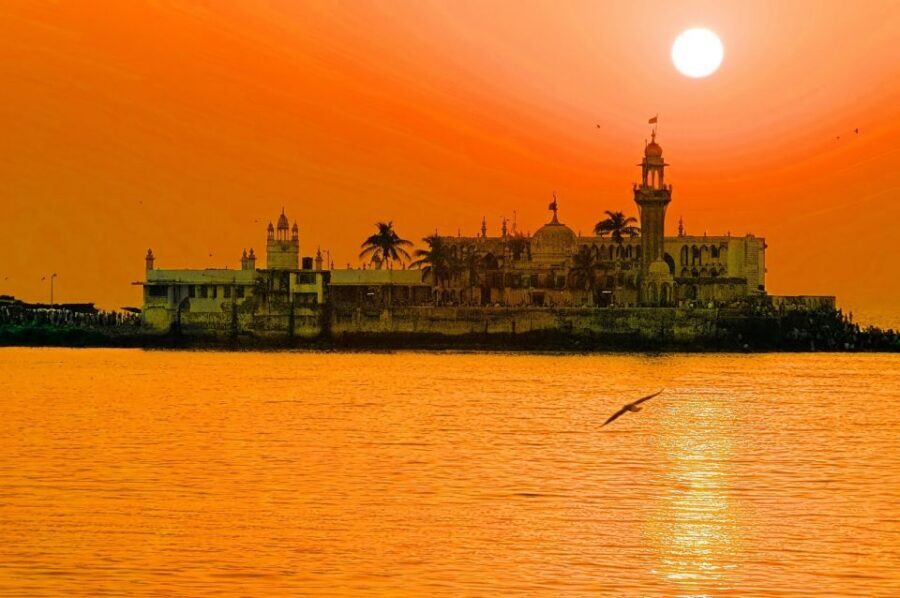
The evening begins with pickup from Friends Colony, then a smooth roll toward Apollo Bunder and the Gateway of India area. You’re in an air-conditioned car, which matters once the day heat has faded and you still want to arrive in good shape for walking and looking.
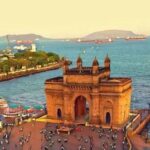
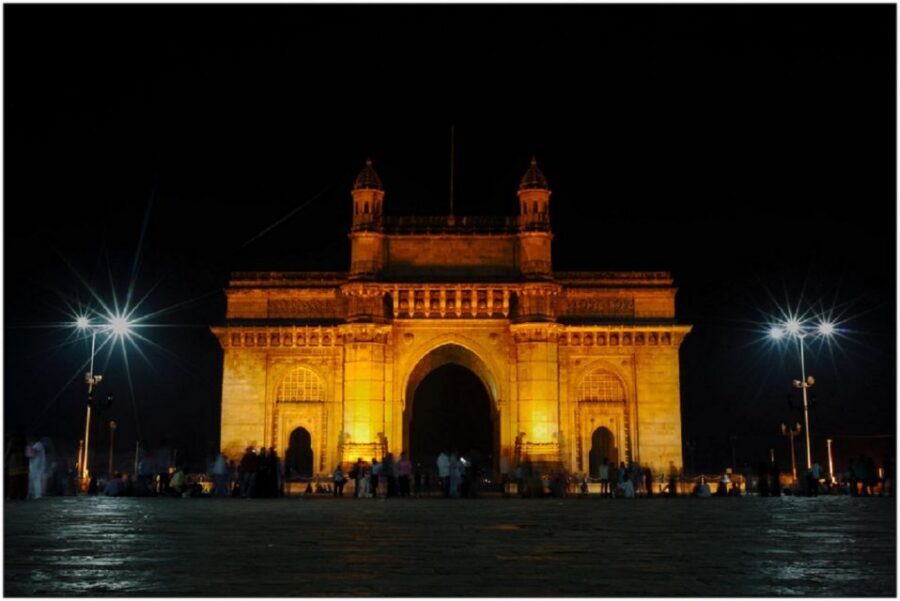
Your first real stop is at the Gateway of India, with guided sightseeing time. This is the monument that was built to celebrate the landing of King George V and Queen Mary in 1911. At night, that story lands differently. The arch looks grander, and the floodlighting makes the structure feel like a stage set instead of a background landmark.
Fifteen minutes won’t turn you into an architecture expert. But it’s enough time to get oriented, listen to the context from your guide, and soak up the main photo angles without rushing through the most important details.
Quick tip for how to use your time here
Ask your guide what to look for before you move away from the main viewing area. That short setup helps you “see with a purpose,” not just snap photos and hope something sticks in your memory.
Chhatrapati Shivaji Maharaj Terminus: A Night Stop With a Name Change Story
Next up is Chhatrapati Shivaji Maharaj Terminus, which is the renamed form of Victoria Terminus (renamed in May 2017). Your guided stop is brief—about twenty minutes—but it’s designed for recognition and context rather than a long, deep visit.
At night, a station landmark can feel cinematic. Even if you don’t ride trains during your visit, you get a sense of how the city keeps moving through architecture and infrastructure.
The key value here is the name story. That 2017 renaming detail isn’t just trivia. It’s a reminder that Mumbai’s landmarks are living parts of the city—names, meanings, and identities can change, and you’re seeing one of those shifts in real time.
Marine Drive: Art Deco Lights Along a Famous Boulevard
Then comes the part many people remember most: time along Marine Drive. You’ll drive down the boulevard and get guided sightseeing. It’s short—about fifteen minutes—but the visual payoff is high because Marine Drive is essentially a long ribbon of night lighting and landmark facades.
Here’s what makes this segment more than just a drive: the guide brings up the Art Deco buildings associated with the wealthy Parsis who developed the area in the 1920s. Your route includes examples named like Kapur Mahal, Zaver Mahal, and Keval Mahal.
When you hear those names as you pass them, it changes what you’re seeing. Without context, Art Deco can look like “pretty old buildings.” With context, you start noticing patterns and the way a neighborhood developed, block by block, during a specific era.
If you’re the type who enjoys city geography—where one road leads to another—Marine Drive is a strong backbone for that. You’re not just observing one site; you’re reading a whole stretch of the city.



Malabar Hill and the Taj Mahal Palace: Two Different Kinds of Night Focus
After Marine Drive, you shift toward Malabar Hill, where your guide gives you time for sightseeing and night views from this higher vantage point area. This is where the tour becomes more about perspective.
On Malabar Hill, the big idea is scale. You get the sense of Mumbai as a grid of lights rather than a collection of individual buildings. It’s also a nice break from street-level intensity, because you’re looking out at the city instead of staring at it while you stand in it.
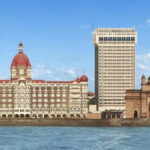
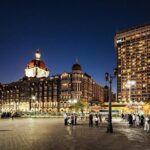
You’ll also pass by and spend a short guided moment connected to the Taj Mahal Palace, Mumbai. That stop is only about fifteen minutes, so you shouldn’t expect a long, in-depth experience. But it’s a useful “anchor” landmark that keeps the night route grounded in the city’s most well-known hospitality icon.
What makes this pairing work
Malabar Hill gives you “where the city sits,” while the Taj Mahal Palace stop gives you “what Mumbai is famous for.” Together, it’s a well-balanced shift from views to identity.
Hanging Gardens: Your Best Chance for a Skyline Moment
The tour’s last major sightseeing time is at Hanging Gardens Mumbai, with guided sightseeing time. This is one of the highlights for a reason: you get amazing views of the city from this elevated spot.
A garden viewpoint works especially well after dark because the skyline becomes the main feature. Instead of focusing on day-to-day details—paths, plantings, textures—you’re looking at light patterns and the way Mumbai spreads out.
It’s also a practical way to end. By the time you arrive at Hanging Gardens, you’ve already collected the key landmarks along the route. The last stop becomes the “big picture” payoff: you see how the city connects.
Guides Shape the Night: Aarti, Mukesh, Sangeeta, and Rajh
This kind of night tour lives or dies on the guide. The route is structured, but the storytelling and pacing can vary. That’s where guides with real personality stand out—literally, because you remember how they guided your attention.
Aarti is a great example from real experiences: one guest described how Aarti adjusted the plan to fit them and even took them to her home to sample real life in Mumbai. That’s not the kind of add-on you should expect every time, but it shows what’s possible when a guide cares about more than just ticking off stops.
Mukesh is another name associated with decision-making that felt respectful—one traveler noted Mukesh let them decide what they wanted to do rather than forcing a rigid script. This is the right approach for an evening tour, because night sightseeing often comes down to your energy level: do you want more photos, more stories, or more quiet viewing time?
Sangeeta showed up in feedback tied to organization and smooth handling once the tour got going. Rajh was credited with clear explanations and an overall friendly vibe between guide and driver.
One practical takeaway for you: if you have a specific interest—architecture, city layout, or landmark stories—tell your guide early. Your experience improves when you communicate what you want to pay attention to.
Price and Value: What $46 Covers (and Why It’s Worth It)
At about $46 per person for a roughly three-hour night tour (it can run 3 to 4 hours depending on the flow), you’re paying for three things that are hard to manage solo: transportation, guided interpretation, and hotel pickup/drop-off.
The hotel pickup and drop-off from Friends Colony area means you don’t need to solve the evening logistics. Add air-conditioned car transport through the city center, and you’ve removed a lot of the friction that usually comes with night plans.
Then there’s the guide in English, German, or Spanish. That language support is a real value item. Mumbai landmarks are dense with meaning, and a guide helps you connect what you see to why it matters—like the Gateway’s 1911 landing context and the 2017 renaming detail for the rail terminus.
Could you piece together some of this on your own? Sure. But you’d be trading away the convenience of one planned route and the “why” behind the landmarks. This tour is a strong pick if you want a guided night overview without turning your evening into a scheduling project.
Who This Mumbai Night Tour Fits Best
This tour is especially good for:
- First-timers who want a hit list of Mumbai landmarks after dark
- People on a short schedule who want multiple top sights in one evening
- Couples and solo visitors who appreciate the structure of pickup and guided stops
It also suits you if you like getting the city’s big markers—Gateway of India, Marine Drive, Malabar Hill—without having to understand Mumbai geography on day one.
On the other hand, you might feel rushed if you’re the type who wants long stays at each landmark, or if you prefer to roam freely without a set route. This is about the night overview, not a slow, deep, stay-all-night experience.
Should You Book This Mumbai Night Tour?
I’d book it if you want an efficient, well-timed night tour that mixes iconic monuments with skyline views—and you want a guide to connect the dots as you go. The Gateway floodlights, the Marine Drive Art Deco storytelling, and the Hanging Gardens perspective are exactly the kind of moments that work best with guidance and smart timing.
Skip it if your goal is deep exploration inside buildings or a long linger at one single site. This experience is designed for several key stops, and you’ll feel the “evening rhythm” more than the “stay all night” vibe.
If you want a simple win—pickup handled, car handled, guide language handled—this is a strong way to make your first Mumbai night count.