REVIEW · MUMBAI
Mumbai: Day & Night City Tours with Multiple Add On Options
Book on GetYourGuide →Operated by Mumbai Excursions · Bookable on GetYourGuide
Mumbai turns on fast after dark. This tour is built for day-to-night flexibility, with photo stops, guided walks, and an English-speaking guide who makes the city’s landmarks click. You also get to pick the vibe: colonial sights by day, glowing skyline and street food options at night, or a focused theme like food, religion, or markets.
I really like two things here: the private AC car (with drivers who know how to work Mumbai traffic) and the way the route stacks major sights close together so you don’t burn hours just repositioning. The other big plus is the food side of the experience—when you choose a food add-on, you may end up with everything from a classic local dish stop to a home-cooked meal with a hostess like Nashrah.
One thing to keep in mind: timing matters. If you choose the wrong start time for a night tour, you can end up seeing some big sights while they’re still daylight—and that reduces the full lights-on effect. And if you pick the shopping or market options, be ready that there can be a more sales-driven stop (one review flagged pressure around a carpet shop).
In This Review
- Quick hits: what makes this Mumbai tour worth your time
- The best reason to book: you get a workable route in limited hours
- Day vs night: how the same landmarks feel totally different
- Your itinerary, stop by stop: what each place is really for
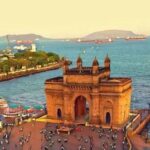
- Gateway of India: the photo stop that sets the tone
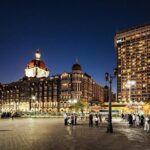
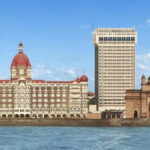
- Taj Mahal Palace: historic luxury without the museum vibe
- Oval Maidan and Rajabai Clock Tower: the architecture you can frame fast
- Churchgate Railway Station: history you can feel in the bones
- Marine Drive: the most famous stretch for a reason
- Malabar Hill, Hanging Gardens, and Kamala Nehru Park: viewpoints with breathing room
- Crawford Market: where souvenirs meet the real city
- Chhatrapati Shivaji Maharaj Terminus: Victoria Terminus magic, done right
- Asiatic Society, Flora Fountain, and Regal Cinema: small stops that add texture
- Food and markets add-ons: what you’re choosing, and what can surprise you
- Transport, pacing, and the reality of Mumbai traffic
- Where you start and where you end
- Price and value: why $16 can work (and when it might not)
- Who should book this Mumbai day-and-night tour
- My practical advice before you go
- Should you book this tour?
- FAQ
- How long is the tour?
- Is this tour private or part of a group?
- Does the price include entry tickets?
- Do I get hotel pickup?
- Can cruise passengers join?
- Is airport pickup available?
- Is the tour wheelchair accessible?
Quick hits: what makes this Mumbai tour worth your time
- Day and night options so you can match the plan to your schedule, not the other way around
- A guide in English who explains what you’re seeing at key stops (I found names like Shalmali, Nikhil, Shivam, Aryan, and Atik came up often)
- AC transport with experienced drivers who handle crowds and rush-hour stress better than most solo plans
- Photo-first sightseeing at places like Gateway of India, Rajabai Clock Tower, Churchgate, and Marine Drive
- Real food choices via food-tasting or home-cooked options, sometimes with how-to tips for eating like a local
- Crawford Market and souvenir time built in, not tacked on at the end
The best reason to book: you get a workable route in limited hours
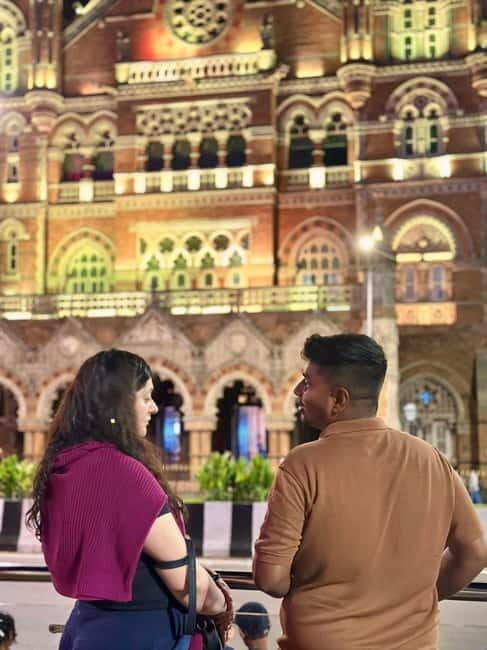
Mumbai is not a “walk everywhere” kind of city for most visitors. Distances add up, and traffic can turn a simple plan into a stressful one. This is why I like that this tour is structured around a compact loop in South Mumbai, with stops that mix major landmarks, viewpoints, and a couple of short guided breaks.
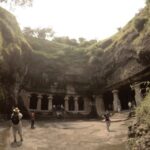
Even better, it’s flexible. You’re not stuck with one rigid script. The experience offers multiple add-ons—so you can keep the core city sightseeing and then trade in or expand the focus toward food, markets, Bollywood, religion, or even Elephanta Caves and Dharavi (depending on the option you select). That’s useful if you’ve already visited some Mumbai highlights and want a second angle.
You can also read our reviews of more city tours in Mumbai


Day vs night: how the same landmarks feel totally different
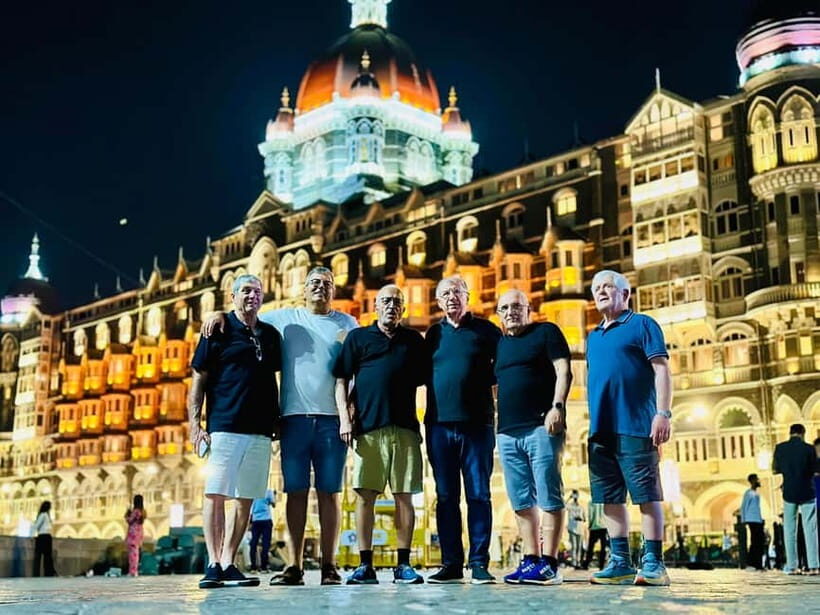
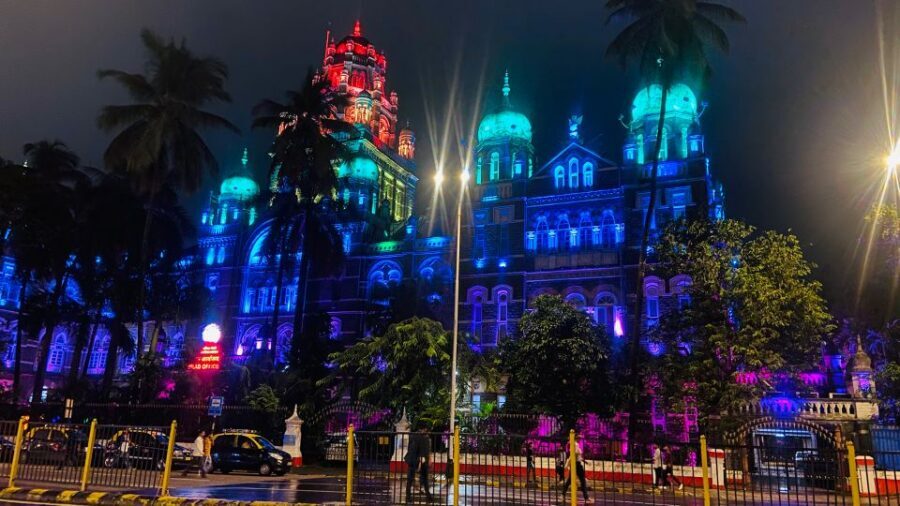
If you’ve got one full day or just a single evening, this is a smart way to sample Mumbai’s two moods. By day, you can study architecture and take cleaner photos. By night, the city’s energy changes—facades glow, streets feel busier, and viewpoints like Marine Drive become a whole different experience.
Here’s what that means in practice:
- For night tours, choose a later start if you want the skyline and lit-up buildings to be the main event. One reviewer noted that starting too early meant losing some of the night effect.
- Expect a lot of passing time in an AC car. That’s not a flaw; it’s the tradeoff for covering many stops without overheating or getting stuck between far-apart neighborhoods.
Guides often build the narrative around the lighting. With a guide like Shalmali, for example, the way she described Mumbai made the landmarks feel more like chapters than photo backdrops. On other nights, guides such as Shivam or Aryan leaned into the city’s stories and paired them with specific dish suggestions during food stops.
Your itinerary, stop by stop: what each place is really for
This tour moves through classic South Mumbai sights—mostly at the best moments for photos, with a guided explanation where it counts. Here’s the “why it’s on the route” for the major pieces you’ll typically see.
Gateway of India: the photo stop that sets the tone
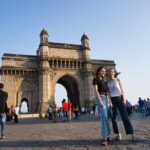
Gateway of India is where most people first understand Mumbai’s coastal identity. You’ll get a photo stop and guided context here, which helps the rest of the walk make sense—especially if you plan to keep going toward the Taj Mahal Palace area and deeper into the heritage core.
If you’re arriving from a cruise, this area also links with the logistics of where you may start and end. The tour is designed to work with cruise options specifically, with pickup from the cruise terminal exit area (the Green Gate is mentioned for cruise pickups).
Taj Mahal Palace: historic luxury without the museum vibe
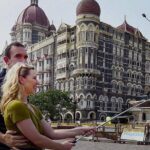
At the Taj Mahal Palace, you’ll get guided time plus photos. This stop works because it’s iconic but also recognizable in a “real city” way—you’re not stuck in a ticket line or an indoor exhibit. If you do the religion-focused add-on option later, the guide’s storytelling often connects the Taj and the area’s cultural blend.
You can also read our reviews of more evening experiences in Mumbai



Oval Maidan and Rajabai Clock Tower: the architecture you can frame fast
Oval Maidan is a big open space that gives you room to orient. Rajabai Clock Tower is built for photos, and it’s one of those landmarks where a short guided explanation can make it feel less random and more intentional.
Practical tip: bring your phone charger or power bank. You’ll be taking photos. These spots are set up for quick framing, and you’ll want to keep your battery alive.
Churchgate Railway Station: history you can feel in the bones
Churchgate appears as a guided stop, which is a good sign. Rail stations in India aren’t just transit—they’re landmarks with living history. You’ll also get context for the city’s layout and how these rail corridors shaped modern Mumbai.
Marine Drive: the most famous stretch for a reason
Marine Drive is described as guided sightseeing, and that’s correct—this is not just scenery. The views at night are a major highlight, and it’s often where the tour’s “city glow” energy peaks.
One consistent theme from the experience feedback: Marine Drive at night is the kind of stop that sticks in your memory. If your schedule allows, try to plan your night viewing so this becomes a core moment, not an in-between stop while traffic relocates you.
Malabar Hill, Hanging Gardens, and Kamala Nehru Park: viewpoints with breathing room
These stops are about perspective. Malabar Hill is a viewpoint area; Hanging Gardens adds a garden-side angle; Kamala Nehru Park is another scenic pause.
Keep expectations realistic: you won’t linger for hours. You’ll move through, get guided highlights, and take photos. But that’s enough to give you a mental map of how Mumbai sits between sea, ridge, and skyline.
Crawford Market: where souvenirs meet the real city
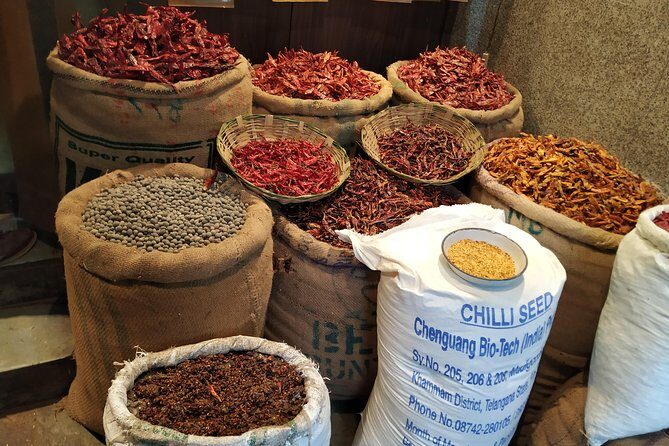
Crawford Market is guided, and shopping time is built in. This is one of the most practical stops on the route because it’s designed for buying things—spices, small souvenirs, and everyday items you’ll actually use later.
The main value here is twofold:
- You get a guided orientation so you don’t feel lost in a market maze.
- You get a time window for shopping that doesn’t swallow your whole tour.
Chhatrapati Shivaji Maharaj Terminus: Victoria Terminus magic, done right
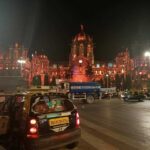
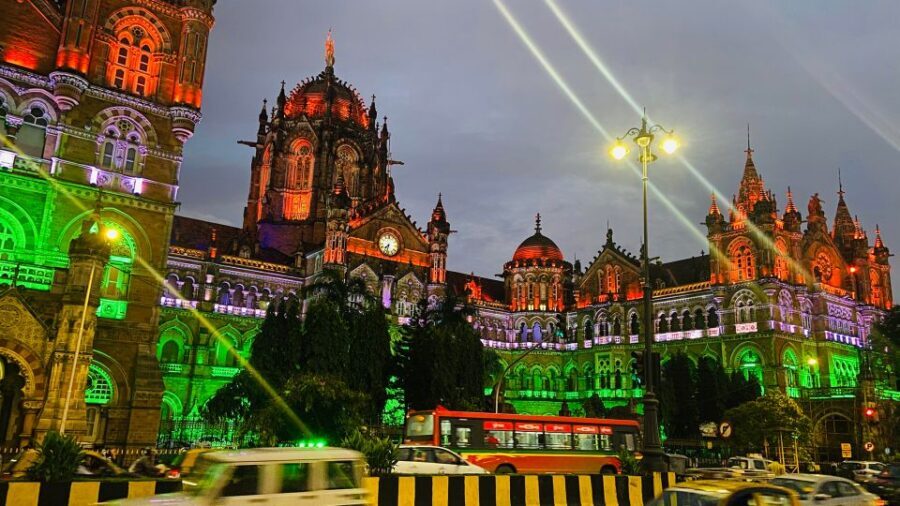
The tour includes a photo stop and guided time at Chhatrapati Shivaji Maharaj Terminus (the Victoria Terminus heritage area). If you’ve heard the name before, this is the stop that turns the reference into a real sense of scale. It’s also the type of landmark where a good guide helps you notice details rather than just admire the facade.
Asiatic Society, Flora Fountain, and Regal Cinema: small stops that add texture
You’ll see several “pass by” or photo-stop style items here—Asiatic Society, Flora Fountain, and Regal Cinema. Even if they’re quick, they help complete the feel of South Mumbai: colonial-era institutions, street-level life, and the kind of grand buildings that still function in the present.
Food and markets add-ons: what you’re choosing, and what can surprise you
This experience offers add-ons such as a food tour, a markets tour, and even a Private City Sightseeing & Food Tour style option. The key is to know that food experiences can land in different formats.
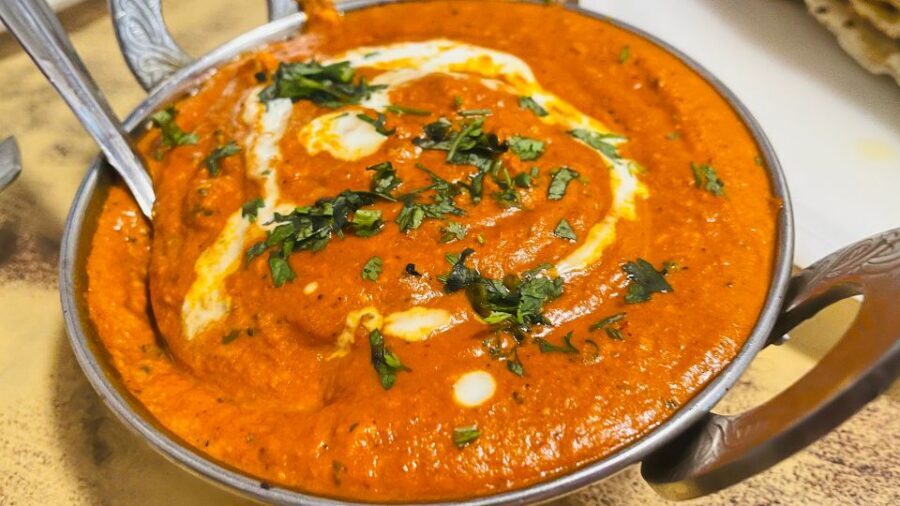
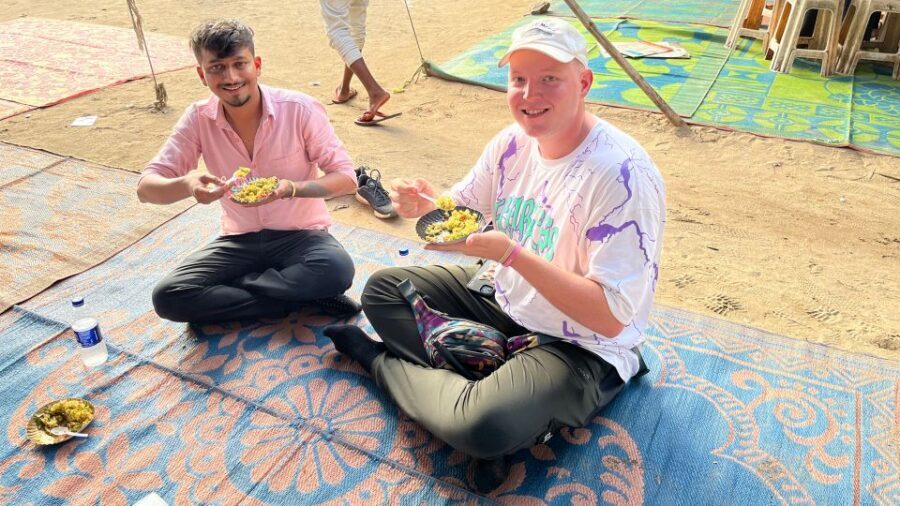
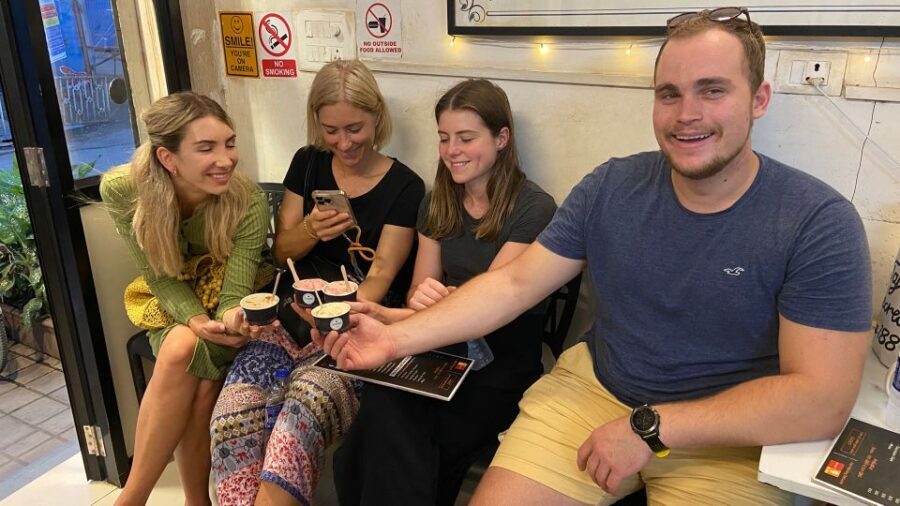
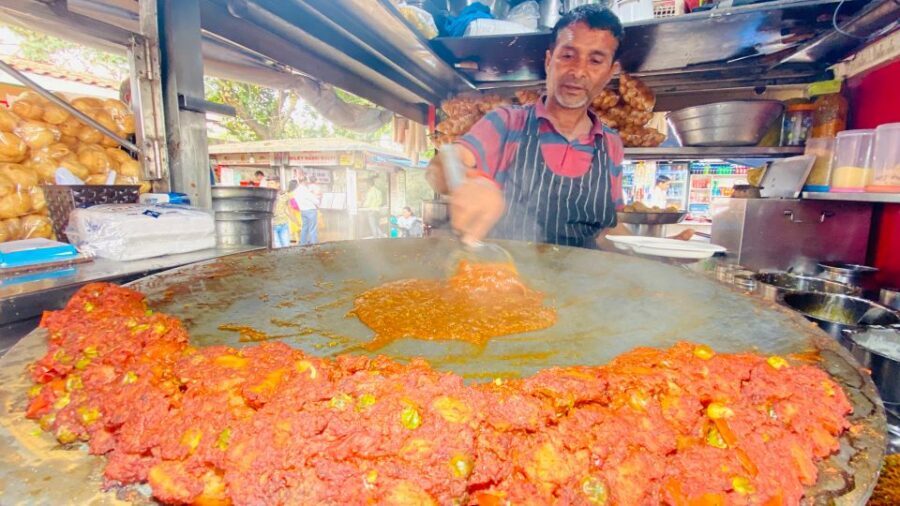
In the best versions of the food add-on, you’re eating actual local dishes and learning how to order, taste, and eat like a regular person. One reviewer described a home-cooked meal with hostess Nashrah, including hands-on guidance for eating. Another described a street-food plan plus extra care from the guide and driver, including checking on drinks and pacing.
But a balanced note: food can also mean a more structured meal setting instead of classic street hopping. One review said the tour felt more like a cafe stop than pure street food, even though the taster platter was nice.
If you want street food energy, say so in your planning. If your option includes a local-family meal, treat that as a cultural moment, not a downgrade. Some of the most memorable food in Mumbai is the kind you eat where the city’s daily life happens.
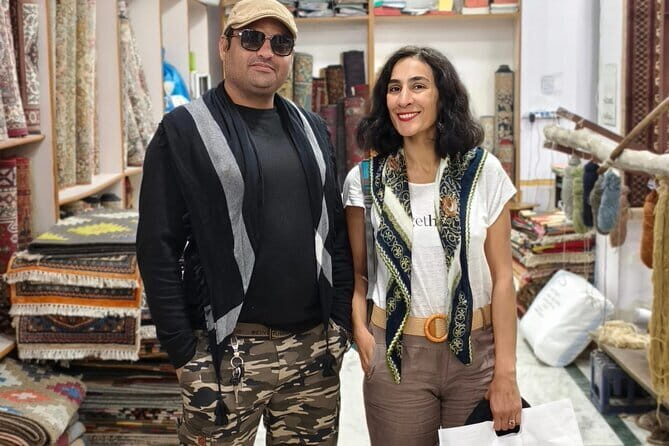
As for shopping: markets can be great. Yet one review called out a pressure-heavy carpet shop stop, which is exactly the kind of thing I’d watch for if you dislike sales tactics. If shopping is not your goal, you can still enjoy the market as a browsing experience and buy only what you genuinely want.
Transport, pacing, and the reality of Mumbai traffic
The tour uses an air-conditioned vehicle with a driver, and the driver quality shows up in feedback again and again. Names like Hassan, Dildar, Sultan, Karim, JQ, Samhsher, and others came up tied to safe driving and smart timing through crowds.
That matters because a sightseeing route is only as good as how smoothly it moves. In Mumbai, traffic changes by the minute. For Diwali periods, for example, one review praised how the driver handled the rush without making the group feel unsafe or rushed.
Pacing is usually manageable: you’ll have guided sections, photo moments, and a few walking stretches (like the shopping and walk segment). Just remember: this is a “see a lot” tour, not a “stroll for hours” tour.
Where you start and where you end
Pickup can vary based on which option you book:
- If you choose private touring, hotel pickup and drop-off are included.
- For airport arrivals, pickup is offered with a note that airport parking fees are extra.
- For cruise passengers, you should book only the cruise ship tour option, with pickup at the Green Gate exit of the cruise terminal.
Drop-offs are also spread out, including locations such as Gateway of India Mumbai, Mumbai Cruise Terminal, and even PizzaExpress. That can be helpful if you’re planning dinner nearby.
Price and value: why $16 can work (and when it might not)
At around $16 per person, this is unusually affordable for a tour that includes an English guide, entry tickets and fees, bottled water, and AC transport for at least the private/small-group style options.
The value hinges on what you select:
- If you’re doing the core city sights (with lots of photo stops), you’re getting many landmarks in a short window.
- If you add food or markets, your money goes further because those experiences can replace the need to research and arrange meals on your own.
- If you select a themed add-on like Elephanta Caves or Dharavi, you’re paying for a guided structure that otherwise takes more logistics effort.
Where value can feel shaky is expectation mismatch. If you wanted pure street food and you get a meal-style stop, or you wanted night lights at peak darkness but the start time is earlier than you hoped, the money can feel less “wow” even if the tour still covers the route.
Still, even the cautious critics generally described the tour as a solid snapshot that covers more efficiently than trying to stitch together the same stops solo.
Who should book this Mumbai day-and-night tour
This tour fits best if:
- You want an overview of South Mumbai landmarks with a guide and transport doing the hard work.
- You only have a day or one evening and want a plan that reduces decision fatigue.
- You like photo stops but also want short guided explanations, not just sightseeing from the window.
- You’re traveling solo, as a couple, with family, or as a cruise passenger who needs workable timing.
It’s not a great match if you use a wheelchair; the experience notes it isn’t suitable for wheelchair users.
My practical advice before you go
- Decide your top goal: architecture photos, skyline lighting, or food. Then pick the day/night and add-on that supports it.
- For night tours, ask yourself: do you want lights-first or daylight-first? Start time can decide that.
- Bring a little cash for market browsing and souvenirs. Crawford Market is built for shopping time.
- Wear comfortable shoes. Even “short guided breaks” in Mumbai add up fast once you’re in crowds.
- If you dislike shopping pressure, steer your guide toward your preferred shopping style and skip any stop that feels too sales-heavy.
Should you book this tour?
I’d book it if you want an efficient South Mumbai highlights circuit with an English guide and reliable transport, and if you’re open to matching your expectations to the add-on you choose. The guide quality shows strongly in feedback—people like Shalmali, Nikhil, Aryan, Shivam, Atik, and others got praised for making the landmarks and the city feel understandable, not random.
Skip it or choose carefully if you’re the type who needs the night lights at peak darkness and hates any sales-driven shopping stop. In that case, pick the later start for night options and consider whether a markets or food add-on is worth it for your style.
If you want the easiest way to get your bearings fast in Mumbai—without burning your day in traffic—this is a solid, good-value choice.
FAQ
How long is the tour?
The duration can range from 2 to 9 hours depending on the option you select.
Is this tour private or part of a group?
You can choose private or small-group options.
Does the price include entry tickets?
Yes. Entry tickets and fees are included as part of the tour package.
Do I get hotel pickup?
For private tours, hotel pickup and drop-off are included. For group tours, hotel pickup and drop-off are not included.
Can cruise passengers join?
Yes, but cruise passengers should book the cruise ship tour option only, and pickup is at the Green Gate, the exit gate of the cruise terminal.
Is airport pickup available?
Airport pickup is available if you select the right option and provide flight details. You’ll need to pay airport parking fees extra.
Is the tour wheelchair accessible?
No. The tour is not suitable for wheelchair users.