REVIEW · JAIPUR
Heritage Walk & Street Food Tasting in Jaipur
Book on GetYourGuide →Operated by Rajasthan Cultural Tours · Bookable on GetYourGuide
Jaipur tastes better when you walk. This heritage walk & street food tour threads history, markets, and craft workshops into one smooth 3-hour loop. You’ll cover the historic lanes of old Jaipur and get explanations that connect what you’re eating to the city that made it.
I like two things most: the food is the star (samosa, kachori, famous sweets, and masala chai at local stops), and the walk gives context beyond snacks. You’ll also pass real working neighborhoods—like the community of metal beaters called Thatheras—and see details such as a Hindu temple visit, a community well, and even bangle making using sealing wax. The main downside is simple: it involves a lot of walking, and it isn’t suitable for wheelchair users.
What keeps this tour feeling honest is the small-group size (up to 10) and the guide-first approach, often led by people like Vivek or Raj. You get a structured route, but it still feels local, not like a checklist.
In This Review
- Key things you’ll notice on this Jaipur walk
- How a 3-Hour Jaipur Food Walk Works
- Starting at Golcha Cinema: pace, group size, and what to bring
- Chaura Rasta: tea, first street snacks, and market rhythm
- Badi Chaupar: gates, scenic views, and food that matches the place
- Tripolia Bazar: off-main-lane browsing and cultural anchors
- Choti Chaupar: street food finale plus artisan details
- The street food lineup you’ll actually want to try
- Price and value: what $21 buys you in old Jaipur
- Tips for eating comfortably and taking good photos
- Who this tour suits best
- Should you book this Jaipur heritage walk and street food tasting?
- FAQ
- Where do I meet the guide?
- How long is the tour?
- What size is the group?
- What language is the tour guide?
- What’s included in the price?
- Is hotel pickup or drop-off included?
- What should I bring or wear?
- Can I cancel for a full refund?
Key things you’ll notice on this Jaipur walk
- Street food you can name: samosa, kachori, sweets, and masala chai, plus more local bites
- Old Jaipur, not the main drag: routes that take you off the busiest lanes
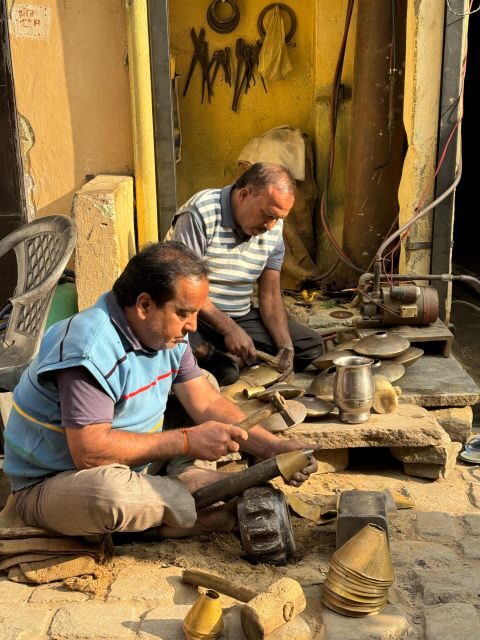
- Craft stops with real purpose: Thatheras metal beaters and bangle making details
- Short, timed segments: four ~45-minute sections with an easy finish
- Small group comfort: limited to 10 people, guided in English
How a 3-Hour Jaipur Food Walk Works
This is the kind of tour that makes sense on your first or second day in Jaipur. You get your bearings fast, learn how the old city is laid out, and then you taste your way through it. It’s not just eating on the move. The guide ties each stop to daily life, temple culture, and the reason markets exist where they do.
Expect a steady rhythm: walk, stop for tastings, then walk again. The total duration is 3 hours, split into several segments, so you’re never stuck staring at a wall or waiting around too long. And because it’s a small group, you’re not competing with crowds for attention when you have questions.
You can also read our reviews of more walking tours in Jaipur

Starting at Golcha Cinema: pace, group size, and what to bring
The meeting point is the entry gate of Golcha Cinema. From there, the group walks into older quarters where lanes get narrow and turns come quickly. This is why comfortable shoes matter more than anything else. Your feet will feel the city’s layout in a real way.
The tour runs in English with a live guide, and the group is limited to 10 participants. That small cap matters in practice: you can hear explanations, and the guide can keep an eye on everyone when the route tightens.
Bring a passport or ID card, plus any personal medication you use. Dress for walking, and plan for changing weather with sunscreen and a hat. When you visit a temple, keep it modest, and skip flash photography inside.
One more practical note: there’s no hotel pickup or drop-off. You’ll start at Golcha Cinema and finish within the old city area.
Chaura Rasta: tea, first street snacks, and market rhythm
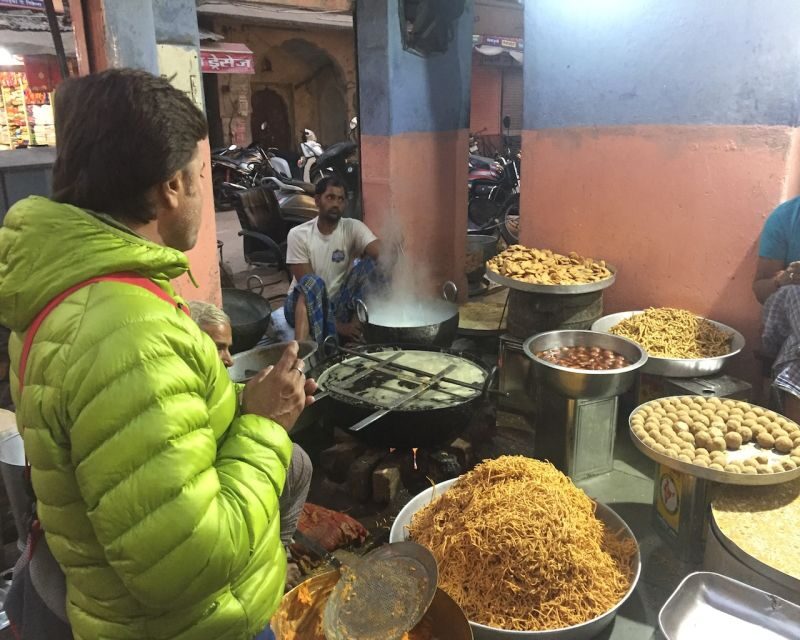
Your first major stop is Chaura Rasta, about 45 minutes. This is where the tour starts teaching you how to read Jaipur by what’s around you: the shops, the rhythm of buyers and sellers, and the way snacks are built for quick breaks.
You’ll have tea at this stage, and you’ll begin sampling street food right away. Expect favorites like samosa and kachori style bites, plus sweets and the warmth of masala chai. The guide also uses this early part to set expectations—what to look for, what to try, and how to decide when something is worth ordering.
Why I think this stop is so useful: it lowers the intimidation factor. If you’re worried about street food hygiene or spice intensity, the best move is to go with a guide who can point you to reliable vendors and explain what you’re eating. Several participants also note feeling safe with the guide while walking through alleyways.
Possible consideration: if you’re very spice-sensitive, you’ll want to tell the guide up front. Some dishes are naturally hotter than others, even when they’re the same general item category.
Badi Chaupar: gates, scenic views, and food that matches the place
Next is Badi Chaupar, another 45-minute section. This is a good stretch for taking in the geometry of Jaipur’s design and the significance of entry gates. Jaipur is famous for its planned layout, and you’ll feel that as you walk—straight lines, defined spaces, and the way the city funnels people through key points.
You’ll keep tasting here too: tea plus local snacks, with food tasting built into the walk. The stop also includes scenic views on the way, which helps break up the “just alleyways” feel you get on some street food tours.
Why this part works for you: it connects the city’s design to the culture of eating outside. Markets and gates aren’t just background. They shape how people meet, trade, and snack on the way to home, work, or worship.
Tripolia Bazar: off-main-lane browsing and cultural anchors
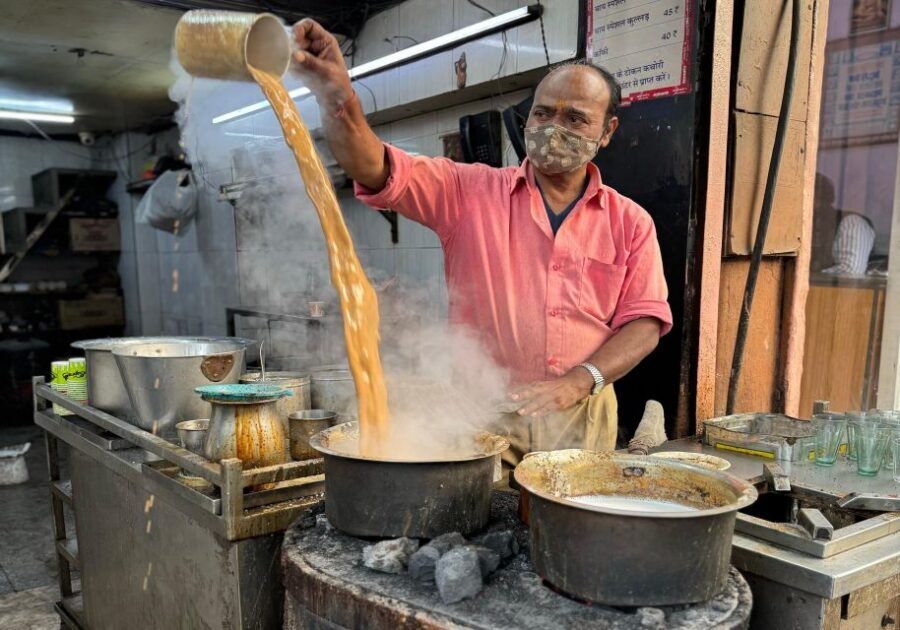
After Badi Chaupar, the tour moves to Tripolia Bazar for about 45 minutes. This segment is more about guided wandering and passing through key parts of the bazaar than it is about a huge list of new food items.
You’ll still get the heritage context. Expect explanations tied to architecture and city traditions. This is also a good moment for photos—just keep an eye on temple rules if your route takes you past places of worship.
This bazaar portion is valuable if you’re the type who wants more than eating. It’s about seeing how commerce, craftsmanship, and community life show up in one tight area of town.
You can also read our reviews of more food & drink experiences in Jaipur






Choti Chaupar: street food finale plus artisan details
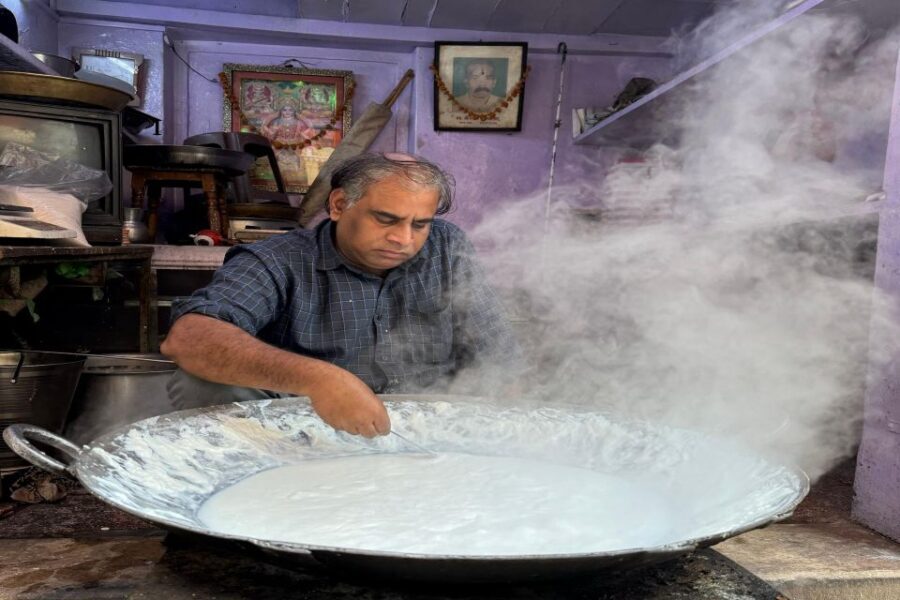
The final food-forward segment is Choti Chaupar, again about 45 minutes, and it ends at Chhoti Chopad. This is the part where sweets often start to play a bigger role. Depending on how you pace your tastings, you may notice you’re getting your sugar dose alongside savory hits.
You’ll walk through local lanes with more street food and snacks, and this is where the guide’s choices really matter. If you follow the guide’s lead, you’ll typically leave feeling like you tried a full range without repeating the same thing over and over.
This is also where some of the most interesting cultural observations come in, based on the tour route:
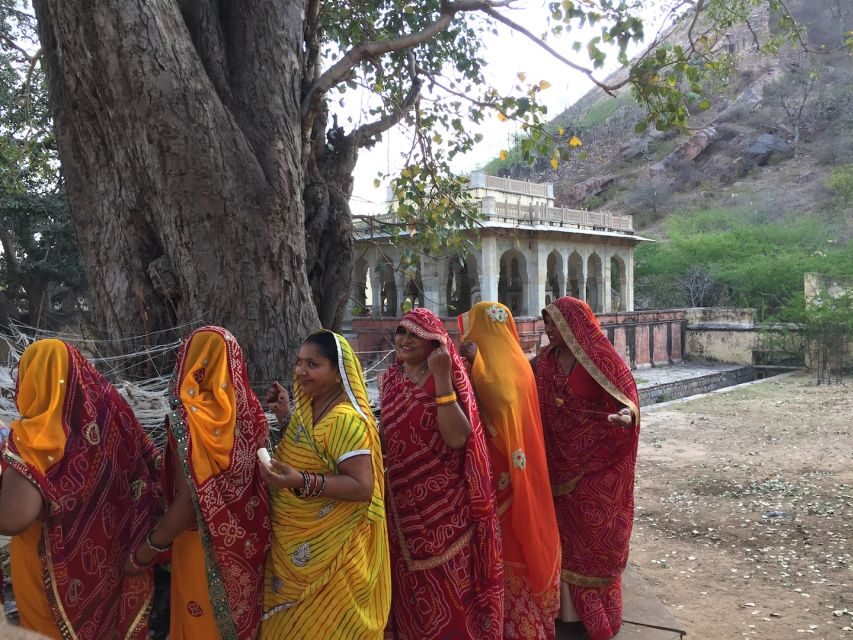
- A visit to a Hindu temple
- Observing a community well
- Seeing the art of bangle making through sealing wax
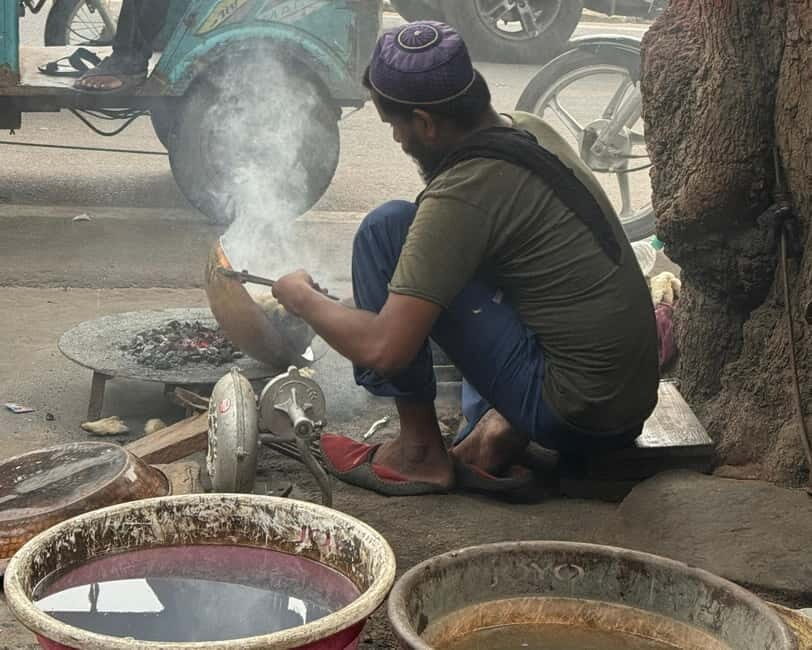
- Passing through a street inhabited by metal beaters known as Thatheras
Why those details matter: they move the tour beyond “food tour” into “how Jaipur works.” Jaipur isn’t only palaces and forts. It’s also craft production, neighborhood routines, and the everyday spaces where people gather.
Possible consideration: you’ll likely want a water bottle handy. The tour includes bottled water, but you’ll still appreciate extra sips if the weather is warm.
The street food lineup you’ll actually want to try
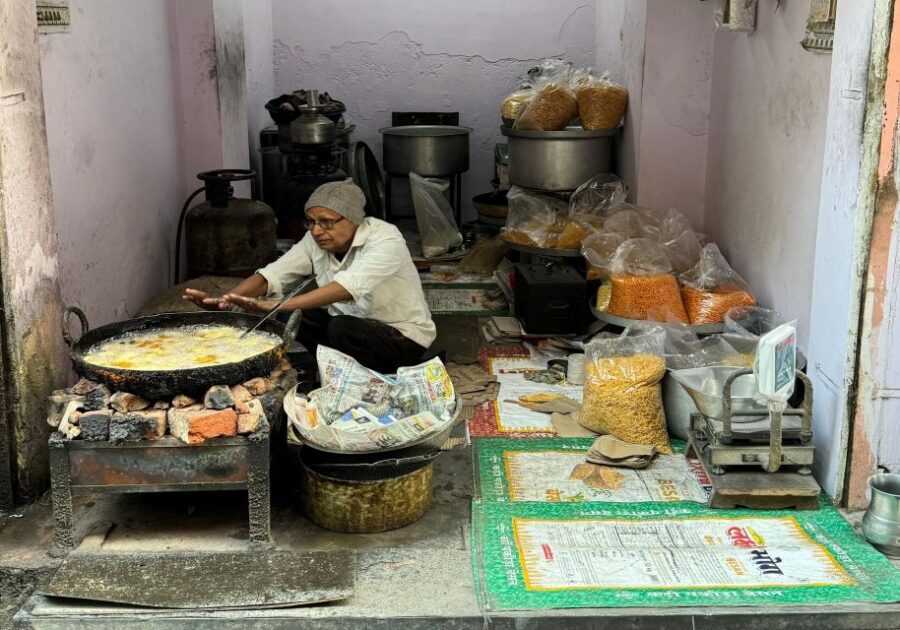
Here’s what’s clearly part of the planned tastings: samosa, kachori, famous sweets, and masala chai (tea), plus additional street-food stops. In other words, you’re not just getting one snack and a goodbye.
Across many runs, groups tend to sample a lot in a short time. One common pattern is trying around 15 items across roughly six stops, though your exact spread can vary with appetite and the route on the day. The key for you is this: the guide doesn’t treat it like buffet math. You’re meant to taste, then move.
What to keep in mind if you’re picky:
- If you hate trying new things, pick one or two items you feel comfortable with and let the guide handle the rest.
- You can ask for adjustments if you have low spice tolerance. Some participants with sensitive stomachs and low tolerance reported being able to eat everything comfortably when guided.
And about hygiene: even when street food is safe, it’s smart to use your common sense. Watch how busy a stall is, follow the guide’s choices, and don’t ignore your own limits.
Price and value: what $21 buys you in old Jaipur
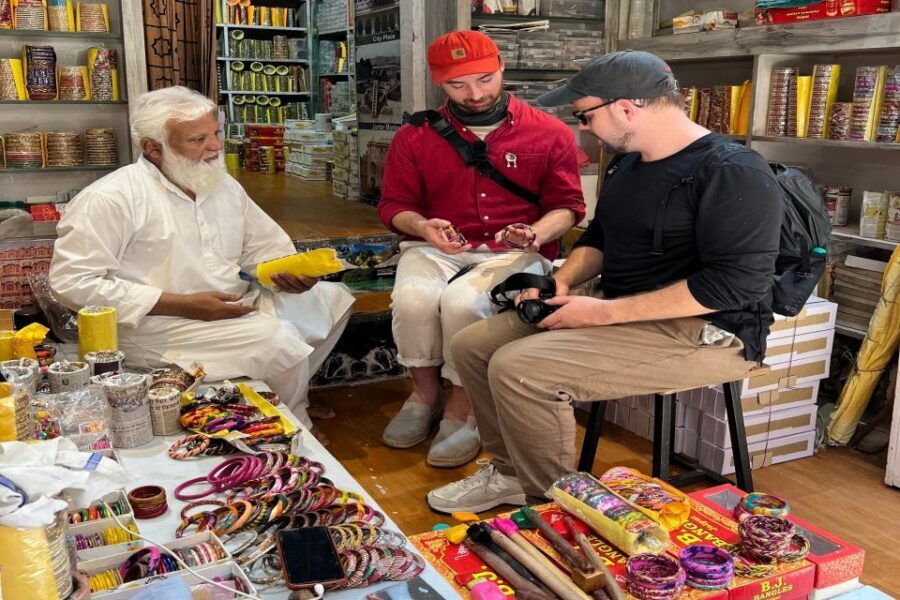
At $21 per person for a 3-hour small-group walk, the value comes from three places.
First, the tour covers food tastings as part of the experience, including tea and bottled water. That’s not just a “token snack” price tag. You’re budgeting for a meal-like set of bites, not a casual street sampling.
Second, you’re paying for access: off-main lanes, temple visits, and stops that connect craft work and neighborhood life. This isn’t something you’ll usually stumble into confidently on your own, especially if you’re trying to read what’s going on without feeling lost.
Third, you’re paying for guidance in a city where navigation can get chaotic. When the guide is good, it feels like you bought time and peace of mind. People often extend their plans after this kind of tour because they start to understand where things are and why they’re there.
Not included is also part of the math: no hotel pickup/drop-off, and alcohol isn’t included. So think of this as a street-food-and-culture session, not a full-day sightseeing replacement.
Tips for eating comfortably and taking good photos
If you care about comfort, do these three things.
1) Tell the guide your limits early
You can mention spice tolerance and any stomach sensitivities. The tour is designed for street food tasting, so the guide can suggest what to prioritize.
2) Walk like you mean it
Wear comfortable shoes. The route goes through alleys and smaller lanes, and you’ll be on your feet the whole time.
3) Photo etiquette matters inside temples
Photography is allowed, but avoid flash inside temples. It’s an easy rule that keeps you respectful and lets the tour keep moving smoothly.
Also plan your clothing for modesty at places of worship. Simple, light layers work well because weather can shift.
Who this tour suits best
This tour fits you if:
- You want street food with a cultural explanation, not just a snack crawl
- You like walking and seeing the city from street level
- You want a small-group guide who can make narrow lanes feel manageable
- You’re interested in craft culture, from metal work to bangle making
It may not fit you if:
- You need wheelchair access, since it isn’t suitable for wheelchair users
- You hate walking or have limited mobility
- You want a long, sit-down museum style day (this is on-your-feet time)
If you’re traveling solo, the guide-led route and controlled group size are a big plus. Many people highlight feeling safe and comfortable walking through older lanes with the guide.
Should you book this Jaipur heritage walk and street food tasting?
Yes, book it if you want Jaipur’s old city flavor and you don’t want to spend your day figuring out where to eat. At $21, the price feels fair when you remember you’re getting multiple tastings, tea, bottled water, and a guided route into the parts of Jaipur most visitors skip.
Skip it only if walking is a deal-breaker for you or you’re looking for a quiet, minimal-food experience. For most people, though, this is a smart first taste of the Pink City: history you can see, crafts you can watch, and food you can actually name.
FAQ
Where do I meet the guide?
You meet at the entry gate of Golcha Cinema.
How long is the tour?
The tour lasts 3 hours.
What size is the group?
The group is small, limited to 10 participants.
What language is the tour guide?
The live tour guide speaks English.
What’s included in the price?
Included are street food tastings (including samosa, kachori, famous sweets, masala chai/tea, and more), a bottle of water, and the heritage walking tour with an accompanying Cultural Walk Explorer.
Is hotel pickup or drop-off included?
No. Hotel pickup and drop-off are not included.
What should I bring or wear?
Wear comfortable walking shoes and comfortable clothes. Bring your passport or ID card, any personal medication you need, and consider sunscreen and a hat for changing weather.
Can I cancel for a full refund?
Yes. You can cancel up to 24 hours in advance for a full refund.