REVIEW · MUMBAI
Mumbai Kanheri Caves & Vipassana Pagoda Tour
Book on GetYourGuide →Operated by Explore Mumbai Tours · Bookable on GetYourGuide
Two calm stops, one wild city day. This private tour links Kanheri Caves in Sanjay Gandhi National Park with the Global Vipassana Pagoda near Gorai, so you get ancient rock-cut Buddhism and a modern place to sit quietly. I like that your local English-speaking guide helps you read the caves instead of just walking past them, and I also like that the itinerary includes a short meditation plus a video and picture gallery at the pagoda.
One thing to plan for: uneven cave steps and the need to switch transport modes once you reach the park can make the day feel more active than you expect.
In This Review
- Key highlights I’d prioritize
- Why this Kanheri-and-Vipassana combo works
- Getting to Sanjay Gandhi National Park’s gate (and why the car doesn’t go up)
- Kanheri Caves: what you’re actually seeing (and why a guide matters)
- The walk uphill: comfort tips that prevent a bad experience
- Global Vipassana Pagoda: modern peace, a massive dome, and a short sit
- Guide and driver quality: what you’ll feel during the day
- Price and value: is $26 per person a fair deal?
- Timing reality: how to schedule a 3 to 7 hour tour
- Who should book this tour (and who might skip it)
- Should you book the Mumbai Kanheri Caves & Vipassana Pagoda tour?
- FAQ
- How long is the Mumbai Kanheri Caves & Vipassana Pagoda tour?
- Where does the tour meet in Mumbai?
- Is hotel pickup included?
- What’s included in the Global Vipassana Pagoda visit?
- What are Kanheri Caves like?
- Can you drive inside the National Park to reach the caves?
- What should I wear or bring?
- Is Kanheri Caves open every day?
- What’s the cancellation and payment flexibility?
Key highlights I’d prioritize
- Kanheri Caves inside Sanjay Gandhi National Park: rock-cut monasteries and carvings set in forest shade
- Buddhist art you can understand on the spot: sculptures, relief carvings, paintings, and inscriptions from roughly 1st century BCE to 10th century CE
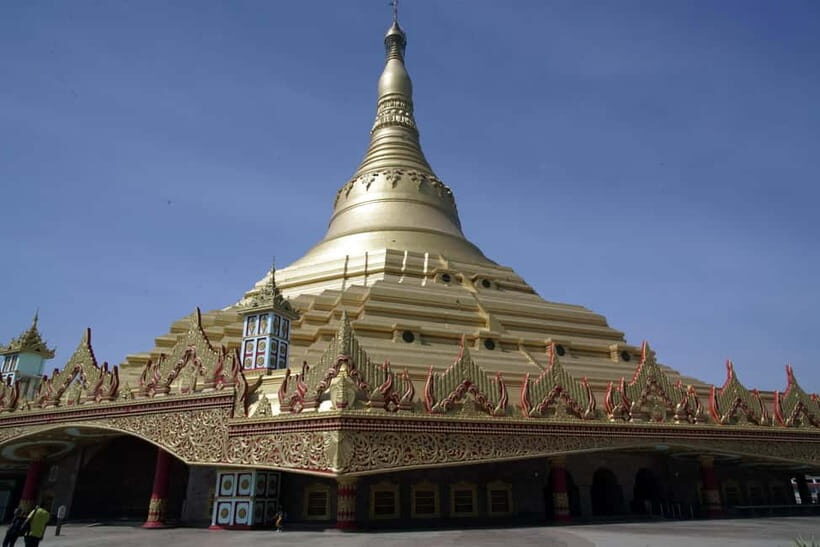
- Global Vipassana Pagoda near Gorai: a peaceful monument with a world-scale stone dome built without supporting pillars
- A 10-minute meditation session: plus a short Buddhism and pagoda video and a picture gallery
- Private guide and smooth transport: you get English explanations and a driver who handles Mumbai traffic
Why this Kanheri-and-Vipassana combo works
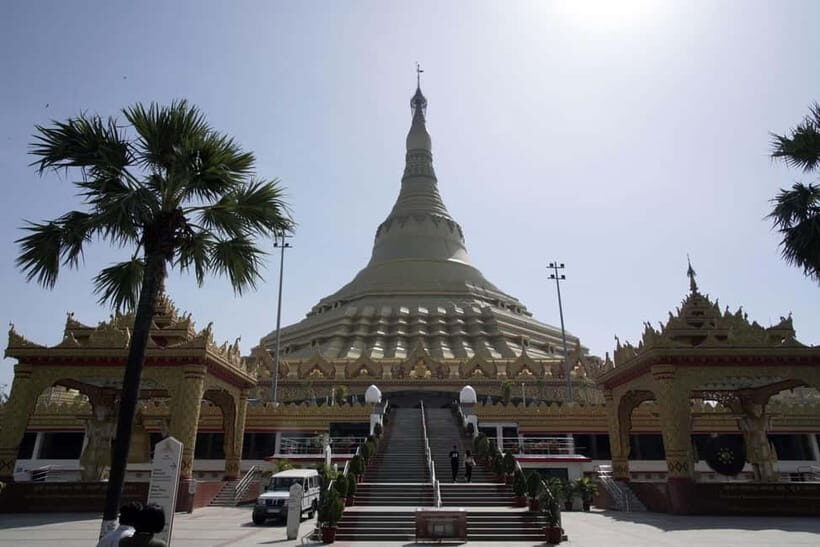
This tour is a smart pairing because it gives you two different “faces” of Buddhism in one half-day to full-day rhythm. You start with Kanheri Caves, which are grounded in place and time—basalt rock cut into monuments that were used over centuries. Then you shift to the Global Vipassana Pagoda, built in the modern era as a space for peace and reflection.
You also get a mental reset. Mumbai can be loud and hectic. Here, you trade street energy for shaded forest paths and then a quiet hall where you sit for a short meditation. It’s not a marathon. It’s designed to feel doable, even if you’re not a hardcore history person.
The tour’s pacing helps too. You’re not stuck for hours in a museum room with one long audio track. Instead, the guide keeps moving with you, answering questions as you go.
You can also read our reviews of more tours and experiences in Mumbai.


Getting to Sanjay Gandhi National Park’s gate (and why the car doesn’t go up)
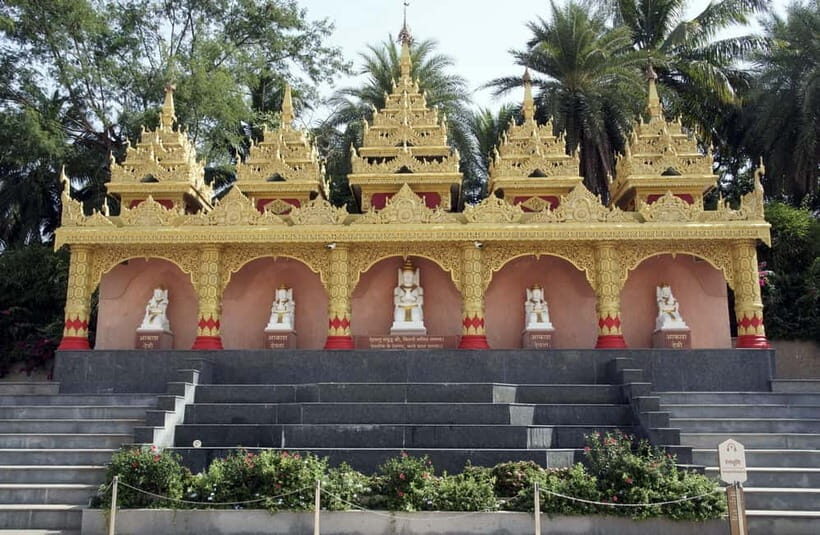
Your day begins with hotel pickup in Mumbai. The plan uses an air-conditioned vehicle with bottled water, and your driver takes care of tolls, parking, and gate entry.
Here’s the practical twist: a private vehicle isn’t allowed inside Sanjay Gandhi National Park because it’s controlled by the Forest Department. So you park at the park’s gate area and continue to the caves by public bus or public van.
This is one reason the tour still feels “real.” You’re not chauffeured through as if it’s a resort driveway. You’re using local transport to reach the site, then doing the exploring on foot.
Plan for a small timing variable. The public transport connection can add a bit of “on the day” flexibility. If you’re trying to catch a strict evening plan, build in buffer time.
Kanheri Caves: what you’re actually seeing (and why a guide matters)
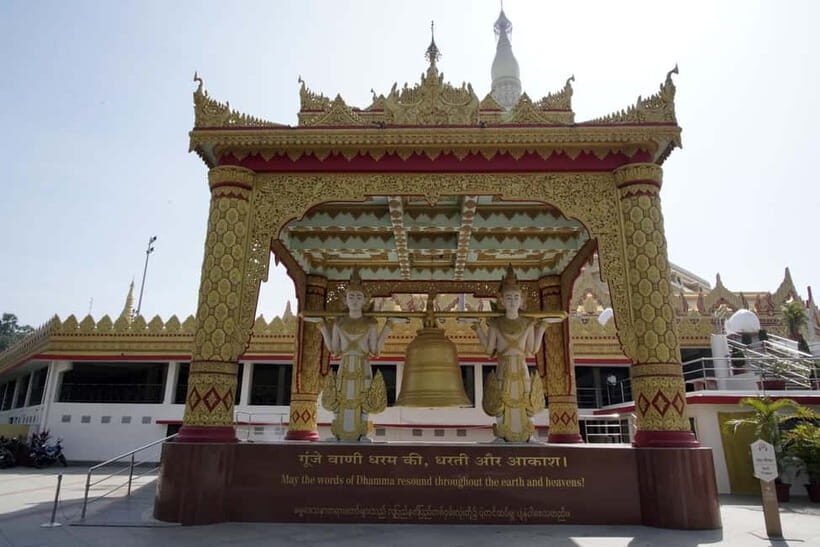
Kanheri isn’t one cave. It’s a group of rock-cut monuments carved into a massive basalt outcrop deep in the park. That difference matters because you’ll notice the site is more like a complex of spaces than a single wow-point.
With your English-speaking guide, you focus on Buddhist elements that help the caves make sense. You’ll see:
- Buddhist sculptures and relief carvings
- Paintings and inscriptions
The time span is a big deal. The caves include evidence dating roughly from the 1st century BCE to the 10th century CE. That’s a long arc for one place to keep being meaningful and used. Standing in that setting, you can understand why the carvings weren’t just decoration—they were part of religious and community life.
The basalt outcrop setting adds to the impact. The cave surfaces feel carved into the landscape, not placed on top of it. If you like places where art and geography work together, Kanheri fits the bill.
The walk uphill: comfort tips that prevent a bad experience
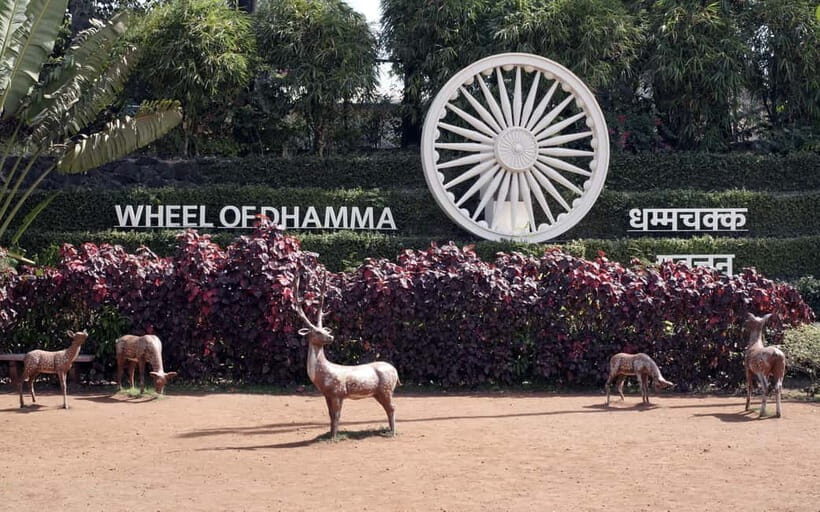
Kanheri’s layout means you’ll move around on foot, and it includes uneven steps and an uphill component. Even if you’re generally fit, this can feel more tiring than the 1-hour “guided tour” block suggests.
So bring comfortable shoes and wear something you can walk in for real. I’d treat this part like a short hike with ancient detours.
Also, keep your expectations flexible. The value here is not speed. It’s understanding what you’re looking at—then pausing when the guide points out a carving, inscription, or artwork detail.
If you’re traveling with someone who hates stairs, you’ll want to talk through comfort level in advance with your guide so you’re not stuck trying to “push through” when you’d rather take breaks.
Global Vipassana Pagoda: modern peace, a massive dome, and a short sit
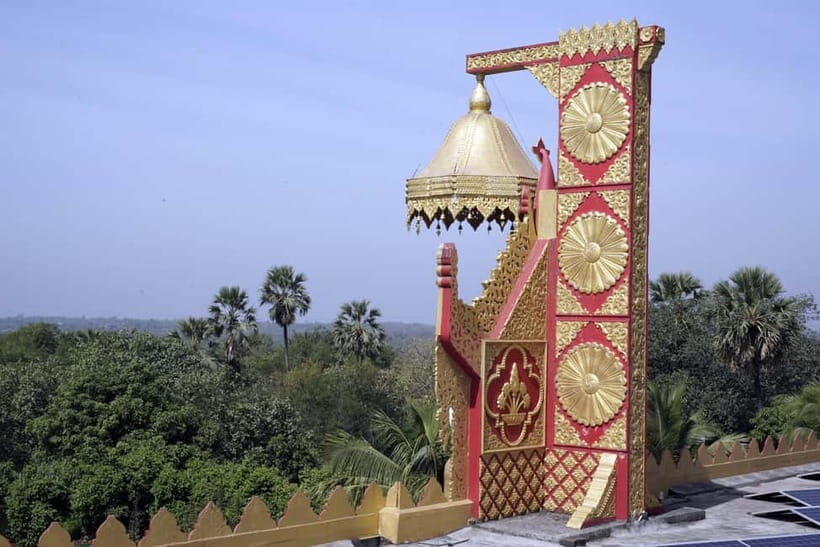
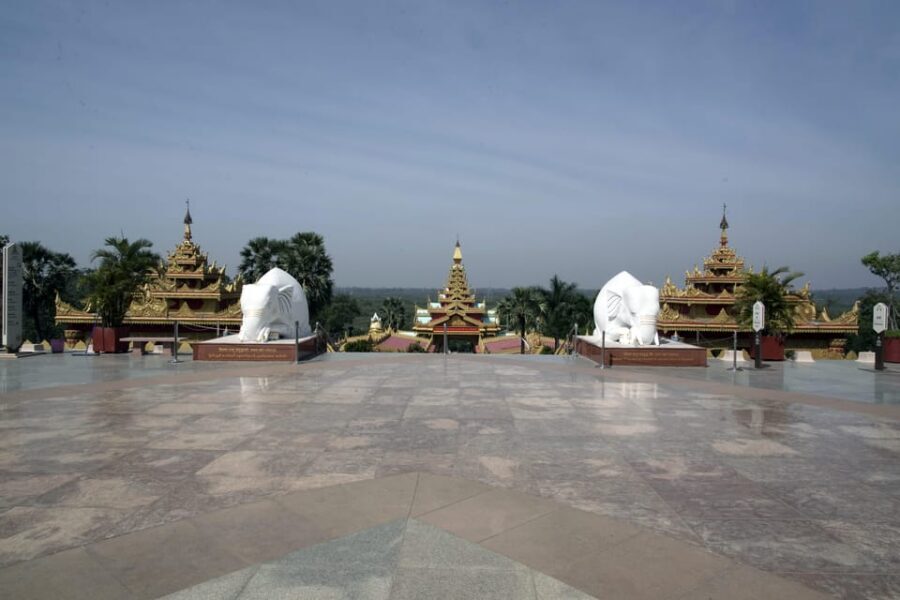
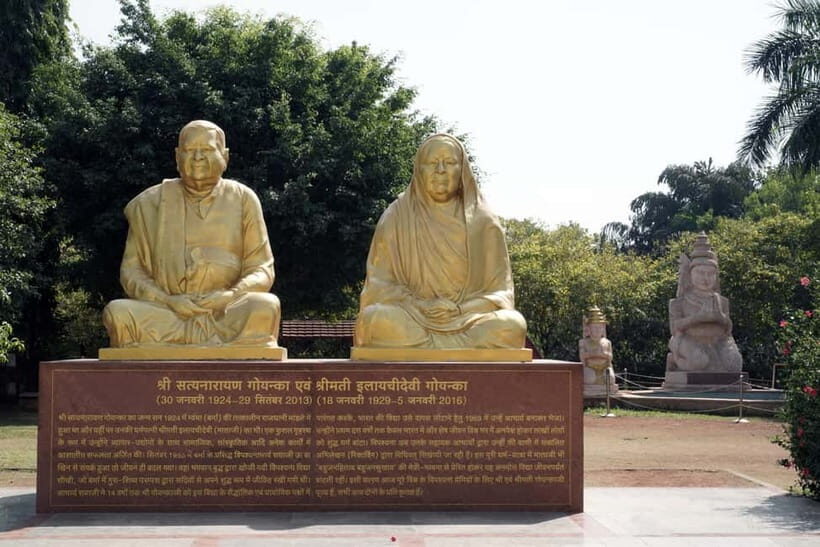
After Kanheri, the tone shifts. You head to the Global Vipassana Pagoda near Gorai, northwest of Mumbai. It’s located on a peninsula between the Gorai creek and the Arabian Sea, on donated land.
The pagoda was inaugurated by Pratibha Patil (then President of India) on 8 February 2009. That modern origin gives the site a different feel from the caves. Instead of centuries-old carvings, you’re looking at architecture built as a living place for meditation.
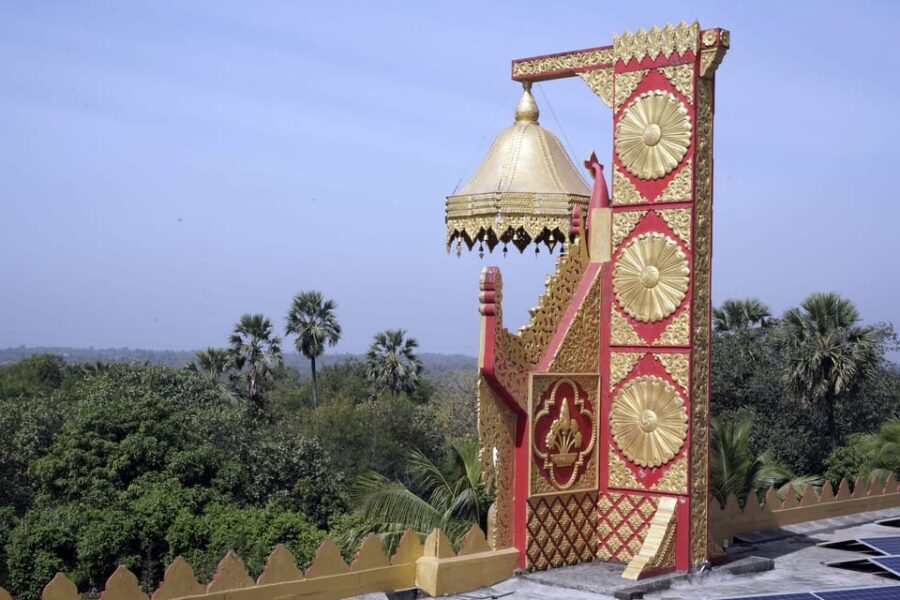
One standout feature is the centerpiece. The center of the Global Vipassana Pagoda contains the world’s largest stone dome built without supporting pillars. You don’t need engineering training to sense the intention—this is a space designed for stillness and focus.
Before and after your meditation, you also get programming that helps you connect the dots:
- a short video presentation on Buddhism and the pagoda
- a picture gallery
- a 10-minute meditation session
Ten minutes sounds short, but it’s long enough to feel like you took part, not just watched. And because the tour includes the video and gallery, you’ll likely understand what you’re experiencing rather than treating it as a sightseeing stop.





Guide and driver quality: what you’ll feel during the day
This tour stands or falls on two things: the guide’s ability to explain without turning it into a lecture, and the driver’s ability to handle Mumbai traffic and timing.
In practice, the tour’s private setup means you can ask questions and get patient answers. A good guide helps you notice what’s easy to miss. At Kanheri, that’s especially true because the carvings and inscriptions can look similar until someone points out what to look for.
The better-guided experiences tend to feel like a story, not a checklist. You’ll come away with a sense of how Buddhist art moved through time and why these caves mattered enough to keep them active across many centuries.
Drivers also matter here because you’re not just commuting—you’re managing pickups, gate access, and park transport coordination. Having a driver who’s calm in traffic makes a noticeable difference when you’re moving between Gorai-area calm and Sanjay Gandhi’s greener corridors.
Price and value: is $26 per person a fair deal?
At around $26 per person, this is strong value if you want both sites without having to coordinate multiple trips yourself. You’re not just paying for entrances.
Your ticket includes:
- an air-conditioned vehicle
- private transportation
- bottled water
- pickup and drop
- a local English-speaking guide
- toll tax, parking fees, and gate entry
- entry to Kanheri Caves and the Global Vipassana Pagoda
- skipping the ticket line
- the pagoda’s on-site programming (video, picture gallery, and a 10-minute meditation)
That “more than entry fees” aspect matters. The guide is what turns Kanheri from scenery into understanding. The pagoda part adds structure too: you get a short meditation that you wouldn’t necessarily fit into your day if you were going solo.
Where value can depend on you: if you’re already planning to spend time in both areas independently, the private tour might feel like extra. If you want a guided, efficient day with a calm finish, it’s usually the better deal.
Timing reality: how to schedule a 3 to 7 hour tour
The listed duration is 3 to 7 hours, so you should plan it as a flexible half-day to full-day activity. The stops themselves are about an hour at the pagoda and about an hour each for the national park guided time and the Kanheri cave time, but transport and park logistics affect the total.
Here’s how I’d plan your day:
- If you prefer an active, hands-on experience, treat it as a morning-to-afternoon plan.
- If you have tight commitments after lunch, pick a start time that gives you a buffer for the park transport change.
- If you’re very photo-focused, build in a little slack because there’s room to stop and take pictures.
Also remember Kanheri has a regular closure. Kanheri Caves are open 6 days a week and closed on Monday. If your schedule lands on Monday, this exact tour won’t work that day.
Who should book this tour (and who might skip it)
This tour is a great fit if you:
- want two very different Buddhism-related experiences (ancient rock-cut caves and a modern meditation hall)
- like guided explanations that help you understand what you’re looking at
- can handle a short uphill walk with uneven steps
- want a calm break from Mumbai’s busy streets
You might skip it if you:
- have limited mobility or struggle with stairs
- need a very strict time window with no flexibility
- prefer long, unstructured exploring with no guided pace
Should you book the Mumbai Kanheri Caves & Vipassana Pagoda tour?
I think this is worth booking if your goal is a guided “meaningful day” rather than just collecting sights. The main reasons are the combination—Kanheri’s art over many centuries plus the pagoda’s peace-and-practice setting—and the way the guide helps you actually read the caves instead of glancing and moving on.
If you’re traveling with someone who’s sensitive to steps, or you hate any uphill walking at all, ask questions before you go and keep expectations realistic. But for most people, a private guided route like this is one of the simplest ways to experience both sites without wasting hours figuring things out.
FAQ
How long is the Mumbai Kanheri Caves & Vipassana Pagoda tour?
The duration is listed as 3 to 7 hours.
Where does the tour meet in Mumbai?
The meeting point is the main entrance gate of Sanjay Gandhi National Park in Borivali, Mumbai. Look for the green signboard with Sanjay Gandhi National Park and the adjacent ticket counter.
Is hotel pickup included?
Yes. Pickup and drop from your hotel in Mumbai are included, and the private vehicle is used for transportation in the city.
What’s included in the Global Vipassana Pagoda visit?
You get a visit of about 1 hour, including a 10-minute meditation session, a video presentation about Buddhism and the pagoda, and a picture gallery. Entry is included.
What are Kanheri Caves like?
Kanheri is a group of rock-cut monuments carved into a basalt outcrop in Sanjay Gandhi National Park. You’ll see Buddhist sculptures, relief carvings, paintings, and inscriptions dating from roughly the 1st century BCE to the 10th century CE.
Can you drive inside the National Park to reach the caves?
No. A private vehicle is not allowed inside the park. You’ll park at the gate and then take a public bus or public van to reach the caves.
What should I wear or bring?
Wear comfortable shoes, since the caves involve uneven steps and walking.
Is Kanheri Caves open every day?
Kanheri Caves are open 6 days a week and closed on Monday.
What’s the cancellation and payment flexibility?
You can cancel up to 24 hours in advance for a full refund. There’s also a reserve now & pay later option listed.