REVIEW · MUMBAI
Mumbai City Tour & Dharavi Slum: Full-Day Private Experience
Book on Viator →Operated by Explore Mumbai Tours · Bookable on Viator
Mumbai hits you in two directions at once. This full-day private tour braids Dharavi street-level life with classic South Mumbai sights, using a storyteller who explains what you’re seeing and why it matters, plus a private AC vehicle to keep the day comfortable. The day starts with a guided Dharavi walk linked to the pottery and leather industries, then flows through landmarks like Gateway of India and Marine Drive.
I especially like the two-part pacing: first the hands-on, human scale of Dharavi, then short, focused stops around colonial-era architecture and sea views. I also like the practical comfort details: bottled water included, an AC car for transit, and quick breaks that keep the rhythm manageable on a long day.
One possible drawback: with a schedule that spans about 5 to 8 hours, some stops are intentionally brief, so you’ll need to enjoy quick photo-and-context moments rather than linger everywhere.
In This Review
- Key highlights to look for
- Starting Dharavi at Third Wave Coffee: getting oriented fast
- Dharavi walk: safety-first context and photo-friendly pacing
- Gateway of India: a quick colonial icon stop with good context
- Dhobi Ghat: working Mumbai, not just sightseeing
- South Mumbai architecture run: Oval Maidan, university buildings, and court towers
- Marine Drive and Malabar Hill gardens: sea air and city views
- Mani Bhavan Gandhi Museum: the included 30-minute anchor
- CSMT and Crawford Market: Mumbai’s big transit and big commerce
- Guides, language, and why the right storyteller matters
- Price and time value: what $62.40 buys you in real terms
- Who should book this private day tour
- Should you book it or skip it?
- FAQ
- How long is the Mumbai City Tour & Dharavi Slum experience?
- Is pickup included, and is it a private tour?
- Where does the Dharavi part start?
- What language will the guide speak?
- Is food or water included?
- What admission tickets are included?
Key highlights to look for
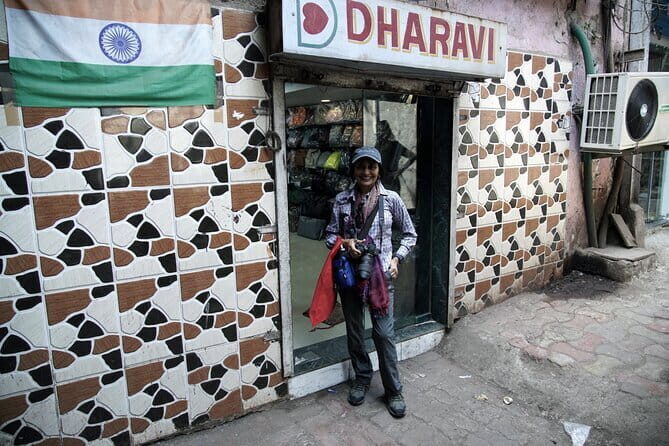
- Dharavi starts the day with a guided walk from Third Wave Coffee, built for safety and photos
- A structured city arc through South Mumbai icons and everyday working Mumbai spots
- Short landmark time blocks mean you see more, but you won’t spend long in each exterior stop
- Mani Bhavan Gandhi Museum is included with about 30 minutes on-site
- Private AC comfort with bottled water helps you handle Mumbai traffic and heat
- English, Hindi, and Marathi support from the guide team
Starting Dharavi at Third Wave Coffee: getting oriented fast
This tour wisely begins in Dharavi, not at the far end of your day. The meeting point for the Dharavi portion is at Third Wave Coffee, which makes the start feel less chaotic and more like a real “let’s go” moment than a last-minute scramble. From there, you get a guided walk that’s designed around your safety and your ability to take photos.
The big point here is that Dharavi isn’t treated like a one-note attraction. The day is positioned as ethical, community-focused tourism, aiming to connect you with the local economy behind the scenes rather than treating it like a photo safari. You specifically go in with an explanation of the pottery and leather industries, and the goal is to meet the artisans who power that daily work.
What I think you’ll enjoy most is the way the guide structures your attention. A good storyteller doesn’t just show you streets; they help you read what you’re seeing—small signs of industry, tools, and routines that make the place feel functional rather than chaotic.
The main thing to consider is emotional intensity. Dharavi is a real neighborhood with real people living and working close together. If you’re coming in hoping for a light, carefree “sights only” day, this part can feel heavy. If you’re coming in curious and respectful, it becomes the most memorable segment fast.
You can also read our reviews of more city tours in Mumbai



Dharavi walk: safety-first context and photo-friendly pacing
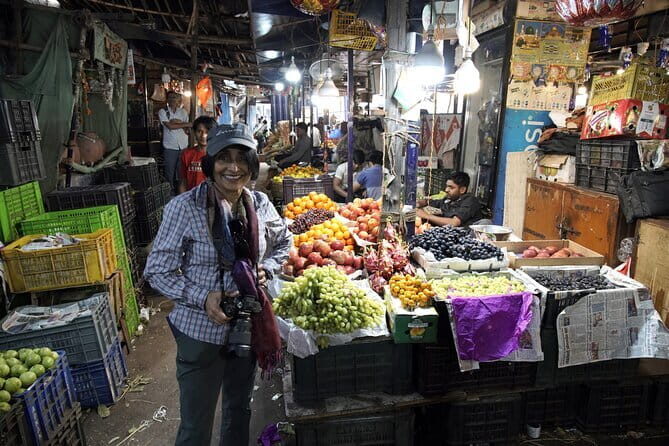
The Dharavi portion runs about two hours. That’s long enough to feel the area’s rhythm, and short enough that it doesn’t turn into an exhausting slog. You’re not left to wander, and you’re not pushed through like a checklist either.
You’ll also be guided specifically so you can take pictures. The wording on the tour emphasizes that the guide supports your safety while enabling photos, which matters a lot in a crowded neighborhood where timing and space are everything. If you care about your photos, this is one of the reasons the format works: you aren’t simply thrust into the scene and told to figure it out.
In terms of what you learn, the day is framed around Dharavi’s economy—especially pottery and leatherwork. That matters because Dharavi gets talked about online in extremes. Here, you’re given a human, practical lens: how industries function, how skills are used, and how people earn a living in a complex urban environment.
If you want a smoother experience, I’d plan to go in with a relaxed camera approach. The guide can help you capture the moments that make sense, but Mumbai moves fast and Dharavi especially is about daily work, not set-piece tourism.
Gateway of India: a quick colonial icon stop with good context
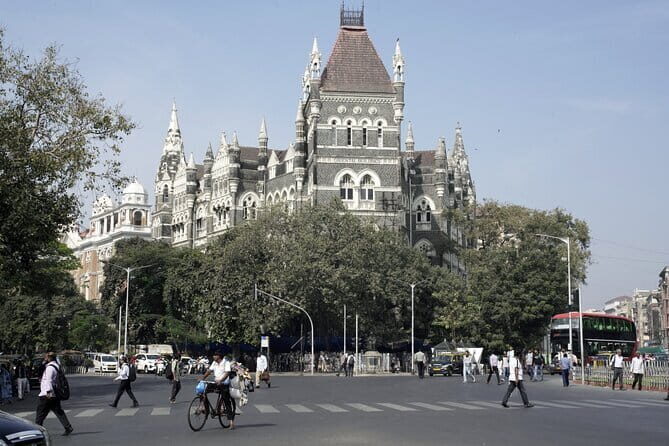
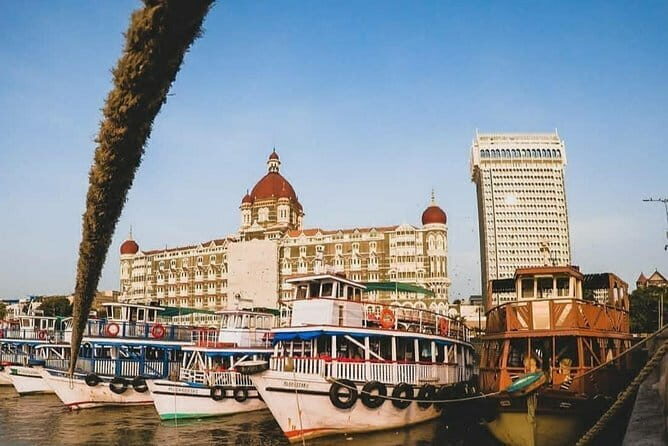
After Dharavi, you shift into the classic “postcard Mumbai” zone. The Gateway of India stop is about 20 minutes, and it’s treated as an impressive arch monument and symbol of the city’s colonial past.
The time here is short on purpose: you get the exterior views, time for a few photos, and then you move on. I like this approach because Gateway of India is one of those places where the first sight is the big payoff. The second half is learning what you’re looking at—carving details, the monument’s role as a symbol, and how that colonial footprint shaped South Mumbai’s identity.
If you’re the type who likes to “get your bearings fast,” this fits. If you want to study architecture for an hour straight, you might feel slightly rushed. But with a full-day program, quick stops are the trade-off.
Dhobi Ghat: working Mumbai, not just sightseeing
The next stop is Dhobi Ghat for about 10 minutes. This is an open-air laundromat where hundreds of washermen (dhobis) wash, dry, and iron clothes for residents and businesses.
What makes this worthwhile is the contrast. You go from industrial craft in Dharavi to a different kind of everyday industry in Dhobi Ghat, still very much about labor and routines. It also gives you a new view of Mumbai’s “systems” beyond the formal landmarks: how services run, how work gets done in public view, and how the city keeps itself supplied.
The short time block means you won’t cover everything, but you will get the feel of the place. The practical tip: keep an eye on timing and space. This is a working environment, so you’ll have better results when you pause, watch, and follow the guide’s cues rather than forcing your own approach.
South Mumbai architecture run: Oval Maidan, university buildings, and court towers
A large chunk of the middle of the day is built around South Mumbai’s grand buildings and open spaces. You’ll see Oval Maidan (about 10 minutes) first, a large open recreational area where locals and tourists both flow through the same public space.
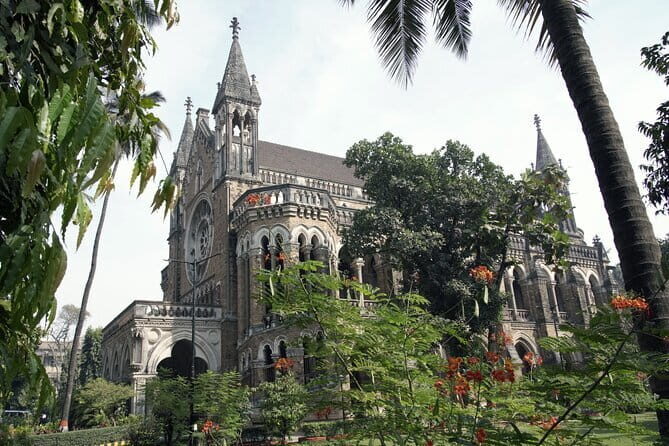
Then it’s on to the University of Mumbai Library for about 5 minutes and the Rajabai Clock Tower for about 5 minutes. These stops are quick exterior looks, but they matter because they build a visual timeline: you’re moving through British-era architectural influence and the kinds of civic buildings that still shape Mumbai’s skyline today. The Rajabai Clock Tower is described as Gothic-style and built during the British Raj era, with intricate carvings and a central clock.
Next comes the Bombay High Court, again presented as an exterior stop with the architecture described as a blend of Gothic and Indo-Saracenic elements. Even with limited time, this cluster gives you a clear sense of why South Mumbai feels like a different city from Dharavi. One is defined by public institutions and planned grandeur; the other is defined by living, building, and earning.
The possible drawback here is pace. These are “see it, photograph it, move on” segments. If you love architecture and want slower, deeper study, you might wish for more time at just one building. The upside: you’ll come away with a coherent street-level route instead of scattered stops.
You can also read our reviews of more private tours in Mumbai




Marine Drive and Malabar Hill gardens: sea air and city views
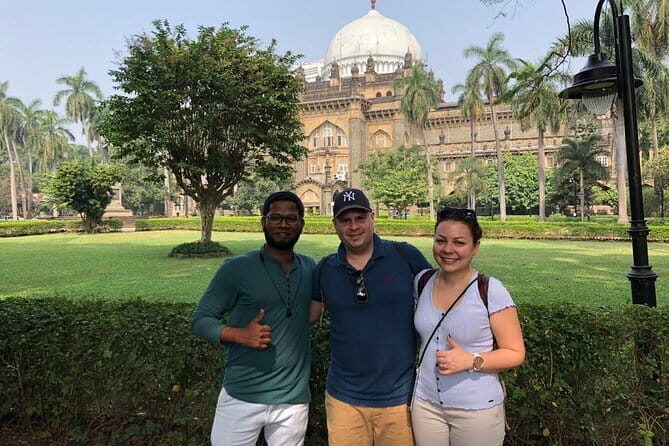
After the courthouse-and-campus feeling, you get a break with Marine Drive for about 10 minutes. This is a promenade along the Arabian Sea coastline, lined with palm trees and art deco buildings.
I like this reset because it changes the sensory mix. You can breathe differently here. Even in a short time, you get the sense of why Mumbai’s South end is so photogenic: long sea-facing roads, breezes, and that signature arc of buildings.
Then the tour moves into green space with Hanging Gardens (about 10 minutes) in Malabar Hill, followed by Kamala Nehru Park (about 5 minutes). Hanging Gardens is described as terraced gardens, and Kamala Nehru Park is described as landscaped with lawns and colorful flowers, plus a view direction that’s a big part of why people stop.
These garden stops are short, but they add balance. Your day won’t feel like one hard contrast after another. You’ll go from work spaces and institutional architecture to softer, more open areas where Mumbai looks calmer from street level.
Mani Bhavan Gandhi Museum: the included 30-minute anchor
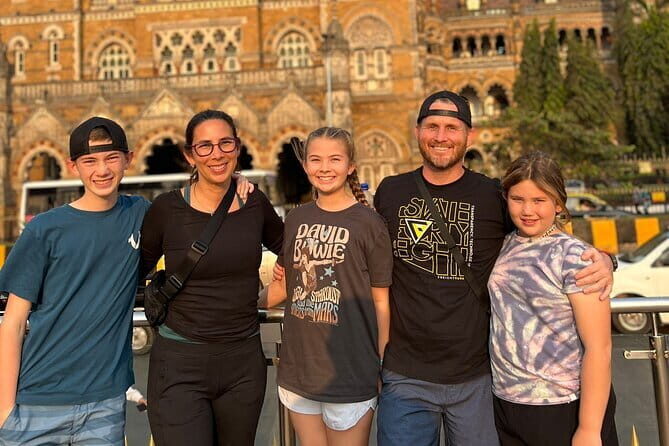
The schedule’s best “stay-put” moment is Mani Bhavan Gandhi Museum, with about 30 minutes and admission included. This matters because after lots of quick stops, you finally get time where you can slow down and actually read, look, and absorb.
Mani Bhavan is described as Gandhi’s residence from 1917 to 1934, now a museum dedicated to his life and work. That time window is clearly part of the tour’s structure: it gives historical weight to the day’s modern city energy.
If you’re a visitor who learns best by connecting place to story, this is the stop that will likely stick. It’s not just a structure you see and move past. It’s a place designed for understanding, and the included entry helps remove friction.
CSMT and Crawford Market: Mumbai’s big transit and big commerce
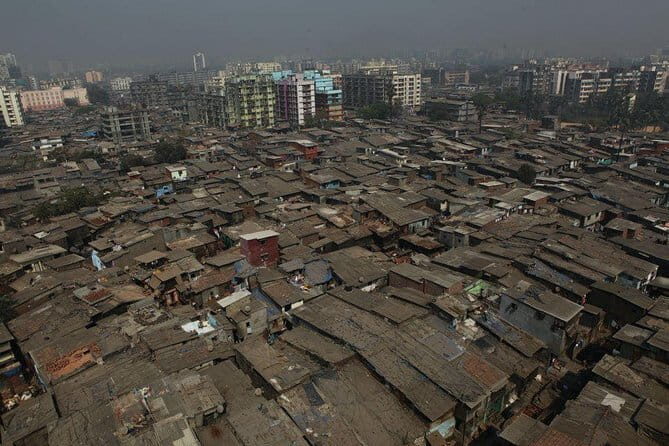
The tour then hits two iconic end-of-day energy zones.
First is Chhatrapati Shivaji Terminus (CSMT) for about 10 minutes. It was built in 1887 to commemorate Queen Victoria’s Golden Jubilee, and it’s presented as a historic railway station with standout architecture. Even in a short stop, CSMT has a “you can’t not notice it” quality, and a good guide helps you interpret the design rather than just admiring it.
Finally, you’ll visit Crawford Market for about 15 minutes. This is a historic marketplace built in 1869 and named after Arthur Crawford, the first Municipal Commissioner of Mumbai. It’s described as a bustling hub of activity, which makes it a smart finale.
I like that the last stop isn’t another monument. Markets show how the city functions in the most direct way: people moving, buying, selling, and negotiating daily needs. It’s also a practical way to end if you want to pick up a small snack or something local afterward, though the tour itself emphasizes 100% hygienic food stops during the day.
Guides, language, and why the right storyteller matters
This tour isn’t just an itinerary with a driver. It’s guided by a professional storyteller, with English, Hindi, and Marathi listed as guide languages. That’s a big deal in Mumbai, where street signs and local context can feel like noise unless someone helps you sort it.
The tour’s framing also emphasizes insider-style historical narratives. In practice, that kind of storytelling is what turns a quick stop at a clock tower or a gateway arch into something you can repeat later. You’ll remember the building, but you’ll also remember the meaning behind it—how it fits into Mumbai’s larger story.
From the names that have shown up in prior experiences, you may run into guides like Sharon, Subhan, Javed, Ravi, or others on the team, with drivers named like Dipak, Deepak, or Saddam. What matters for you is the consistent theme: guides who keep you feeling safe, engaged, and able to follow along in clear English.
Price and time value: what $62.40 buys you in real terms
At $62.40 per person, this is not a “cheap and cheerful bus tour” price. But it also isn’t priced like a luxury private day with extra add-ons you may or may not use. The best value piece is the mix of:
- Private AC vehicle
- All fees and taxes included
- Bottled water
- Guide support (English, Hindi, Marathi)
- Admission included at Mani Bhavan
- A two-hour guided Dharavi segment designed for safety and photos
Because many stops are free entry by the tour’s description, the price is less about ticket costs and more about paying for time, guidance, and the logistics that make a full day workable. Mumbai is not the city where you want to be figuring out transport on the fly while you’re juggling a long list of sights.
The “5 to 8 hours” range is also a practical note. You’re signing up for a full-day experience, and the ride time between South Mumbai landmarks is part of the package. If you only have a short visit window, this tour can still make sense because it gives you a lot of distinct neighborhoods in one day.
Who should book this private day tour
This is a great fit if you want:
- A full-day private route without crowds hovering over your shoulder
- A Dharavi experience that’s framed around industries and artisans, not just shock value
- South Mumbai highlights you can actually place in context, not just snap and forget
- Comfortable transit with a private AC vehicle and bottled water
It might be less ideal if you only like slow, long museum-style pacing, because several stops are designed as short photo-and-context blocks. It’s also best for travelers who can handle a neighborhood with real working life and keep a respectful tone throughout.
Should you book it or skip it?
If you want Mumbai that goes beyond monuments, I think you’ll like this. The strongest reason to book is the day’s structure: it treats Dharavi and South Mumbai as two sides of the same city, and it gives you a guide-led way to understand both. Add in the comfort pieces (AC vehicle, bottled water) and the included Mani Bhavan museum time, and the day feels like more than a string of exterior stops.
Skip it only if you’re craving a very relaxed day with long stays in each place, or if the idea of Dharavi feels too intense for your trip style. For most people who want one private day that feels both practical and human, this is a solid choice.
FAQ
How long is the Mumbai City Tour & Dharavi Slum experience?
The tour runs about 5 to 8 hours (approx.), with a roughly 2-hour Dharavi guided walk and shorter visits at each South Mumbai stop.
Is pickup included, and is it a private tour?
Pickup is offered, and it’s a private tour, meaning only your group participates.
Where does the Dharavi part start?
The Dharavi tour begins at Third Wave Coffee.
What language will the guide speak?
The guide provides English, Hindi, and Marathi.
Is food or water included?
Bottled water is included, and the tour highlights 100% hygienic food stops during the day.
What admission tickets are included?
Admission is included for Mani Bhavan Gandhi Museum. The other listed stops are described as having admission free.