REVIEW · JAIPUR
“Jaipur Elephant Experience: Bond, Connect, and Learn”
Book on GetYourGuide →Operated by Elejungle · Bookable on GetYourGuide
Feeding elephants changes your whole day. At Elejungle near Jaipur, you’ll get hotel pickup plus close, guided hands-on elephant care (feeding, shower, and more), all in a structured, safety-first setup. One thing to consider: because it runs on pickups, confirm timing ahead so you don’t start the day waiting around.
I like that the flow is simple and human. You’re welcomed on arrival, briefed in English, and then guided through each activity with clear rules for staying safe and acting respectfully.
What makes this worth the money for me is the mix of fun and learning. You’re not just taking photos; you also see the shelter environment and meet the elephant caretaking community behind the scenes, then you finish with lunch around the elephants.
In This Review
- Key things I’d watch for at Elejungle
- Jaipur Elephant Experience at Elejungle: pickup, pacing, and overall value
- Elephant era briefing: what you learn before you touch anything
- Feeding bananas, sugarcane, and sorghum grass: how the session feels
- Pedicure time and elephant shower: relaxing care you can actually witness
- Walk with the elephant and a shelter visit: seeing care beyond the show
- Lunch around elephants and the Elefriend memory moment
- Price and logistics: is $57 worth it in the real world?
- Who this tour suits (and who might want another option)
- Practical tips before you go to Elejungle
- Should you book the Jaipur Elephant Experience at Elejungle?
- FAQ
- What is the price for this Jaipur elephant experience?
- Where does the experience take place?
- Do you provide hotel pickup and drop-off?
- What activities are included with the elephants?
- Is alcohol included with lunch?
- What language is the experience conducted in?
- What should I bring?
- What is not allowed during the experience?
- How long does the experience take?
Key things I’d watch for at Elejungle
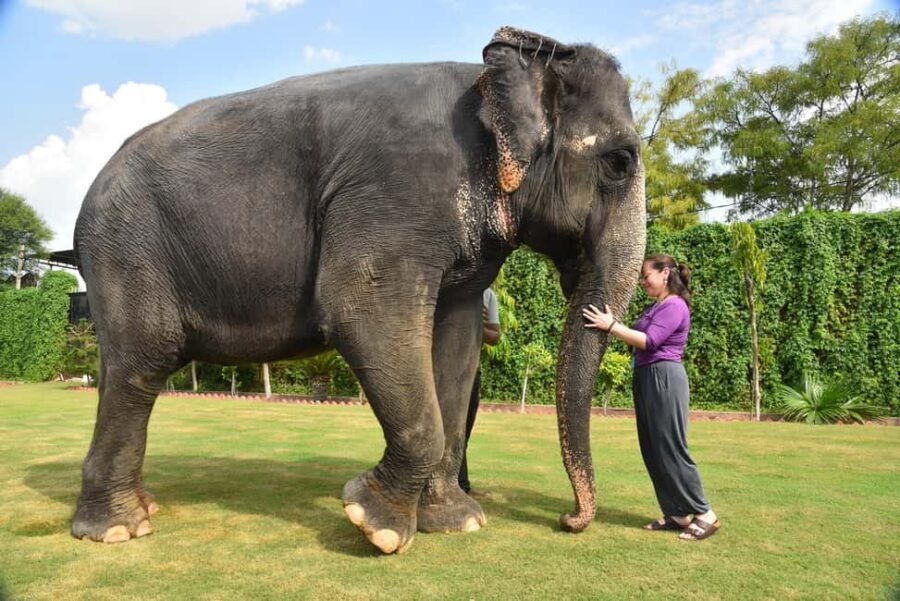
- Feeding with bananas, sugarcane, and sorghum grass with guidance so you know exactly what to do
- Pedicure and a hose shower that turn care into a relaxed, interactive moment
- Shelter visit and mahout family connection so you understand day-to-day elephant care
- Elephant era briefing in English that ties behavior and culture to what you’re seeing
- Elefriend memory moment plus food at Elejungle to close out the experience
Jaipur Elephant Experience at Elejungle: pickup, pacing, and overall value
This is one of those tours that makes Jaipur feel more than sightseeing. It starts with a convenient pickup from your hotel or chosen location, so you’re not spending your morning figuring out roads and timing. Then you head to Elejungle, where you get a warm greeting and a briefing before any direct interaction begins.
The experience is sold as a private experience with private car transport included. That matters because elephants are sensitive to stress and routine, and a calmer, controlled schedule usually helps keep everything smoother for both people and animals. It also tends to mean you can ask questions without feeling rushed by a big crowd.
In terms of pacing, you’re likely looking at a short day rather than a full one. Reviews for this kind of visit often land around 2–3 hours including lunch, and the structure here fits that: briefing, multiple elephant interactions, then lunch, then return. If you have a tight itinerary (and you will in Jaipur), this is a good fit.
Price is about $57 per person. For that, you’re not just paying for access to elephants. You’re paying for entrance tickets, guided activities (feeding, walk, shower), transport, and the lunch around the elephants—so you’re bundling a lot of “day” costs into one stop. If you compare it to doing the transport and entrance separately, the value math makes more sense.
If you’re the kind of traveler who likes to measure value in time and guidance, this checks more boxes than a simple photo session. Still, do keep one practical note in mind: pickups are everything. If you want a stress-free morning, confirm your pickup details and be ready a bit early.
You can also read our reviews of more tours and experiences in Jaipur.


Elephant era briefing: what you learn before you touch anything
Before you go near the elephants, you’ll get a briefing and greeting session focused on elephant life and culture. I like this part because it sets expectations. It’s easier to behave well when you understand what you’re looking at—like how elephants respond to people, touch, and routines.
The tour’s framing is pretty clear: you’re meant to experience the elephants up close while learning about their care and behaviors. That includes basic cultural context too. Feeding elephants is described as an act tied to Indian beliefs, with elephants associated with Ganesha in many traditions, and it’s presented as a “good karma” kind of practice. Even if you’re secular, it helps you understand why locals treat this act with ceremony instead of just treating it like a gimmick.
Safety and guidelines are part of the program, and that’s important. Close elephant interactions only work when people follow the rules without improvising. You’ll be guided on what to do and what not to do, and you’ll likely be asked to keep calm during activities like showering and feeding.
Also, you’ll be in English. That’s a real advantage here because the briefing isn’t just “look at the elephant.” It’s meant to explain what you’re seeing, and being able to ask questions makes the day feel personal instead of scripted.
One useful approach for you: listen carefully during the briefing even if you think you already know elephant behavior. A few practical rules can make the difference between smooth interactions and an awkward, chaotic moment.
Feeding bananas, sugarcane, and sorghum grass: how the session feels
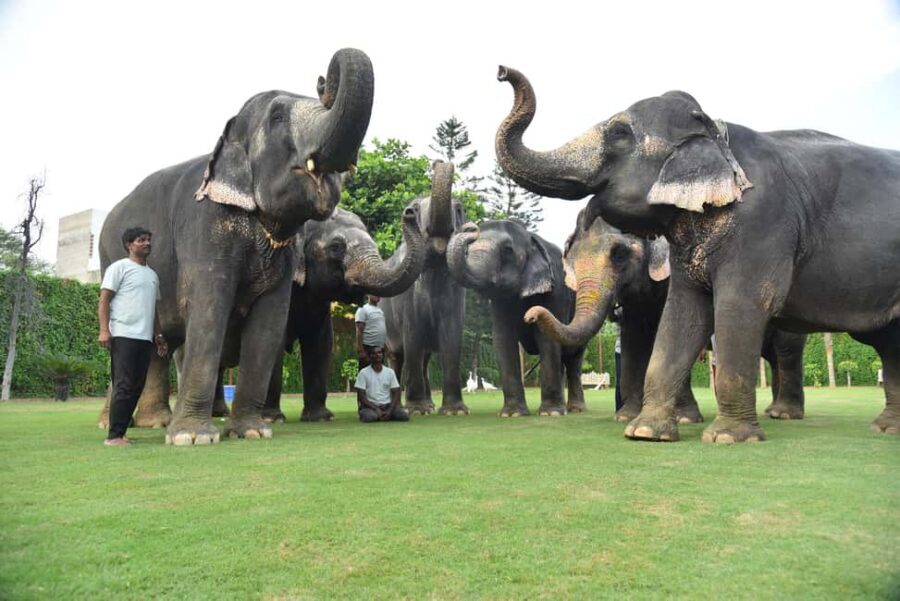
Feeding is usually the highlight of any elephant experience, and this one leans into it. You’ll feed elephants with bananas, sugarcane, and sorghum grass, guided so you don’t just shove food at trunks like you’re rushing a vending machine.
This matters for two reasons. First, it gives you a respectful rhythm. When you follow the trainer’s pacing, you see less frantic behavior and more calm engagement. Second, it makes the feeding moment feel like part of care rather than a stunt.
You’ll likely notice the elephants are strong and deliberate. When they approach, they’re making choices in real time. Your job is to stay steady, follow instructions, and avoid sudden movements. If you’ve ever tried to hand-feed an animal that big, you’ll know how quickly confidence can turn into chaos if someone breaks the rules.
The program also frames feeding as culturally meaningful. If you’re interested in what locals believe, this is the part where you can connect the symbolic side with the real-world care side. In practice, it’s also when the guide can explain what the elephants eat and how feeding fits into their day.
I’d recommend you go in with a gentle mindset. Think of feeding as a guided interaction, not a contest. The “joy and satisfaction” the tour promises comes more from that calm connection than from doing it fast.
One more tip: keep your camera handy, but don’t turn feeding into a full-time filming project. You want to watch the guide’s cues and keep your attention on the moment.
Pedicure time and elephant shower: relaxing care you can actually witness
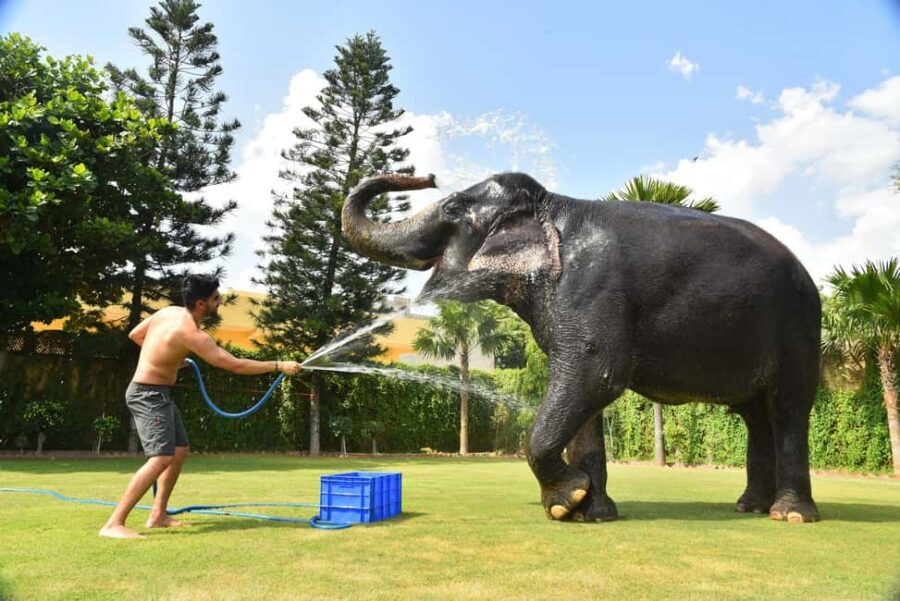
This is where the day gets unexpectedly wholesome. You’ll have a pedicure-style care session for the elephants’ feet, followed by an elephant shower with a hose pipe.
The pedicure part is not about humans judging elephant “manners.” It’s about health and comfort. The tour describes it as helping keep feet healthy and strong while helping elephants relax. You’ll also be watching how calm, repetitive care builds trust over time. This is one of those moments that helps you see the elephants as living partners in routine, not as attractions.
Then comes the shower. On a warm day, a hose shower sounds like a fun break, and it is. But it’s also described as a way to keep them clean and help them stay comfortable. Expect playful splashing and that classic elephant water attitude—less “delicate bath,” more “cooling off with a little chaos.”
What I like most is that both activities fit the tour’s theme: bond, connect, and learn. You’re not only asking the elephants for smiles; you’re witnessing care behaviors that support their day-to-day wellbeing.
Practical advice for you: if you’re doing any kind of shower interaction, plan for getting wet. Bring outdoor clothing that can handle a splash, and use sunscreen ahead of time. Sunglasses help too, especially if the sun is sharp during the walk and shower sequence.
Also, follow the safety guidance closely. Shower and pedicure are close-contact moments. The elephant’s comfort comes from predictable movement, and your role is staying within the space and doing what you’re told.
Walk with the elephant and a shelter visit: seeing care beyond the show
After feeding and water time, you’ll join a guided walk with the elephant. This is one of those activities where the “magic” is real, but you still need basic respect for the animal’s size and temperament.
A guided walk helps you understand that an elephant’s body language is communication. You’ll see how they move through space and how caretakers manage calm positioning. This is also where your earlier briefing starts paying off: you’ll recognize small signals faster when someone already explained what to watch.
Then you’ll visit the elephant shelter. This is an important part of the day because it gives context. You’re shown how the elephants live in a nurturing environment, and you get an opportunity to meet the families of the mahouts (the elephant trainers). That family connection is more than a “meet the staff” photo moment—it’s a window into daily dedication and the human work that supports elephant care.
This is also where the experience feels more ethical and grounded, at least in how it presents the day. You’re encouraged to think about responsibility, not just entertainment. Even if you come mainly for the elephant encounter, the shelter visit shifts you toward understanding.
One more practical point: shelter areas can involve walking on uneven ground. Wear comfortable outdoor shoes and keep your ID accessible. The tour asks for an ID card (a copy accepted), so you want to have that ready without digging through bags at the wrong time.






Lunch around elephants and the Elefriend memory moment
You finish with lunch around the elephants, and that’s a smart pacing choice. It gives you a chance to cool down mentally and physically after close interactions. The lunch is at Elejungle, and it’s described as local cuisine that’s well prepared and enjoyable.
Food breaks are underrated on animal tours. When you’re focused on feeding, showering, and walking, you can burn energy without realizing it. A real meal helps you end the day grounded instead of wiped out.
You’ll also get a chance to catch your divine memory with something called Elefriend. That’s the sort of souvenir-style memory moment that ties the day together, and it helps you take something away besides a bunch of random photos. If you like creating a single “best shot” for your trip album, this is designed for that.
One detail you might like to know: some sessions include a creative element like painting the elephant. It’s not highlighted in every part of the description you’ll receive, but it shows up in the activity set. If you’re traveling with kids, that kind of hands-on art can turn the day into a story they remember, not just a moment they saw.
Alcoholic beverages are not included, so if you like to pair meals with a drink, plan accordingly.
Price and logistics: is $57 worth it in the real world?
Let’s talk value like a practical person, because the elephant world is confusing and prices can swing wildly.
At $57 per person, you’re paying for:
- hotel pickup and drop
- private transportation
- entrance tickets to Elejungle
- a full set of elephant activities: feeding, walk, shower, plus the care-focused activities mentioned
- briefing and greeting
- lunch around the elephants
That bundling is the key. A lot of experiences only include access, and you pay extra for everything else—guides, transport, entry, and sometimes even basics like transfers. Here, most of the “day costs” are included up front.
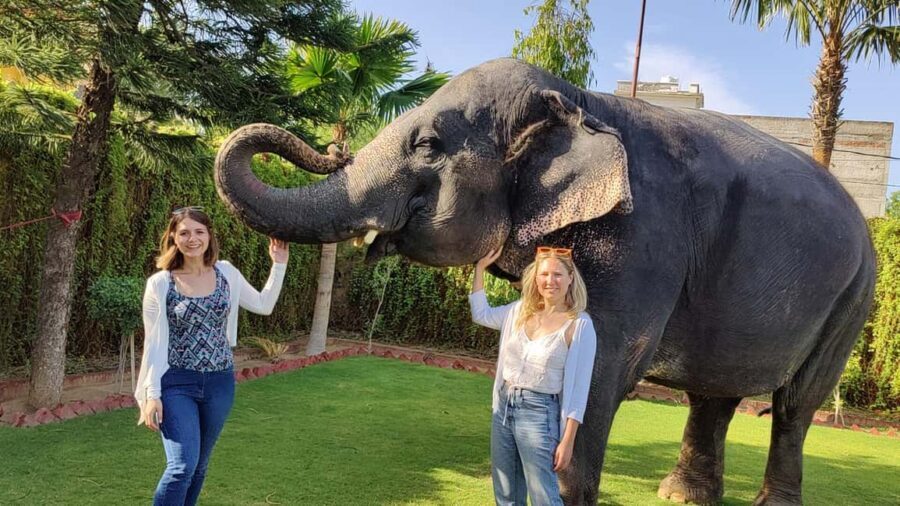
Also, the tour is positioned as a structured, safe interaction with care and learning. You’re not just getting time near elephants—you’re getting a guided sequence with multiple types of interaction. That increases value because you’re getting different angles on elephant life: food, body care, water play, movement, and shelter context.
That said, the one logistical drawback you should consider is confirmation around pickup timing. Since pickup is a big part of the experience, treat confirmation as part of your prep. If the provider can’t clearly confirm, you risk losing time at the start. The fix is simple: confirm pickup time the day before and stay reachable.
Overall, if you want a short, guided elephant experience that includes learning, multiple activities, and lunch, this price feels reasonable.
Who this tour suits (and who might want another option)
This is a great fit if you:
- want a hands-on but guided elephant encounter
- like learning from short briefings and instructions
- prefer a tight timeframe over a long multi-day plan
- are traveling as a family (the activities are varied enough to keep interest)
It’s especially appealing if you’re the kind of traveler who wants more than just a photo. The shelter visit and mahout family connection are the reason this feels bigger than an attraction.
You might want to think twice if:
- you’re very strict about punctuality and hate waiting
- you don’t want to get wet (shower is part of the program)
- you prefer only viewing animals from a distance (this experience includes close contact and feeding)
If you’re comfortable following rules and you’re respectful in your body language, you’ll get more out of the day.
Practical tips before you go to Elejungle
A few prep items can make a big difference. Bring:
- sunglasses
- camera
- sunscreen
- outdoor clothing
- goggles
- ID card (a copy is accepted)
You can also plan your clothing around water. If you’re doing shower time, wearing something you don’t mind getting damp is smart.
Also, smoking is not allowed in the vehicle. It’s a small note, but it’s part of the overall rules you’ll be expected to follow.
Finally, come with a calm attitude. Elephants respond to the overall mood around them. If you’re rushing, loud, or waving your arms, it makes the experience harder for everyone. If you can slow down for 2–3 hours, you’ll feel that connection the tour is promising.
Should you book the Jaipur Elephant Experience at Elejungle?
Book this if you want a guided, structured day that blends direct interaction with care-focused learning. The feeding sequence, pedicure care, shower interaction, guided walk, and shelter visit make it feel like a complete elephant-care experience rather than one single moment. Add hotel pickup and lunch, and the price starts looking fair for what you get.
Skip or reconsider if you’re extremely time-sensitive about pickups or you really don’t want close contact with animals. This is built around interaction, not observation only.
If you choose to go, confirm pickup timing in advance, pack sunscreen and goggles, and be ready to act like a calm partner during the activities. That’s when you’ll get the best balance of joy, learning, and respect.
FAQ
What is the price for this Jaipur elephant experience?
It’s priced at $57 per person.
Where does the experience take place?
The experience is in Rajasthan, India, at Elejungle.
Do you provide hotel pickup and drop-off?
Yes. Hotel pickup and drop are included.
What activities are included with the elephants?
Included activities are feeding the elephants, a walk with the elephant, elephant shower, and other listed elephant-care activities, plus the briefing and entrance tickets to Elejungle.
Is alcohol included with lunch?
No. Alcoholic beverages are not included.
What language is the experience conducted in?
The experience is offered in English.
What should I bring?
You should bring sunglasses, a camera, sunscreen, outdoor clothing, goggles, and an ID card (a copy is accepted).
What is not allowed during the experience?
Smoking in the vehicle is not allowed.
How long does the experience take?
From the information provided, you can expect around 2–3 hours, including lunch.