REVIEW · MUMBAI
Mumbai Bazaar Walking Tour
Book on Viator →Operated by Young Tours And Travel · Bookable on Viator
Markets are how you read Mumbai. This walking tour strings together the places locals actually shop, pray, and care for animals, so you get a real sense of how the city ticks. I liked the way the route mixes markets and sacred sites without turning it into a museum day.
Two things I especially liked: first, our guide Kamlesh brought the stops to life with a friendly, practical approach that made even the tight lanes feel easy to navigate. Second, the mix of Crawford Market, Mangaldas Market, Zaveri Bazaar, and then the Shri Mumbadevi Temple and nearby Bhuleshwar area added variety fast. One thing to consider: each stop is time-limited (often around 15–20 minutes), so if you want to shop slowly or linger for photos, you’ll need to be selective.
In This Review
- Key things to know before you go
- Why this Mumbai bazaar route feels worth $49
- Your 3 to 4 hours: how the pace actually works
- Crawford Market: your launchpad in Fort area life
- Mangaldas Market: textiles and fabric clues
- Zaveri Bazaar: jewelry lanes and craftsmanship energy
- Shri Mumbadevi Temple: where shopping and faith meet
- Bhuleshwar Bazaar: practical nearby shopping before you slow down
- Shri Mumbai Panjrapole: animal care in the middle of the city
- Madhav Baug Derasar: Jain calm and detailed architecture
- Included extras that make the tour smoother
- Price check: is $49 good value here?
- Practical tips so you enjoy the market part
- Should you book the Mumbai Bazaar Walking Tour?
- FAQ
- FAQ
- How much does the Mumbai Bazaar Walking Tour cost?
- How long is the tour?
- Is pickup available?
- What’s included in the tour price?
- What are the main stops on the tour?
- Where does the tour start and end?
- Can I cancel for a full refund?
Key things to know before you go
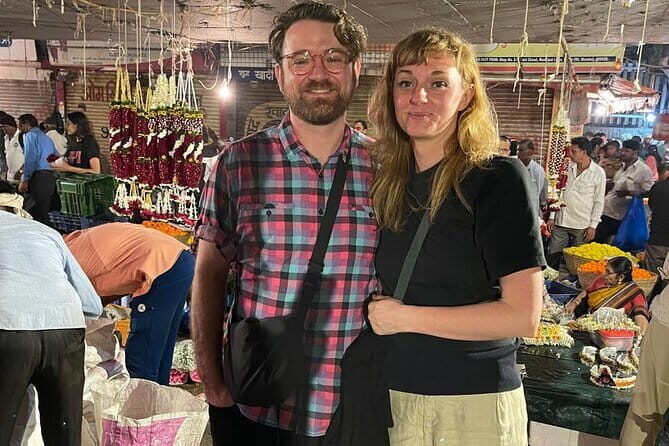
- A smart mix of stops: markets for textiles and jewelry, then temples, plus the Shri Mumbai Panjrapole animal-care institution.
- Short time at each highlight: Crawford and Mangaldas are about 15 minutes each, with other stops around 20 minutes—great for sampling, not for marathon shopping.
- Kamlesh’s local guidance: the vibe here is friendly and straightforward, and it helps you move through crowds and stalls with confidence.
- Included basics for comfort: bottled water and snacks are part of the experience, plus private transportation between areas.
- You’ll finish near Charni Road: the tour ends at CP Tank Circle, and the guide helps you get back to your hotel or wherever you want.
Why this Mumbai bazaar route feels worth $49
Mumbai can be overwhelming fast. That’s exactly why this tour’s structure works for you. You’re not just dropped into a market and told good luck. You get an English-speaking guide, private transportation, and included water and snacks—so you can focus on seeing and learning instead of managing logistics.
At $49 per person for about 3 to 4 hours (including travel time), the value comes from the combination: multiple iconic market zones plus a couple of quieter, meaningful stops. This is the kind of itinerary that saves you time—because in a city like Mumbai, figuring out where to go next can take longer than the actual sightseeing.
Also, this tour is private, meaning only your group participates. If you’re traveling with friends or family and want to ask questions at your own pace, that matters more than people expect.
You can also read our reviews of more walking tours in Mumbai



Your 3 to 4 hours: how the pace actually works
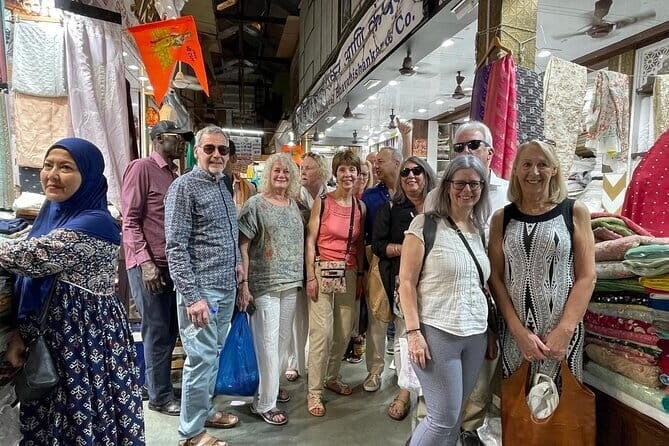
Think of this as an organized circuit. You start at Crawford Market and finish at CP Tank Circle (the endpoint changes based on the day, and your guide helps you get oriented afterward). The total duration includes travel time, and the stops are relatively brief—often 15 minutes to get the layout and key sights, then move on.
Here’s what that means for you:
- You’ll see a range of places in one afternoon.
- You’ll get the practical context—what you’re looking at and why it matters.
- You may not have time to buy everything you like. The goal is understanding and sampling, not shopping for hours.
It’s also a walking tour, but it’s not constant on-foot. Private transportation is included, so you should expect short drives between market areas and then active walking in the lanes where you’ll actually experience the atmosphere.
Crawford Market: your launchpad in Fort area life
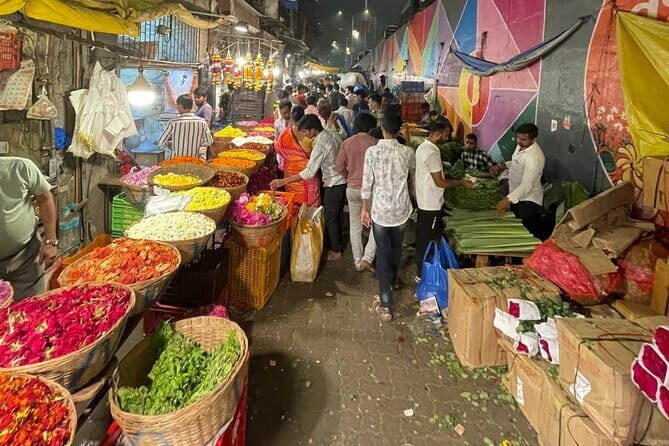
Crawford Market is one of Mumbai’s best-known marketplaces, and starting here is a smart move. It sets the tone fast: you see a dense mix of goods, the scale of the place, and the way people shop and move through the stalls.
You’ll have about 15 minutes here, and that’s enough time to:
- Get your bearings in a major market setting
- Spot the variety without getting stuck in one aisle too long
- Ask your guide basic questions about what you’re seeing
A practical drawback: with only 15 minutes, you won’t have time to thoroughly explore every corner. If you’re the type who likes to follow every aisle, you’ll want to decide early what you’re most interested in—produce, textiles, or general market life—so you don’t spend the whole visit looking for something you later realize you didn’t prioritize.
Mangaldas Market: textiles and fabric clues
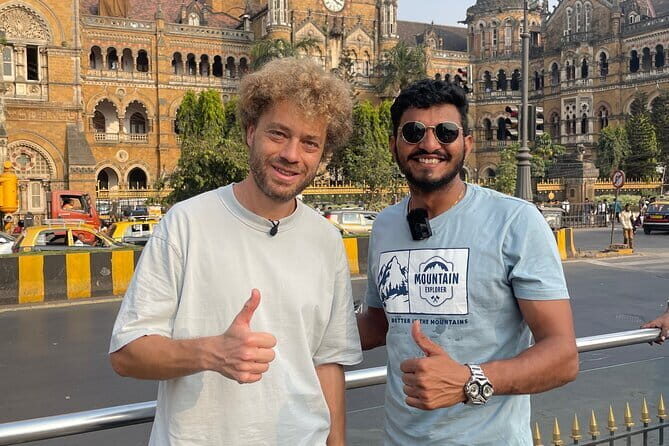
Next up is Mangaldas Market, known for textiles and fabrics. If you’ve ever wondered why certain Indian clothing styles and material choices make so much sense, markets like this are where it becomes visible. You’ll see a wall of color and material options, and it helps you understand how fabric availability shapes what people wear and buy.
This stop is also about 15 minutes, so the focus is orientation and highlights rather than deep shopping. You’ll likely notice:
- Different types of cloth you may recognize from Indian wear
- How merchants display and categorize materials
- The sheer variety that keeps tailors and shoppers busy
Possible consideration: if you’re not shopping for textiles, you might still enjoy it, but keep your expectations realistic. This is a textile market, not a photo walk of street art or architecture. The value is in learning how people source fabric and how vendors present choices.
Zaveri Bazaar: jewelry lanes and craftsmanship energy

Then you head into Zaveri Bazaar, a marketplace renowned for gold, silver, and diamond jewelry. This is where Mumbai’s market side becomes extremely eye-catching. Even if you never buy jewelry, it’s worth experiencing because you can see craftsmanship and commerce in the same breath.
What’s especially useful here is your guide’s role. A good guide helps you make sense of what you’re seeing—who sells what, how the lanes work, and what’s typical in a jewelry bazaar. Since you’re moving through a concentrated area, guidance helps you avoid getting turned around.
A consideration for your budget: jewelry is the kind of category where prices can vary wildly by design, metal, and stone. Since the tour is short, you’ll want to treat this as a look-and-learn stop unless you’re already shopping with a clear plan and comfortable comparing options.
You can also read our reviews of more shopping tours in Mumbai





Shri Mumbadevi Temple: where shopping and faith meet
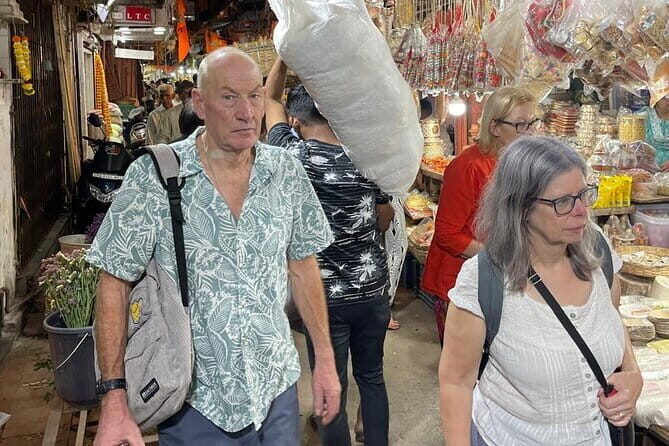
After the jewelry and market lanes, the tour shifts toward a more spiritual stop: Shri Mumbadevi Temple. It’s dedicated to the city’s guardian deity, Goddess Mumbadevi, and it’s one of the oldest temples in Mumbai. Located in Bhuleshwar, it draws devotees and provides an important counterbalance to the commercial energy around it.
This part matters because Mumbai isn’t just commerce. People shop and pray in the same day and often in the same neighborhood. Standing in front of a temple that long predates modern shopping districts gives you a clearer sense of why these markets feel the way they do.
Practical note: temples usually involve respectful behavior—quiet voices and appropriate conduct—especially around people worshiping. Your guide should help you follow local expectations, but you’ll still want to keep your own pace calm here compared with the bazaar sections.
Bhuleshwar Bazaar: practical nearby shopping before you slow down
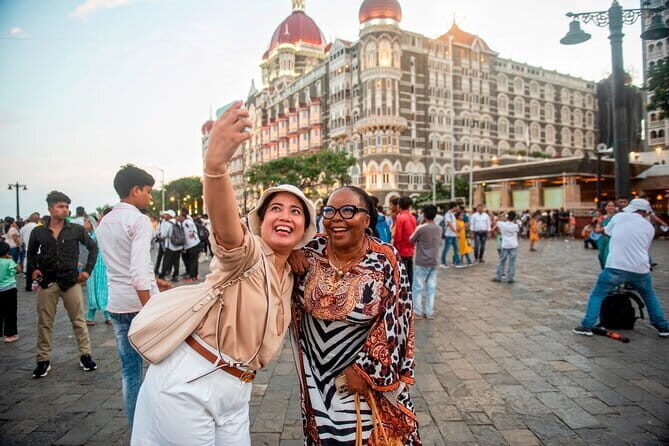
Right near the temple area, you’ll spend time in Bhuleshwar Bazaar for about 20 minutes. This stop complements the temple visit by returning you to market life. Expect a wide range of products and the everyday rhythm of locals shopping in the neighborhood.
This is a good place for “second look” energy. After seeing specialty shopping at Crawford and Zaveri, Bhuleshwar helps you understand how the broader market ecosystem feeds into daily needs.
The drawback is the usual one with time-limited market stops: if you find a product you really love, you might not have enough time to compare multiple stalls. If you plan to buy something here, set a small mission for yourself—one item category only—so you leave with a purchase you feel good about, not a rushed decision.
Shri Mumbai Panjrapole: animal care in the middle of the city
One of the most memorable parts of the tour is Shri Mumbai Panjrapole, an animal-care institution dedicated to protecting animals, particularly cows and other livestock. It’s described as having been established in the 19th century and serves as a shelter for abandoned animals.
This stop is about 20 minutes, and the admission ticket is included. It’s a meaningful change of pace. You go from consumer lanes and religious spaces to a place with a clear social purpose.
For many visitors, the value here is perspective. It’s easy to think of cities as only buildings and markets. Panjrapole reminds you that Mumbai also runs on compassion and long-term care—right inside the urban fabric.
What to watch for: this is not a quick photo stop. Treat it like a respectful visit. If you’re moved by animal welfare topics, you’ll likely leave this part feeling more grounded than you expected.
Madhav Baug Derasar: Jain calm and detailed architecture
The final sightseeing stop in the plan is Madhav Baug Derasar, a Jain temple known for its serene ambiance and intricate architectural details. It’s dedicated to Lord Mahavira, the 24th Tirthankara of Jainism.
This ending makes sense. After markets and temples, you get one more spiritual space, but with its own style and focus. Jain temples often have subtle design elements that reward slow attention—even in a short visit.
Since the duration isn’t specified in the details you provided, I’d plan on using your time wisely: take a moment to notice ornament patterns, ceiling or pillar work, and how the space feels compared with the surrounding street activity.
If you’re the type who loves architecture, you’ll likely enjoy this stop most. If you’re mainly in it for the market experience, you’ll still get a strong sense of how many faith traditions share Mumbai’s neighborhoods.
Included extras that make the tour smoother
This tour is built with small comforts that matter on a hot day. Bottled water and snacks are included, and you also get private transportation plus an English-speaking guide.
That combination is especially useful because you’re moving through multiple districts. Waiting for your own transport between stops can eat up time and energy. Here, the structure protects your schedule.
Another plus: tickets are part of the experience in specific places. Crawford Market and Mangaldas Market list free admission tickets, and Panjrapole includes an admission ticket. That means you’re not constantly wondering what needs to be paid separately at the gate.
Price check: is $49 good value here?
I think $49 is fair for what you get, mainly because you’re not paying only for walking. You’re paying for:
- An English-speaking guide (and guidance through dense areas)
- Private transportation included in the total time
- Water and snacks
- A route that covers multiple major market zones plus temple and animal-care stops
If you were trying to self-plan, you’d have to spend time researching routes and matching entry rules, and then you’d still miss context. The guide’s role—especially with help from someone like Kamlesh—turns a list of places into an actual story of the city.
Potential reason not to book: if you’re on a strict shopping-only mission, this tour may feel too short at each stop. But if you want a solid overview that blends shopping, faith, and social institutions, the price-to-time ratio makes sense.
Practical tips so you enjoy the market part
Mumbai bazaars can be intense. Here’s how to make it fun instead of stressful.
- Wear comfortable shoes you can walk in for a few hours without thinking about it. You’ll be on foot through lanes.
- Bring a small bag and keep your valuables secure. Markets are busy by nature.
- If you plan to buy anything at the jewelry or textile areas, set a limit before you go. It’s easier to shop smarter when you already decided your budget.
- For photos, ask your guide what’s respectful where people are praying or where vendors are working.
- Start your afternoon with a light plan. The tour is designed to show you a lot, so treat purchases as optional rather than mandatory.
Also, since the tour ends at CP Tank Circle and the endpoint may differ day-to-day, don’t stress. Your guide will help you find your way back to your hotel or wherever you want to go after.
Should you book the Mumbai Bazaar Walking Tour?
If you want a fast, guided introduction to Mumbai’s market culture—textiles, jewelry, and neighborhood commerce—this tour is a strong choice. The standout advantage for me is the balance: you’re not stuck in shopping only. You also visit Shri Mumbadevi Temple, see the animal-care work at Shri Mumbai Panjrapole, and finish at Madhav Baug Derasar.
Book it if:
- You like walking tours but want a guide to help you navigate
- You’re curious about how different parts of the city connect
- You value included water and snacks so you can stay focused
Skip it or consider another option if:
- You want long, slow shopping time at one market
- You prefer deep museum-style explanations instead of short stops and movement
FAQ
FAQ
How much does the Mumbai Bazaar Walking Tour cost?
It costs $49.00 per person.
How long is the tour?
The tour lasts about 3 to 4 hours, and the travel time is included in the total duration.
Is pickup available?
Pickup is offered. The tour also uses private transportation during the experience.
What’s included in the tour price?
The price includes bottled water, snacks, private transportation, and an English-speaking guide.
What are the main stops on the tour?
The tour includes Crawford Market, Mangaldas Market, Zaveri Bazaar, Shri Mumbadevi Temple, Bhuleshwar Bazaar, Shri Mumbai Panjrapole, and Madhav Baug Derasar.
Where does the tour start and end?
It starts at Crawford Market and ends at CP Tank Circle (near Charni Road East). The guide assists you in finding your way back to your hotel or another place you choose after the tour.
Can I cancel for a full refund?
Yes. You can cancel up to 24 hours in advance for a full refund. If you cancel less than 24 hours before the start time, the amount paid won’t be refunded.