REVIEW · KOLKATA
Heritage Walking Tour With Victoria Memorial Hall
Book on GetYourGuide →Operated by Calcutta City Guided Tours · Bookable on GetYourGuide
Colonial Kolkata makes a great street-level story. This Heritage Walking Tour pairs a British-era walk in central Kolkata with a yellow cab ride to Victoria Memorial Hall, plus a cup of hot Calcutta tea in a clay cup to start things off.
What I like most is the small, grounded rhythm: warm tea in a clay cup, then a walk that focuses on major colonial landmarks like the Writer’s Building area and the Grand Post Office. Another big plus is the guide talent you can count on, with English-speaking guides such as Sayak and Arniban bringing the architecture and street scenes to life.
One thing to plan for: Victoria Memorial Hall museum entry fees aren’t included, so if you want inside exhibits, budget extra.
In This Review
- Key things that make this tour worth your time
- Starting at Writer’s Building Gate 5, with hot tea in a clay cup
- Walking the British Kolkata thread: from Writer’s Building to 1911
- Tank Square and the colonial landmark cluster you’ll want to spot
- Grand Post Office and insurance buildings: when details matter
- The yellow cab ride: short hop, big change of pace
- Victoria Memorial Hall: the landmark, plus museum entry reality
- Guides, flexibility, and the kind of storytelling you want
- Price and value: what you actually get for $36
- Who should book this, and who might want a different option
- Should you book this Heritage Walking Tour?
- FAQ
- Where is the meeting point for the tour?
- How long is the walking portion of the tour?
- Is pickup and drop-off available?
- What does the tour include?
- Is food included besides the tea?
- Are museum entry fees for Victoria Memorial Hall included?
- What language is the tour conducted in?
- Who is the tour not suitable for?
- How does the tour end?
- Does it use pay later booking?
Key things that make this tour worth your time
- Clay-cup tea at the start to get you in the Calcutta mood fast
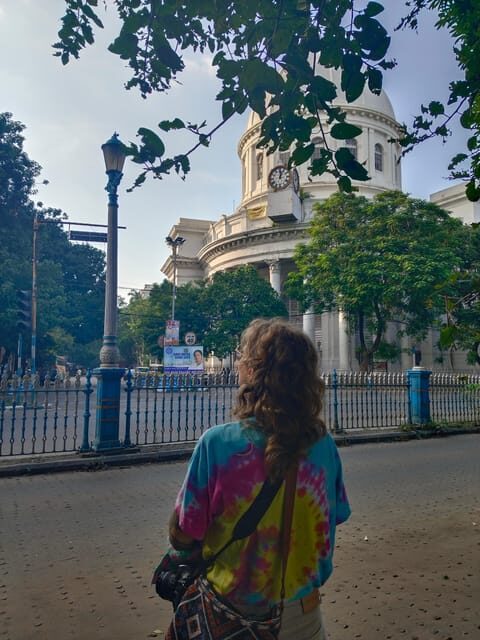
- A focused British-colonial route tied to the era up to 1911
- Tank Square + landmark cluster so you see where the colonial city’s power sat
- Grand Post Office and insurance buildings for architecture you can actually picture
- A yellow cab ride that breaks up walking while keeping the same theme
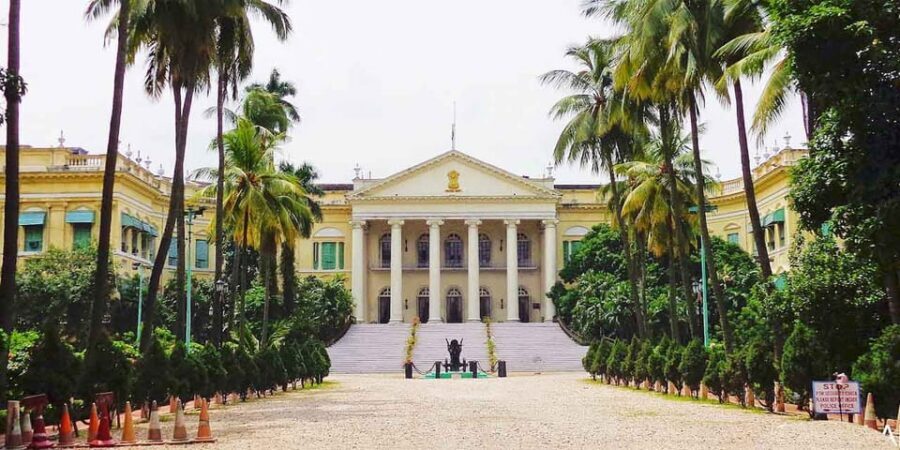
- Victoria Memorial Hall stop for a major landmark finish
Starting at Writer’s Building Gate 5, with hot tea in a clay cup
Your tour begins at Writer’s Building gate No 5. It’s a smart starting point because the whole walk is framed around the British colonial administrative core, and being at the Writer’s Building area lets the stories land immediately instead of feeling random.
Before you head out, you get a hot Calcutta tea in a clay cup (the tour also describes it as Kolkata special khullar tea). This is one of those details that sounds small, but it sets the tone. It’s part practical—something warm and comforting before you walk—and part cultural, because the clay cup is one of those local touches that makes the experience feel less like a checklist.
Timing matters here. The tour is built for a steady pace over about 2.5 to 3 hours of walking, so you’ll want to arrive on time and settle in before you start moving. If you’re the type who stops to take photos constantly, just know the structure is still centered on getting you through the main British-era sights efficiently.
You can also read our reviews of more walking tours in Kolkata


Walking the British Kolkata thread: from Writer’s Building to 1911
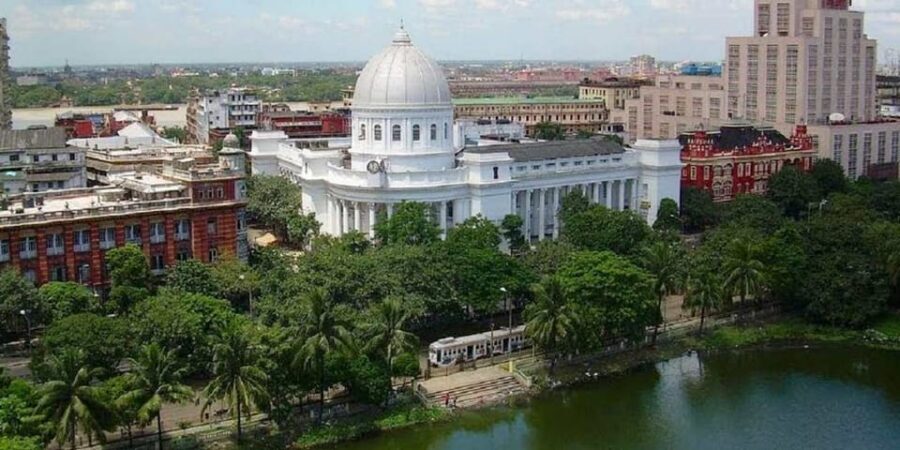
The core of the experience is a guided walk through the British areas of what was once the capital of the British Empire in India until 1911. That specific time anchor is useful. It keeps the guide from turning the walk into a general “old buildings” stroll and instead connects what you see to the city’s colonial-era purpose.
As you go, you’ll hear 19th-century stories tied to the architecture, and the tour also mentions ongoing plans to beautify and restore this heritage site. Even without going into museum galleries, that kind of street-level context helps you notice details you’d otherwise miss—like how the buildings feel designed for administration, commerce, and control.
One highlight is the beautiful tank square stop. A “tank” area might not sound like a big deal at first, but in cities like Kolkata, these squares and open spaces often act like social and civic anchors. In a colonial-era route, they can also show how public space was shaped alongside the official buildings around it.
If it’s raining, take comfort from how the tour is handled in real life. One of the guides associated with the experience, Sayak, was flexible about timing and brought an umbrella when conditions turned wet. That’s the kind of common-sense adaptability you want on a walking tour.
Tank Square and the colonial landmark cluster you’ll want to spot
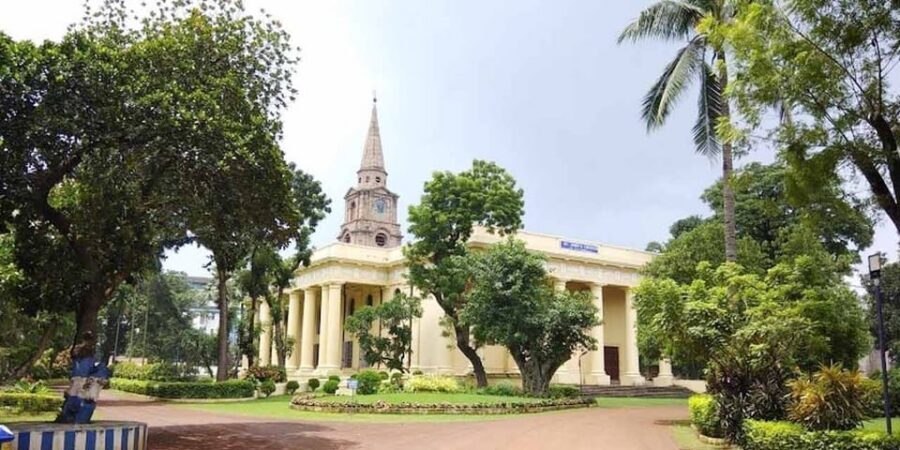
This walk isn’t only about grand facades. It’s built around a cluster of recognizable colonial-era landmarks that help you connect dots across the city center.
After Writer’s Building, you move through key sights that include:
- Tank Square
- The Grand Post Office
- Numerous insurance buildings from the British colonial era
Why this grouping works: it gives you a sense of how the colonial capital functioned. Post wasn’t just mail. It was communication infrastructure. Insurance wasn’t just business. It represented the financial machinery that made trade and property possible. When your guide points out these roles, the buildings stop being static backdrops and start behaving like a map of how the city ran.
There’s also a practical side. When a walking tour is concentrated like this, you don’t waste time bouncing across different neighborhoods. You can keep the same theme and keep your mental model intact. That’s when the stories start to feel coherent instead of scattered.
Also, keep your eyes open for restoration cues. The tour notes plans to beautify and restore the heritage site, so you might see areas that look recently worked on alongside older sections. That contrast can actually help you understand why preservation is such a living, ongoing process rather than something frozen in time.
Grand Post Office and insurance buildings: when details matter
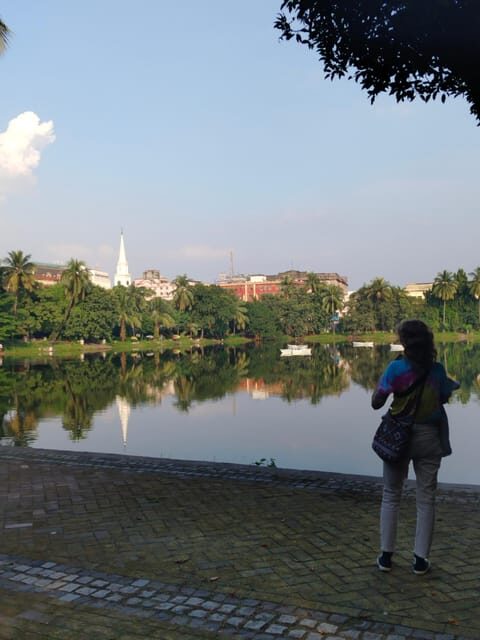
The Grand Post Office is one of the stops that helps this tour feel substantial. Post offices tend to be designed to project authority and efficiency, and they usually have strong architectural statements. Even if you’re not an architecture expert, a good guide can point out the functional intention behind the design—how the building signals order and coordination.
Then comes the sweep through insurance buildings. This is a small but important concept: colonial power wasn’t only forts and government offices. It also ran on contracts, policies, and the businesses that underwrote risk. Walking past these structures with an explanation makes the streets feel more specific. You’re not just looking at old buildings. You’re seeing the economic engine behind them.
One thing I’d recommend: pace your attention. Don’t try to memorize everything at every curb. Instead, pick 2-3 anchor buildings to focus on mentally, and let the rest support the story. If you do that, you’ll come away with a clearer picture of colonial Kolkata instead of a blur of sightseeing.
And it helps that this walk is guided in English. That matters because the value here isn’t only where you go—it’s how the guide connects what you see to meaning.
The yellow cab ride: short hop, big change of pace
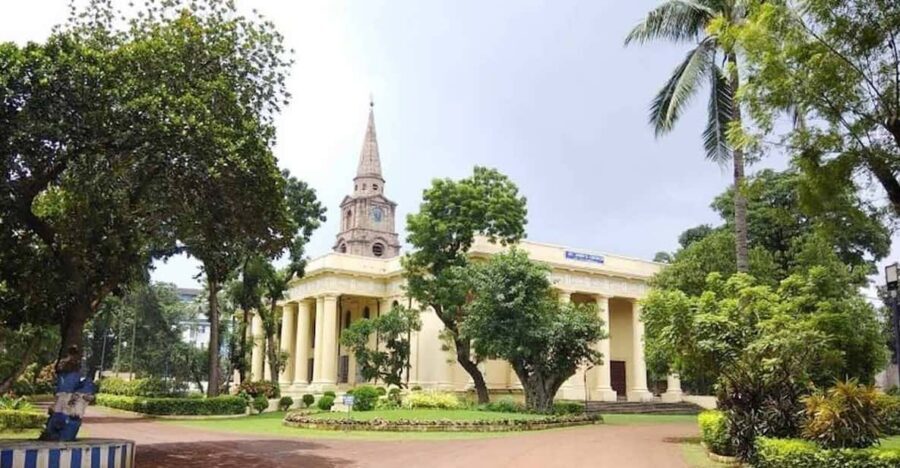
After the walking portion, you switch to a yellow cab ride. This is included in the price, which is smart because it solves the “walking all day” problem without breaking the theme.
Why the cab ride matters: it gives you breathing room, and it also lets you experience the city’s character in a different way. The yellow cab element adds a fun, practical contrast to the walking parts. It’s also a good setup for the final landmark, because it brings you to the next major stop without you having to navigate the route on your own.
Cabs in busy cities can be unpredictable, so I like that this tour treats the cab transfer as part of the guided experience. It reduces friction for you and helps keep the overall schedule aligned with what you paid for.
If you’re someone who usually ends tours tired, this cab segment can feel like a small reward. You’ll still get the heritage focus, just with a reset for your feet.
You can also read our reviews of more historical tours in Kolkata





Victoria Memorial Hall: the landmark, plus museum entry reality
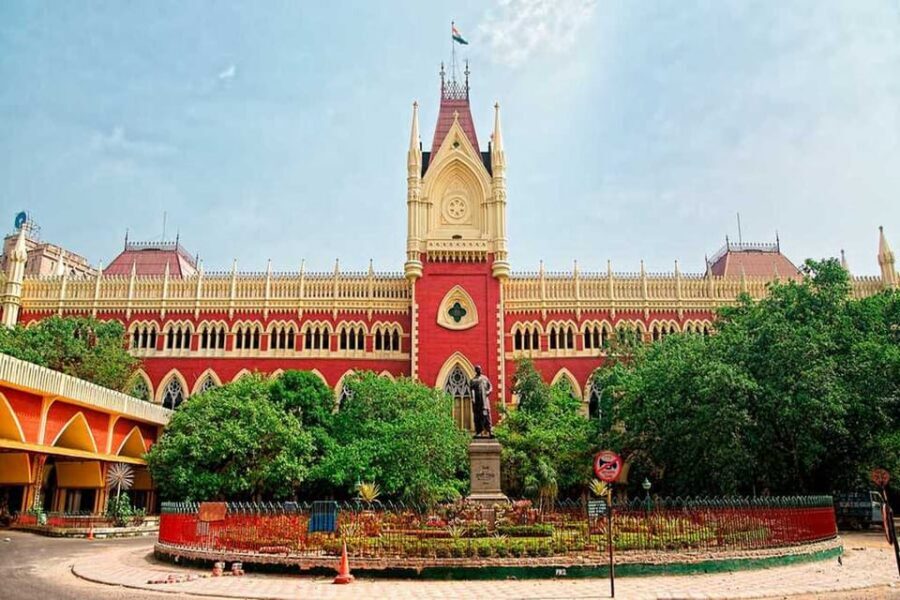
The tour’s finishing anchor is a visit to Victoria Memorial Hall, described as Kolkata’s most important landmark. This is where the colonial story reaches one of its most iconic physical symbols, so it’s a fitting “close the chapter” stop.
One practical note: museum entry fees for Victoria Memorial Hall aren’t included. That doesn’t make the stop less worthwhile—it just means you should decide in advance what you want your time to do.
Here are the choices you can make:
- If you mainly want the landmark experience and the exterior atmosphere, you can plan without budgeting for museum tickets.
- If you want inside exhibits, expect additional entry cost.
Either way, it’s good to go in knowing the tour gives you the landmark visit as part of the experience, but not the museum portion fee. That’s an important value detail when you’re comparing this to other tours that bundle everything.
Guides, flexibility, and the kind of storytelling you want
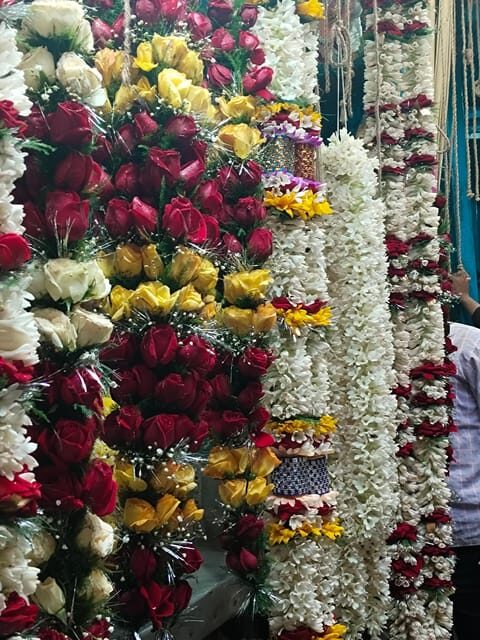
This tour leans on your guide, and the names that come up strongly include Sayak and Arniban. Both are described as kind and helpful, with guides who explain city and India history points while walking you through the heritage area.
Two traits stand out as directly useful to you:
- Adaptability when weather changes
If rain starts, you’re not stuck in a bad situation. Sayak’s umbrella and flexible timing approach is exactly what you hope a guide would do on a street-level tour.
- Practical storytelling that connects buildings to meaning
Arniban is praised for knowledge and the way he connects history points to what you’re walking past.
The tour language is English, which keeps instructions clear and makes it easier to ask questions in the moment. On a heritage walk, those quick clarifications can turn “nice building” into “okay, I get why this matters.”
Price and value: what you actually get for $36
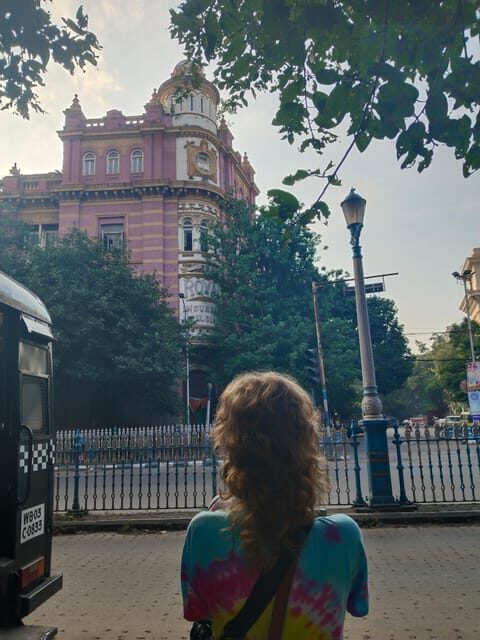
The price is $36 per person. For this kind of city-center guided experience, value is mostly about what’s included versus what you’ll likely pay later.
Included:
- Kolkata special khullar tea in a clay cup
- All entry fees (for the stops that are part of the walk)
- Local yellow cab ride
Not included:
- Any food & drinks beyond the tea
- Museum entry fees for Victoria Memorial Hall
So where does that leave you? You’re mostly paying for the guide time, the organized route through the British-era sites, the included tea, and the cab transfer. If you would otherwise buy a taxi and a tea anyway, the math looks more sensible. If you also plan to visit the Victoria Memorial museum, factor that in so you don’t get surprised at the end.
Also, the tour duration is tight and intentional. With 2.5–3 hours of walking plus the cab and landmark time, you’re getting a concentrated introduction to British Kolkata rather than an open-ended wander.
Who should book this, and who might want a different option
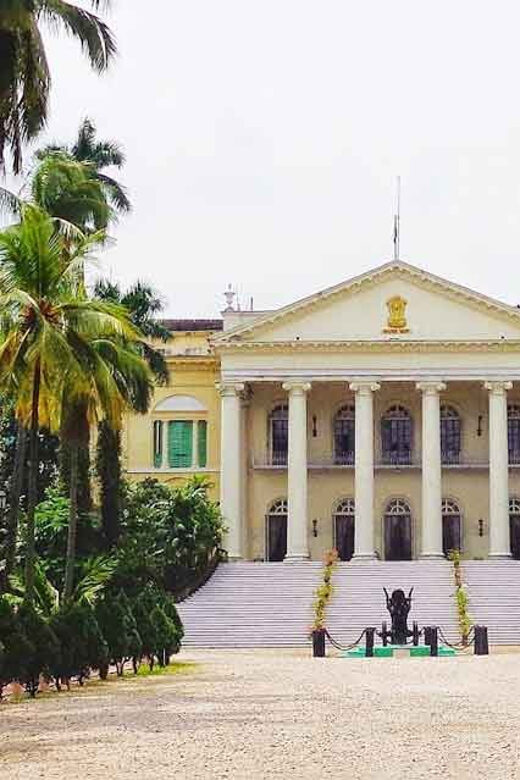
This tour is a good match if you want:
- A guided walking route focused on a clear theme: British colonial Kolkata up to 1911
- Landmark stops that help you orient the city center fast
- A mix of walking plus a yellow cab transfer
- English-language guidance
It’s not suitable for people over 95 years. That likely reflects the walking time and the nature of urban streets. If you’re younger but still have mobility limits, you might still find the 2.5–3 hour walk challenging, so you’ll want to consider your walking stamina.
And if you hate schedules, this won’t be for you. This is a structured route with a starting point at Writer’s Building gate No 5 and a defined end back at that meeting point area.
Should you book this Heritage Walking Tour?
I think this is a strong pick if you want a focused, theme-based introduction to colonial Kolkata without doing it alone. The combination of clay-cup tea, a walk through major British-era sights (including Grand Post Office and insurance buildings), and a cab ride to Victoria Memorial Hall makes it efficient.
Book it if:
- You enjoy learning from street-level context, not only museums
- You want a clear “British Kolkata” route tied to the era until 1911
- You’d like the ease of being guided to the main landmark
Skip it or plan differently if:
- You know you want to spend lots of time inside Victoria Memorial Hall’s museum and you’re trying to keep everything fully bundled
- You want lots of free time wandering on your own
- Long walking is a problem for you
FAQ
Where is the meeting point for the tour?
The meeting point is Writer’s Building gate No 5.
How long is the walking portion of the tour?
The tour includes about 2.5 to 3 hours of walking around the British colonial part of the city.
Is pickup and drop-off available?
Yes. The information says pick up & drop can be arranged.
What does the tour include?
It includes Kolkata special khullar tea in a clay cup, all entry fees, and a local yellow cab ride.
Is food included besides the tea?
No. Food and drinks are not included (the tea is included).
Are museum entry fees for Victoria Memorial Hall included?
No. Museum entry fees for Victoria Memorial Hall aren’t included.
What language is the tour conducted in?
The tour is conducted in English.
Who is the tour not suitable for?
The tour is not suitable for people over 95 years.
How does the tour end?
The activity ends back at the meeting point.
Does it use pay later booking?
Yes. It offers Reserve & Pay Later, meaning you can reserve your spot and pay nothing today.