REVIEW · AMRITSAR
Amritsar: Wagah Border Flag-Lowering Ceremony Tour
Book on GetYourGuide →Operated by Go City Adventures · Bookable on GetYourGuide
One of India’s most dramatic daily rituals happens at dusk. This Wagah Border flag-lowering ceremony tour from Amritsar is a focused, guided way to watch the Indian Border Security Force and Pakistan Rangers go through their synchronized routine, including the famous gate slams. I especially like the clear live-view setup and how the soldiers’ unison marching turns a political headline into something you can actually see with your own eyes. One consideration: you’ll be standing for long moments, so plan for comfort and confirm timings carefully before you go.
You start with a simple plan: a pickup from your accommodation around 3:00 PM, then a smooth, air-conditioned coach ride to the border and back. I also like that this tour includes a live English-speaking guide, so you’re not left guessing what each stage of the ceremony is meant to communicate.
If you’re someone with back issues or you need wheelchair access, this isn’t described as suitable. And like any high-attendance border event, it pays to arrive ready—comfortable shoes, water, and a camera—because you’re there to watch, not to wander.
In This Review
- Key highlights you’ll care about
- Wagah Border’s beating retreat: what you’ll actually see
- How the ceremony works (flag-raising, lowering, and gate slamming)
- The ride from Amritsar and timing that makes sense
- Uniforms, marching, and the cross-border show of control
- Price and value: what $131 buys you
- What to bring (and what to avoid) for a smooth ceremony
- Who should book this Wagah tour, and who should skip it
- A quick reality check on expectations and timing
- Should you book this Amritsar to Wagah Border tour?
- FAQ
- How long is the Wagah Border flag-lowering ceremony tour?
- What time is pickup in Amritsar?
- What time will I return to my hotel?
- What’s included in the price?
- Is food included?
- What should I bring to the ceremony?
- Is smoking allowed during the tour?
- Is the tour wheelchair accessible?
- Is the tour suitable for people with back problems?
- Can I cancel and get a refund?
Key highlights you’ll care about
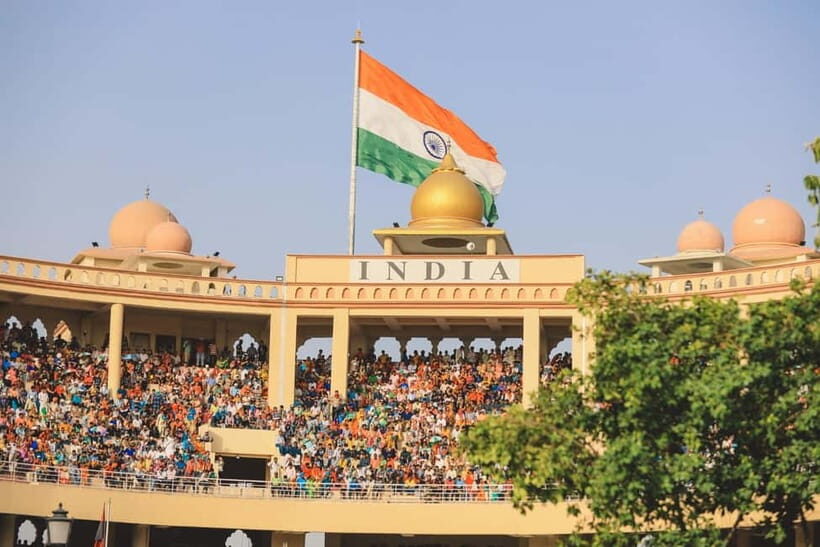
- Beating Retreat spectacle at Wagah: watch the daily flag-raising and flag-lowering routine at the India–Pakistan border.
- Synchronized uniforms and marching: the Indian Border Security Force and Pakistan Rangers move in unison in striking attire.
- Accurate gate slamming: the ceremony’s showmanship is built around timing and precision.
- Guided, hassle-free transport: hotel pickup and drop-off with air-conditioned coach service.
- English live tour guide support: you get explanations in English as the event unfolds.
Wagah Border’s beating retreat: what you’ll actually see
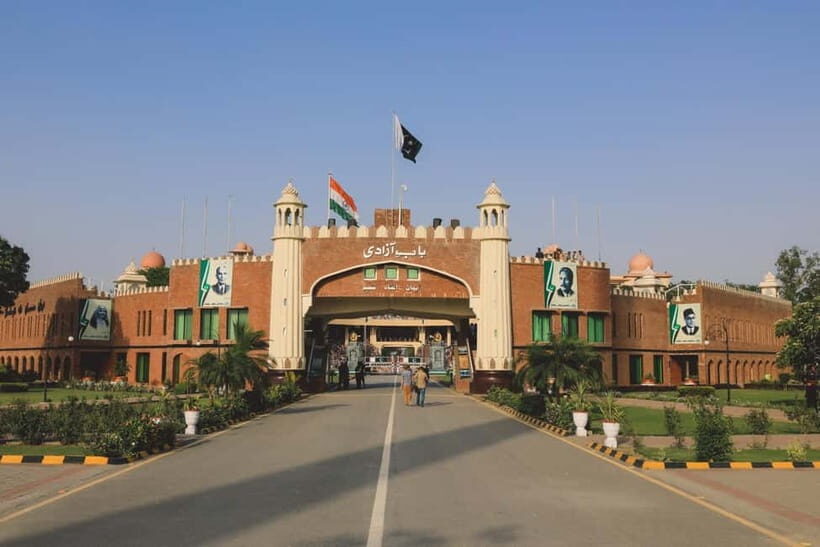
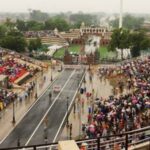
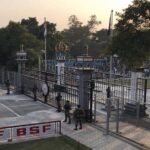
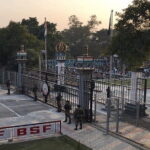
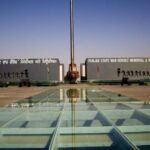
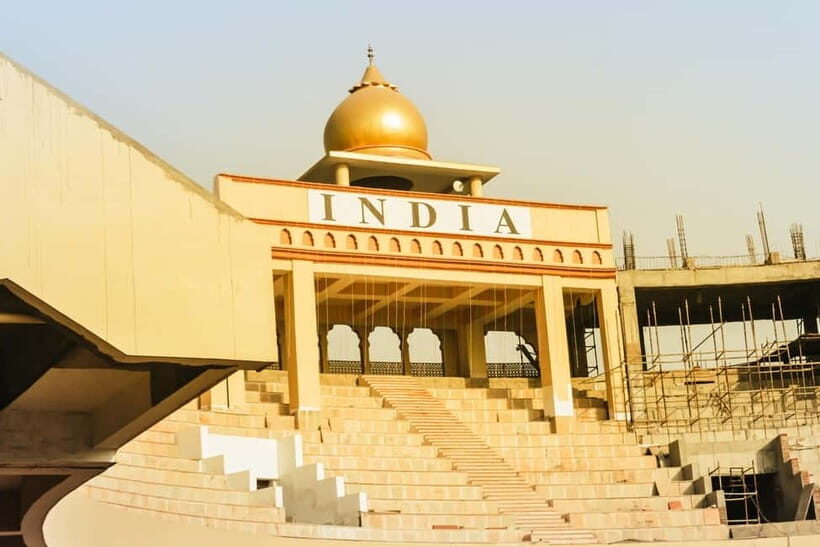
Wagah is one of those places where the setting is part of the story. You’re at the India–Pakistan border crossing station, so everything feels “real time” instead of museum-style. The ceremony itself is known for its pageantry and discipline. You’ll see the daily flow of flag-raising and flag-lowering and the back-and-forth rhythm between the two sides.
What makes this tour worth your attention is that it’s not trying to cram in ten stops. It’s built around one moment: the border ceremony. That focus matters. In a short 3-hour experience, you’re more likely to get a clear view of what’s happening—rather than spending most of your time in transit or searching for the best angle.
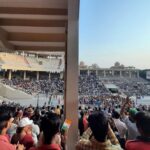
The tone of the event is also different from a typical sightseeing day. The ceremony builds an atmosphere of patriotism, and it does it through movement, timing, and choreography. Even if you’re not into military pageantry, you’ll probably recognize the “this is practiced every day” feel as soon as you see the troops in position.
You can also read our reviews of more tours and experiences in Amritsar.



How the ceremony works (flag-raising, lowering, and gate slamming)
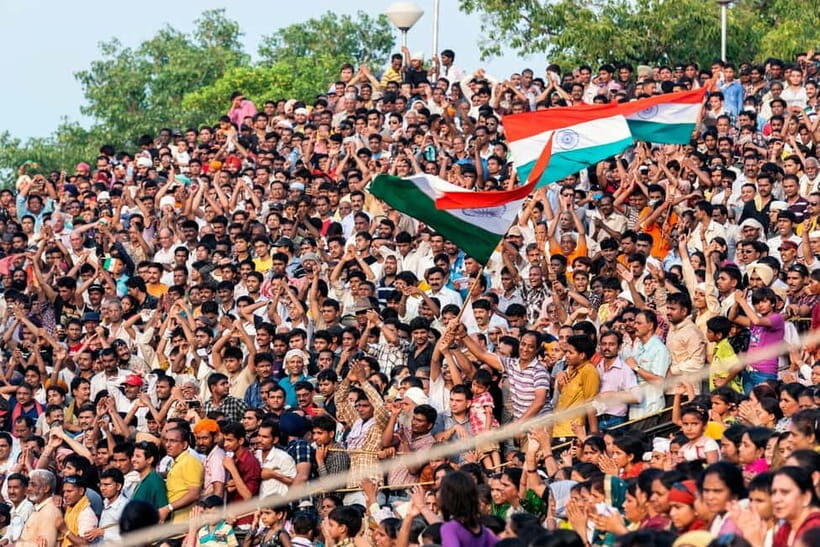
The heart of the experience is the daily border routine. You’ll arrive and settle in for the beating retreat style ceremony, which includes the flag sequence and the dramatic moments that people remember.
Here’s what you can expect conceptually as it unfolds:
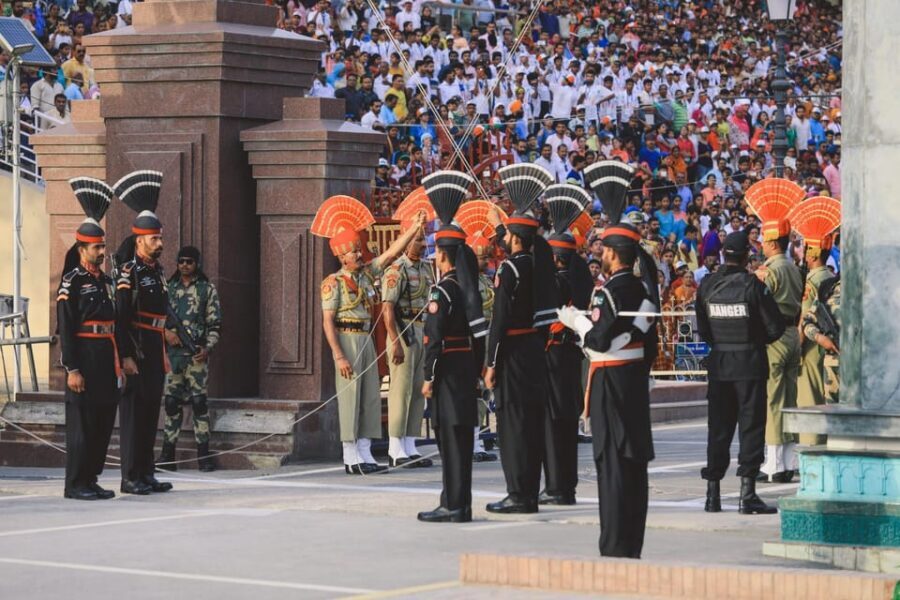
- Troops march in coordinated formations. The visual impact comes from the unison movement—everything looks timed to the second.
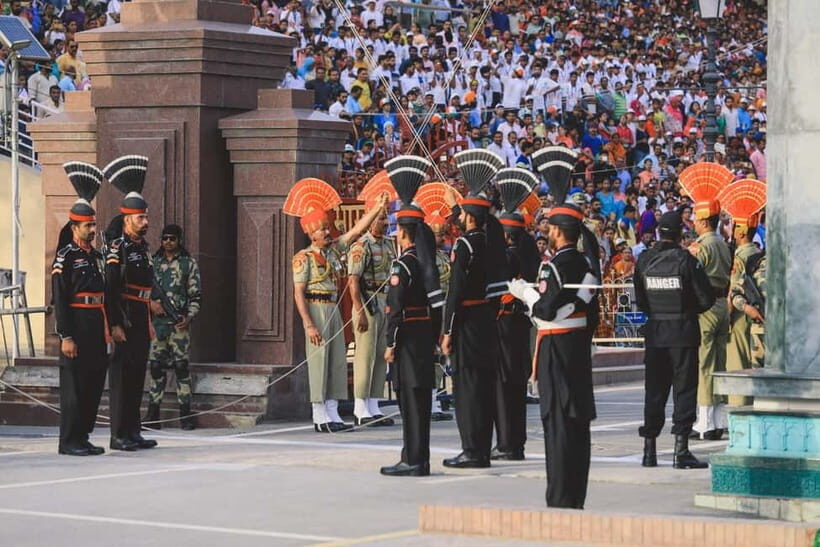
- Uniforms and turbans are a major part of the spectacle. The description notes tall troops wearing enormous turbans and colorful uniforms, which makes the marching visually easy to track.
- Gates get slammed with accuracy. This is one of the signature moments. It’s not random theatrics; it’s part of the ceremony’s rhythm and control.
The beating retreat tradition is designed to create a high-energy spirit that draws in people from both sides of the border. You’ll feel that energy in the crowd and in how the ceremony is paced. Just remember: it’s a ceremonial performance, not a battle reenactment. Keep your mindset on the choreography and the symbolism.
If you’re the type who likes to understand what you’re seeing, lean on your guide. The event moves quickly, and having a live explanation in English helps you connect the visuals to the meaning.
The ride from Amritsar and timing that makes sense
This tour is built around a straightforward schedule. At 3:00 PM, your tour leader picks you up at your accommodation. That matters because Wagah doesn’t sound like a place you’d want to “figure out on your own” in the afternoon.
You ride in an air-conditioned coach, then return to your hotel at 7:30 PM. That time window is useful for two reasons:
- You get a late-day experience without sacrificing your whole evening.
- You’re not stuck in a long, unspecified wait with no plan.
Arrival timing is something you should take seriously. You’re told to arrive at the pick-up point 10 minutes early. That’s not a suggestion for the overly punctual crowd—it’s practical. Border events can be strict, and you don’t want to be the reason your group misses a smooth start.
Because food and drinks are not included, I recommend treating the ride like part of your day. Eat before you leave. Then bring water and plan to sip, not chug.
Uniforms, marching, and the cross-border show of control
One reason the Wagah ceremony draws people in is that it’s not just “watch some soldiers.” It’s about disciplined movement and a highly controlled atmosphere. You’ll see the Indian Border Security Force and the Pakistan Rangers acting in a structured sequence.
The march itself is the standout visual detail. The description calls out tall troops, enormous turbans, and marching in unison. Even if you’ve seen photos before, the live version hits differently:
- You notice the spacing and timing.
- You notice how synchronized the troops appear.
- You notice the way the ceremony shifts from flag moments to motion moments.
Then comes the gate slamming. It’s dramatic, but it also reads as precision. When multiple actions happen on cue, it becomes easier to understand that this is a daily ritual with practice behind it—not a one-off show.
A small but important practical detail: you’ll want to keep your camera ready, but not in a way that distracts you from your footing. Comfortable shoes matter here, because you’re there for the viewing, and most border ceremonies reward people who can stand comfortably.
Price and value: what $131 buys you
At $131 per person, this tour isn’t the cheapest outing in the region. But for a short, ticketed experience that includes transport plus a live guide, the value can make sense—especially if you’d otherwise spend time arranging getting to and from the border.
Here’s what your price covers:
- Pick-up and drop-off at your accommodation
- Transportation by air-conditioned coach
- A live tour guide (English)
So what you’re paying for is time and friction reduction. Instead of figuring out transport timing, dealing with directions, or trying to interpret what you’re seeing while the ceremony moves, you get a guide and a planned route.
The main “don’t forget” cost factor is the obvious one: food and drinks aren’t included. If you budget for a meal beforehand and carry water, your day stays simple. If you don’t, that’s when prices can sneak up on you—because you’ll end up buying what you should have brought.
The other value angle is clarity. With a guide, you’re more likely to understand the ceremony’s steps as you see them. That turns the event from “a spectacle I watched” into “a spectacle I understood.”



What to bring (and what to avoid) for a smooth ceremony
This tour is short, but it’s not “hands-off.” You’ll want to pack like you’re going to an outdoor event where you can’t count on buying supplies.
Bring:
- A camera (you’ll want it)
- Water in a bottle
- Comfortable clothes, suited to the weather
- Comfortable shoes
Do you need a rain jacket or sunscreen? The tour data doesn’t specify weather specifics, so I won’t pretend. But I would still dress for sun or cool evening conditions and keep layers in mind, because border evenings can feel different than daytime.
Avoid:
- Smoking is not allowed
A practical tip: bring your camera strap and keep your hands free for moving, even if the crowd feels calm. The ceremony may be orderly, but you don’t want to fumble when it’s time to capture the gate-slamming moment.
Who should book this Wagah tour, and who should skip it
This works best if you want one clear focus: the border ceremony. If you like military-style pageantry, synchronized marching, and traditions that create a shared atmosphere, you’ll probably enjoy the experience.
It’s also a good fit if you’re traveling without local transport confidence. Hotel pickup and drop-off remove a lot of stress. An English-speaking guide helps you follow what’s happening as the ceremony unfolds.
Skip or think twice if:
- You have back problems
- You use a wheelchair (the tour is not suitable for wheelchair users)
That’s not just a technical checkbox. A ceremony like this typically involves standing and waiting in place. If your body doesn’t do well in those conditions, you may have a tough time.
Also consider how you like to travel. If you hate structured schedules and prefer wandering at your own pace, this may feel a bit too fixed. But if you want a guided, efficient evening with a very specific highlight, this is a clean match.
A quick reality check on expectations and timing
The ceremony sounds straightforward: arrive, watch the flag events and beating retreat-style routine, then head back. Most days probably flow smoothly.
Still, I’d do one very simple thing: verify the exact timing with your provider before you set off. One experience described an issue where advertised timings were incorrect and then corrected after the issue was raised. You don’t need to panic. Just confirm so you’re not standing there wondering if you’re early or late.
Finally, keep your expectations grounded. Photos of the Wagah ceremony can look dramatic, but the live experience is about sequence and movement. If you expect total explanations of international politics, you might feel it’s more “watch and observe” than “lecture.” If you expect a disciplined pageant with a guide pointing out what matters, you’ll likely be in the right frame.
Should you book this Amritsar to Wagah Border tour?
Yes, you should book it if you want a well-organized way to see the Wagah flag-lowering and beating retreat ceremony without logistics headaches. The strongest reasons to go are the guided English commentary, the focused 3-hour format, and the chance to see the synchronized marching and gate slamming up close.
Skip it if your mobility needs are limited or if you know you can’t handle standing and waiting. Also, if timing accuracy is a big deal for you, double-check the schedule with the provider so there are no surprises.
If you’re building a short Amritsar itinerary and want one unforgettable “see it live” moment, this is one of the most direct ways to do it.
FAQ
How long is the Wagah Border flag-lowering ceremony tour?
The tour duration is 3 hours.
What time is pickup in Amritsar?
Your tour leader picks you up at 3:00 PM from your accommodation.
What time will I return to my hotel?
You will be transported back to your hotel and arrive at 7:30 PM.
What’s included in the price?
The price includes pick-up and drop-off at your accommodation, transportation by air-conditioned coach, and a live tour guide in English.
Is food included?
No. Food and drinks are not included.
What should I bring to the ceremony?
Bring a camera, water, and comfortable clothes. Comfortable shoes are also recommended.
Is smoking allowed during the tour?
Smoking is not allowed.
Is the tour wheelchair accessible?
No. It is not suitable for wheelchair users.
Is the tour suitable for people with back problems?
No. It is not suitable for people with back problems.
Can I cancel and get a refund?
Yes. Free cancellation is available up to 24 hours in advance for a full refund.