REVIEW · KOLKATA
British Raj Heritage walk in Kolkata with guide
Book on Viator →Operated by 5 Senses Walks Kolkata · Bookable on Viator
British Raj Kolkata in a few square miles. This is a small-group walking tour that strings together the big colonial-era landmarks—so you start seeing connections, not just postcards. It runs about three hours and keeps you moving, which is great if you like history with street-level context.
I especially like how the tour packs in major sites such as Writers’ Building and the Victoria Memorial without turning the day into a long slog. I also like the practical stuff: entry fees are included where they apply, and you get snacks to keep your energy steady through the walk. Guides also seem to make Q&A part of the experience, not an afterthought.
One consideration: the route is in central Kolkata streets, and at least one recent group noted the street crossing and walking areas can feel fast and tight. Another heads-up is that most stops are best viewed from outside, with interior viewing focused on places like St. John’s Church and the Victoria Memorial.
In This Review
- Key highlights at a glance
- A 3-Hour British Raj Walk That Teaches You the City’s Layout
- Writers’ Building: Where East India Company Bureaucracy Still Echoes
- Job Charnock’s Mausoleum: The Founder Story Behind Modern Kolkata
- St. John’s Church and James Agg’s 1787 Detail
- Raj Bhavan: The Viceroy’s Residence After the Crown Took Over
- Victoria Memorial Hall: George Curzon’s Finale (and the Monday Garden Note)
- Price and Logistics: Does $65 Offer Real Value?
- Street Smarts for a Walk in Central Kolkata
- The Guide Factor: Why Reviews Lean Strong
- Should You Book This British Raj Heritage Walk?
- FAQ
- How long is the British Raj Heritage walk?
- What is the price per person?
- Is pickup included?
- Does the tour include admission tickets and snacks?
- How many people are in the group?
- Where does the tour start and end?
- Is Victoria Memorial open on Mondays?
Key highlights at a glance
- Small-group focus (max 15) for more back-and-forth with your guide
- Entry fees handled for the paid attraction(s) on the route
- Snacks included so you’re not hunting mid-walk
- A purpose-built Raj route from East India Company power to the Viceroy era
- Victoria Memorial Monday workaround (garden visit only)
A 3-Hour British Raj Walk That Teaches You the City’s Layout
This tour works because it doesn’t treat Kolkata’s colonial-era buildings like separate facts. You move from one power center to the next, which helps you understand who held authority—and how the built environment supported it. In just a few hours, you go from administration to religion to the symbolic end point of empire.
The group size is capped at 15, so you’re not just following a trail of strangers. Pickup is offered, and there’s a mobile ticket, which helps if you’re trying to keep your day simple. The whole thing is designed for active walkers: you’ll cover ground on foot, so comfy shoes matter more than anything fancy.
Also, keep in mind the tour requires good weather. Kolkata weather can change fast, and this one is built around outdoor walking.
You can also read our reviews of more walking tours in Kolkata


Writers’ Building: Where East India Company Bureaucracy Still Echoes

You start at Writers’ Building, a landmark tied to the East India Company’s administration. This building was used by the lower ranks of company bureaucracy, and that detail matters because it shifts the story away from only the top brass. You’re not just looking at a grand facade—you’re getting the sense of how the day-to-day machine of empire worked.
It’s also a great first stop because it sets the tone for the whole walk. From there, the tour connects how administrative space could become politically charged later. In the same area, you can feel the layers: commerce, governance, and the push toward independence all share the same urban stage.
Practical note: this stop is listed with free admission, so you’re not juggling paperwork or paid entry time. Your guide will use this early segment to get you oriented before the walk turns more site-specific.
Job Charnock’s Mausoleum: The Founder Story Behind Modern Kolkata
Next comes Job Charnock’s Mausoleum. Charnock is described as the founder of modern Kolkata, and this stop gives you a different kind of anchoring than the bureaucratic buildings. It’s about beginnings—who arrived, who built the groundwork, and how that origin story became part of local identity.
This is a short stop (about 30 minutes), but it’s not meant to be rushed. The value here is interpretation: you’re connecting myth/history to the geography you’re standing in. If you’ve ever wondered why certain names show up so often in Kolkata’s colonial narrative, this is where you start getting the thread.
Admission is free for this stop, so you’ll spend more time listening and looking than waiting.
St. John’s Church and James Agg’s 1787 Detail
St. John’s Church is one of the most interesting stops on the route because it brings art and architecture into the story. The church dates to 1787 and was built by architect James Agg, and that’s the kind of fact that makes the building feel less abstract.
One standout detail is the Last Supper painting on the walls of St. John’s Church. It’s the sort of feature you’d probably miss if you were simply passing by, and it’s a good reminder that colonial-era spaces weren’t only about power—they were also about religion, community, and cultural influence.
This stop is also listed with free admission. That’s helpful because it gives you a chance to slow down and take in the interior elements without thinking about a ticket cutoff.
Raj Bhavan: The Viceroy’s Residence After the Crown Took Over
Then you shift to Raj Bhavan, described as the Governors house and the residence of the Viceroy of India after the British Crown took over from the East India Company. This is where the timeline tightens. You can see the change from company rule to direct imperial governance, not just as a date in a book, but as a change in who lived in what kind of official space.
This stop is about 30 minutes, with free admission listed. Like several other points on this route, it’s best treated as a look-and-learn segment. If you’re hoping for a long, full interior tour at every stop, temper expectations. Some recent participants specifically noted that interior access is limited on most sites, with the most satisfying interior time concentrated at St. John’s Church and the Victoria Memorial.
Still, even from the outside, the significance is clear: the building signals authority, protocol, and the empire’s official presence.
You can also read our reviews of more guided tours in Kolkata





Victoria Memorial Hall: George Curzon’s Finale (and the Monday Garden Note)
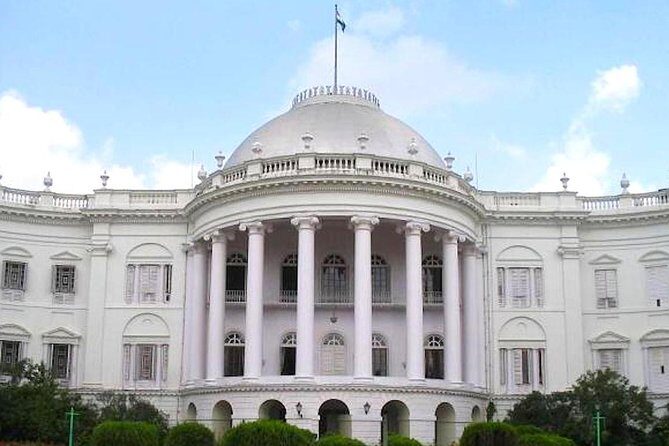
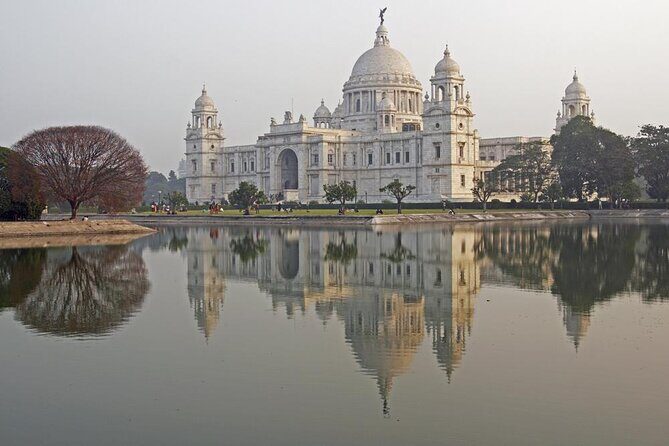
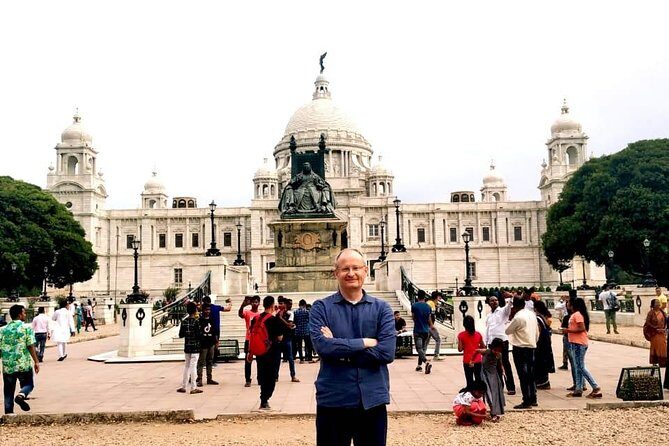
You end at the Victoria Memorial, one of Kolkata’s most iconic monuments. It was built by George Curzon, and this final stop is designed to feel like a capstone. It’s the kind of place where the building itself functions like a storybook—grand, ceremonial, and meant to project the scale of empire.
Entry is included for this stop. The tour also includes a specific rule for Mondays: if the memorial is closed, you don’t lose the ending—you visit only the gardens.
That Monday detail matters if your plans land on a Monday. It’s also a reminder to check your calendar before you book, since a single day of closure can change what kind of experience you get.
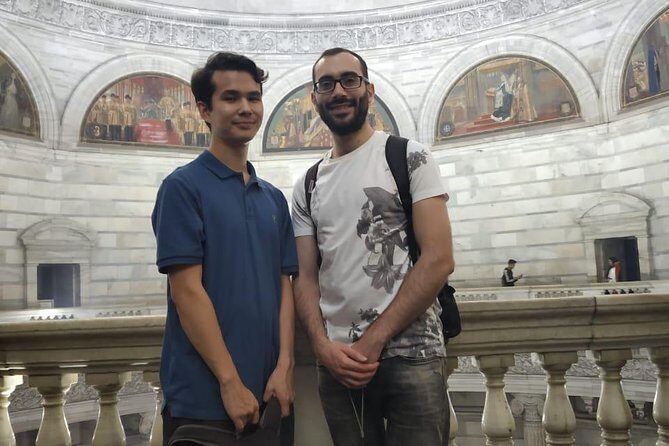
If your priority is iconic interiors, treat this as the main payoff. Based on how the route is structured, St. John’s and the Victoria Memorial are the spots where you’ll likely get the most interior value.
Price and Logistics: Does $65 Offer Real Value?
At $65 per person for about three hours, the value depends on what you want. This isn’t a budget-only walk where you pay for the guide and nothing else. It includes entry fees for the attractions on the itinerary, and it provides snacks—two cost items that can quietly add up on your own.
It’s also priced for a small group (max 15). That group size tends to mean you’re not just a moving silhouette in photos. Guides can answer questions and adjust pacing when needed, and that’s often the difference between a tour that feels like narration and one that feels like a guided walk.
Pickup is offered and you’ll receive a mobile ticket. That reduces the friction of coordinating with the guide, especially if you’re already juggling other Kolkata plans.
The main value tradeoff is time and interiors: the route is compact, but it’s not built like a museum marathon. If your dream tour is “every stop inside, all the time,” you might feel the limits. But if you want the story of British-era Kolkata told through its most significant structures, this price makes more sense.
Street Smarts for a Walk in Central Kolkata
This tour is best for people who can handle active walking in real city conditions. One group noted that the vehicle driving and the walking routes on fast, busy streets can feel intense. That doesn’t mean the experience is unsafe on paper—but it does mean you should go in with street-smart expectations.
Here’s how to make it work:
- Wear shoes with grip and support. You’ll be walking and likely stopping often.
- Stay aware at crossings and near traffic, because this route is tied to major central landmarks.
- If you don’t like walking in tight spaces, consider bringing a steady pace mindset and take quick pauses when the guide stops to explain.
And a small practical point: since snacks are included, you can keep your energy up, but it’s still smart to plan hydration separately if you tend to get thirsty while walking.
The Guide Factor: Why Reviews Lean Strong
The biggest praise in the feedback centers on guide performance: people highlighted answers to questions, engaging storytelling, and enthusiasm for how Kolkata developed under British rule up to 1911. One named guide, Anirban, came up more than once as friendly, with a clear passion for the facts and the bigger picture.
That matters because this tour is about interpretation. If you just see buildings, you get shapes. If you get context—what each building signaled, how administration shifted, why the founders and viceroys matter—you get the city’s logic.
Most importantly, the tour seems to work when the guide keeps it human: friendly explanations, some humor, and the sense that you’re learning something you can apply immediately as you walk.
Should You Book This British Raj Heritage Walk?
Book it if you want a focused introduction to British Raj-era Kolkata with a guide who connects the dots between institutions, architecture, and political change. I’d also recommend it if you like walking tours that feel efficient—three hours that actually teach you something without requiring all-day planning.
Skip or reconsider if your top priority is deep interior access at every stop, or if you strongly dislike street walking in busy traffic patterns. This tour is designed as a route, not a sequence of long indoor visits.
If your visit includes Monday and you want the Victoria Memorial interior specifically, plan around the Monday garden-only approach.
Overall, for most people looking for a smart, story-led city orientation, this walk is a solid choice—especially because it mixes paid sights, snacks, and a small-group format into one neat package.
FAQ
How long is the British Raj Heritage walk?
The tour lasts about 3 hours.
What is the price per person?
The price is $65.00 per person.
Is pickup included?
Pickup is offered.
Does the tour include admission tickets and snacks?
Yes. Entry fees to attractions on the itinerary are included, and snacks are provided.
How many people are in the group?
The tour has a maximum of 15 travelers.
Where does the tour start and end?
It starts at Writers’ Building (Murgighata, B.B.D. Bagh, Kolkata) and ends at Victoria Memorial (Maidan, Kolkata).
Is Victoria Memorial open on Mondays?
The memorial will be closed on Mondays, and the tour will visit only the gardens.