REVIEW · KOLKATA
Cultural Confluence of Kolkata – Culture Kaleidoscope Tour
Book on Viator →Operated by Calcutta Photo Tours · Bookable on Viator
One walk, many faiths, zero guesswork.
This Kolkata cultural walk is built around small, close-up neighborhood stories, with guide Manjit at the center, turning streets you might pass into places with meaning. I especially like the way the route connects Bow Barracks and other enclaves to everyday life and faith, not just dates on a timeline.
I also like that it’s designed as a photo-friendly stroll that still works if your camera stays in your pocket. The main thing to consider is that it’s only about 3 hours, and entry can be limited at some sites due to COVID rules that depend on the day. Pickup is offered, but the plan can shift slightly with what’s open.
In This Review
- Key things I’d circle before you go
- Why This 3-Hour Walk Starts in Bowbazar
- Meet Manjit and Learn the City’s “How”
- Bowbazar to Bow Barracks: Street Life With Big Identity
- Old Chinatown: Where Commerce and Culture Sit Side by Side
- Old Jewish Neighborhoods and the Meaning of Worship Spaces
- Zoroastrian, Jain, and the Fire-Temple Connection
- Chitpur: Residential Streets and the Kolkata You Don’t See by Accident
- Street Food Moments: Watch, Learn, and Try Safely
- Timing, Pace, and How Weather Affects Everything
- Price and What You Really Get for $39.61
- Pickup, Mobile Tickets, and the Route End Point
- Who Should Book This Tour (and Who Might Skip It)
- Should You Book Cultural Confluence of Kolkata?
- FAQ
- How long is the Cultural Confluence of Kolkata tour?
- What does the tour cost?
- How many people are on the tour at most?
- Where does the tour start and end?
- Is pickup available?
- Do I get a mobile ticket?
- Are there admission fees for the sites?
- Which areas and sites can be included on the route?
- Is the tour suitable for most people?
- What if the weather is bad or entry is restricted?
- What is the cancellation policy?
Key things I’d circle before you go
- Manjit’s story style: history plus street-level context in one human voice
- A tight radius of cultures: Old Chinatown, Old Jewish areas, and multiple houses of worship in one route
- Photo-first without being fussy: you can shoot or just watch and listen
- Small group size: up to 15 people, so it’s easier to ask questions and keep pace
- Often includes street-food moments: chances to see vendors work and try items safely
- Weather matters: good conditions are required for the tour to run
Why This 3-Hour Walk Starts in Bowbazar
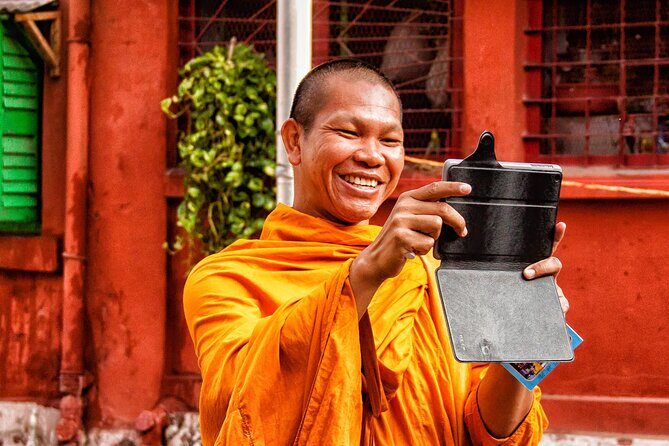
Kolkata can feel like a blur on your first day. This tour gives you a calmer entry point by starting in the Bowbazar area and walking outward on foot, which helps you build a sense of scale fast. You’re not doing a checklist. You’re learning how people live close together—even when their faiths and languages differ.
The route is built to make you notice small details: signs, worship styles, shop rhythms, and the way neighborhoods overlap. For me, that turns Kolkata from a place I’ve heard about into a place I can actually picture.
You can also read our reviews of more tours and experiences in Kolkata.



Meet Manjit and Learn the City’s “How”
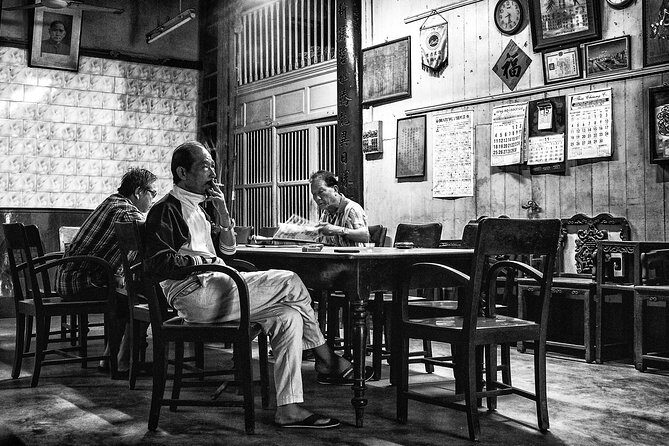
The experience centers on your guide, Manjit, and that matters more than people think. In the best walking tours, the guide can translate a place for your brain. Manjit does that with a mix of history talk and street-level explanation, plus a sense of humor that keeps the group moving.
Because the tour is only about three hours, the pacing stays tight. You’ll get a lot of context without feeling dragged through slow stops. And since the group is limited to 15 people, questions don’t get lost in a crowd.
You’ll also get a practical benefit: you learn what to look for while you’re walking. That means your photos improve even if you don’t change how you shoot. More importantly, you come away with a mental map of how Kolkata’s communities connect.
Bowbazar to Bow Barracks: Street Life With Big Identity
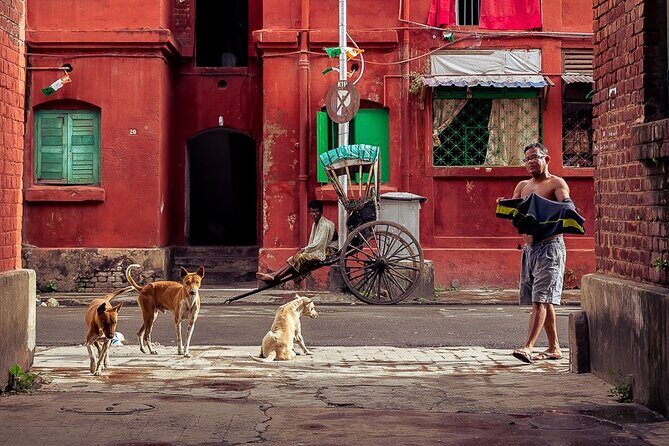
Bowbazar is a strong launchpad. It’s busy enough to feel real, but it’s also structured enough that a guided walk can connect the dots. From there, you head toward Bow Barracks, an area known for its layered community identity.
What makes this section work is the way it connects place to people. You’re not just seeing buildings. You’re hearing how residents shaped the neighborhood, how communities formed, and how Kolkata’s social history shows up in everyday corners.
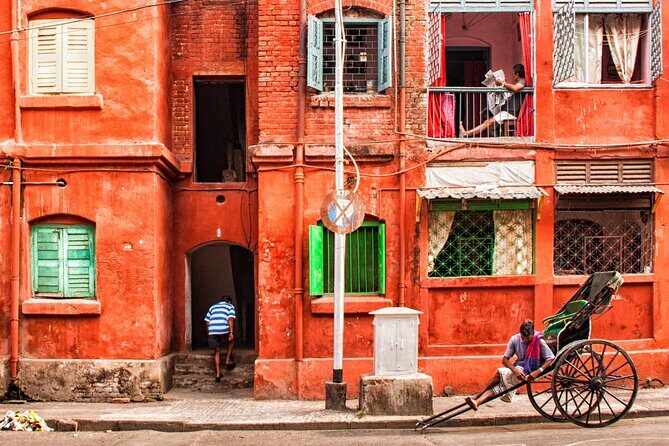
This is one of the best parts for photography. The streets encourage close framing—doors, facades, signage, and people going about their morning. If you’re aiming for portraits, it’s also the kind of area where conversation and courtesy matter, and you’ll be reminded to be respectful with your camera.
Old Chinatown: Where Commerce and Culture Sit Side by Side
Next comes old Chinatown, and the feel changes in a way you can spot right away. The tour approach keeps this from becoming a vague “Asian influences” story. You get the specific sense of how the community formed and how daily commerce reflects identity.
Even if you’re not a photo fanatic, this is a section to slow down. The best shots often come from small moments: the way people move through a narrow lane, the shopfront vibe, and the textures of the street.
There’s also a practical benefit. Walking this area with context helps you avoid the common travel mistake of treating neighborhoods like themed sets. Here, you learn to see them as active places—meant for living, working, and worshiping—not just sightseeing.
Old Jewish Neighborhoods and the Meaning of Worship Spaces
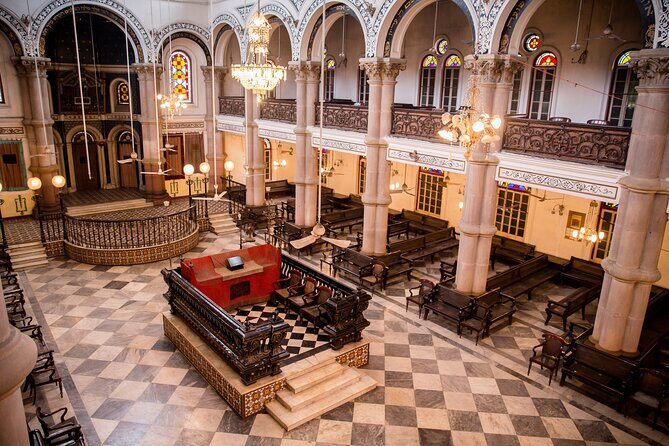
The tour doesn’t limit itself to one faith story. It folds in Old Jewish neighborhoods, plus multiple houses of worship you can view along the route. In a city with so many traditions, it helps to have a guide explain how these places relate to each other geographically and historically.
You may also pass or reference sites tied to Christian communities, including a Portuguese Church and an Armenian Church. Hearing how these churches fit into the broader city story gives you a different lens than if you only read about colonial-era influence in a book.
For photography, worship spaces often reward a patient approach. Look for light angles and simple compositions rather than forcing grand, postcard-style shots. If entry is allowed, you’ll have chances to photograph respectfully from appropriate viewpoints. If entry isn’t allowed, you’ll still get plenty of street-level context.


Zoroastrian, Jain, and the Fire-Temple Connection
One highlight is the chance to see a Zoroastrian Fire Temple. Fire-temple worship is visually distinctive, and the guide’s job is to help you understand what you’re seeing beyond the obvious silhouette. That means you’ll connect symbolism to daily practice—why certain details matter, and what kinds of rituals you might observe from the outside.
The route can also include a Jain Temple. Jain worship has its own style and atmosphere, and when you experience it as part of a single walking flow, the city’s variety stops feeling random. It starts feeling like a system: different beliefs, close proximity, and shared urban life.
This part of the tour is especially good for non-photographers too. If you like learning through observation, you’ll come away with a clearer sense of how traditions shape space.
Chitpur: Residential Streets and the Kolkata You Don’t See by Accident
Not every neighborhood on this walk is all sightseeing. Chitpur adds a more residential tone, which is crucial. Kolkata isn’t just monuments; it’s neighborhoods where people work, eat, and gather.
This stretch helps you balance the emotional feel of the city. You’ll see the everyday side of culture—how shops and homes sit together, and how community routines become part of the street picture.
If you’re the type who likes to photograph real life rather than only architecture, Chitpur is a strong payoff area. Keep an eye on small signs of normalcy: morning business, casual conversation, and the pace people move at.
Street Food Moments: Watch, Learn, and Try Safely
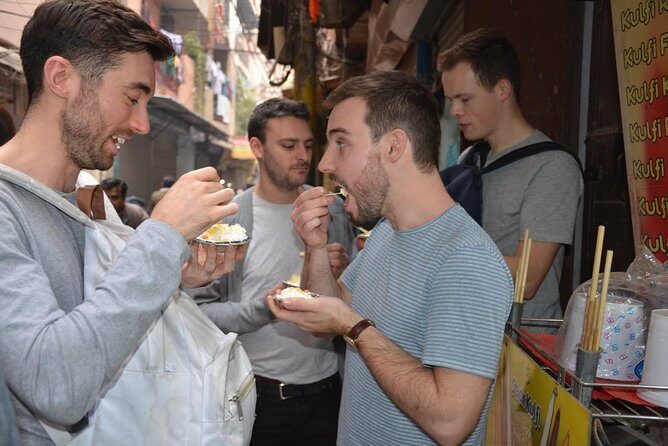
One of the most memorable aspects—based on the experiences people share—is the tour’s potential for street-food experiences. You might get chances to watch vendors work, including bread and snack preparation like samosas, and you may taste items in a guided, safer way.
This is more than a “snack stop.” It’s cultural education through routine. Food shows you what people actually reach for, not what a guidebook thinks they should buy.
My practical advice: keep your expectations simple. Ask questions, try what looks manageable for you, and don’t go into it like a food festival. Think of it as learning one tiny piece of local life up close.
Timing, Pace, and How Weather Affects Everything
This tour is scheduled for walking, so timing matters. Many people enjoy it early because the streets feel alive and the morning air can be more comfortable for a 3-hour route. If your dates line up with local festival timing like Pujo, your experience may feel extra alive, depending on day and schedule.
Pace is also a real factor. The walk is described as suitable for most people, with no major fitness demands. Still, you’ll be on your feet for around three hours, so wear comfortable shoes and plan to move steadily.
Weather is part of the deal. The tour requires good weather, and if it’s canceled due to poor conditions, you’ll be offered a different date or a full refund. That’s good to know because Kolkata’s conditions can change fast.
Price and What You Really Get for $39.61
At $39.61 per person, this tour sits in the “serious value” category for Kolkata. You’re paying for three things: a real guide (Manjit), concentrated neighborhood access in one short window, and a route designed for understanding community culture—not just seeing landmarks.
It also helps that the experience notes admission ticket is free, meaning you aren’t expected to pay separate site fees as a baseline. Of course, COVID-related entry rules can still affect access, and some places may restrict entry depending on the day and time.
Finally, the small group size (up to 15 people) supports the price. In a bigger group, your questions and photo stops get squeezed. Here, you’re more likely to get the full benefit of the story.
Pickup, Mobile Tickets, and the Route End Point
Logistics are straightforward. Pickup is offered, and you’ll have a mobile ticket. The start point is listed at the Indian Airlines Office on Central Ave, near Air India Limited in Bowbazar. The tour ends at Brabourne Road, near Bara Bazar / Barabazar Market.
That ending point is practical. Barabazar is the kind of area where you can easily continue your day with shopping, snacks, or another walk. If you like building your trip as a chain of small explorations, this layout works well.
You’ll also be near public transportation, which makes it easier to plug into the rest of your Kolkata plans.
Who Should Book This Tour (and Who Might Skip It)
This is a great fit if you want to understand Kolkata through communities and places of worship. It’s especially good for people who care about photography but also for those who prefer listening and learning through streets and conversation.
It may be less ideal if you’re only chasing famous tourist sights. This walk is intentionally focused on neighborhoods, side streets, and the cultural overlaps that don’t always land on the standard itinerary.
Also consider your flexibility. Since entry can be restricted and the tour depends on good weather, you’ll get the best result if you can adjust your morning plan and dress for a walking schedule.
Should You Book Cultural Confluence of Kolkata?
Yes, if you want Kolkata with context. This tour is short, focused, and guided by Manjit, whose storytelling connects faith, neighborhoods, and street reality in a way that makes the city feel understandable fast. It’s also strong value: small group size, photo-friendly pacing, and an emphasis on communities you may not find on your own.
I’d book it early in your stay, too. Once you learn how these enclaves fit together, your later self-guided wandering gets easier. If you’d rather only do major sights on day one, you might save it for a calmer second or third day. But if your goal is to see Kolkata’s cultural connections up close, this is a smart choice.
FAQ
How long is the Cultural Confluence of Kolkata tour?
The walk runs for about 3 hours.
What does the tour cost?
It’s priced at $39.61 per person.
How many people are on the tour at most?
The group is limited to a maximum of 15 people.
Where does the tour start and end?
It starts at the Indian Airlines Office on Central Ave near Air India Limited in Bowbazar, and it ends at Brabourne Road near Bara Bazar / Barabazar Market.
Is pickup available?
Yes, pickup is offered.
Do I get a mobile ticket?
Yes, the tour includes a mobile ticket.
Are there admission fees for the sites?
Admission is listed as free, with the note that some places may have restricted entry depending on COVID rules and the day/time.
Which areas and sites can be included on the route?
The route can cover Bowbazar, Bow Barracks, Zoroastrian Fire Temple, Old Chinatown, Old Jewish neighborhoods, a Jain Temple, Portuguese Church, Armenian Church, and Chitpur.
Is the tour suitable for most people?
Most people can participate, and the walk is described as not requiring high fitness.
What if the weather is bad or entry is restricted?
The tour requires good weather. If canceled due to poor weather, you’ll be offered a different date or a full refund. Some places may also restrict entry based on day/time under COVID rules.
What is the cancellation policy?
Free cancellation is available up to 24 hours in advance for a full refund. If you cancel less than 24 hours before the start time, the amount paid is not refunded.