REVIEW · KOLKATA
Raj Heritage Walk
Book on Viator →Operated by Kolkata Story Tours · Bookable on Viator
Early morning history in Kolkata feels personal. This Raj Heritage Walk threads together colonial-era architecture in the Maidan and B.B.D. Bagh area, then gives you the political and cultural backstory that you usually miss when you wander on your own.
What I really liked: the guide, Kaushik, brings the stories to life with energy and sharp context. I also liked the practical touches—coffee or tea, bottled water, and a small group size that keeps the pace comfortable.
One thing to plan for: it is a walking tour that runs about 3 to 4 hours, and you start at a set time (with optional hotel pickup costing extra).
In This Review
- Key highlights I’d plan around
- Walking Kolkata’s Colonial Core: From Esplanade East to B.B.D. Bagh
- The story engine: how the guide connects British power to today
- Stop by stop: what each major landmark adds
- Esplanade East and the Maidan approach
- Town Hall: the facade first, then the meaning
- Writer’s Building: administration you can read in stone
- High Court: law, order, and the colonial imprint
- The Black Hole monument: history with heavier weight
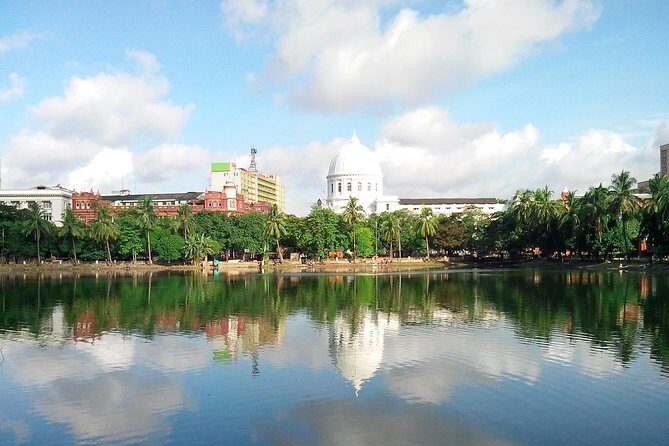
- Ending at the General Post Office: where the city’s systems show up
- Included extras that actually matter on a walking tour
- Pickup, group size, and the comfort factor (max 7 helps)
- Timing: why the 3 to 4 hours feels right
- Price check: is $30 good value in Kolkata?
- Who should book this walk (and who should skip it)
- Should you book Raj Heritage Walk?
- FAQ
- How long is the Raj Heritage Walk?
- What does the tour cost?
- Where does the tour start?
- Where does the tour end?
- Is hotel pickup available?
- What’s included in the price?
- Is WiFi provided during the tour?
- How big is the group?
- What kind of ticket do I get?
- What if I need to cancel?
Key highlights I’d plan around
- A focused colonial route from Esplanade East toward B.B.D. Bagh and the General Post Office
- Kaushik’s storytelling, aimed at the British-era choices that still echo in daily life
- Town Hall, Writer’s Building, High Court, and the Black Hole monument as anchor stops
- Coffee/tea and bottled water included, so you’re not hunting for refreshments mid-walk
- Small group (max 7) for questions and a more conversational pace
- Mobile ticket and pickup offered, with hotel pickup/drop-off available for an extra fee
Walking Kolkata’s Colonial Core: From Esplanade East to B.B.D. Bagh
This walk is built for one purpose: to show you Kolkata’s colonial landmarks as more than photo backdrops. You start near Esplanade East, by Tipu Sultan Masjid in the Maidan, and the experience ends at the General Post Office in B.B.D. Bagh. That end point matters. When you finish at the GPO area, you’re basically standing in the thick of old civic and administrative Kolkata.
The time window is short—about 3 to 4 hours—so you’re not doing a marathon. Still, you’ll be on your feet. I’d wear comfortable shoes and keep water on your radar, even though bottled water is included.
You can also read our reviews of more walking tours in Kolkata


The story engine: how the guide connects British power to today
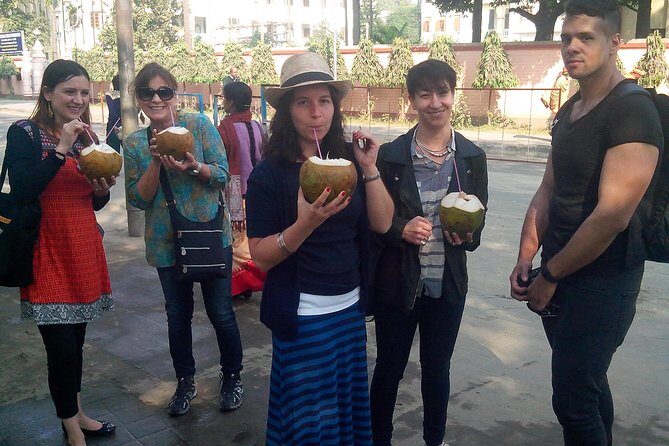
The biggest reason this tour works is the way it frames British rule in Kolkata. Instead of listing dates, it ties the city’s colonial-era buildings to the choices and traditions that took root during the period when Kolkata was a British capital in India.
On my pick of this kind of tour, the best moments tend to be when you stand in front of a famous facade and suddenly understand what it was for—who used it, why it mattered, and what it changed. Here, the guiding tone is specifically aimed at that. The tour’s pitch is that you’ll hear tales and insight you’d likely miss alone, and you really feel that in the way each stop is explained.
Kaushik’s role comes through strongly in the reviews you provided, and it’s easy to see why. The stories don’t feel like homework. They feel like guided street-level context for Kolkata’s architecture.
Stop by stop: what each major landmark adds
Esplanade East and the Maidan approach
You begin at Esplanade East near Tipu Sultan Masjid, in the Maidan area. That’s a smart start because it puts you in the broader setting of colonial-era Kolkata without starting you deep inside a single complex. The Maidan gives you space to orient yourself—visually and mentally—before the tour locks onto specific buildings.
Also, this start point is useful if you’re using public transit. The listing notes it’s near public transportation, which helps if you’re not planning a long taxi ride just to get to the meeting spot.
Town Hall: the facade first, then the meaning
Town Hall is one of the named highlights, and I like how a heritage walk like this typically teaches you to look in layers. You’ll get time on the front facade view of a major historic building while your guide ties it to the story behind British presence in the city.
For me, this stop is about learning how colonial-era civic identity was presented in architecture. You see the exterior, then you get the human side—why the building stood there, and how it fit into the colonial administration and public life.
If you’re only interested in taking pictures, you can do that here. But this stop is much more rewarding if you enjoy interpretation: how places shaped behavior.
You can also read our reviews of more historical tours in Kolkata





Writer’s Building: administration you can read in stone
Writer’s Building is another anchor stop on the tour. This is the kind of building name you hear when you’re looking at a British-era map of power. The value of including it on a walking tour is that you don’t just hear a fact—you get a chance to connect the building to what the British were doing in the city: running, organizing, and governing.
In a city like Kolkata, the colonial period can feel like it belongs to textbooks. Stops like Writer’s Building bring it back to street level. You see why these structures held authority and how that legacy stays visible.
High Court: law, order, and the colonial imprint
High Court is listed as a featured sight, and it naturally plays into the same theme: British institutions and how they shaped Kolkata’s governance culture. When your guide explains it, the building becomes more than a landmark. It becomes a symbol of how rule was structured.
This is also a moment where your mindset matters. If you go in expecting pure sightseeing, you might skim the deeper parts. If you go in curious—about how power works through institutions—you’ll leave with a better understanding of why these buildings still matter.
The Black Hole monument: history with heavier weight
The tour includes a stop at the Black Hole monument. That’s the kind of place that changes the tone of a walking tour. Without getting overly specific about details you weren’t given, I’ll say this: monuments like this work best when your guide keeps the story careful and grounded.
A practical note: if you’re traveling with sensitive expectations, this is one of the spots to mentally prepare for a heavier theme. It’s still part of the full picture of colonial Kolkata. Just don’t treat it as a quick photo stop.
Ending at the General Post Office: where the city’s systems show up
You finish at the General Post Office on Netaji Subhas Road in B.B.D. Bagh. Ending here is a strong move because the GPO isn’t just another building. It represents infrastructure and public service—exactly the kind of thing colonial administrations often used to make control feel practical and permanent.
After 3 to 4 hours, you’ll likely be thinking less about individual facades and more about how the whole colonial layout functioned. This finish gives you a satisfying “wrap” to the walk.
Included extras that actually matter on a walking tour
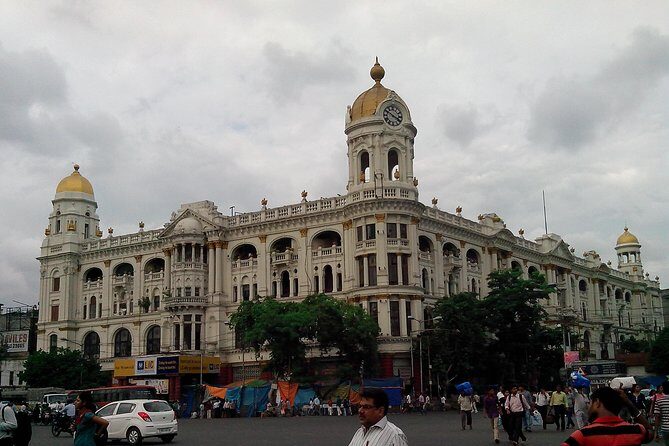
This experience includes coffee and/or tea, bottled water, and all fees and taxes. That’s not just nice—it helps you avoid the usual walking-tour problem: you burn energy, then you have to hunt for drinks while everyone else moves on.
You should also note what is not included: private transportation, WiFi on board, and gratuities or personal expenses. So if you’re planning to minimize spending, budget for a tip and any extra snacks you might want. If you’re planning to cover the day lightly, the included water and hot drink can be enough.
Pickup, group size, and the comfort factor (max 7 helps)
Pickup is offered, but hotel pickup and drop-off are listed as an extra fee. If you’re staying somewhere far from the Maidan/Esplanade area, it can be worth it for the time saved. If you’re nearby or comfortable using transit, you may prefer to skip the extra cost.
The group cap is 7 travelers. I love that for a city like Kolkata. A small group means:
- you’re less likely to feel rushed,
- questions land better,
- and the guide can keep you oriented without losing people.
You also get a mobile ticket. That’s simple, but it matters when you’re trying to move quickly through a city.
Timing: why the 3 to 4 hours feels right
The walk runs about 3 to 4 hours. That’s a sweet spot for a heritage tour because you’re not trapped for half a day, but you still get enough time to learn the connections between buildings and stories.
It also helps you pair the walk with other plans. You can think of this as your morning or early-day foundation. Once you’ve seen colonial-era landmarks with context, later sightseeing starts to feel more coherent.
One practical caution: the tour length plus city heat and street pace can add up. Even if the walk is “just” a few hours, treat it like a real walk. Comfortable shoes are worth it.
Price check: is $30 good value in Kolkata?
At $30 per person, you’re paying for a guided route, entry/fees included, and refreshments. For Kolkata, that’s a fair trade when you consider what you would normally spend on a guide plus your own drinks during the walk.
The best value angle here isn’t just the price tag. It’s the combination:
- small group size (max 7),
- a clear set of major colonial landmarks,
- and included coffee/tea and bottled water.
The main cost variable is whether you add hotel pickup/drop-off. If you’re already close to the meeting point near the Maidan, you may get closer to the best value. If you’re not, the extra transport fee could shift the math.
Who should book this walk (and who should skip it)
This is a great fit if you:
- like architecture with a story attached,
- want colonial-era Kolkata explained in plain language,
- enjoy short morning-style sightseeing that stays focused.
You might prefer something else if you:
- don’t enjoy historical interpretation and only want free time for photos,
- need a fully accessible, low-walking option (this is described as a walking tour, and no special mobility support is stated),
- or you’re traveling with a tight schedule and can’t handle a fixed start time.
Should you book Raj Heritage Walk?
Yes—if you want Kolkata’s colonial core explained clearly and you like a guide who turns landmarks into stories. The biggest selling points for me are the small-group pace and the chance to connect multiple major sights into one coherent narrative, with coffee/tea and water included.
Book it especially if you’re only in the city for a short time and want your walking hours to count. If you’re the type who prefers to wander without structure, you can still enjoy Kolkata on your own—but you’ll likely miss the specific connections between British institutions and the traditions that still show up in the city.
FAQ
How long is the Raj Heritage Walk?
It runs about 3 to 4 hours (approx.).
What does the tour cost?
The price is $30.00 per person.
Where does the tour start?
It starts at 11a at 11a, Esplanade East, near Tipu Sultan Masjid, Maidan (Esplanade area), Kolkata.
Where does the tour end?
It ends at the General Post Office on Netaji Subhas Rd, Fairley Place, B.B.D. Bagh, Kolkata.
Is hotel pickup available?
Pickup is offered. Hotel pickup and drop-off are available for an extra fee.
What’s included in the price?
Coffee and/or tea, bottled water, and all fees and taxes are included.
Is WiFi provided during the tour?
No. WiFi on board is not included.
How big is the group?
The maximum group size is 7 travelers.
What kind of ticket do I get?
You’ll have a mobile ticket.
What if I need to cancel?
You can cancel for a full refund for free up to 24 hours before the experience starts.
If you tell me your travel dates and where you’ll be staying, I can help you sanity-check whether hotel pickup is worth it for your route and timing.