REVIEW · PANAJI
Panaji: Food Trail around the Old Latin Quarter in Panjim
Book on GetYourGuide →Operated by Make It Happen · Bookable on GetYourGuide
Goa can taste like a history lesson, and this walk makes it fun. I love the Portuguese-influenced savouries and how the guide explains why they show up in everyday Goan food. I also like that you get a proper sit-down lunch and dessert, not just a few nibbles. One drawback to plan for: it’s a walking tour with no vehicle help inside the Latin Quarter, so comfortable shoes matter.
This Panaji Old Latin Quarter tour is an easy way to understand the state’s culture through food. You’ll start at Gitanjali Gallery, move through Fontainhas on foot, and end back where you began, with tastings along the way and a full meal at a heritage space. Expect an English-led walk with a local storyteller, and you can go vegetarian, non-vegetarian, or vegan depending on your needs.
In This Review
- Key highlights you’ll feel right away
- Panaji’s Old Latin Quarter: why this food trail fits the place
- From Gitanjali Gallery to Fontainhas: how the 3-hour walk works
- Learning Goa’s cuisine “melting pot” through Portuguese influence
- Soup, appetizers, and non-alcoholic pairings you can pace
- Fontainhas heritage home meal: where the experience clicks
- Price and value: what $30 really covers in Panaji
- Who should book this Panaji Old Latin Quarter food trail
- Quick practical advice before you go
- Should you book it? My decision guide
- FAQ
- What is the duration of the Panaji Old Latin Quarter food trail?
- Where does the tour start and end?
- Is the tour vegetarian, non-vegetarian, or vegan friendly?
- What food and drinks are included?
- Do I need to bring anything?
- Is the tour wheelchair accessible?
- Are there any rules about smoking or pets?
Key highlights you’ll feel right away
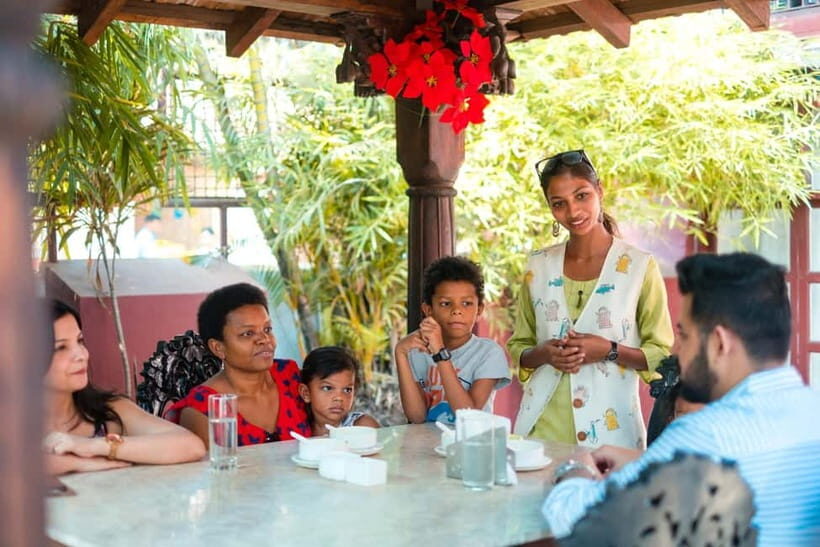
- Portuguese-influenced flavours explained in plain terms, with tastings to match
- Fontainhas heritage home visit plus a sit-down Goan meal
- Non-alcoholic beverage pairings with appetizers so you can pace the route
- Soup at a heritage establishment that sets the tone early
- English storytelling guide who focuses on history you can taste, not just dates
Panaji’s Old Latin Quarter: why this food trail fits the place
Panaji’s Latin Quarter is where you can see Goa’s mix of influences in everyday life. This tour leans into that idea by treating food like a map. You’re not just eating because it’s enjoyable. You’re eating because Portuguese presence, maritime trade, and connections with other Portuguese colonies helped shape what people cooked and how they served it.
What I like is the balance. The Portuguese influence shows up in the savouries you’ll try, but you also get the Goan angle through local ingredients and everyday flavours. It’s a useful way to understand why Goa’s cuisine doesn’t taste like one single tradition.
And since you’re moving on foot through the Old Latin Quarter, the experience feels tied to place. You pass heritage spaces, then you sit down and taste what those places are connected to. It’s a simple formula that works.
You can also read our reviews of more food & drink experiences in Panaji
From Gitanjali Gallery to Fontainhas: how the 3-hour walk works
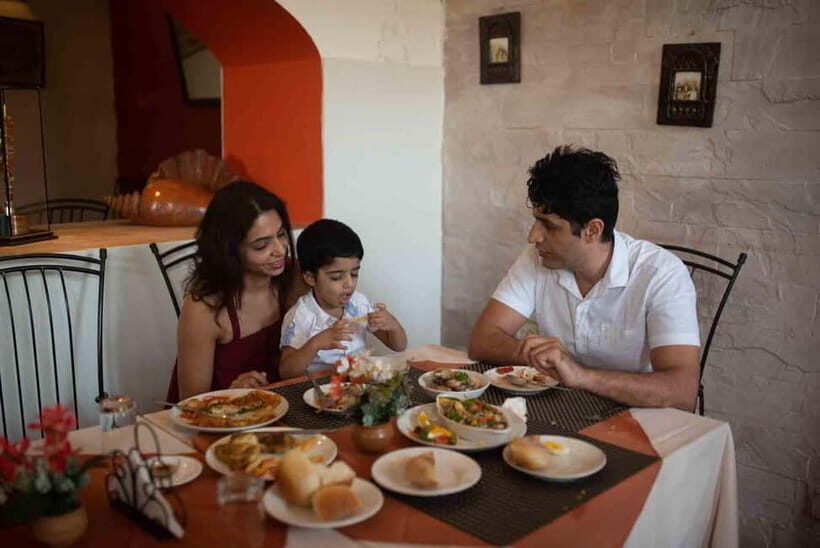
You start at Gitanjali Gallery, then you head into the Latin Quarter area where the route focuses on walking rather than traffic. This is built for a tight time window of about 3 hours, so you’ll want to keep your pace steady.
Here’s what that means for you on the ground:
- You’ll be between stops long enough to feel you’re seeing the area, not just hopping from one door to another.
- You’ll be rewarded with small tastings that keep your hunger from spiking.
- You’ll finally settle into a sit-down meal at the Fontainhas heritage home before finishing with dessert.
The tour stays inside the Latin Quarter area, and that’s a big deal. Not using vehicles inside the area keeps the experience slower and more human. You can actually notice the surroundings while your guide explains the cultural reasons behind the dishes.
Practical tip: dress for walking in Goa heat. The route crosses multiple establishments, and you’ll be outside while moving between them. Comfortable shoes are non-negotiable, and sunscreen and sunglasses help a lot.
Learning Goa’s cuisine “melting pot” through Portuguese influence

The tastings are the headline, but the story is what makes them stick. The tour focuses on how Goa became a culinary blend, shaped by maritime trade and cultural exchanges—especially through Portuguese connections.
In real terms, you’ll notice that the Portuguese influence isn’t just a vague theme. It shows up in the style of savouries you’ll try. Think of it as familiar food habits meeting local ingredients and local preferences. Your guide’s job is to connect those dots while you’re eating, so the explanation lands while your taste buds are still on the same theme.
I also appreciated the way the guide frames Fontainhas and the Latin Quarter as more than scenic streets. You’ll get the sense that the neighbourhood and its heritage spaces are part of the food story. That turns the walk into something more than a snack run.
If history isn’t your thing, you’ll still enjoy this, because the guide keeps it tied to what’s on the table. And if you do like history, you’ll likely come away with a sharper idea of why these flavours make sense here.
Soup, appetizers, and non-alcoholic pairings you can pace

The tour doesn’t make you choose between “taste lots” and “feel rushed.” Instead, it builds in a steady rhythm of soup, followed by 3–4 varieties of Goan appetizers and paired beverages—plus a sit-down meal later.
That early soup moment at a heritage establishment is a smart start. It warms you up, settles your stomach, and gives you a baseline flavour profile before the rest of the tastings. Then you move into appetizers and beverage pairings that are non-alcoholic. For most people, that’s a big advantage: it keeps your head clear for walking and helps you stay focused on the guide’s explanations.
A common mistake on food tours is giving you too much at once. This one feels designed around pacing. You get multiple small items rather than a single heavy plate too early. You’re basically training yourself to taste thoughtfully—without needing to stop and recover.
Diet flexibility is also built in. The experience can be booked by vegetarians, non-vegetarians, and vegans. If you have food allergies or other dietary restrictions, the tour can accommodate them. That’s practical, because it means you’re not stuck guessing whether you’ll be able to join in fully.
Small but helpful note: plastic bottles aren’t allowed. Bring a reusable bottle if you’re traveling with one, and plan to keep hydrated on foot.
Fontainhas heritage home meal: where the experience clicks
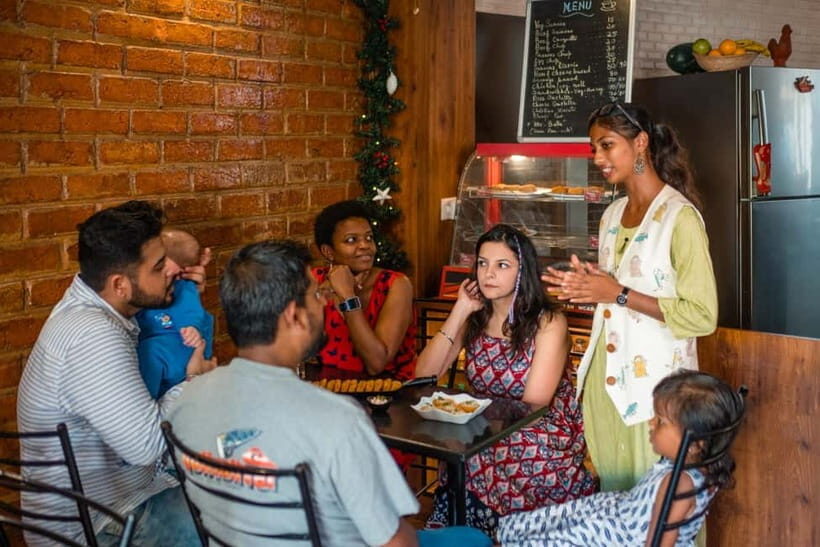
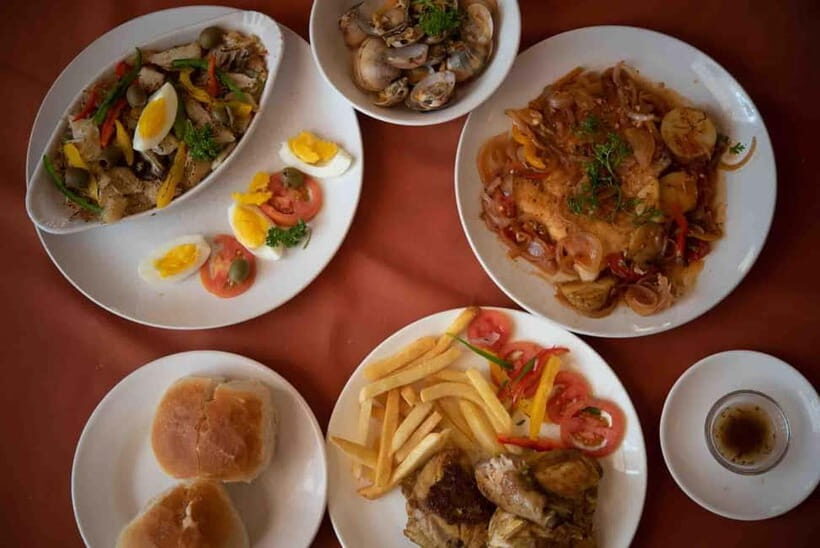
This is the part I’d circle if you only had time for one reason to book. You’ll visit a charming heritage home in Fontainhas and then enjoy a sumptuous Goan meal, followed by dessert.
A sit-down meal changes the whole tone. Up to that point, you’re sampling and learning at the pace of a walking tour. At the heritage home, you slow down. You eat as a guest. And the dishes you get feel like the logical next step after the earlier tastings.
This is also where your guide’s storytelling tends to feel most grounded. You’re not hearing about culture in the abstract. You’re watching it unfold in how the meal is presented and how the earlier Portuguese influence theme connects to Goan flavours at the table.
Dessert finishes things off in a way that feels complete. In my view, that matters because it turns the tour into a meal arc, not just a snack sampler.






Price and value: what $30 really covers in Panaji
At around $30 per person for a 3-hour experience, you’re paying for more than walking and directions. You’re paying for:
- a guided walk led by a local storyteller
- a stop that includes soup
- 3–4 varieties of Goan appetizers and non-alcoholic beverage pairings
- a sit-down lunch and dessert at a heritage space
That’s a lot of “food moments” packed into a short time. In a city like Panaji, where eating out can add up fast, this structure is where the value shows. You’re not trying to piece together multiple meals and drinks across the neighbourhood. You’re getting them sequenced for you.
It also saves decision fatigue. You don’t have to scan menus or ask ten questions before you find something you’ll enjoy. The tour handles that part, and you spend your energy tasting and learning.
The only cost-to-you consideration is the walking. If you know you struggle with 3 hours on your feet, the value might not feel as good, because the tour’s pace is part of how it works.
Who should book this Panaji Old Latin Quarter food trail

This tour is a good match if you want a food-first way to understand Panaji and Goa’s cultural mix. It’s also a strong fit if you like heritage settings and you enjoy learning in small doses tied to what you’re eating.
It’s especially suitable for:
- people who want Portuguese-influenced Goan appetisers without needing to hunt for them
- anyone who prefers a structured tasting route instead of random restaurant hopping
- food lovers who enjoy a guided story while they eat
It’s not suitable for wheelchair users, based on the walking nature of the route.
If you’re traveling with dietary needs, you’re covered. You can book vegetarian, non-vegetarian, or vegan, and the tour can accommodate other allergies and restrictions. That makes it feel inclusive, not like a one-size-fits-all meal plan.
Quick practical advice before you go
A few “do this, not that” notes that will make the tour smoother:
- Wear comfortable shoes and plan for repeated walking between establishments.
- Bring sunglasses and sunscreen for sun exposure.
- Leave pets at home. Smoking isn’t allowed.
- Skip plastic bottles, since the tour does not allow them.
- Bring a camera if you like street-and-heritage scenes in Fontainhas.
Also, keep in mind the tour runs on an English live guide format. If you’re comfortable in English, you’ll get the most out of the history explanations.
Should you book it? My decision guide
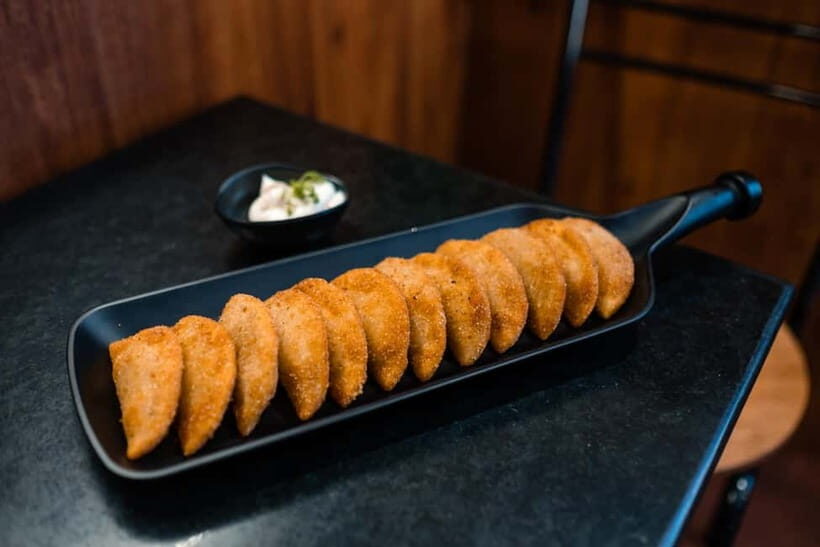
I’d book this Panaji food trail if you want a 3-hour plan that combines tastings, non-alcoholic drink pairings, and a full sit-down meal in Fontainhas. The price makes sense because the tour includes multiple food stops and not just a quick bite.
I would think twice if walking longish stretches is hard for you, since this stays inside the Latin Quarter without vehicle support.
If you want to eat your way through Goa’s cultural mix—Portuguese influence meeting local flavours—this is one of the most straightforward ways to do it with minimal guesswork.
FAQ
What is the duration of the Panaji Old Latin Quarter food trail?
The experience lasts 3 hours.
Where does the tour start and end?
The tour starts at Gitanjali Gallery and returns there at the end.
Is the tour vegetarian, non-vegetarian, or vegan friendly?
Yes. The food trail can be booked by vegetarians, non-vegetarians, and vegans.
What food and drinks are included?
It includes soup at a heritage establishment, plus 3–4 varieties of Goan appetizers and non-alcoholic beverages, and then a sit-down lunch, dessert, and beverages at a heritage space.
Do I need to bring anything?
You should bring comfortable shoes, sunglasses, a camera, and sunscreen.
Is the tour wheelchair accessible?
No, it is not suitable for wheelchair users.
Are there any rules about smoking or pets?
Smoking is not allowed, and pets are not allowed.