REVIEW · MUMBAI
Elephanta Island Caves Tour & Village Tour
Book on GetYourGuide →Operated by BOMBAY INSIDER TOURS · Bookable on GetYourGuide
Rock-cut Shiva starts with a ferry ride. This Elephanta Island Caves and Village Tour pairs the famous Gateway of India departure with a live English guide, then focuses on the Shiva-linked rock sculptures that make the island such a standout day trip.
I especially like that you’re not just dropped at the caves. You also get guided meaning around key carvings, including Kalyansundara, Gangadhara, and Ardhanriswara, and you still have time to wander the site on your own. One consideration: the caves require walking on uneven ground and stairs, and the monument entrance fee is extra.
In This Review
- Key things I’d plan for before you go
- Gateway of India ferry: the part that makes the day feel special
- The little train transfer that breaks up the hike
- Elephanta Caves: Shiva rock-cut sculptures you can actually recognize
- The carvings walkthrough: Kalyansundara, Gangadhara, and Ardhanriswara
- Village time: seeing the caves in a fuller island setting
- Budget reality: $10 tour plus the $7 entrance fee
- How long it takes and how to plan your day in Mumbai
- Professional English guide: what to expect from the explanations
- A quick note on timing and meeting-point reliability
- Shoes, stairs, and who should consider a slower pace
- Should you book this Elephanta Island Caves and Village Tour?
Key things I’d plan for before you go

- Gateway of India ferry timing: you’ll spend about an hour each way by boat, which shapes the whole day.
- A quick, quirky train transfer: once you reach Elephanta Island, you’ll take a train to reach the caves area.
- Rock art tied to Shiva: the carvings aren’t random decoration; the guide connects them to the Shiv sect.
- Named sculptures you can actually look for: Kalyansundara, Gangadhara, and Ardhanriswara are called out during your visit.
- Skip-the-ticket-line style entry: you should spend more time viewing and less time queueing, though an entrance fee still applies.
- Private or small groups: the experience is easier to manage if you prefer smaller pacing.
Gateway of India ferry: the part that makes the day feel special
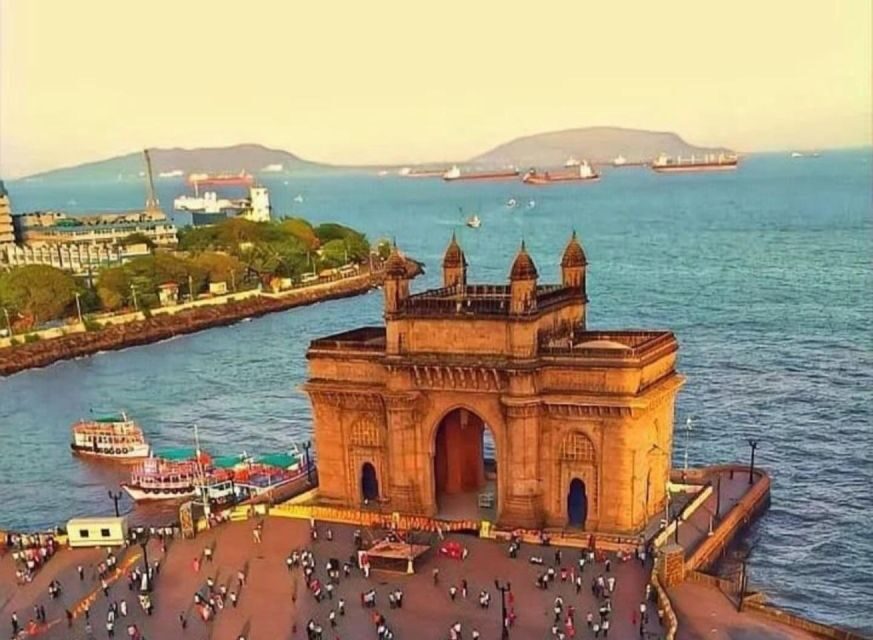
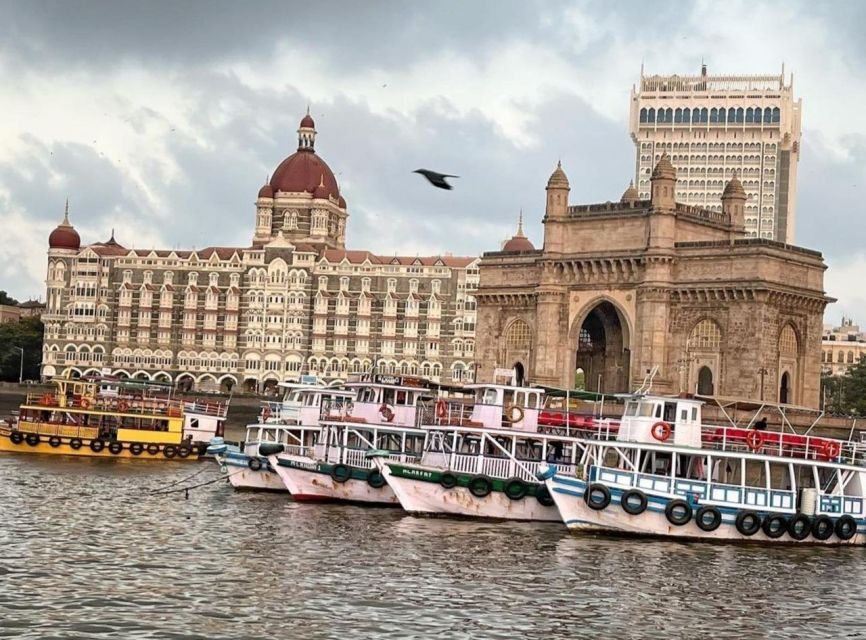
The day begins at the Gateway of India meeting point, where you meet your guide and get set for the crossing. It’s a full 1-hour ferry ride to Elephanta Island, so even before you reach the caves, you’re already doing the most “Mumbai” piece of the experience.
Why I like this start for you: the ferry isn’t just transportation. It gives you a breather before the walking, and it helps you reset your expectations. You get time to orient yourself, take photos, and enjoy the harbor atmosphere instead of rushing straight into the site.
One practical tip: plan to keep your phone accessible for photos on the water, but also keep your bags zipped and secure. Ferries can mean crowd movement, even when the day is well organized.
You can also read our reviews of more tours and experiences in Mumbai.



The little train transfer that breaks up the hike
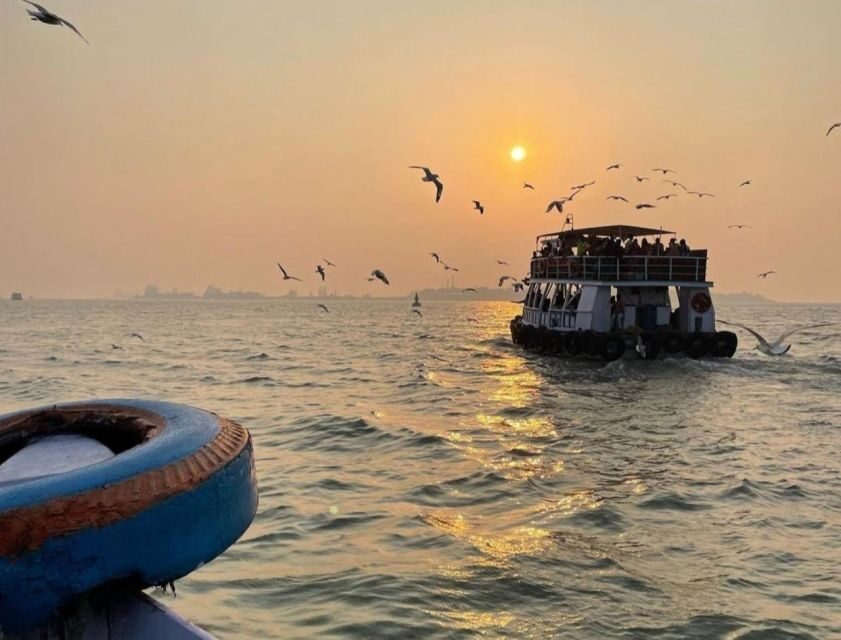
After arriving on Elephanta Island, you’ll take a train to reach the caves area. It’s described as fun and quirky, which is exactly what you want after a ferry ride. It turns the transfer into something you remember, not just another step in the logistics.
For many people, the train also helps energy management. You still end up walking once you’re at the caves, but you aren’t doing the entire approach on foot. That matters because the caves visit includes stairs and uneven surfaces.
If you’re the type who likes to move slowly, this is the moment to do it. Use the train stop to check your shoes, bring a sip of water, and mentally switch to “caves mode,” since you’ll be spending your best energy on stairs and careful viewing.
Elephanta Caves: Shiva rock-cut sculptures you can actually recognize
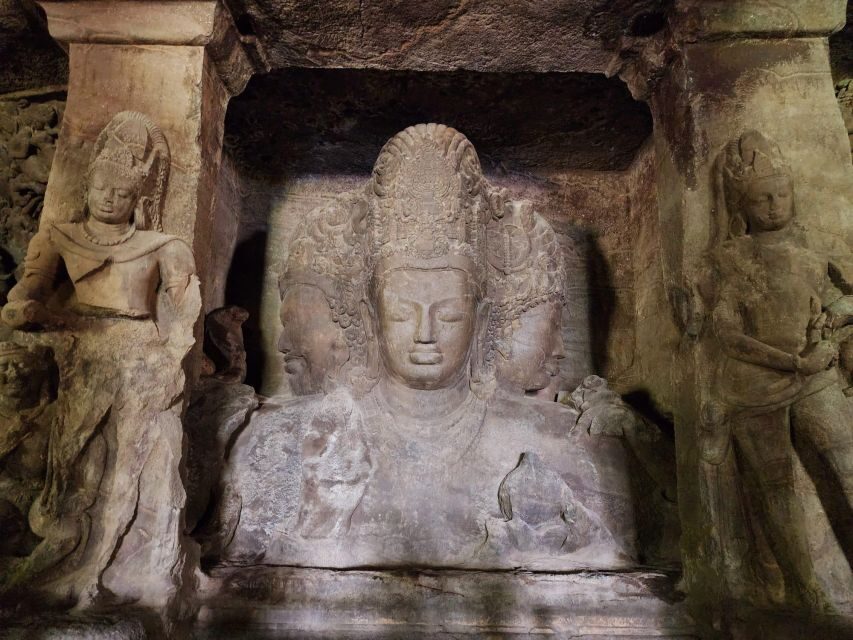
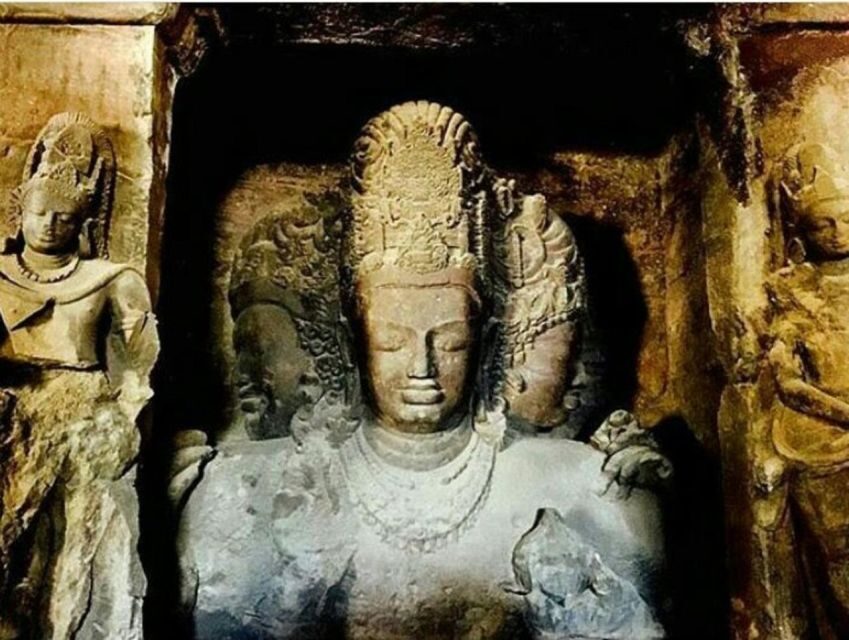
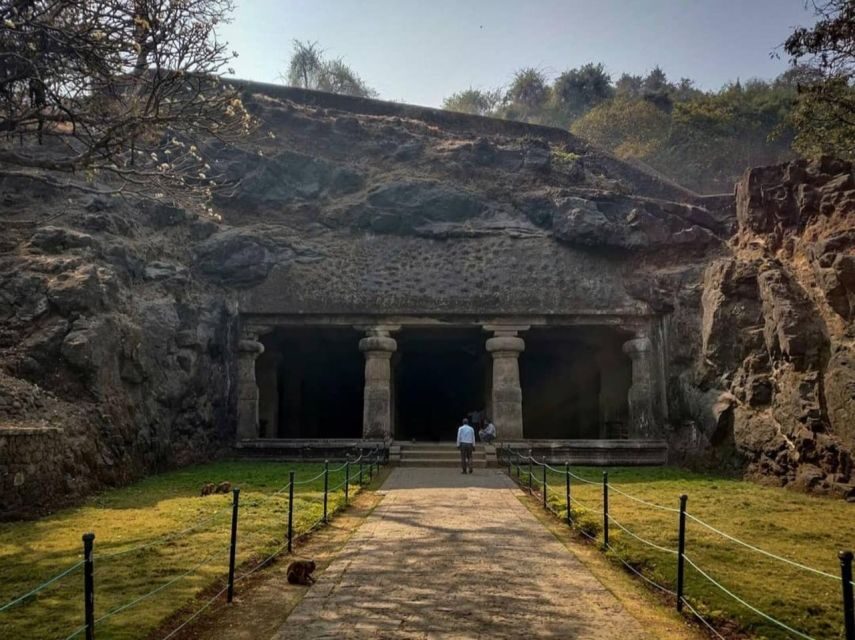
The core of the tour is the Elephanta Caves, where the attraction is rock art carved directly into the stone. The carvings are linked to the sect of Shiv, and with a guide, you should understand what you’re seeing instead of just taking pictures and hoping it makes sense later.
This is one of those places where a guide changes everything. Without context, rock-cut sculptures can blur into one long wall of figures. With the guide, you learn what themes to look for, and the carvings start to feel like a story you can follow.
From the tour details, you’ll focus on sculpted images tied to Shiva devotion. The guide gives meaning, and you get a set amount of time (about an hour) to explore the caves and village areas. That time matters because you can do both: follow the explanation, then go back and look closely at the motifs that were highlighted.
The carvings walkthrough: Kalyansundara, Gangadhara, and Ardhanriswara
During the visit, you’ll have a guided window and time to explore the village and caves. A standout is that specific sculptures are named for you: Kalyansundara, Gangadhara, and Ardhanriswara.
I like named highlights for two reasons. First, it helps you navigate mentally when you’re standing in a large, stone-heavy site. Second, it turns your viewing into an actual hunt, which is much more satisfying than wandering randomly.
Here’s how I’d approach it as a visitor:
- Start by listening to what your guide explains about the sculptures and their connection to Shiv.
- Then, use the named figures as your checklist while you walk through.
- Take a few photos, but spend most of your time looking for the details the guide pointed out.
There’s also a practical reality: cave sites are stone, echoing, and often packed with other visitors. Even with skip-the-line handling, your attention will be pulled in different directions. A focused, named list helps you stay grounded in what you came to see.
Village time: seeing the caves in a fuller island setting
The tour isn’t only about the caves. You also get time to explore the village area alongside the caves, still within that roughly hour-long window.
Why this is valuable: it stops the day from feeling like a sprint. After you’ve learned the spiritual and artistic purpose of the rock art, you’re allowed to step back and take in the island setting around you. That small change of pace makes the entire visit feel more human-scale.
You won’t get unlimited time, though. This is a short, efficient tour, so treat the village stop as a chance to slow down, absorb the atmosphere, and regroup before the ferry ride back.





Budget reality: $10 tour plus the $7 entrance fee
The advertised price is $10 per person, but the monument entrance fees are not included. You should plan on an extra $7 USD per person to enter the caves monument.
So your real baseline cost is about $17 USD per person, plus any added options like hotel pickup/drop-off if you select it. I actually like being this blunt because it helps you compare value honestly.
Where the tour can still be good value:
- You get ferry transportation.
- You get a professional English guide.
- You get bottled water.
- You get help with the flow through the site, including skip-the-ticket-line style entry.
That combination is often what makes a short day trip worth it, especially in a place like Elephanta, where you’re otherwise trying to coordinate ferries, transfers, and on-site meaning while you’re on limited time.
How long it takes and how to plan your day in Mumbai
The tour duration is listed as 2 to 5 hours, depending on the starting time and how your schedule lines up. That wide range usually means you should check the exact departure time you book and plan your broader day accordingly.
Here’s what I’d do:
- Treat it as a half-day plan.
- Don’t schedule a critical dinner reservation right next to it without buffer time.
- Give yourself flexibility in case your ferry timing or group pacing changes.
If you’re staying in central Mumbai, this is a workable “one big cultural stop” outing. If you’re on a tight itinerary, the duration window is still manageable, but you’ll want to keep the rest of your day simple.
Professional English guide: what to expect from the explanations
A big strength here is the professional English guide. The tour description frames the caves as rock art tied to Shiv, and the guide is there to connect the sculptures to the religious and historical meaning you’re seeing.
In practice, this kind of site benefits most from:
- clear pointers to specific carvings
- context before you get overwhelmed by the scale and stone details
- a way to interpret what you’re looking at while you’re still onsite
Also, group format matters. The tour allows private or small groups, which usually means better pacing and a better chance to ask questions. Small groups can make it easier to keep track of the named sculptures and get your bearings.
A quick note on timing and meeting-point reliability
One review issue mentioned waiting a long time at the meetup when nobody arrived. That’s not something you should ignore, even if most feedback praises smooth organization.
My practical advice: confirm your exact meetup instructions before you go, and arrive a bit early at Gateway of India. If the guide uses a specific counter, gate, or label, take a moment to write it down. That’s how you protect your day trip from avoidable stress.
Shoes, stairs, and who should consider a slower pace
Elephanta Caves involve stairs, and at least one visitor noted that the stairs were not in the best condition, even though they still managed the climb. That’s a helpful warning for your planning.
If you have mobility concerns, go in with eyes open:
- Wear sturdy, grippy shoes.
- Take your time on the steps.
- Don’t plan on rushing for photos, because footing comes first.
If you’re comfortable with uneven stone and can handle a stair climb, you’ll likely find the visit well worth it. If you’re not, consider whether you want a more relaxed option or more time to move slowly and rest.
Should you book this Elephanta Island Caves and Village Tour?
Book it if you want a short, well-guided Elephanta visit that covers the caves and gives you context for the named Shiva sculptures. The ferry-based day trip makes the journey part of the fun, and the English guide is a real advantage in a site that can feel confusing without explanation.
Skip or rethink it if:
- you’re sensitive to stair-heavy sites and uneven surfaces
- you need tight, no-buffer scheduling
- you want a longer exploration time at the caves
If your plan is a half-day culture stop from Mumbai with a guide doing the storytelling, this tour fits nicely. Just budget for the additional $7 entrance fee and wear shoes made for stairs.