REVIEW · GOA
Divar Island: Local Goan Village Tour with Traditional Lunch
Book on GetYourGuide →Operated by Make It Happen · Bookable on GetYourGuide
Divar Island feels like a slow rewind of Goa. You’ll get an English-speaking storyteller who ties together Portuguese-Goan village life, temple-and-church stops, and river scenery into one easy story, and I love that the guide Pritam is known for sharing it with real energy. The other reason I’m a fan is the traditional Goan lunch, served in a Portuguese house or a riverside resort setting.
You’ll move between highlights by road, so you spend your time seeing places instead of wearing out your legs. The one clear drawback to plan for is logistics: this isn’t a walking trail, so you’ll need a vehicle to reach the Divar Island meeting area and get around.
In This Review
- Key Points Before You Go
- First Step: Ribandar Meeting Spot and the Ferry Rule
- Divar Island’s Village World: Paddy Fields, River Fishing, and Colorful Streets
- Temples and Baroque Churches: St. Mathias, Candelaria, and Saptakoteshwar
- 16th-Century St. Mathias Church
- Our Lady of Candelaria Chapel
- Ancient Saptakoteshwar Temple
- Winding Roads, Indo-Portuguese Houses, and Why This Tour Isn’t Just Pretty Stops
- The Bakery Stop: Where You Might Pick Up Real Bread Knowledge
- Traditional Goan Lunch at a Portuguese House (or Riverside Resort)
- Hilltop View: Old Churches of Goa and the River Below
- Price and Value: Is $24 Worth It?
- Who Should Book This Divar Island Tour—and Who Should Skip It
- Should You Book? My Practical Take
- FAQ
- Where is the meeting point for the tour?
- How long does the Divar Island tour last?
- What is included in the price?
- Is hotel pickup or a vehicle included?
- Do I need to arrange transportation to reach the meeting location?
- Do I have to remove shoes at the sites?
- What should I bring for the tour?
Key Points Before You Go
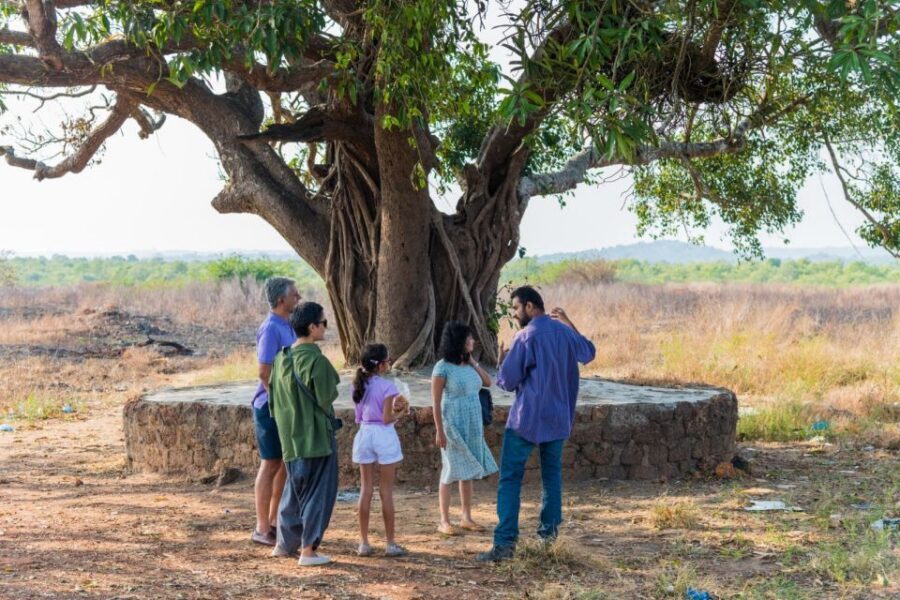
- Meet at the Ribandar side of the ferry terminal with the storyteller, so you don’t cross the river on your own.
- River-and-village start: you’ll spot locals fishing on the Mandovi right after getting off the ferry.
- Three major heritage stops in one flow: St. Mathias Church, Our Lady of Candelaria Chapel, and Saptakoteshwar Temple.
- Portuguese influence explained clearly through homes, churches, and how the island became multicultural.
- Lunch is the payoff: traditional Goan food at a Portuguese house or a riverside resort, plus a bakery stop before you eat.
First Step: Ribandar Meeting Spot and the Ferry Rule
Your tour starts at the St. Pedro Ferry Terminal, but the important detail is the Ribandar side. You’re instructed not to take the ferry and cross on your own without meeting the storyteller first—simple, but it can save you from a frustrating scramble.
This is one of those tours where timing and meeting points matter more than usual, because the day is designed as a smooth route on the island. Arrive a bit early, then look for the storyteller and group right at the correct side of the terminal.
A few more Goa tours and experiences worth a look

Divar Island’s Village World: Paddy Fields, River Fishing, and Colorful Streets
The first real wow comes right when you disembark: you’ll see locals sitting with fishing rods cast into the Mandovi River. It’s not just scenery. Your guide talks about how they fish, which instantly turns the river from background noise into something you can actually understand.
Then you’ll follow your guide into the village. One minute you’re looking at waterways and working life; the next you’re walking along streets lined with bright, colorful houses. It gives you that sense of a place that’s lived-in, not arranged for visitors.
Divar’s feel is also shaped by the island’s history, especially the Portuguese presence and how it mixed with local life over centuries. You’ll hear how that long overlap shows up in everyday things, from homes to places of worship—so the visit doesn’t stay stuck in postcard mode.
Temples and Baroque Churches: St. Mathias, Candelaria, and Saptakoteshwar
This tour does a nice job of balancing two spiritual worlds in a single route—Catholic churches and older temple traditions—without making it feel like a checklist. You’ll visit major sites that help explain why Divar became a cross-cultural community over time.
16th-Century St. Mathias Church
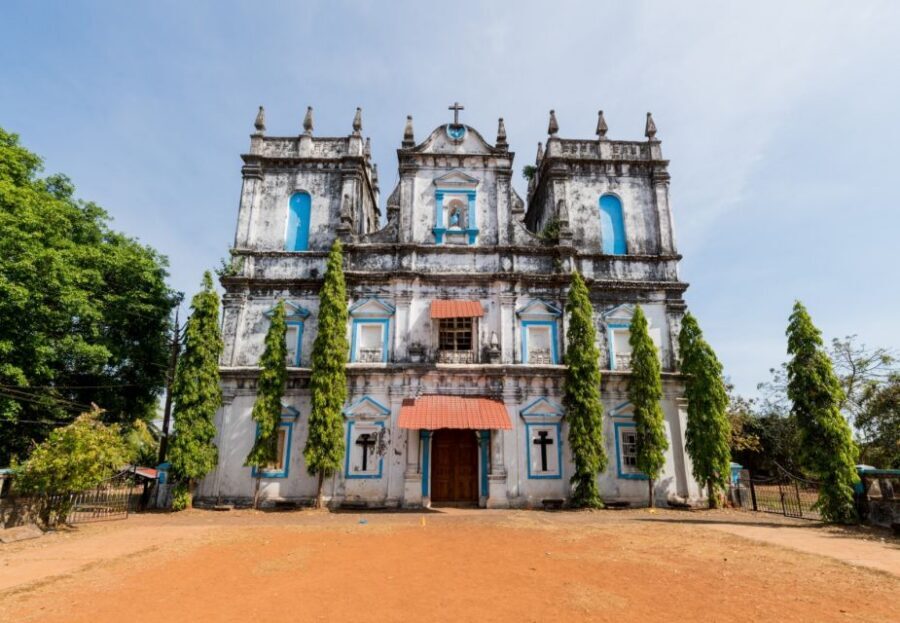
St. Mathias Church is one of the anchor stops. It dates to the 16th century, so you’re standing in a space with long continuity. What I like about this kind of stop is that it forces you to slow down and look—architecture, details, and how a village center can shape beliefs for generations.
Our Lady of Candelaria Chapel
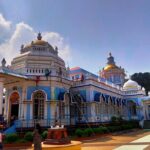
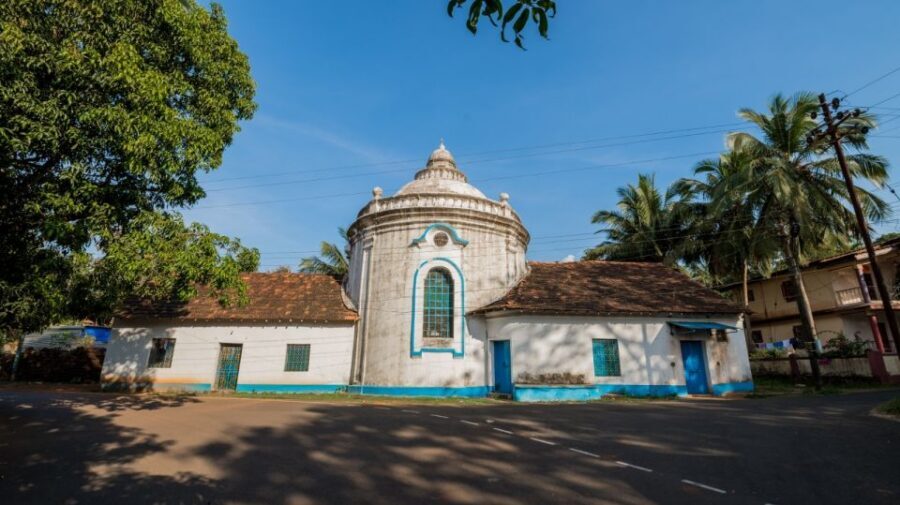
From there, the day shifts to something smaller and more quaint: the Our Lady of Candelaria Chapel. These chapel stops often feel more personal than big landmarks, and they help you understand how faith was woven into ordinary village life. You’ll also get a sense of how the Catholic tradition took root in local culture.





Ancient Saptakoteshwar Temple
Then you’ll move into the ancient Saptakoteshwar Temple. This is the part that grounds the tour beyond European influence and makes the island’s deeper layers clear. Seeing the temple after the churches helps you notice patterns—how different traditions coexist in the same geographic pocket and how communities adjust around them.
Important practical note: you must remove your shoes in places of worship. It’s a quick rule, but it helps if you’re ready with something like slip-on footwear or sandals you can handle fast.
Winding Roads, Indo-Portuguese Houses, and Why This Tour Isn’t Just Pretty Stops
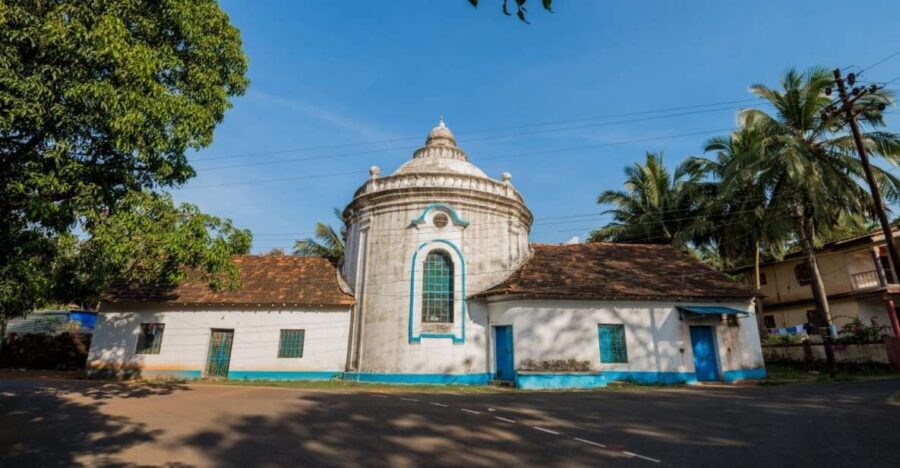
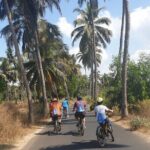
A big part of the charm here is movement. The tour is paced so you see the island’s winding roads and the mix of paddy fields, homes, and religious sites that sit close together. Instead of bouncing randomly, you get a guided sense of why things are where they are.
You’ll also learn how Portuguese occupation shaped the village for centuries. The practical value for you is mental clarity: you stop treating Goa as one thing and start seeing it as layers—local life meeting outside influence and then adapting it into something distinctly Goan.
This also explains why it’s called a village tour and not a long on-foot walk. The road-and-site flow is what makes it possible to see multiple heritage locations and still end with time for food and a view.
The Bakery Stop: Where You Might Pick Up Real Bread Knowledge
Before you settle into lunch, you’ll stop into a traditional Goan bakery. This isn’t just a photo moment. You can watch how the local bread is baked, and your guide may help you connect what you’re seeing to local cooking traditions.
If you like food as part of travel (not just as fuel), this stop is a strong add-on. It gives you a sense of technique and routine—how locals actually produce everyday staples—so lunch feels more meaningful when it arrives.
Traditional Goan Lunch at a Portuguese House (or Riverside Resort)
Now for the part that makes the whole schedule worth it: traditional Goan lunch. You’ll eat at a Portuguese house or at a riverside resort setting, depending on the arrangement for your group.
What makes this work well is the pairing. Earlier you saw places of worship and lived-in streets; now you’re tasting food that belongs to the same cultural blend. Portuguese influence in Goa often shows up in flavors and cooking habits, and lunch is where that history becomes real on your plate.
Also, because you’re on a 3.5-hour tour, lunch timing tends to keep things comfortable. You’re not waiting hours to eat, and you’re not so rushed that you can’t enjoy it.
Hilltop View: Old Churches of Goa and the River Below
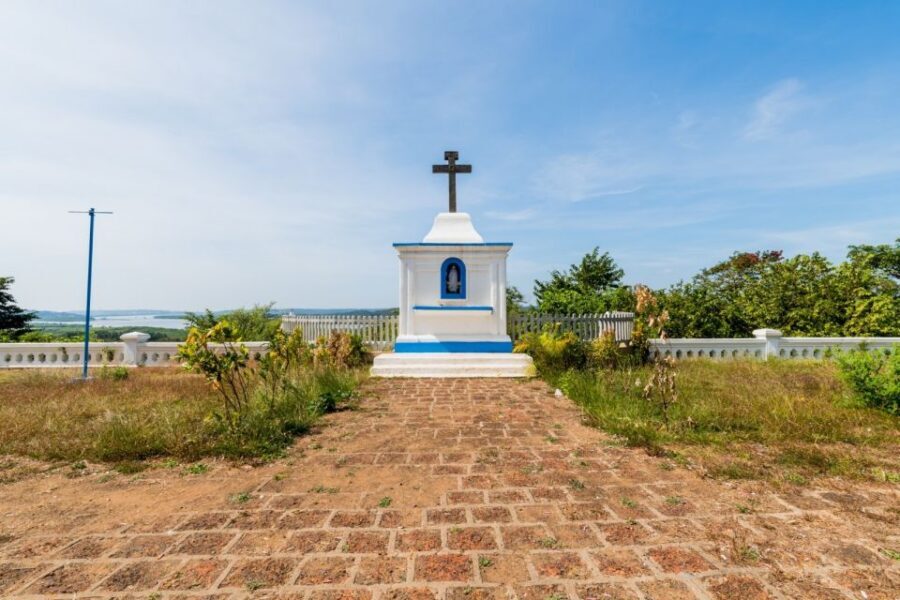
After lunch, you’ll head up into the island hills for a view. You’ll stop for a magnificent look back toward the Old Churches of Goa and the river below.
This is one of those moments that helps you connect the dots. From a height, you can see how the river corridor shapes where people live and how communities cluster around religious centers. It turns the earlier village story into a geography lesson you can feel in your eyes.
Then you’ll take the ferry back to the mainland, wrapping up the tour where you started: St. Pedro Ferry Terminal.
Price and Value: Is $24 Worth It?
At $24 per person for about 3.5 hours, the value is really about what’s included. You’re not just paying for transportation—you’re paying for an English-speaking storyteller, access to heritage sites, and a traditional Goan lunch.
That’s a strong bundle for Goa, especially because the cultural explanation is the real product here. If you just wanted photos, you could do parts independently. But if you want the why behind Portuguese-Goan village life—Temples, churches, and houses with context—this format makes sense.
The one part you must factor in: vehicle needs. The tour does not include hotel pickup, and it specifically does not include a vehicle for the Divar Island portion. So your true cost depends on how you handle getting to the meeting area and moving around. If you’re already renting a scooter or arranging a car anyway, it’s usually easy to fit. If you’re relying solely on taxis and short transfers, plan for that added expense.
Who Should Book This Divar Island Tour—and Who Should Skip It
This tour fits you best if you like:
- Village life and real routine, not staged sightseeing
- A guide who connects Portuguese influence to visible places and everyday culture
- Getting a full package: heritage stops, bakery viewing, and lunch
You might want to skip or reconsider if you:
- Want a pure walking experience, because this isn’t a walking trail and you’ll rely on transportation
- Don’t want to handle shoe removal rules in places of worship (it’s required)
- Prefer tours where everything is arranged door-to-door, since hotel pickup isn’t included
It’s also a great option for people who want a calm slice of Goa—peaceful, slower, and more local in feel.
Should You Book? My Practical Take
I’d book this tour if you want Divar Island for its people and its layered culture, not just for its churches and pretty views. The combination of heritage stops plus a Portuguese-house lunch is the big win, and the fact that the guide is English-speaking (with named examples like Pritam) is a confidence booster.
Book it with one logistics mindset: make sure your vehicle situation is sorted, since this isn’t designed as a self-paced island stroll. If you handle that, you’ll likely come away with a much clearer understanding of how Portuguese and local traditions shaped this part of Goa—over centuries, in everyday ways.
FAQ
Where is the meeting point for the tour?
You meet at the St. Pedro Ferry Terminal on the Ribandar side. You should not cross the river without meeting the storyteller.
How long does the Divar Island tour last?
The tour runs for about 3.5 hours.
What is included in the price?
You get an English-speaking storyteller, a traditional Goan lunch, and access to heritage sites.
Is hotel pickup or a vehicle included?
No. Hotel pickup and drop-off aren’t included, and the tour does not include a vehicle for the Divar Island part.
Do I need to arrange transportation to reach the meeting location?
Yes. This experience is not a walking trail, so you’ll need transportation, either your own or a vehicle you arrange to reach the meeting point.
Do I have to remove shoes at the sites?
Yes. You must remove your shoes in temples and places of worship.
What should I bring for the tour?
Bring comfortable shoes, sunglasses, a sun hat, an umbrella, comfortable clothes, and a reusable water bottle.