REVIEW · THIRUVANANTHAPURAM
Trivandrum:A Guided Tour of Heritage & Local Flavours
Book on GetYourGuide →Operated by Travinco Travel Solutions · Bookable on GetYourGuide
Trivandrum has a way of surprising you fast. I loved how this tour strings together Padmanabhaswamy Temple spirituality with Napier Museum architecture, then keeps it moving through royal homes and local flavors. The day feels like a guided key to the city instead of a checklist.
One thing to consider: you’ll do a decent amount of walking and standing, and the tour isn’t set up for people with back problems. Dress rules apply at religious sites, and photography can be restricted in certain areas—plus flash photography isn’t allowed.
In This Review
- The day starts with Padmanabhaswamy Temple rules (and why it matters)
- Napier Museum: architectural fusion + artifacts you can actually picture
- Kuthira Malika and the mansion facade that’s basically covered in horses
- Swathi Thirunal’s musical legacy and royal residences like Amma Veedu
- Art stops that work: Raja Ravi Varma, Chithralayam, and what to look for
- Natural History Museum: a calm pause from the crowds and courtyards
- Shanghumukham Beach and Jalakanyaka: slow down and let the sea finish the day
- Pickup, timing, group size, and why the guide quality shows
- Breakfast and lunch: local restaurants and a seafood-friendly approach
- Price and value: $38 plus small museum entry fees
- Who this tour suits best (and who should skip)
- Should you book this guided Trivandrum heritage day?
- FAQ
- Is pickup included?
- How long is the tour?
- What’s included in the price?
- Are museum entry fees included?
- What languages is the guide available in?
- Is flash photography allowed?
The day starts with Padmanabhaswamy Temple rules (and why it matters)
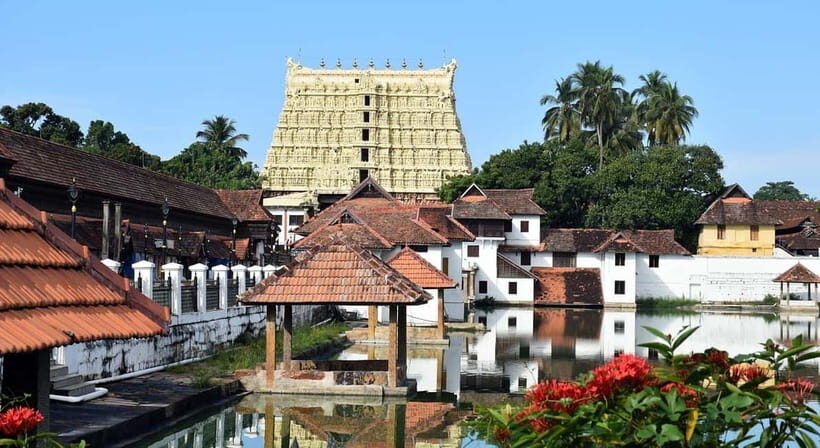
Plan your morning around the Padmanabhaswamy Temple, the kind of place where you quickly notice the details. It’s famous for intricate Dravidian architecture and a deep spiritual connection to Lord Vishnu. This tour includes a guided visit, and it’s also where you’ll see how royal patronage and religious life have stayed intertwined in Kerala.
Here’s a key practical point: entry is restricted for foreign nationals. That doesn’t make the stop pointless; it changes what you’ll be able to access, so your best move is to go in with the mindset of understanding the site and its significance from the areas you’re allowed. The guide’s explanations are the real value here—what you learn about the temple’s meaning helps you read the architecture instead of just taking photos.
Dress code matters at religious sites, so wear something easy and respectful. Bring your water and sunscreen too; even with guide time, you’ll still be outdoors in parts of the day.
Napier Museum: architectural fusion + artifacts you can actually picture
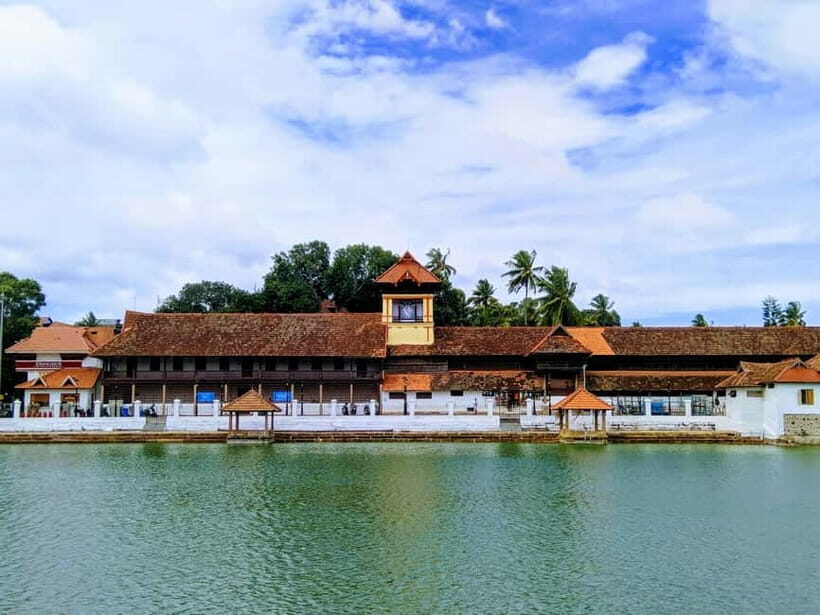
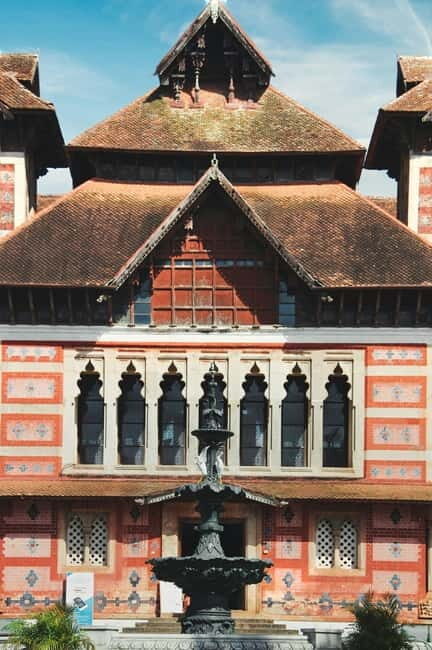
Next comes the Napier Museum, and it’s not just a building to pass by. The museum is known for architectural fusion, and once you’re inside, you get a guided path through artifacts that show how Kerala’s art evolved over time.
What I like about this stop is that the objects are specific, not vague. You’ll see ancient sculptures, bronze idols, and Kerala chariots—items that help you visualize how craftsmanship, religion, and everyday life connected. If you’ve ever felt museum tours are too “talk-only,” this one tends to land better because it points you to things you can immediately recognize once they’re named and explained.
If you’re photo-inclined, keep an eye on local rules. Flash photography is not allowed during the tour, and some areas may have additional restrictions—so it pays to bring a camera you can use comfortably without relying on flash.
You can also read our reviews of more guided tours in Thiruvananthapuram


Kuthira Malika and the mansion facade that’s basically covered in horses
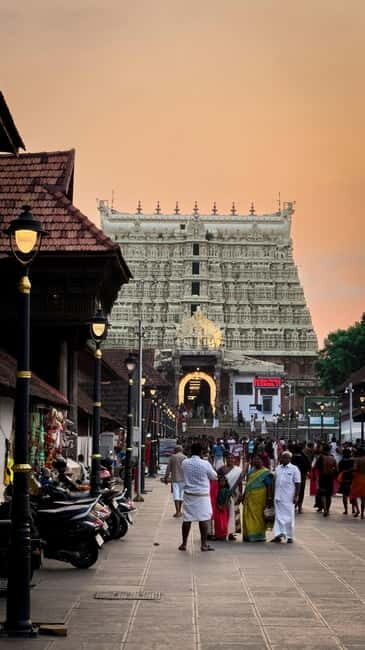
Then you hit Kuthira Malika, also called the Mansion of Horses. This is one of those stops where the exterior decoration tells you you’re entering a royal world.
Inside, you’ll find elaborately carved wooden ceilings, and the facade is adorned with more than 120 horse sculptures. That detail matters because it’s not random decoration—it’s a visual symbol of Travancore’s royal identity and the way palaces communicated status.
The practical upside: this stop gives you a break from the more formal spiritual atmosphere of the temple while still keeping the focus on heritage. It’s architectural storytelling, and the guided narration helps you notice design choices you might otherwise miss.
Swathi Thirunal’s musical legacy and royal residences like Amma Veedu
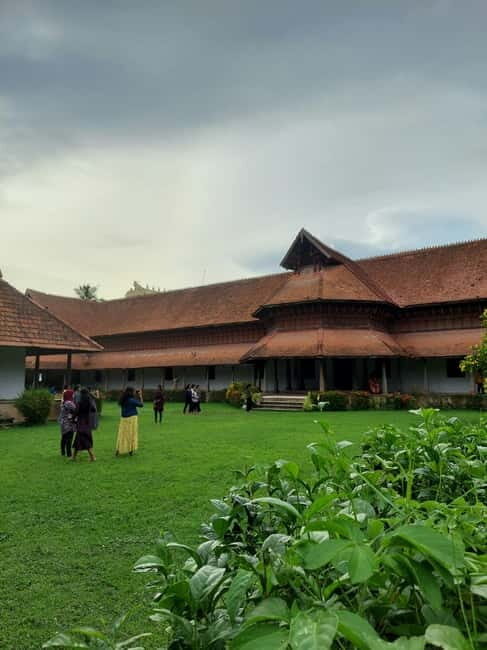
After the palace-museum experience, you’ll walk through the residence of Swathi Thirunal, known as the music-loving Maharaja. This portion is valuable if you like culture that isn’t trapped behind glass. Hearing the context around his legacy helps you understand how courtly music shaped Kerala’s artistic life.
The tour also includes royal residence time such as Amma Veedu, described as a place where you can witness the legacy of regal traditions and architectural splendor. Even if you’re not an architecture expert, this is the kind of stop where you get a feel for how people lived and how power looked in building form.
And depending on how the day is paced, you may also visit places like Kanakakkunnu Palace on a hilltop, known for cultural events and traditional art performances. That matters because you’re not only looking back—you’re seeing how Kerala keeps passing arts and traditions forward.
Art stops that work: Raja Ravi Varma, Chithralayam, and what to look for
This day doesn’t limit itself to temples and palaces. You also get art grounding, including the Raja Ravi Varma Art Gallery and Chithralayam Gallery. Both are there for a reason: they help you shift from architectural heritage to Kerala’s visual storytelling.
At the Raja Ravi Varma Art Gallery, you’re looking at masterpieces with expert narration. Raja Ravi Varma’s work is often a bridge between styles, and a good guide helps you spot what makes those paintings click—especially the way subjects and technique communicate culture.
Chithralayam Gallery adds another layer by giving you a deeper understanding of Kerala’s artistic heritage with guided commentary. If your goal is to leave Trivandrum with more than a few photos, these gallery stops are where you’ll start connecting dots.
One practical note: museums and galleries have small entry fees you should plan for—about $2.50 per person per museum. The tour is priced affordably, but these extras can add up if you’re budgeting tightly. Still, it’s a reasonable add-on for guided access across multiple sites.
Natural History Museum: a calm pause from the crowds and courtyards
After several heritage-heavy stops, the Natural History Museum gives you a different kind of perspective. You’ll learn about Kerala’s biodiversity and history, and it’s a good mental breather.
I like this kind of balance because it keeps the day from becoming only “temple, palace, repeat.” It also makes sense in a place like Kerala, where nature isn’t separate from culture. Even a short guided museum visit can help you understand the region beyond buildings and art.
You can also read our reviews of more historical tours in Thiruvananthapuram
Shanghumukham Beach and Jalakanyaka: slow down and let the sea finish the day
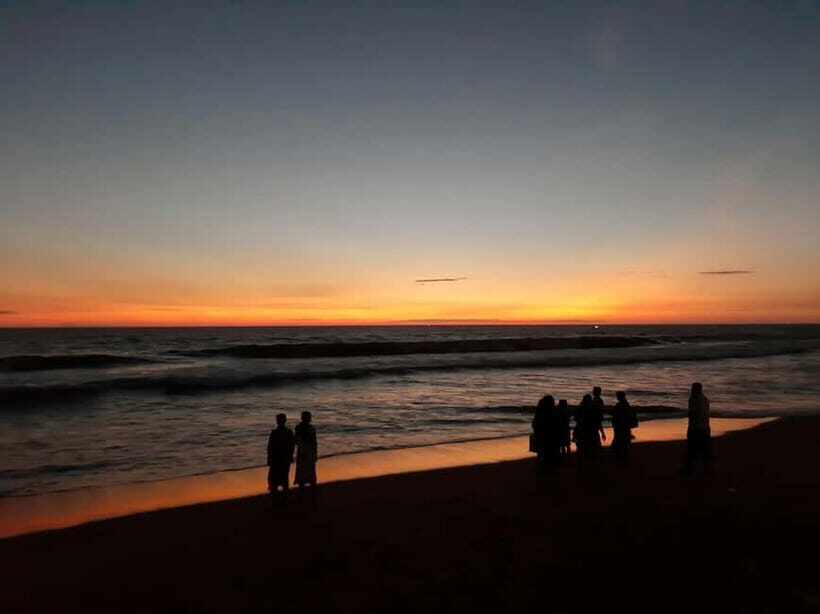
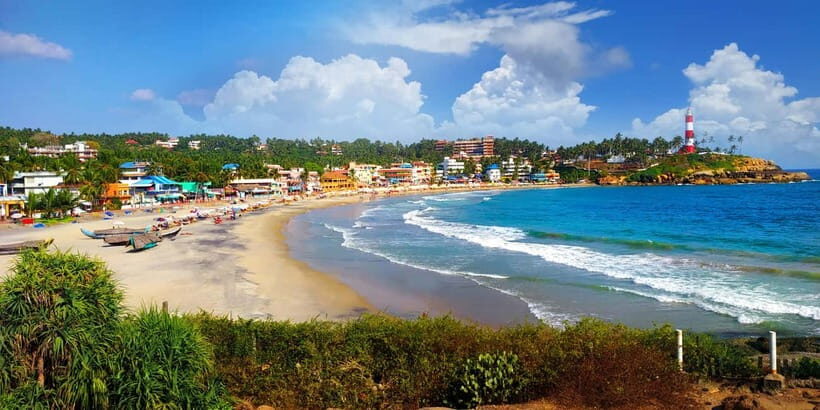
You end at Shanghumukham Beach, and that’s smart planning. This is where you can reset after a full day of sites and explanations.
The beach is known for views of the Arabian Sea, and you can also explore historic Kalmandapams and old structures nearby. That mix matters: it’s not just a pretty shore; it’s connected to local history and place-making.
A standout detail here is the massive Jalakanyaka mermaid statue. Even if you don’t know its story beforehand, seeing it in the open coastal space makes it easier to remember than a museum artifact. This is the kind of ending that turns a crowded schedule into something slower and more personal—especially if you time it toward late afternoon or sunset.
If you’re sensitive to sun, wear that hat you brought. Sea breeze helps, but the sun in Kerala can still be strong.
Pickup, timing, group size, and why the guide quality shows
This is a small-group experience capped at 10 participants, and that size matters more than people think. You get enough personal attention without the chaos of a large bus tour.
Pickup is included from hotels or stays within Trivandrum city, which is a genuine time-saver. You’re not spending your morning figuring out local transport when you could be learning the city’s stories.
The tour runs about 8 hours, though the city guided segment is marked as 10 hours. Either way, plan for a full day. Comfortable shoes are not optional, and water is a must.
The tour guide is live and speaks English, Hindi, Tamil, and Malayalam. In practice, the guide’s job is to connect the dots for you: why a building looks the way it does, what a statue signifies, and what order makes sense so you don’t feel rushed.
And yes, it helps when the guide stays flexible. When plans need adjusting—like during Onam—the tour can pivot without losing momentum. In fact, I’m the kind of person who appreciates problem-solving, and this day is better when the guide can adapt rather than stubbornly follow a script.
Breakfast and lunch: local restaurants and a seafood-friendly approach
Food is built into the schedule with breakfast and lunch at local restaurants. The guide shares recommendations, with a special focus on fresh seafood options.
What I like here is that you’re not left hunting on your own. Guided restaurant recommendations are also a way to cut down on decision fatigue when you’re already juggling heritage stops. If you eat meat or seafood, this is one of the best chances in Trivandrum for a comfortable, low-stress meal in the middle of sightseeing.
Keep expectations practical: it’s Kerala food, so you’ll likely find flavors are bold and spices are part of the point. If you’re picky, tell the guide early and they’ll steer you toward safer choices.
Price and value: $38 plus small museum entry fees
At $38 per person, this is priced like a budget-friendly heritage day with real structure. You’re getting an expert guide for multiple stops, pickup within Trivandrum city, and meals (breakfast and lunch), plus guided visits at major attractions.
Not included are museum and gallery entry fees, around $2.50 per person per museum. Since the day includes several museums/galleries, you should expect a small add-on cost during the tour. Still, compared to standalone ticketing and un-guided travel, the overall value is strong—especially because the guided narration is what helps you understand each stop.
If you love history but also want decent comfort (meals planned, pickup arranged, group size capped), the price makes sense.
Who this tour suits best (and who should skip)
This works well for:
- People who want a compact day that covers temples, palaces, museums, and a beach
- Travelers who enjoy guided context, not just photo stops
- Anyone who likes Kerala culture connected to music, art, and architecture
You might skip it if:
- You have back problems or mobility limits that make standing and walking difficult
- You want a slow, self-paced day with long gaps for resting and wandering
Should you book this guided Trivandrum heritage day?
I’d book it if you want an efficient Trivandrum overview with a guide doing the heavy lifting—especially at the Padmanabhaswamy Temple area, Napier Museum, and the royal palace stops. The small group size keeps it manageable, and the mix of heritage plus beach time helps the day feel complete rather than exhausting.
I’d think twice if you’re very sensitive to walking distances or you need strict accessibility. Also, be ready for religious-site dress rules and photography restrictions. If you can roll with that, this is one of the better ways to understand Trivandrum without getting lost in logistics.
FAQ
Is pickup included?
Yes. Pickup is included from hotels or stays within Trivandrum city.
How long is the tour?
The duration is listed as 8 hours, and the itinerary also marks the Thiruvananthapuram guided tour segment as 10 hours.
What’s included in the price?
An expert guide, guided visit to Padmanabhaswamy Temple, breakfast and lunch at local restaurants, guided visits to Napier Museum and Kuthira Malika, plus visits that include places like the Raja Ravi Varma Art Gallery, Chithralayam Gallery, Natural History Museum, and Shanghumukham Beach.
Are museum entry fees included?
No. Museum and art gallery entry fees are not included and are listed as about $2.50 USD per person per museum.
What languages is the guide available in?
The live tour guide is available in English, Hindi, Tamil, and Malayalam.
Is flash photography allowed?
No. Flash photography is not allowed, and there are also photography restrictions in certain areas.