REVIEW · GOA
Private South Goa City Tour with Spice Plantation and Lunch from North Goa Hotel
Book on Viator →Operated by TripBea · Bookable on Viator
This tour strings together Goa’s landmarks in one smooth, guided day. What makes it fun is the mix: Portuguese-era churches and cathedral drama in Old Goa, then Hindu temples, then a working spice plantation with lunch.
I like that it moves beyond beach time. You get Miramar Beach and Dona Paula early, but the day quickly turns into architecture and culture at Bom Jesus and Se Cathedral, followed by temple stops and the Old Portuguese quarter of Fontainhas. It’s not just sightseeing either—you finish with a guided look at plantations and a Tropical Goan meal.
One thing to consider: it’s an 8-hour loop with plenty of driving, so expect a long day even with a private car. If you’re hoping for lots of long, slow stops, you’ll want to manage your pace.
In This Review
- Key Things I’d Focus On Before You Go
- A Full-Day Route From Miramar to Old Goa and Back
- Miramar Beach: A Beach Stop With a Portuguese Name Change
- Dona Paula: The Legend Stop That Actually Sets the Mood
- Bom Jesus Basilica: The UNESCO Hit in Old Goa
- Se Cathedral: Portuguese-Manueline Style and a Dress Code Reminder
- Mangeshi Temple: Maratha-Era Structure With Portuguese-Era History
- Shantadurga Temple: Community Roots and a Family Deity
- The Scenic Pause: Dense Forest and Ocean Backdrop
- Fontainhas: Portuguese-Style Houses and an Old Goa Story
- Tropical Spice Plantation: The Guided Part That Changes How You See Goa
- How Much Is This $89 Tour Worth?
- Who This Tour Fits Best (and Who Might Want Something Different)
- Optional Add-On: River Cruise (Not Included, Pay On the Spot)
- Final Take: Should You Book This South Goa Highlights Tour?
- FAQ
- Is lunch included?
- Do I need to pay for entrance tickets?
- Is pickup available from North Goa hotels?
- How long is the tour and is it private?
- Are there any optional activities?
- Is there a dress code at any stop?
Key Things I’d Focus On Before You Go
- Old Goa church power: Bom Jesus Basilica (UNESCO-listed Churches and Convents of Goa) and Se Cathedral are included, with the latter featuring a dress code requirement.
- Two different temple experiences: You’ll visit both Mangeshi Temple and Shantadurga Temple, each tied to Goan community history from the 14th–17th centuries.
- Portuguese-era street vibes in Fontainhas: Fontainhas gives you Portuguese-styled houses and a neighborhood story linked to Old Goa’s history.
- A real spice stop, not just a photo stop: The Tropical Spice Plantation portion is guided and built around Keri village’s plantations and birds.
- You get lunch included: A Tropical Goan meal at the plantation keeps the day from turning into random snack chasing.
A Full-Day Route From Miramar to Old Goa and Back
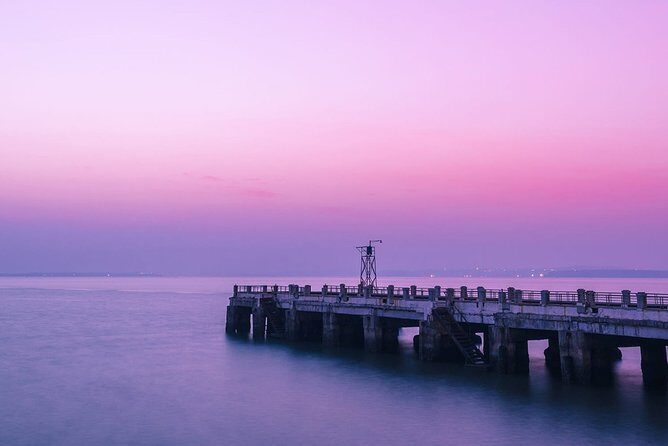
This is a classic “highlights done in one day” setup—private transfers, a guided flow, and planned time at each major site. With about 8 hours total, you’ll feel like you covered South Goa’s culture without having to piece together buses, schedules, and separate tickets.
If you’re staying in North Goa, the pickup angle matters. You’re starting closer to the capital-area sightseeing, which helps you keep the day from becoming mostly transit. The result: more time on sites like Bom Jesus and Se Cathedral, plus time for the temple pair and the Fontainhas neighborhood.
The pace is steady rather than slow. Each stop is typically around 15–30 minutes (with the plantation lasting about an hour), so it’s ideal for travelers who like structure. If you want deep lingering, you might end up shopping for extra time at one or two places—especially the churches or Fontainhas.
You can also read our reviews of more city tours in Goa



Miramar Beach: A Beach Stop With a Portuguese Name Change
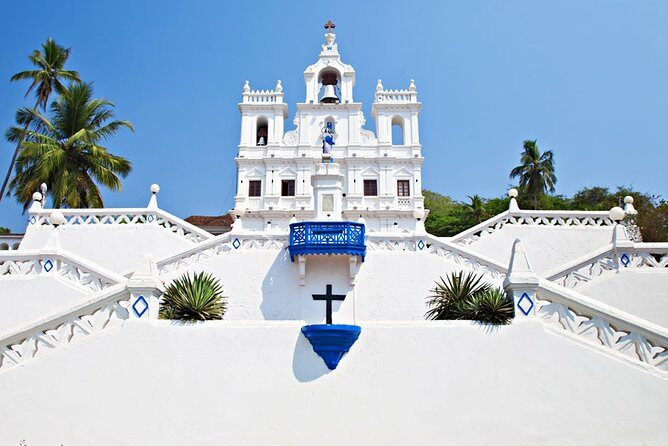
The day opens at Miramar Beach, a place with layered identity. Under the Portuguese it was known as Porter de Gasper Dias, and later the beach got the name Miramar after Goa became part of India. That detail gives the stop more meaning than just sand-and-sea photos.
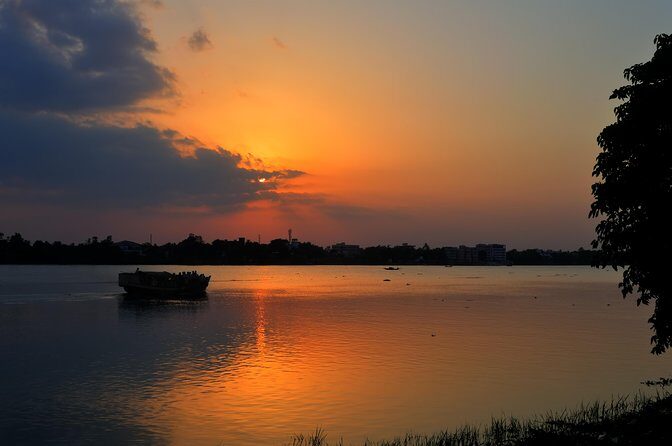
You also get the geography: Miramar sits where the Arabian Sea meets the Mandovi river. It’s a good warm-up for the rest of the day because the views help you get oriented—then the tour swings inland toward Old Goa’s heritage sites.
This beach stop is short (about 15 minutes). Use it to reset your energy and grab a quick stroll if the timing works. Don’t plan on a swim stop here, because the schedule clearly treats it as a look-and-continue stop.
Dona Paula: The Legend Stop That Actually Sets the Mood
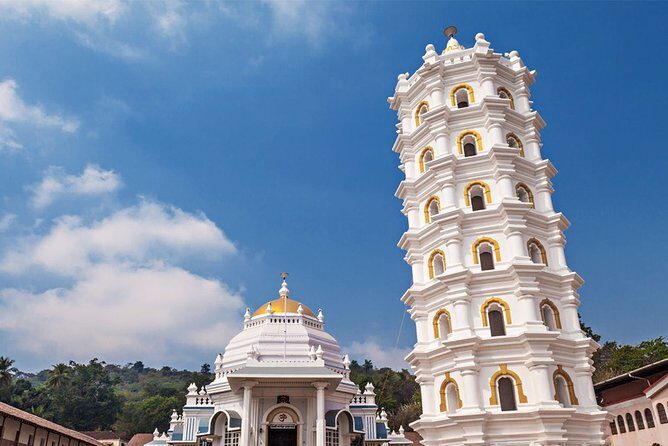
Next up is Dona Paula, famous for a star-crossed lovers legend: Dona and Paulo who, according to the story, jumped from a rocky cliff. Even if you’re not a legend person, the setting fits Goa’s coastal drama—cliffside views and a name that carries history.
This stop also stays brief (about 15 minutes). Think of it as a narrative pause. It helps connect the coast you just saw at Miramar to the Portuguese-and-legacy tone you’ll keep encountering in churches and neighborhoods later.
A practical note: keep an eye on sun and wind. Cliff areas can feel exposed, and you’ll be walking a bit before moving on.
Bom Jesus Basilica: The UNESCO Hit in Old Goa
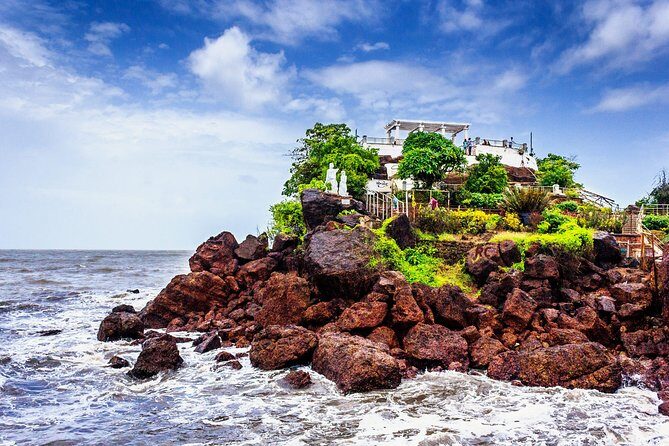
Then the tour gets serious at Basilica of Bom Jesus in Old Goa. This isn’t just another church stop. It’s part of the UNESCO World Heritage listing for the Churches and Convents of Goa, and it houses the remains of St. Francis Xavier.
What I like about this stop is the way it anchors everything else. Once you’ve seen Bom Jesus, Portuguese architecture stops feeling like just decoration. You start noticing how the Portuguese presence shaped the region’s public religious spaces.
Timing is about 15 minutes here. That’s enough for a quick look and getting your bearings inside (if you’re allowed to enter during your visit). If you care deeply about religious art, you may wish you had more time—but for a single-day itinerary, the structure makes sense.
Se Cathedral: Portuguese-Manueline Style and a Dress Code Reminder
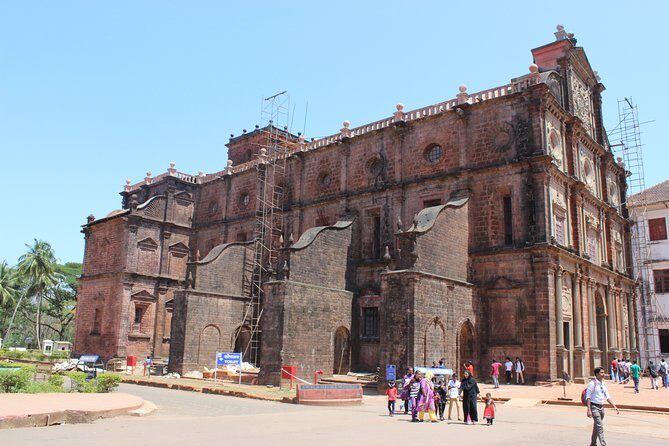
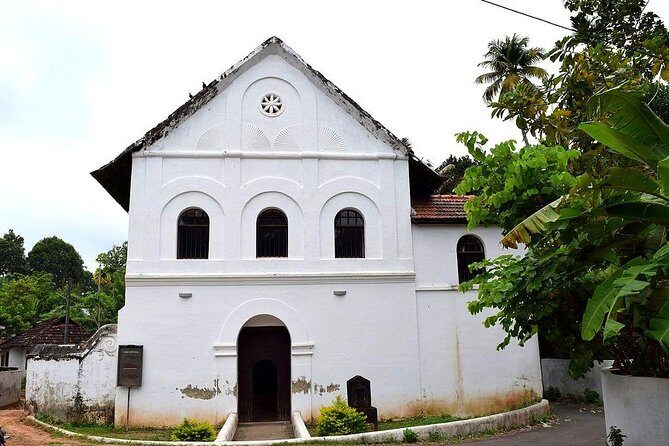
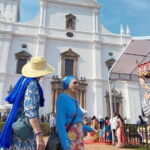
After Bom Jesus, you go to Se Cathedral de Santa Catarina. It’s described as Portuguese-Manueline in style, built to immortalize Portuguese victory over a Muslim army in 1510. That date and backstory help turn the building into more than scenery.
This one has a dress code. The tour notes that a dress code applies, so plan for it. If your clothing is too casual, you might need a workaround before entry. Better idea: bring something that covers appropriately so you don’t lose time at the threshold.
Like Bom Jesus, the stop is about 15 minutes. So the best strategy is to go in with a simple plan: first scan the big exterior details and façade, then focus on the interior features you can see quickly. You’ll leave with memories, not with decision fatigue.
You can also read our reviews of more private tours in Goa




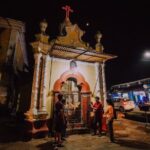
Mangeshi Temple: Maratha-Era Structure With Portuguese-Era History
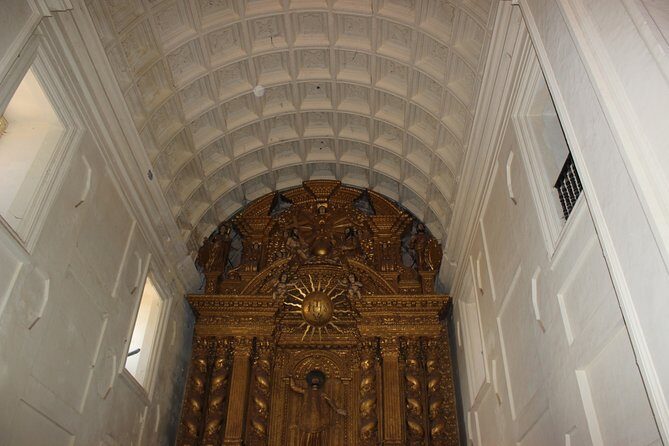
Now you shift from churches to temples with Shri Mangeshi Temple. The story here is very Goan in the way it mixes time periods. The temple as you see it today is said to have been built about 150 years ago under Maratha rule, and the original site was Kushasthali.
Then comes an extra layer: due to a Portugal invasion, the Mangesh linga was shifted to the current location in 1543. That kind of detail is exactly why this stop works on a full-day route. You see how conflict and power played out in everyday religious geography.
It’s about 20 minutes on the schedule. That’s enough to take in the scale, look at key details, and catch your breath between Old Goa and the next temple stop.
Shantadurga Temple: Community Roots and a Family Deity
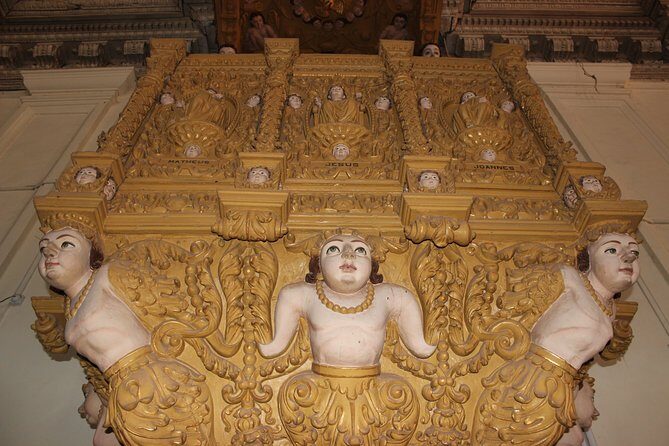
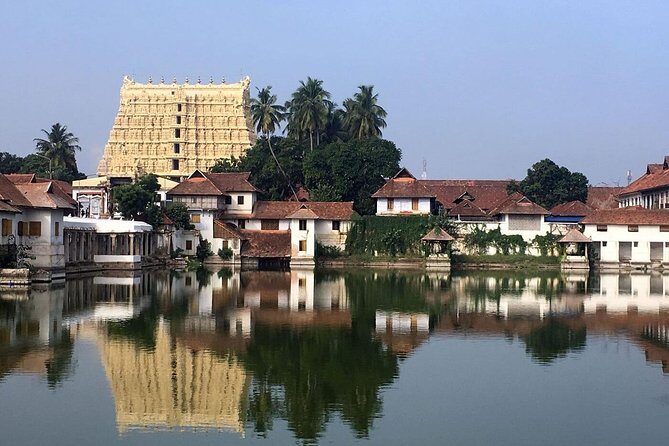
After Mangeshi, you visit Shri Shantadurga Temple, also referred to as Santeri. The tour frames it as a family deity for many Goud Saraswat Brahmins in Goa, and the temple is linked to community action after an earlier temple at Keloshi was destroyed in 1566.
This stop is about 15 minutes. It’s shorter than Mangeshi, but the cultural context makes it feel different. Instead of a single “famous monument” vibe, it’s more about a living devotional center for specific families and traditions.
If you like understanding why a place matters to people, this is one of the stops that rewards attention. You’re not just looking at stone—you’re seeing a result of community continuity.
The Scenic Pause: Dense Forest and Ocean Backdrop
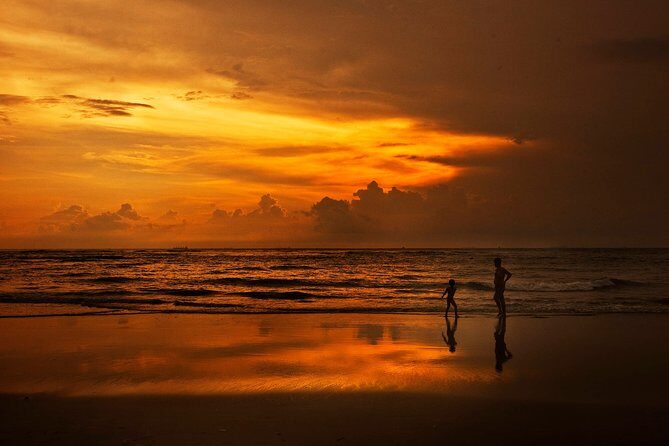
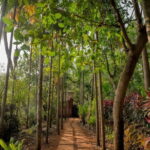
Between the temple cluster and the Old Portuguese quarter, the tour includes a scenic pause with a backdrop described as dense forest and ocean. This is one of those scheduled moments that makes the whole day feel less like a checklist.
Even if you don’t get a long walk, a quick viewpoint break helps you regroup. It’s also a nice mental transition: religion to neighborhood streets, and then into the plantation experience.
Fontainhas: Portuguese-Style Houses and an Old Goa Story
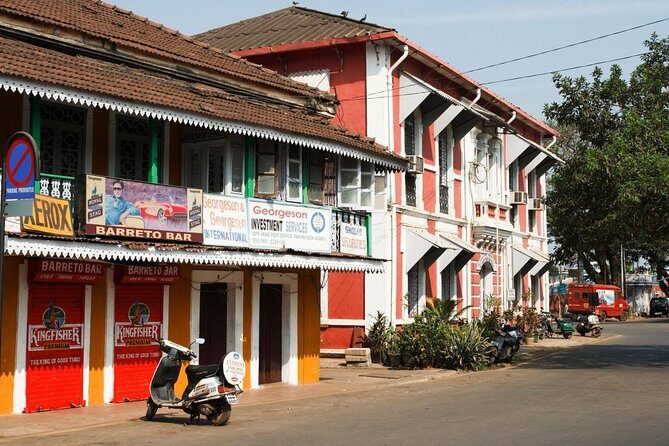
Next is Fontainhas, a neighborhood founded in the late 18th century by Portuguese figure Antonio Joao de Sequeira, initially connected to coconut plantations. The story continues with the early 1800s and an epidemic impacting Old Goa, which shaped how the area developed.
Fontainhas is visited for about 30 minutes. That’s a good length for photo windows and a slow look at Portuguese-styled houses without feeling rushed out of the streets.
I’d use this stop to do two things: first, notice the architecture, especially how the façades and streetscape feel different from the cathedral zone; second, look for small details that make the neighborhood feel lived-in. Even with limited time, you can pick up the vibe.
Tropical Spice Plantation: The Guided Part That Changes How You See Goa
Then comes the feature stop: Tropical Spice Plantation. It’s located around 6 km from Ponda Village, and the tour says it’s in Keri village, described as unexplored and unpolluted, with varieties of plantations and delightful birds.
The big value here is that the plantation visit is guided and not just an entry pass. About one hour is allocated, which is enough time to walk through sections, ask basic questions, and connect the idea of Goan spices with the land where they grow.
You’ll also get your meal here: a Lunch Tropical Goan Meal included with the tour. That’s a smart way to keep the day practical. Rather than hunting down food after a long sightseeing run, you’re fed while you’re already in the right setting.
If you’re the type who likes to bring souvenirs home with a story, this stop helps you do that. Even if you don’t buy anything, you’ll usually leave with a better sense of what Goa’s agriculture actually looks like.
How Much Is This $89 Tour Worth?
For about $89 and roughly 8 hours, you’re paying for convenience and time management more than for a long, expensive entry-ticket list. The price includes private transfers, entry tickets, and your lunch, which makes a difference on a full-day plan.
If you’re traveling with someone who needs structure—or you’d rather not coordinate taxis between Old Goa churches, temple sites, Fontainhas, and Ponda—this kind of package can feel like good value. The day is designed so you don’t lose half your time working out logistics.
The tradeoff is that the schedule is tight. The itinerary covers a lot, and you’ll feel the car time. But for many people, that’s exactly the point: you want the big names without losing your day to transport.
Who This Tour Fits Best (and Who Might Want Something Different)
This tour makes sense if you want a single-day hit list that still feels culturally grounded. I’d especially recommend it if you want both sides of Goa—Portuguese-era religious sites like Bom Jesus and Se Cathedral, plus temple stops like Mangeshi and Shantadurga—and then a nature-and-food payoff at the spice plantation.
It’s also a good choice if you’re not staying near Old Goa or you don’t want to string together multiple separate local tours.
If you’re the type who loves slow wandering, you might feel the pressure at the church and neighborhood stops. In that case, consider picking one or two places you want to return to afterward, so you can linger without the schedule breathing down your neck.
Optional Add-On: River Cruise (Not Included, Pay On the Spot)
The plan doesn’t include a river cruise, but there is an option to add it for INR 500 on the spot. If you’re the kind of person who wants a water-view finish, it can be a nice extra—but keep in mind it’s outside the included structure.
Final Take: Should You Book This South Goa Highlights Tour?
I’d book this when you want a structured day that covers Goa’s most recognizable heritage sites plus a spice-plantation experience with lunch. The mix of Old Goa churches, temples, Fontainhas, and the plantation visit keeps the day from feeling repetitive.
I’d think twice if you’re sensitive to car time. At 8 hours total with short stop windows, it’s a lot of moving, even with a private setup. But if you like getting a lot done while still seeing the important details—then this one is a solid match.
If you go, bring something light for the Se Cathedral dress code requirement, and plan to treat the churches and neighborhood as “look closely, then move on.”
FAQ
Is lunch included?
Yes. Lunch at the Tropical Spice Plantation is included as a Tropical Goan meal.
Do I need to pay for entrance tickets?
Entrance tickets are included in the tour.
Is pickup available from North Goa hotels?
Yes. Private transfers and pickup are offered from your North Goa hotel.
How long is the tour and is it private?
It runs about 8 hours and is private, meaning only your group participates.
Are there any optional activities?
Yes, a river cruise is not included, but you can pay INR 500 on the spot if you want to add it.
Is there a dress code at any stop?
Yes. Se Cathedral has a certain dress code, so plan clothing that fits the requirement.