REVIEW · MUMBAI
Dharavi Slum Tour & Mumbai Sightseeing
Book on GetYourGuide →Operated by Mystical Mumbai · Bookable on GetYourGuide
Mumbai hits you fast. This 6-hour tour makes it manageable, with an English-speaking guide and a Dharavi walk that shows how the area actually runs. The one catch: lunch isn’t included, so build in snacks or plan to eat after.
I also like the tight mix of everyday Mumbai and big-name landmarks—Gateway of India, Chhatrapati Shivaji Maharaj Terminus, Dhobi Ghat, Mani Bhavan, plus Marine Drive from the car. In practice, that means you get both the headline sights and the city’s working rhythm in one day.
In This Review
- Key things that make this tour worth your time
- Why the Dharavi + Mumbai pairing works in one day
- Starting from Friends Colony (and meeting your guide)
- Dharavi: beyond the stereotypes, into narrow lanes and work
- How the Gateway of India sets the tone
- Mumbai’s big transportation landmark: Chhatrapati Shivaji Maharaj Terminus
- Mani Bhavan: Gandhi’s residence as a quieter anchor
- Dhobi Ghat: Asia’s largest open-air laundry
- Kamala Nehru Park and Old Woman’s Shoe viewpoint
- Hanging Gardens and the Tower of Silence area
- Marine Drive: Queens Necklace and the British-era “bones” of Mumbai
- Tips so the day feels smooth (not stressful)
- Price and value: what $70 gets you (and what it doesn’t)
- Should you book the Dharavi Slum Tour & Mumbai Sightseeing?
- FAQ
- Is lunch included on this tour?
- How long is the tour?
- What does the price include?
- Do I need to bring cash for extras?
- Where does the pickup happen?
- Is this tour private or shared?
- What language is the guide?
- Are shorts allowed?
- Which major sightseeing stops are included?
- Is there a cancellation option?
- Is pay later an option?
Key things that make this tour worth your time
- Dharavi firsthand, focused on real work like recycling yards, small workshops, and the feel of Kumbharwada community life
- Open-air laundry at Dhobi Ghat—a working sight, not just a photo stop
- Heritage in motion with UNESCO Chhatrapati Shivaji Maharaj Terminus and British-era architecture around town
- Gateway of India + Taj Mahal Palace area for the classic Mumbai postcard look
- Kamala Nehru Park viewpoint with the Old Woman’s Shoe landmark
- Mani Bhavan and Gandhi’s story site tied into the day’s wider Mumbai context
Why the Dharavi + Mumbai pairing works in one day
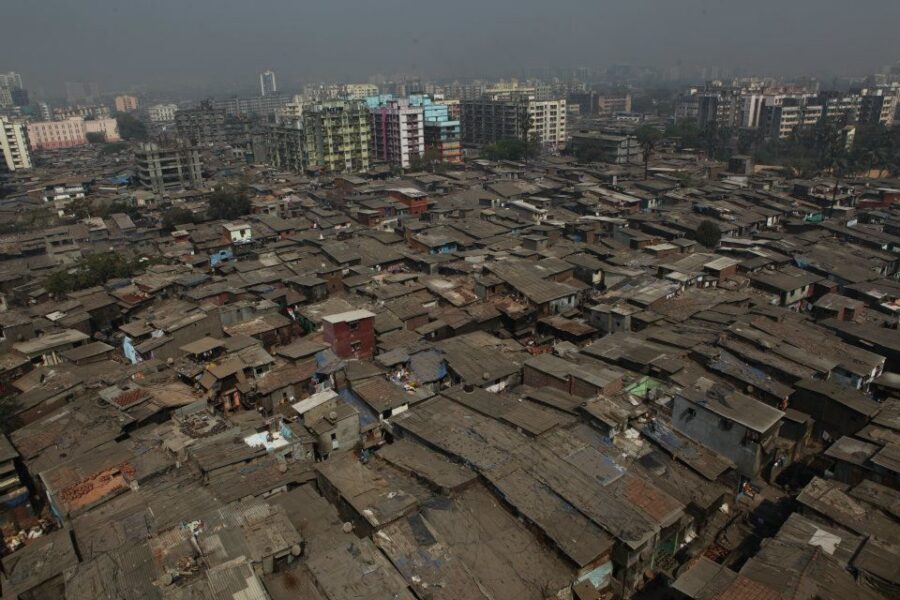
This is the kind of itinerary that keeps you from treating Mumbai like a checklist. You start with Dharavi’s day-to-day industry and community spaces, then shift into the city’s best-known monuments and civic buildings. The contrast isn’t random—it helps you understand Mumbai as a place where history, politics, and work sit right next to each other.
Value-wise, the pricing makes more sense when you look at what’s included: an air-conditioned car, an English-speaking guide, and the transport between neighborhoods. You’re also not getting dragged into mystery add-ons—one of the guide teams is specifically praised for not pushing commission-style shopping.
The biggest thing to remember is that Dharavi is not a theme park. You’re walking narrow lanes and passing active businesses, so the day is meant to be observed with respect. If that’s your style—curious, direct, and okay with strong smells and close quarters—you’ll get a lot more out of it.
You can also read our reviews of more tours and experiences in Mumbai.

Starting from Friends Colony (and meeting your guide)
Your day begins with pickup around the Friends Colony area, and you’ll also be asked for your hotel details so your guide can meet you where you’re staying. It’s a private group setup, which matters in a city like Mumbai. You can ask questions without feeling rushed, and you can steer the pace a bit based on what you’re most interested in.
Guides can vary by departure date, but the experience has a clear pattern in how it’s described: friendly, personable hosts who explain what you’re seeing. Names that have come up include Aardi and Mukesh (hosts), plus guides like Dev, Dhermesh, Siddhi, Anthony, and Sunny, with a driver working alongside them.
One small practical point: you’ll be outside during parts of the day, including Dhobi Ghat and the slum walk. Plan for weather and bring water, especially in warmer months. In rainy season, be ready to get a bit wet.
Dharavi: beyond the stereotypes, into narrow lanes and work
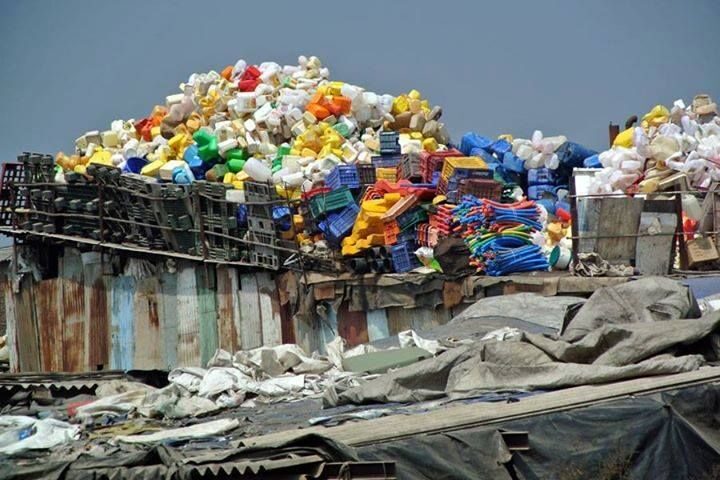
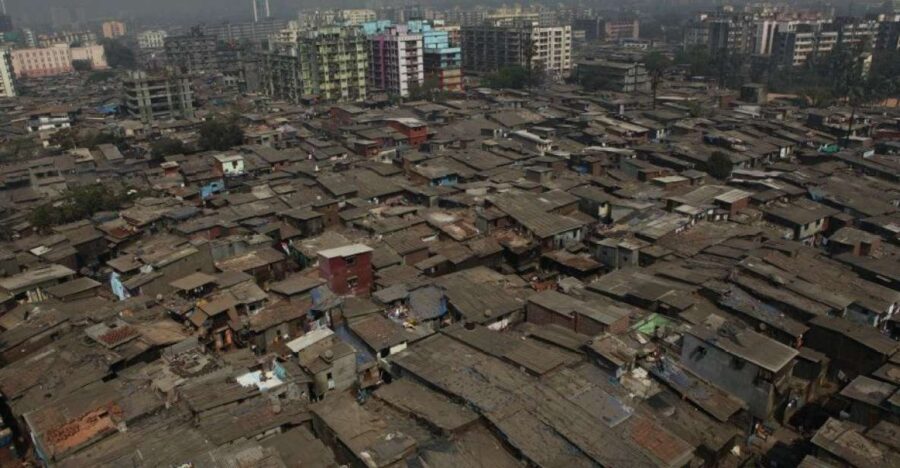
The Dharavi part of the tour is designed to be hands-on in a careful way. You’ll start by getting oriented in Dharavi and then head toward the plastic and metal recycling yard. From there you move on foot through narrow lanes and by-lanes, where the atmosphere is part of the lesson.
Here’s what you can realistically expect:
- aromas from local bakeries and sweet shops
- work happening in soap and cosmetic making units
- traffic of locals brushing past in close spaces
- mass-producing tailor shops and small-scale business activity
- small cyber cafes you pass along the way
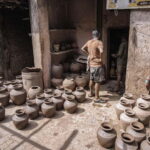
This isn’t a “look and leave” walk. You’ll listen to stories as you go, and the guide context is the difference between a blur of images and understanding what you’re seeing. You’ll also reach Kumbharwada, described as the face of one of Dharavi’s largest slum-dwelling areas, and then take in the alleys and community spirit there.
If you’re wondering whether it feels emotional or intense: it can. But the point is to treat it as real neighborhood life. The tour is built around that sense of community and daily rhythm—how people share space, run businesses, and build a strong local identity even amid tight conditions.
Practical consideration: shorts aren’t allowed on this activity. That matters most during Dharavi and any religious stops later. If you’re bringing clothing, choose something that keeps you comfortable and respectful for walking.
How the Gateway of India sets the tone
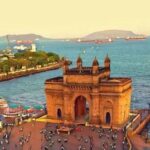
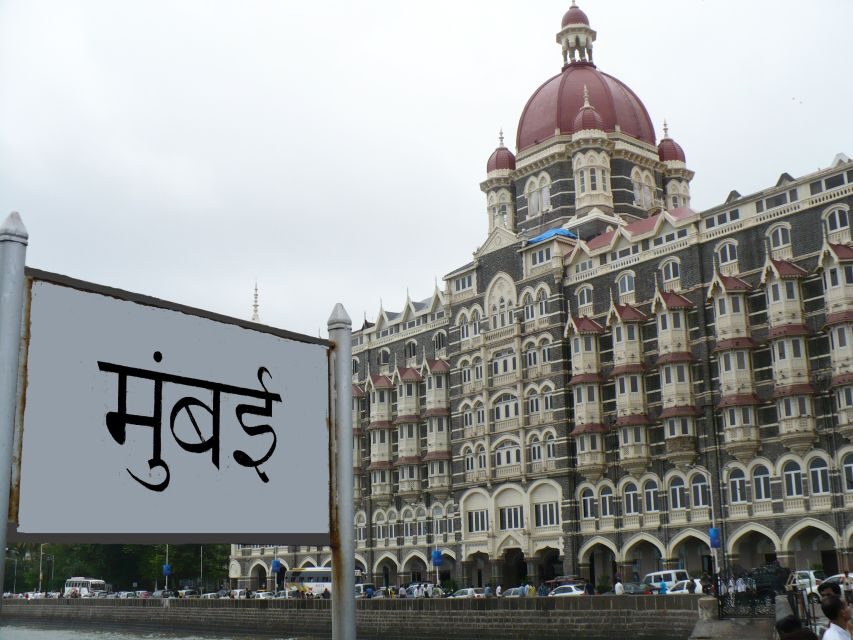
After Dharavi, you swing into one of Mumbai’s most recognizable scenes: the Gateway of India. Built to welcome King George V and Queen Mary into India, it’s one of those monuments that instantly tells you you’re in the capital of a former empire—and also a modern city with its own energy.
You’ll get a photo stop and guided tour here, with a good chance to browse nearby shopping if that’s your thing. The best part is the quick shift in mood. You go from tight lanes and working yards to open space, sea air, and a skyline that feels made for landmark photos.
Just around the corner is the Taj Mahal Palace Hotel area. The hotel’s original building was commissioned by Jamshedji Tata and first opened its doors to guests on December 16, 1903. Even if you don’t go inside, the location helps you connect Mumbai’s colonial-era grandeur with its present-day identity.
Mumbai’s big transportation landmark: Chhatrapati Shivaji Maharaj Terminus
Next up is Chhatrapati Shivaji Maharaj Terminus, with time for a photo stop and guided sightseeing. This station is UNESCO world heritage, and it doesn’t feel like a typical “stand and look” site.
What I like about including a working transit hub in a tour is that it gives you texture. The building isn’t just museum material—it’s part of the city’s daily movement. You’re also in an area where architectural details get a lot more interesting when you’re seeing how the city uses them.
The tour also links into the wider heritage around the station area, including Mumbai University (a British heritage building built in 1857) and Rajabai Clock Towers, often compared to Big Ben of India. Those clock towers help you picture how Mumbai’s “official” buildings were designed to project power, order, and visibility.




Mani Bhavan: Gandhi’s residence as a quieter anchor
Mahatma Gandhi’s residence in Mumbai, Mani Bhavan, is one of the stops that gives the day meaning beyond architecture and street scenes. You’ll have a photo stop, guided tour, and time to walk.
This is a strong contrast point after Dharavi and before you head into more busy sights like Dhobi Ghat. It’s a reminder that Mumbai’s story isn’t only about buildings—it’s also about people, leadership, and political change.
If you’re the kind of traveler who likes your highlights to have context, this stop is a big win. It also helps you pace the day: not every stop is sensory-heavy, so you’re not constantly in “image overload” mode.
Dhobi Ghat: Asia’s largest open-air laundry
Dhobi Ghat is one of the most memorable parts of the tour because it’s not a static attraction. You’re seeing clothes being washed in an open-air setting—watchable, active, and very Mumbai.
The tour gives you guided sightseeing and walking time, so you can take in what people are doing rather than just snapping a picture and moving on. The laundry works as a kind of urban theater: you’ll notice water flow, repetitive tasks, and the way the area supports everyday life for many people.
If you tend to connect more with living cities than with perfect landmarks, this is the stop that often delivers the biggest emotional payoff. It’s real work, and it looks different from the laundry systems most people are used to.
Kamala Nehru Park and Old Woman’s Shoe viewpoint
Kamala Nehru Park adds a breather with views. You’ll visit with guided time and walking around, plus there’s a specific landmark: Old Woman’s Shoe.
It’s a quirky detail, but it helps make the viewpoint memorable. Also, the skyline angle makes sense after spending time in tight Dharavi lanes and street-level areas. You get to zoom out—literally—so you can see how huge and layered the city is.
This is also where the tour feels more like a guided “city reading” than a strict route of monuments. You’re learning what to notice as you travel.
Hanging Gardens and the Tower of Silence area

The Hanging Gardens stop brings in another kind of perspective: greenery and elevated space built near the Tower of Silence area, which is associated with a Parsi burial place. You’ll have photo stop, guided tour, and sightseeing time.
Even if you’re not deeply familiar with this part of Mumbai before you go, the guide’s commentary helps you place it in the broader city mosaic. Hanging Gardens built on top of water tanks also ties into a key Mumbai theme: ingenious reuse of space and infrastructure in a dense city.
A practical note: plan for walking and open-air time. This is one of the stops where the weather can affect how much time you want to linger.
Marine Drive: Queens Necklace and the British-era “bones” of Mumbai
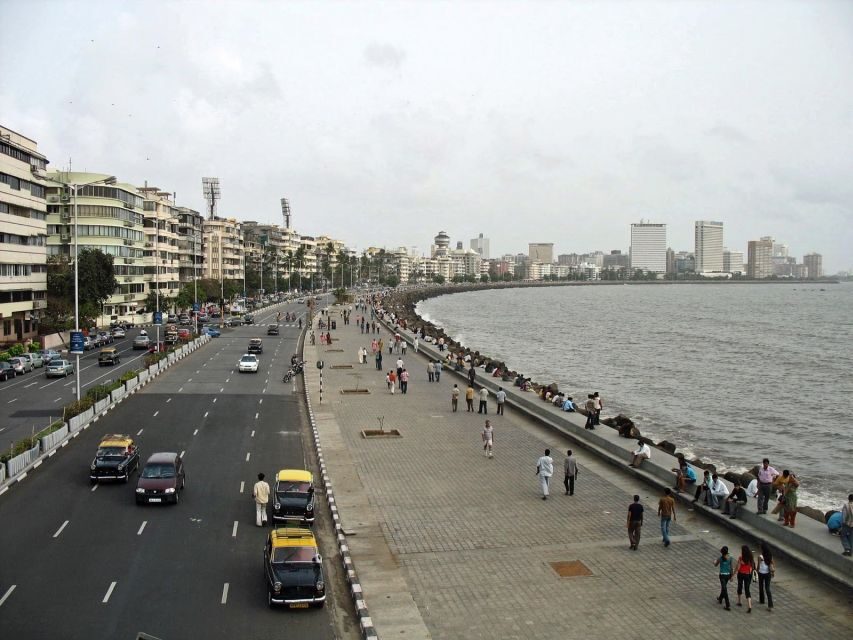
Then you get a drive around Marine Drive, famous as Queens Necklace. The tour includes guided sightseeing and stops for viewpoints and photos along the way.
Here’s the interesting part: Marine Drive isn’t only a scenic strip. The tour uses the drive to show you how British-era buildings shape parts of Mumbai’s look and feel today. You’ll pass multiple landmarks, including:
- Prince of Wales Museum
- Maharashtra Police Headquarters
- Flora Fountain and Hutatma Chowk
- Telegraph Office and the India Post Office Building
- Kala Ghoda area
- David Sasoon’s Library
- National Gallery of Modern Art
The Halting Gardens and historic towers helped you understand Mumbai from above and from civic centers. Marine Drive gives you the city’s “in-between” view—arterial roads and iconic facades.
If you like a city that shows its layers as you move, you’ll probably enjoy this section a lot. One driver-and-guide team is even praised for how the drive itself becomes part of the experience, with anecdotes from the passing cityscape.
Tips so the day feels smooth (not stressful)
This tour packs a lot into 6 hours, so a few small habits make a big difference.
- Bring water. It’s specifically called out as a must, and it’s smart in Mumbai heat.
- Skip shorts. They’re not allowed on this activity, and you’ll want to stay comfortable for walking and religious-area etiquette.
- Expect strong smells during the Dharavi section. Bakeries, sweet shops, and soap/cosmetic making are part of what you’ll notice. If you’re sensitive, keep a respectful distance when you need to breathe.
- Build your appetite strategy. Lunch isn’t included, so plan what you’ll do before or after the tour.
- Keep your questions ready. The guide experience is a major part of the value, and the best moments usually come from asking why something is there or how a process works.
Price and value: what $70 gets you (and what it doesn’t)
At $70 per person for a 6-hour private group tour, this is priced like a “real experience,” not a quick drive-by. What’s included matters: an air-conditioned car, an English-speaking guide, tolls, parking, and tax. So you’re paying for time, guidance, and transportation—not just access to a couple of landmarks.
Lunch isn’t included. That’s the main cost-related gap. If you prefer to stay flexible with food preferences (and most people do in Mumbai), this is fine. Just don’t assume it’s handled for you.
Also, the guide experience is repeatedly described as respectful and not pushy. One person specifically appreciated that they weren’t pressured into commission-style purchases. That detail isn’t “small.” It’s one of the reasons this kind of tour is worth paying for at all.
Should you book the Dharavi Slum Tour & Mumbai Sightseeing?
If you want Mumbai in one day with both the iconic postcard sights and the working neighborhood reality, this tour is a strong match. I’d especially recommend it if you like context—why places exist, how city life is organized, and what different buildings mean beyond their photos.
Book it if:
- You’re okay with a walk through narrow lanes and active work areas
- You want Dharavi included, not skipped
- You prefer a private group pace and a guide who can answer questions
Skip it (or choose another option) if:
- You’re only interested in polished, low-sensory sightseeing
- You’re not comfortable with the clothing rule (no shorts)
- You’d rather have lunch included than plan your own meal
FAQ
Is lunch included on this tour?
No. Lunch isn’t included, so plan to eat before or after the 6-hour experience.
How long is the tour?
The duration is 6 hours.
What does the price include?
It includes an air-conditional car, an English-speaking guide, tolls, parking, and tax, with no hidden costs.
Do I need to bring cash for extras?
The tour pricing is listed as no hidden cost, but you should still expect that personal shopping and optional spending are not covered.
Where does the pickup happen?
Pickup is included. The provided pickup location is Friends Colony, and you’ll also provide your hotel details so the guide can meet you there.
Is this tour private or shared?
It’s a private group.
What language is the guide?
The guide is English-speaking.
Are shorts allowed?
No. Shorts are not allowed on this activity.
Which major sightseeing stops are included?
The highlights include Gateway of India, Marine Drive, Chhatrapati Shivaji Maharaj Terminus, Mani Bhavan, Dhobi Ghat, Hanging Gardens, Kamala Nehru Park, and Dharavi.
Is there a cancellation option?
Yes. Free cancellation is available up to 24 hours in advance for a full refund.
Is pay later an option?
Yes. You can reserve now and pay later, keeping plans flexible.