REVIEW · VARANASI
Assi to Manikarnika Walking Tour: Varanasi Ghats & Lanes
Book on Viator →Operated by Varanasi Day Tours · Bookable on Viator
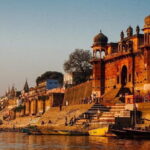
A walk in Varanasi changes how you see the Ganges. This Assi to Manikarnika route is built around ghats, temples, and narrow lanes, so you get city highlights in a few hours without feeling like you’re rushing through a checklist. I especially love how the walking segments stitch spiritual places to everyday life, right where pilgrims, shopfronts, and boats all share the same river edge.
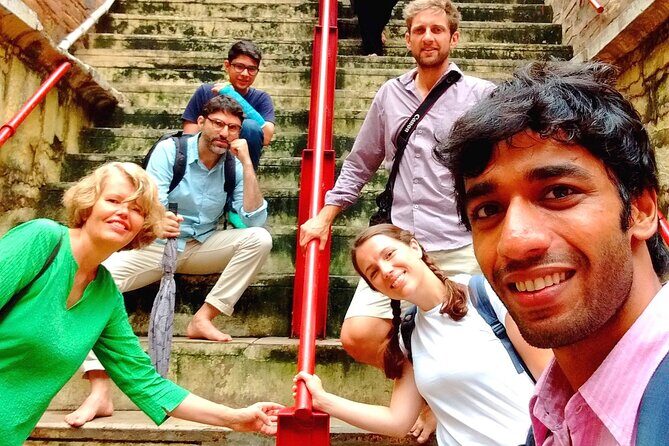
What I really like is the small-group feel paired with a professional English-speaking guide (and other languages like French, German, Spanish, or Italian can be arranged). You’re moving at a human pace, with time to notice details like old riverfront steps, fort walls, and the different temple styles you pass along the way.
One possible drawback: some temple areas may not be open for interior viewing, so you might end up seeing more of the riverfront approach and surroundings than the inside you expected. Also, this is a walking tour with moderate physical demands, so plan for lots of steps and lane navigation.
In This Review
- Key Things To Know Before You Walk Assi To Manikarnika
- Why This Walk Works Better Than A Clock-Chasing Sightseeing Day
- The Price And What You Actually Get For It
- Getting Oriented: Meeting Time, Pace, And Practical Expectations
- Stop 1: Assi Ghat, Tulsidas Roots, And Temple-Steps Views
- Stop 2: Dasaswamedh Ghat Energy And Mir Ghat Lanes
- Stop 3: Lalita Ghat And The Nepali-Style Temple-Pagoda Contrast
- Stop 4: Manikarnika Ghat And The Big Meaning Behind The Flames
- What Makes The Guide Part Matter (And Who It Suits)
- Small Details That Can Change Your Comfort Level
- Should You Book This Assi To Manikarnika Walking Tour?
- FAQ
- How long is the Assi to Manikarnika walking tour?
- Where does the tour take place?
- Is the tour suitable for people with limited mobility?
- How many people are in each booking?
- Is this tour private?
- What is included in the price?
- Are food and drinks included?
- Is hotel pickup and drop-off included?
- What time does the tour run?
- What is the cancellation policy?
Key Things To Know Before You Walk Assi To Manikarnika
- Small group (up to 6) keeps the pace calm and questions possible.
- Assi to Manikarnika covers classic ghats and a strong stretch of lanes in one outing.
- Multiple architectural styles show up along the way, from South Indian temple style to Maratha-era haveli looks and a Nepali-style pagoda.
- Cremation ghats are part of the story, including the Manikarnika area and a stop tied to King Harishchandra’s legend.
- You’ll likely do more “seeing from the outside” at some religious stops than full inside access.
Why This Walk Works Better Than A Clock-Chasing Sightseeing Day
Varanasi is the kind of city where big views are never far away, but the real understanding comes from moving slowly enough to watch how people live. This tour is designed for that. You start at Assi Ghat in the southern part of the riverfront and finish at Manikarnika Ghat, the most sacred cremation ground in Hinduism. Along the way, your guide helps you connect the places you see to the meanings people assign to them.
For me, the value is in the mix. You’re not only pointed at monuments; you’re guided through the layers of the city: river ritual spaces, temple approaches, palace-looking landmarks, and old lanes that feel like they belong to another pace of time. Even the route order matters. Going south-to-north along the river helps you see the ghats as a chain rather than separate postcards.
And because the group is capped at a maximum of 6, the experience stays personal. In a city like Varanasi, that matters. Small groups can slow down when lanes get tight, and you can ask questions without feeling like you’re talking over a crowd.
You can also read our reviews of more walking tours in Varanasi



The Price And What You Actually Get For It
At $25 per person, this is priced like a true neighborhood walk rather than a car-and-driver day. What you’re paying for is: a professional guide, the time spent interpreting the stops, and the convenience of having a structured route that threads together multiple iconic areas in about 3 to 4 hours.
Tickets and admissions at the listed stops are marked as free, and you’ll use a mobile ticket. There’s no mention of food being included, so don’t plan on being fed by the tour. If you need a hotel pickup or drop-off by private vehicle, that’s listed as $10 extra per person if needed.
So the “value math” is simple:
- If you want a guided route that saves you from figuring out how to connect these sites yourself, the cost makes sense.
- If you’d rather wander with no structure, you might feel the guide is unnecessary.
- If you’re expecting museum-style access and indoor visits everywhere, you should adjust your expectations, since religious sites may restrict interior viewing.
Getting Oriented: Meeting Time, Pace, And Practical Expectations
The tour runs Monday through Sunday from 6:00 AM to 5:00 PM during the stated operating season (10/01/2025 through 09/30/2026). You’re told to have a moderate fitness level. Translation: you’ll be walking and negotiating lane paths and steps, and you’ll want comfortable footwear.
This is also described as a private activity, with only your group participating. That doesn’t mean you’ll have the streets to yourselves, but it does mean you won’t be folded into a bigger herd of strangers.
The start and finish both say the activity ends back at the meeting point. So you’re not scheduling a long transfer day, which is a big deal in Varanasi. You’ll be near public transportation, so you can adjust your day before or after the walk without major logistical gymnastics.
Stop 1: Assi Ghat, Tulsidas Roots, And Temple-Steps Views
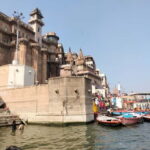
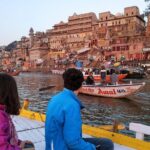
You begin at Assi Ghat, described as the southernmost ghat and a place tied to morning rituals and the confluence of Assi and Ganga. Starting here helps you feel the rhythm of the riverfront early, before the day’s noise fully takes over your attention. Even if you’re not a ritual watcher, the setting does the heavy lifting: water, steps, boats, and people with reasons for being there.
From Assi Ghat, you’ll visit a sacred place connected to the saint-poet Tulsidas, where the Ramcharitmanas is said to have been composed. This is the kind of stop that turns a name into something physical. Instead of hearing famous literature as abstract, you see where its cultural gravity is anchored.
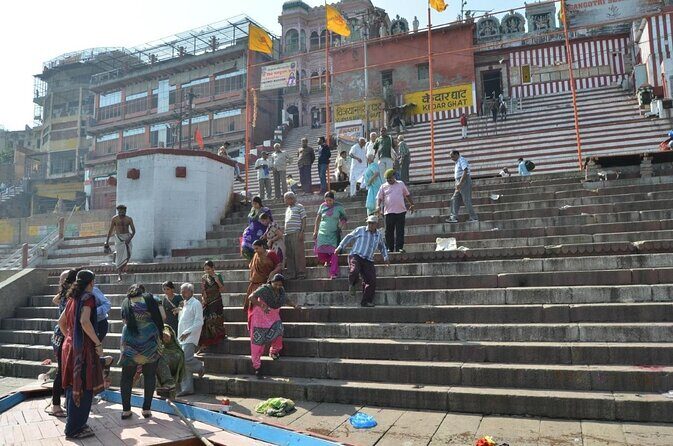
Next comes the walk through the colorful steps leading to Kedareshwar Temple. The tour highlights its South Indian architectural style. Practical note: these stairs and steps are often where you’ll slow down because the lane rhythm changes. Your guide’s job here is to help you notice what you’re seeing without turning it into an art history lecture.
Then the itinerary shifts into one of Varanasi’s heavier realities: you’ll witness an ancient cremation ghat associated with the legend of King Harishchandra, tied to ideas of truth, dharma, and liberation. This is not a casual photo stop. If that subject makes you uncomfortable, you should go in with clarity. The tour frames the meaning, which helps some people process it, but it’s still a real part of life at the river.
After that you head toward historic stronghold territory at Chet Singh Fort, linked to battles with the British. Even if you only catch parts of the structure, the views of the riverfront and the sense of a past power center are the point.
Then you’ll have a calmer visual moment at Raja Rao Balaji’s 1720 Peshwa Haveli. It’s described as quiet and scenic, with good potential for photography and peaceful walking. This is one of the smart “breather” stops on the route: it breaks up the intensity of the ghats so your brain can reset.
Finally in this stretch, you’ll see Darbhanga Palace with royal balconies overlooking the Ganges. This is a photogenic spot, but it’s also useful because it shows how the riverfront wasn’t only for ritual. It was watched, lived with, and tied to power.
Stop 2: Dasaswamedh Ghat Energy And Mir Ghat Lanes
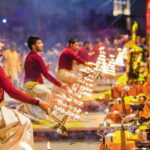
The walk continues to Dasaswamedh Ghat, described as the vibrant heart of Varanasi, where legends of Lord Brahma meet the city’s famous Ganga Aarti spiritual energy. Even if you’re not staying for every minute of the ceremony, being at Dasaswamedh gives you the central pulse of the city’s public riverfront life.
From there, you’ll move to Mir Ghat, known for ancient temples and narrow winding lanes that show traditional lifestyle of old Banaras. This is where a guided lane walk pays off. The lanes can look like you’re just following turns, but your guide helps you read what you pass: how temple spaces relate to doorways, how daily errands keep moving near sacred zones, and why the lane layout matters.
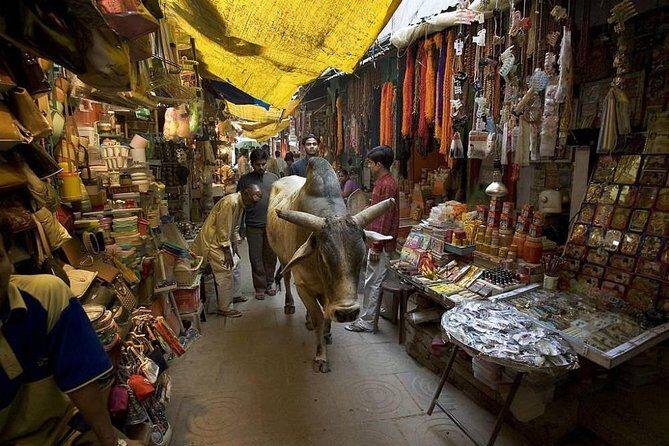
One more practical thought: you may share lane space with animals. I’m not saying it to be dramatic, but it’s part of the city’s everyday flow. The tour format works well because you’re not trying to improvise alone while also looking down at your footing and sideways at everything moving.



Stop 3: Lalita Ghat And The Nepali-Style Temple-Pagoda Contrast
Next up is Lalita Ghat, where you’ll see the Lalita Devi Temple and the iconic wooden pagoda architecture built by Nepal’s royal family. This stop is valuable because it shifts the visual language of the tour. You’re not only seeing Indian temple styles; you get a clear cross-cultural architectural influence along the river.
The tour keeps this segment shorter—about 10 minutes—but don’t treat it as optional. In a route packed with strong ritual and historical stops, this one gives you an architectural “reset.” If you’re the kind of person who likes comparing styles, you’ll enjoy how the pagoda structure changes your sense of place.
You’ll also get a calmer riverfront feeling here compared with the busiest ceremonial hubs.
Stop 4: Manikarnika Ghat And The Big Meaning Behind The Flames
You finish at Manikarnika Ghat, described as the most sacred cremation ground in Hinduism. The highlight is the eternal flame said to be lit by Lord Shiva, representing truth of life, death, and liberation.
This end point is important for the tour’s overall logic. Earlier you pass a cremation ghat linked to King Harishchandra and the ideas around dharma and liberation; here the tour places the focus on the ultimate symbolism of the Manikarnika flame. Whether you view it spiritually, philosophically, or just culturally, it lands as the emotional and meaning-based climax of the route.
Because the stop is only about 10 minutes, it’s not designed to overwhelm you with time. It gives you a chance to stand in the space, understand the meaning being assigned to it, and then move on with your day.
What Makes The Guide Part Matter (And Who It Suits)
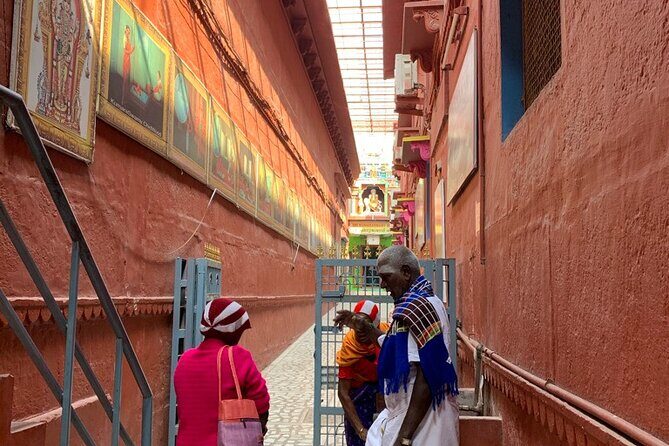
This kind of tour succeeds or fails based on interpretation. Here, you’re promised a professional English-speaking guide, with other languages available on demand and availability. That matters in Varanasi because you’ll see a lot. The guide helps you connect what you see to what it means—especially at the spiritual and historical stops where a wrong guess is easy.
From the overall experience notes, the pacing is often described as not rushed, with time to absorb the atmosphere. That’s a real advantage. If you’ve been in cities where guides sprint you from site to site, you know how hard it is to pay attention to anything besides your own schedule. This route gives you enough breathing room to actually read the riverfront.
Who should book:
- You want an affordable, guided way to cover major ghats and lane areas in one day.
- You like street-level travel: stairs, lanes, temples, and everyday river life.
- You’re comfortable with religious context, including cremation ghats as part of the living culture.
Who should reconsider:
- You need lots of indoor temple access. Some stops may restrict interior viewing.
- You dislike walking or tight, uneven steps.
- You’re not emotionally ready for cremation-related sites in a sacred setting.
Small Details That Can Change Your Comfort Level
A few things are worth planning around:
- Footwear: you’ll be walking along ghats and through narrow alleyways, so wear shoes you trust on steps.
- Timing: the tour has opening hours from early morning through late afternoon. Pick a time that matches your heat tolerance.
- What you carry: no food is included, so if you’re doing this before a later meal, bring water or plan nearby options outside the tour.
- Temple expectations: one drawback called out is that at least one temple stop may focus more on the approach or surrounding area than the interior experience, so don’t treat each stop as a guaranteed inside visit.
Should You Book This Assi To Manikarnika Walking Tour?
If you want a practical introduction to Varanasi that feels grounded in place—not just name-dropping landmarks—this walk is a strong pick. The route covers a lot of the city’s major riverfront zones in 3 to 4 hours, with a guide who helps you connect ritual spaces, architecture, and lane life into a single story. The small group size makes it more comfortable and easier to ask questions, especially when you’re standing in places that are both visually intense and culturally meaningful.
I’d book it if you’re prepared for real-world riverfront life, including animals and crowds in some lanes, and if you’re okay with the fact that some religious stops may not offer full interior access. Skip it only if you’re the type who gets frustrated by partial views at temples or you want a car-free day without much walking.
Bottom line: for the price, you’re buying time with a guide and a coherent route from Assi to Manikarnika. In Varanasi, that’s often the difference between seeing a lot and truly understanding what you’re looking at.
FAQ
How long is the Assi to Manikarnika walking tour?
The tour duration is about 3 to 4 hours.
Where does the tour take place?
It’s in Varanasi, India, moving along the ghats and through narrow lanes.
Is the tour suitable for people with limited mobility?
The tour is listed for people with a moderate physical fitness level, since it involves walking and navigating steps and alleyways.
How many people are in each booking?
A minimum of 2 people is required per booking, and the maximum group size is 6.
Is this tour private?
Yes, it’s described as a private tour/activity, meaning only your group participates.
What is included in the price?
The guide is included (professional English speaking, with other languages on demand and availability). Admissions at the listed stops are shown as free, and there’s a mobile ticket.
Are food and drinks included?
No, food and drinks are not included.
Is hotel pickup and drop-off included?
Hotel pickup and drop-off by private vehicle is not included, but it’s available for an extra $10 per person if needed.
What time does the tour run?
The opening hours are listed as 6:00 AM to 5:00 PM, Monday through Sunday.
What is the cancellation policy?
Free cancellation is available. You can cancel up to 24 hours in advance for a full refund; cancellations within 24 hours of the start time are not refunded.