REVIEW · NEW DELHI
Private Delhi Spiritual Tour: Temples, Mosques & Markets
Book on Viator →Operated by Splendid Taj Holidays · Bookable on Viator
Some places in Delhi feel loud. This tour feels meaningful. You’ll move through Sikh and Islamic landmarks, then shift gears into Hindu spirituality and old bazaar life, all with private A/C transport and a guide who explains what you’re seeing as you go.
What I like most is the pairing: Gurudwara Bangla Sahib and Jama Masjid give you two very different traditions in one morning, then the day turns local with Chandni Chowk cycle rickshaw and spice-market time. The second big plus is the on-the-ground guidance from Ahmed, who handles culture and architecture questions with real detail, and not just quick facts.
One thing to consider: Akshardham and Lotus Temple are closed on Mondays, and the tour swaps to ISKCON Temple and Shri Kalkaji Temple instead. If your schedule lands on Monday, that’s a change worth planning for.
In This Review
- Key highlights to look for
- Price and what makes $41 feel fair
- Private pickup: the real comfort in a crowded city
- Stop 1: Gurudwara Bangla Sahib and the Sarovar moment
- Stop 2: Jama Masjid and the scale of Shah Jahan’s mosque
- Chandni Chowk by cycle rickshaw: fast orientation in the old market lanes
- Khari Baoli spice market: the smell test you can’t fake
- Swaminarayan Akshardham: modern devotion, big scale, and options
- Lotus Temple: quiet meditation for everyone
- What I learned from Ahmed’s explanations (and how they change the visit)
- Timing, pacing, and how to plan your day
- When this tour is the best fit
- Should you book this Private Delhi Spiritual Tour?
- FAQ
- How long is the Private Delhi Spiritual Tour?
- Is pickup and drop-off included, and can it be from anywhere in Delhi?
- What’s included in the tour price?
- Are Akshardham and Lotus Temple open every day?
- Do I need to bring identification?
- What is the cancellation policy?
Key highlights to look for
- Gurudwara Bangla Sahib’s golden dome and Sarovar pond for a calm start with Sikh hospitality
- Jama Masjid in 1656 with a massive courtyard that can host up to 25,000 worshippers
- Cycle rickshaw through Chandni Chowk, a quick way to orient yourself and see the market flow
- Khari Baoli spice market time, where the air is thick with aromas from wholesale stalls
- Akshardham Temple’s modern architecture plus exhibitions and an optional musical fountain show
- Lotus Temple’s meditation space, open to people of all religions
Price and what makes $41 feel fair
At about $41 per person for an approximately 7-hour private tour, this is one of those deals that only works because the day is tightly packed. You’re not just buying a map of sights—you’re paying for private air-conditioned transport, a professional tourist guide, bottled water, parking/tolls/fuel handling, and an included cycle rickshaw ride.
Most “cheap” tours in Delhi cut corners: fewer stops, less time, or extra costs for entry and transport. Here, admission tickets are listed as included for each temple/mosque stop, and the ride through Chandni Chowk is covered too. Meals aren’t included, and tips aren’t included—but honestly, that’s pretty standard for this type of day.
If your goal is a guided circuit of major religious and market highlights without spending time figuring out logistics, the value makes sense.
You can also read our reviews of more private tours in New Delhi

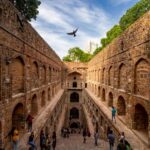
Private pickup: the real comfort in a crowded city
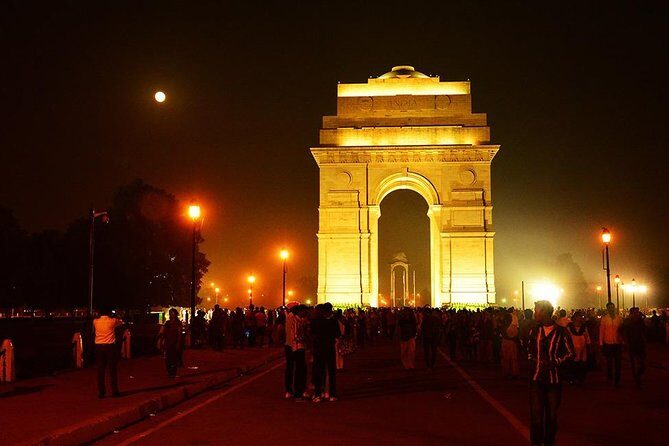
Delhi traffic can turn a simple plan into a stressed-out plan. This tour is designed to reduce that headache. Your driver picks you up from any location within Delhi—hotel, airport, railway station, or a specific address. That means you can start where you’re already located rather than trekking to a fixed meeting point.
Transport runs based on group size:
- 1–2 travelers: Sedan (4-seater)
- 3–5 travelers: SUV (6-seater)
- 10+ travelers: Minivan (12-seater)
That matters because it affects how comfortable the ride feels during a full day. You’ll also have bottled water along the way, and the tour includes all parking fees, tolls, fuel, and taxes—so you’re less likely to be surprised by small add-ons mid-trip.
Stop 1: Gurudwara Bangla Sahib and the Sarovar moment
You start at Gurudwara Bangla Sahib, one of the city’s most recognizable Sikh gurdwaras, famous for its glittering golden dome. The highlight here isn’t just the look of the building—it’s the atmosphere around the Sarovar, the sacred pond associated with healing waters.
Inside, there’s a prayer hall where the pace feels slower. You’re not meant to rush it. This is a good first stop because it sets the tone for the whole day: reflection, sound, and a sense of hospitality. The architecture and details are easy to appreciate even if you don’t know the religious background, especially with Ahmed explaining what you’re looking at.
Practical note: admission is included for this stop, so you’re not juggling cash while you’re trying to settle in.
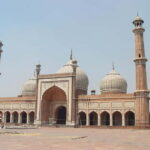
Stop 2: Jama Masjid and the scale of Shah Jahan’s mosque
Next comes Jama Masjid, built in 1656 AD by Emperor Shah Jahan, and described as India’s largest mosque. The scale is the point. Its courtyard can hold up to 25,000 worshippers, and even if it’s not full, you’ll feel how designed it is for large gatherings.
As you look around, pay attention to the red sandstone and marble elements. This is the kind of architecture where small details matter, but so does the big picture—proportions, open space, and the way people move through the complex.
You’ll get about an hour here, and admission is included. If you like your sightseeing with context, this is one of the best places to ask Ahmed questions, because the mosque’s historical role connects directly to the building choices you’re seeing.
Chandni Chowk by cycle rickshaw: fast orientation in the old market lanes
Then you shift from grand religious spaces to Delhi’s market engine. You’ll take an included cycle rickshaw ride through Chandni Chowk, Delhi’s oldest market area, created during the Mughal era.
This is a smart way to see Chandni Chowk because the rickshaw ride gives you momentum. You’re not trying to “figure it out” on foot through every lane. In about 30 minutes, you get the rhythm: shop fronts, street vendors, and the nonstop motion of a place built for everyday trade.
One drawback: market areas are more crowded than temple courtyards. If you don’t love tight spaces, keep your expectations simple—treat this segment as orientation plus a sensory hit, not a slow stroll.
Also, for this stop, admission is free.

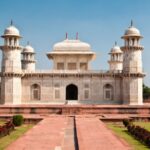



Khari Baoli spice market: the smell test you can’t fake
After Chandni Chowk, you’ll head to Khari Baoli, described as Asia’s largest wholesale spice market. The key thing here is what you’ll notice immediately: the air changes. Spices, herbs, and teas create a kind of aroma map that you can’t replicate through pictures.
You’ll have around 30 minutes here to walk through stalls offering traditional Indian spices. This isn’t a craft-show kind of shopping stop. It’s the working end of the trade: wholesalers, stacks of products, and the feeling that this market supplies more than it sells.
Admission is free here too, so you’re paying for time with a guide—not for entry.
If you’re the kind of traveler who likes to understand daily life, this is the moment that connects the “historic Delhi” feeling to how people actually use the city.
Swaminarayan Akshardham: modern devotion, big scale, and options
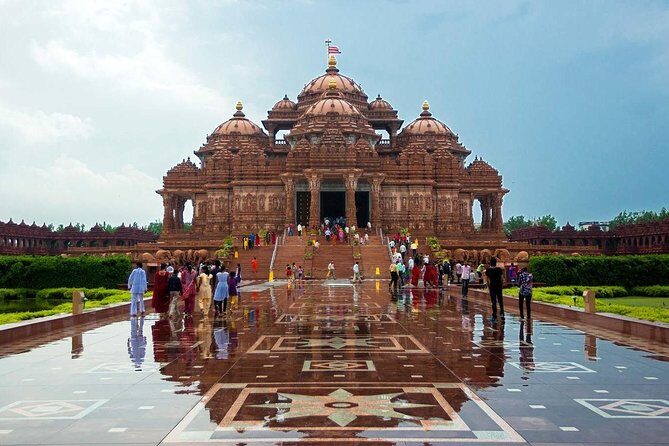
Next is Swaminarayan Akshardham, a modern architectural marvel dedicated to Bhagwan Swaminarayan. If you’re expecting one kind of Delhi—older, more weathered—this stop is where the city surprised me in the best way. The scale and design feel engineered for awe: intricate carvings, exhibitions, and a musical fountain show that’s listed as optional.
You’ll spend about 1 hour here, and admission is included. That’s enough time to see the main features without turning it into a rushed checklist. It’s also a good contrast after the mosque and the market, since Akshardham focuses your attention on form, design, and religious message through modern presentation.
One consideration: because there’s an optional fountain show, don’t build your schedule around it without checking timing on the ground. It may be easy to miss if you’re moving fast. Let Ahmed know you’re interested, and then you can decide with a bit of real-time judgment.
Lotus Temple: quiet meditation for everyone
You close the day at the Lotus Temple, shaped like a blooming white lotus and open to people of all religions for meditation and reflection. This is a nice finishing stop because it slows everything down again. After crowds and spice smells, you get a calmer space where you can sit, look, and let the day settle.
You’ll have about 1 hour here, and admission is included. The temple’s design is simple to understand: the lotus shape works as a universal symbol, and the “for every faith” approach helps the space feel welcoming without turning it into a theme park.
If you tend to get museum-tired, this is a good place to reset. Even if you don’t know the religious background, the setting supports quiet thought.
What I learned from Ahmed’s explanations (and how they change the visit)
I like guided tours most when they save me from two bad outcomes: random facts with no connection, or silent wandering where I have to guess what matters. Ahmed avoids both.
He’s the kind of guide who ties the sights to their design choices—how architecture reflects belief, how religious sites function as community anchors, and how history connects to the way Delhi looks today. In a day like this—where you’re switching from Sikh to Mughal-era Islamic architecture to Hindu devotional spaces—having someone connect the dots makes the contrasts feel meaningful instead of confusing.
There’s also a practical human touch. In one example I appreciated, driver Rohit waited during the day (the sort of small reliability that keeps a tight itinerary from turning chaotic). When you’re doing multiple stops with included entry and included rides, that dependable timing matters.
Timing, pacing, and how to plan your day
This is a full-day loop—around 7 hours—so plan around it, not around it “plus” other plans. You’ll cover:
- Two major religious landmarks early in the day
- A market ride and market walk that are more sensory and crowded
- Two larger temple experiences in the afternoon
The pacing is designed so you’re not stuck in one place too long. Still, you should expect some walking at each stop and a change in atmosphere every segment. If you’re the type who loves deep lingering, you might feel you’re seeing highlights rather than fully soaking everything. But for a first Delhi day—or for a trip where time is limited—it’s a strong and efficient plan.
When this tour is the best fit
I’d steer you toward this private tour if:
- You want spiritual + cultural + market in one day
- You prefer private A/C transport so Delhi logistics don’t eat your energy
- You like learning with a guide and asking questions while you’re there
- You’re okay with mixing quiet spaces (prayer/meditation) with busier market streets
It’s also a good fit for couples or small groups because it stays private. And if you’re traveling with family, the structure helps: clear segments, included admissions, and short enough stops to avoid total exhaustion.
Should you book this Private Delhi Spiritual Tour?
I think you should book it if your priority is a guided circuit that covers the big religious landmarks—plus the market side of Delhi—without you doing planning math all day. The price feels reasonable because it includes private transport, a guide, bottled water, a rickshaw ride, and included admission tickets for the main stops.
Skip it (or at least adjust expectations) if you’re only interested in one type of site—like purely museums or purely one religion. This tour is about contrasts, and the day intentionally moves between them. Also, if you’re visiting on a Monday, remember the swap from Akshardham/Lotus to ISKCON Temple and Shri Kalkaji Temple.
If you want a first full-day taste of Delhi that’s structured, thoughtful, and not stressful, this one earns a place on your itinerary.
FAQ
How long is the Private Delhi Spiritual Tour?
It runs for about 7 hours.
Is pickup and drop-off included, and can it be from anywhere in Delhi?
Yes. Your private driver will pick you up and drop you off from your preferred location within Delhi, including hotels, airports, and railway stations.
What’s included in the tour price?
The tour includes private air-conditioned transport, pick-up and drop-off, bottled water, a cycle rickshaw ride, a professional tourist guide, and parking fees/tolls/fuel/taxes. Admission tickets are included for the listed sightseeing stops. Meals and tips are not included.
Are Akshardham and Lotus Temple open every day?
No. Akshardham and Lotus Temple are closed on Mondays, and alternative visits to ISKCON Temple and Shri Kalkaji Temple will be arranged.
Do I need to bring identification?
Yes. You should carry a valid photo ID, since some monuments may require entry checks.
What is the cancellation policy?
You can cancel for free up to 24 hours before the experience starts for a full refund.
If you want, tell me your travel dates and group size—I can help you sanity-check whether Monday temple swaps affect your plan and how to time the day around your arrival or departure.