REVIEW · MUMBAI
Dharavi Slum Tour
Book on GetYourGuide →Operated by Linda Tour Mumbai · Bookable on GetYourGuide
Stereotypes fall fast in Dharavi. This Dharavi Slum Tour is a Mumbai slum tour that puts the spotlight on work, industry, and daily life, with locals such as Ruqaiyya guiding the way through tight lanes. It’s also priced like a budget meal, but structured like a proper neighborhood visit, not a drive-by.
I love the view into recycling work that links plastic melting, metal activity, and finished goods to markets far beyond Dharavi. I also love the way the tour challenges the usual story by framing Dharavi as a city within a city—one where people run trades and earn livelihoods. One possible drawback: the experience is a real walking tour in close quarters, so comfortable shoes are non-negotiable.
In This Review
- Key things I’d bookmark before you go
- Dharavi as a Working City, Not a Photo Stop
- Price and What You Actually Get for $8
- Where the Tour Starts and How the Timing Works
- The Two-Hour Walk Through Dharavi: What You’ll Notice
- The Recycling Yard Visit (13th Compound) and Why It Matters
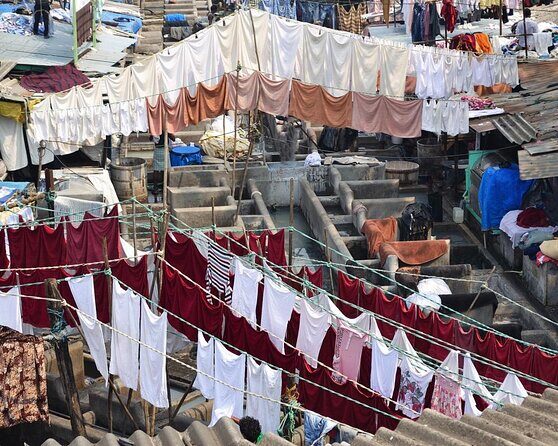
- Drop-Off Stops: Third Wave Coffee and Dhobi Ghat
- Guides Make or Break It: Ruqaiyya, Neha, and Clear Explanations
- Practical Tips: Shoes, Comfort Level, and Simple Rules
- Should You Book This Dharavi Slum Tour?
- FAQ
- How much does the Dharavi Slum Tour cost?
- How long is the tour?
- Where does the tour start?
- Does the tour include hotel pickup and drop-off?
- What’s included in the price?
- Are meals and drinks included?
- What languages are the guides?
- What should I bring, and what’s not allowed?
- Is there free cancellation?
Key things I’d bookmark before you go
- Mahim Railway Station as a common starting point: many options begin here, with pickup depending on what you select.
- A focus on local trades, not pity: plastic recycling, leather goods, ceramics, embroidered garments, and more come up in the route.
- The recycling yard look (13th compound): you’ll see how plastic is melted and molded, including items made for well-known brands.
- Guides with strong communication: English, Hindi, and Marathi are available, and Ruqaiyya and Neha are names that come up often for clear explanations.
- Bottled water and AC transport are included: you get a small comfort upgrade even though the walking is outdoors.
Dharavi as a Working City, Not a Photo Stop
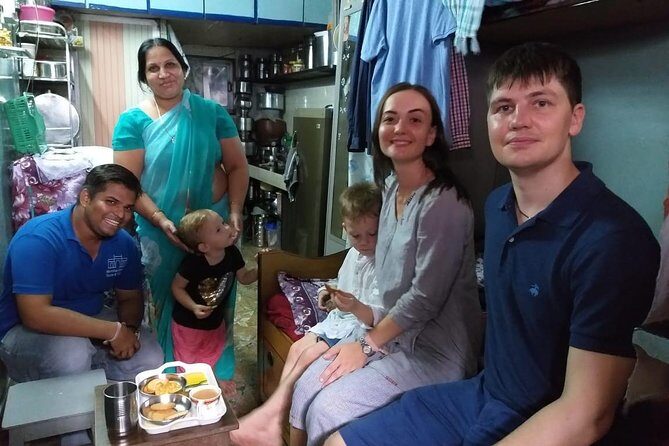
Dharavi is one of Asia’s largest informal settlements, but the tour’s angle matters. Instead of treating it like a spectacle, this Mumbai Dharavi tour is built around how people survive—and how they create economic value. The numbers the tour uses are big: roughly 20 million people live here, and the community’s annual output is estimated around 1 billion US dollars, largely tied to recycling.
That framing changes your mindset fast. You stop thinking about a “slum” as only what you see from a distance, and start noticing the systems people have built: small workshops, repeat tasks, specialized skills, and supply chains that feed local and international demand. It’s not sugarcoated. It’s also not just misery.
The tour operator describes Dharavi as a community with coexisting residents from different backgrounds, shaped into a functioning micro-city. Even if you’ve heard Dharavi stories before, the walk is designed to replace stereotype with practical understanding: who works, how goods get made, and why the recycling economy matters in Mumbai.
You can also read our reviews of more tours and experiences in Mumbai.


Price and What You Actually Get for $8
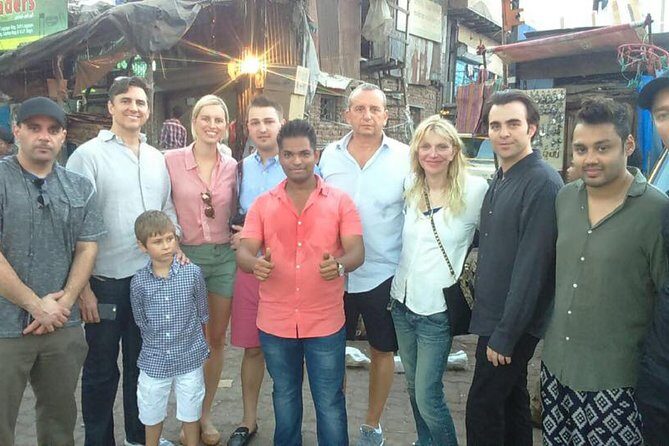
At about $8 per person, this is one of the cheaper options for a guided Mumbai experience that includes transport and entry coverage. The big question is always: what’s included for that price?
Here’s what you get:
- English-language local guide
- All places entry fees
- Hotel or port pick up and drop off (when your option includes it)
- Bottled water
- Air-conditioned vehicle and private transportation
And what you don’t get:
- Meals
- Drinks
So the value is in the guide time and the setup. You’re not just paying for someone to point; you’re paying for interpretation—especially important in a place where the “why” behind what you see can be easy to miss. Also, the air-conditioned vehicle helps you arrive and depart without turning the whole day into a sweaty transit marathon.
One practical reality: because meals and drinks aren’t included, plan your timing around lunch or bring your own water snacks if you need them. (You’ll already have bottled water, but don’t count on it being enough to replace a meal.)
Where the Tour Starts and How the Timing Works
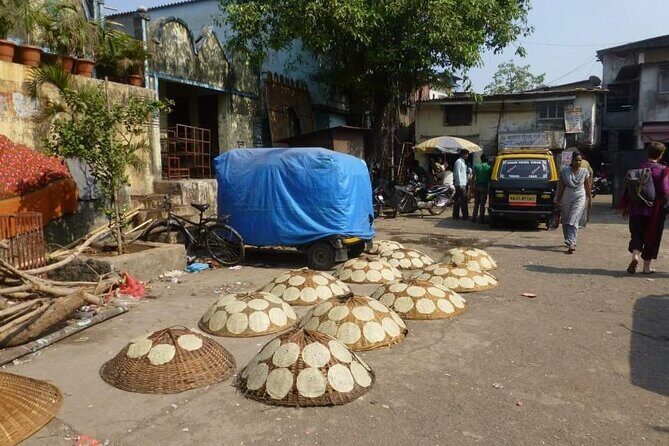
Timing is flexible here. The tour duration is listed as 2 to 7 hours, depending on the option you choose. The core walk is positioned as about two hours, which usually makes sense because you’ll be moving through narrow areas on foot and listening closely to explanations.
Meeting point details can vary, but Mahim Railway Station is specifically mentioned as a key start point. If you pick a version with pickup, it’s optional and you’re typically asked to wait in the hotel lobby 10 minutes before the scheduled start time.
Two things to keep in mind:
- Don’t assume the meeting point is your hotel lobby unless your option clearly includes pickup.
- Since the route is walking-heavy, you’ll want to treat the start time as real—arrive a few minutes early so you don’t rush through the first explanations.
If you’re building a day itinerary in Mumbai, this duration range gives you options. The shorter version is ideal if you want the main story without stacking too many activities. The longer versions might suit if you prefer more time for questions and slower pacing.
The Two-Hour Walk Through Dharavi: What You’ll Notice

This is a guided walking experience through Dharavi, designed to show you daily life and small industries in an area that often gets described in one-note terms. The tour emphasizes the “city within a city” idea, and you’ll feel that as soon as you start moving: movement is constant, work is visible, and people are busy doing specific tasks.
What’s likely to stand out:
- Specialized small-scale production in compact spaces
- The way goods are assembled and prepared for distribution
- How recycling connects to finished products
The operator’s description highlights several sectors you may see mentioned during the route:
- Plastic recycling
- Leather goods
- Ceramics
- Embroidered garments
- Plus related trades tied to the recycling supply chain
You’re also guided to look for resilience in a grounded way. That doesn’t mean ignoring hardship. It means focusing on systems—how people organize work, reuse materials, and turn labor into output. It’s a different kind of sightseeing. Less postcard. More human economy.
And the guide’s role matters here. A strong local explanation helps you connect what you see (workshops, materials, steps in production) to what it means (jobs, exports, ongoing demand). In the feedback you’ll see names like Ruqaiyya and Neha associated with especially clear, friendly guidance, and that matches the tour’s intent: make the place understandable without turning it into a lecture.
The Recycling Yard Visit (13th Compound) and Why It Matters
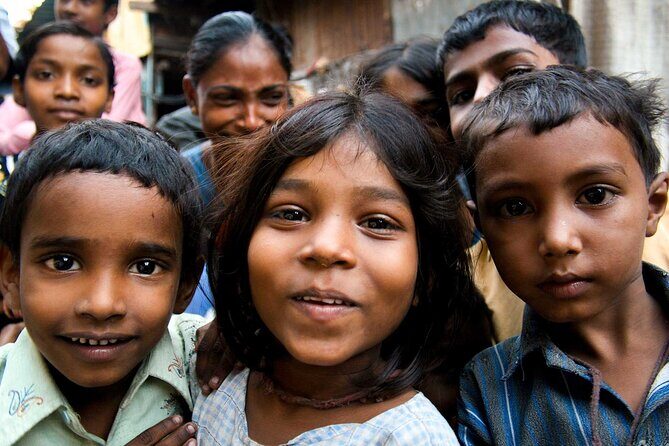
One of the most specific and memorable parts of the Dharavi experience is the visit connected to the Plastic and Metal Recycling yard in the thirteenth compound. This is where the tour’s promise becomes concrete.
Here’s what the description says you’ll see:
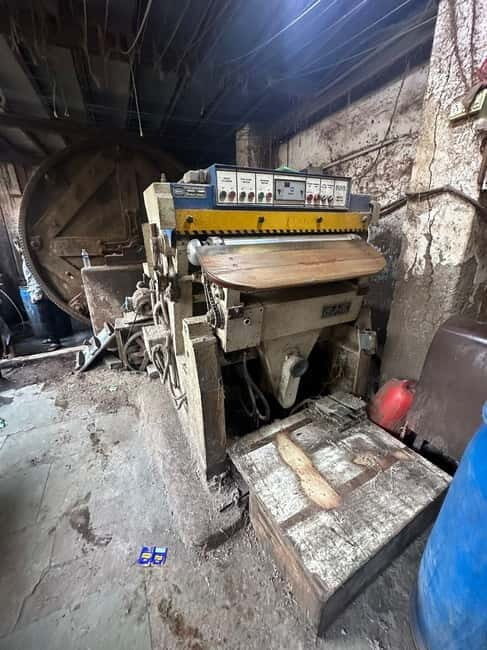
- An active process where plastic is melted and molded
- Work that results in items like buttons for well-known brands, including Barbie Dolls in India
That detail is important. It explains why recycling isn’t a side activity. It’s industrial. It’s skilled. It’s connected to brand supply chains. When you hear that, Dharavi stops sounding like a dead-end story and starts sounding like an economy.
You should also expect that the environment can feel intense—not because it’s designed to shock, but because it’s a working area. You’ll be close to production steps, and the focus is on what’s happening rather than on comfort or staging. If you’re sensitive to industrial sights or smells, this is the part you’ll want to mentally prepare for.
Also, because the route is a walk through real community spaces, respectful behavior is part of the deal. Follow the local guidance from your driver/guide, don’t wander, and keep your attention on the conversation.





Drop-Off Stops: Third Wave Coffee and Dhobi Ghat
At the end of the walk, the tour lists three drop-off locations, and what you get depends on the option you selected:
- Third Wave Coffee, Mumbai
- Dhobi Ghat
This matters for planning. Coffee is a straightforward reset point—helpful if you want a calm place to sit after the walk. Dhobi Ghat is mentioned as a named drop-off area, so it’s likely a good starting point for anyone who wants to continue exploring the neighborhood on foot or by short transit.
Because your exact drop-off can vary, I’d plan for the end of the tour as a “choose-your-next-stop” moment rather than a tightly timed appointment.
If you’re trying to fit Dharavi into a broader Mumbai tour & travels in mumbai day, knowing your endpoint helps. You don’t want to accidentally schedule something that assumes you’ll return exactly where you started.
Guides Make or Break It: Ruqaiyya, Neha, and Clear Explanations
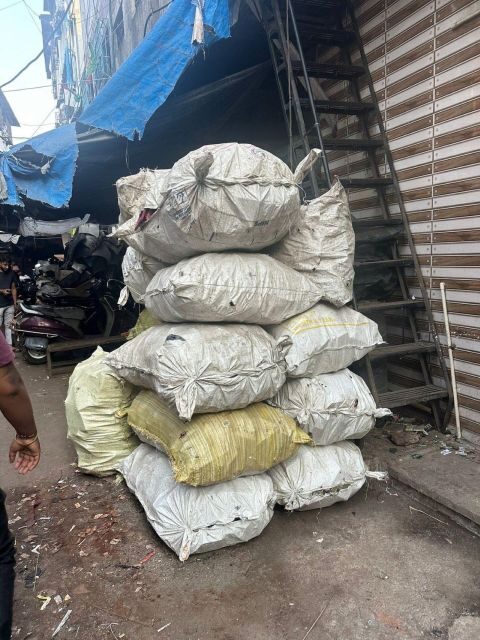
In a tour like this, the guide isn’t just a translator. They’re the bridge between your outsider questions and the community’s reality. The info shared about the tour highlights English, Hindi, and Marathi live guidance, which is a big deal if you want to ask follow-ups instead of just nodding along.
The guide names associated with top praise include:
- Ruqaiyya (high marks for depth of knowledge, clarity, and a friendly presence)
- Neha (noted for showing multiple places and explaining daily life clearly)
The pattern across the feedback is consistent: guides who speak clearly, stay responsive to questions, and explain both industry and daily routines in a way you can actually understand without a background in Mumbai’s local economy.
So if you’re deciding between similar Mumbai tours packages options, this is a good place to be picky. Ask yourself what you want most. If you want understanding, a guide-focused tour like this is a smart choice.
Practical Tips: Shoes, Comfort Level, and Simple Rules
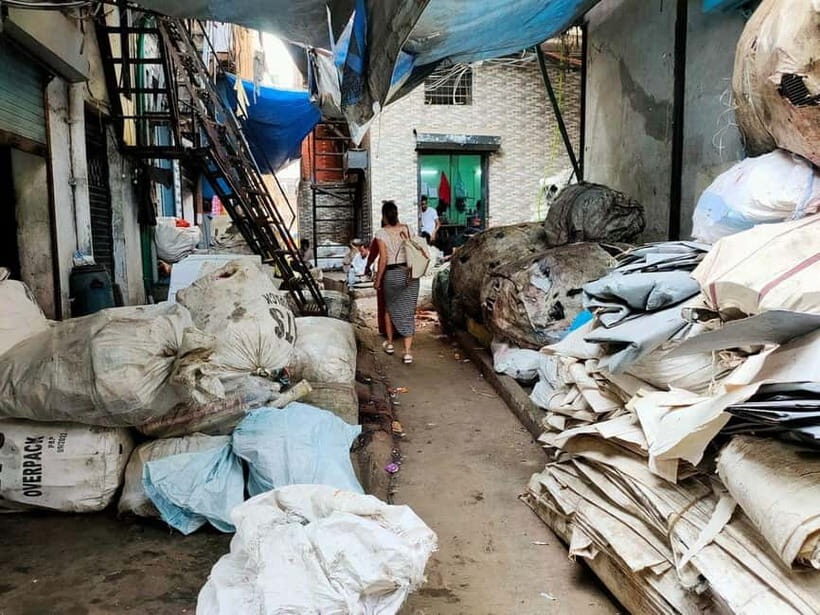
You don’t need special gear, but you do need to be ready for the walking part.
Bring:
- Comfortable shoes
The tour’s basic rules also include:
- No alcohol and drugs
- No nudity
Those rules are standard for community tours, but they also signal something: the tour is meant to be respectful and practical, not chaotic.
Comfort tips that will help you enjoy the experience more:
- Wear shoes you can walk in for a couple of hours on uneven surfaces.
- Keep your phone use respectful—focus on the guide’s explanations first.
- Dress for movement and heat, since the walking parts won’t feel like an indoor museum.
One more small note: because the guide is doing real interpretation, arrive early if you can. Starting calm means you catch more details, especially during the recycling yard portion.
Should You Book This Dharavi Slum Tour?
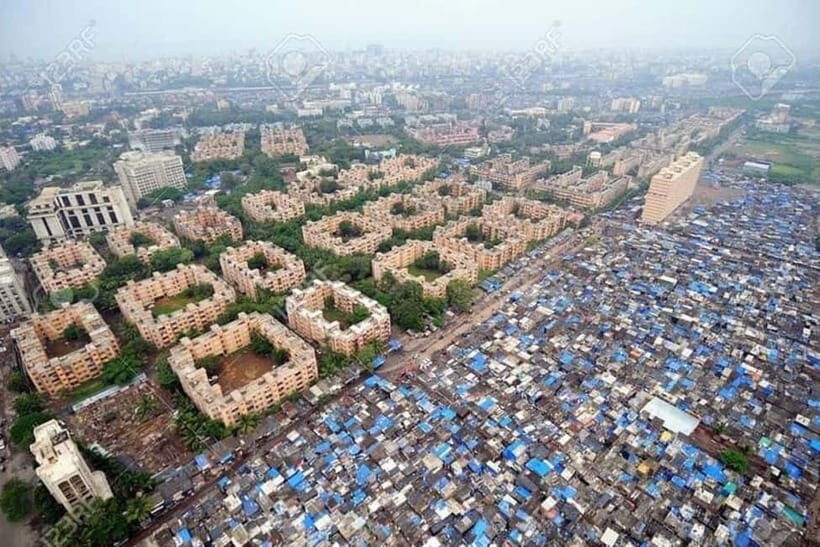
If you want to see Mumbai beyond the usual monuments, I think this is a strong pick. The reason is simple: for the cost, you get a structured guided experience with transport and bottled water, plus a focused narrative on recycling and local production. It’s not a thrill ride. It’s an education in how an actual community runs.
Book it if:
- You’re interested in how the recycling economy connects to finished goods and jobs
- You prefer guided context over independent wandering
- You want a tour that aims to correct stereotypes with real, on-the-ground explanations
Skip or reconsider if:
- You’re uncomfortable with industrial-looking working areas and close, busy environments
- You’re expecting a polished, staged experience rather than a real neighborhood walk
- You’d rather do a short, low-effort activity—this is designed for walking and listening
For most people looking for an affordable, meaningful Mumbai Dharavi tour, this is a solid value play.
FAQ
How much does the Dharavi Slum Tour cost?
The tour is listed at $8 per person.
How long is the tour?
Duration is listed as 2 to 7 hours, with the walking tour described as about 2 hours.
Where does the tour start?
A common starting point mentioned is Mahim Railway Station, but the meeting point may vary depending on the option booked.
Does the tour include hotel pickup and drop-off?
Pickup is listed as optional. If your option includes it, you’ll have hotel/port pick up and drop off as part of the inclusions.
What’s included in the price?
Inclusions include all places entry fees, an English language local guide, bottled water, and air-conditioned vehicle/private transportation (plus pickup/drop-off when selected).
Are meals and drinks included?
No. Meals and drinks are not included.
What languages are the guides?
The live tour guide is available in English, Hindi, and Marathi.
What should I bring, and what’s not allowed?
Bring comfortable shoes. The tour notes no alcohol and drugs and no nudity.
Is there free cancellation?
Yes. Free cancellation is available up to 24 hours in advance for a full refund.