REVIEW · NEW DELHI
Himalayas: 15 Days Motorbike Tour To North India
Book on Viator →Operated by Motorbike Expeditions Ltd · Bookable on Viator
You ride where maps stop being polite. This 15-day motorbike route strings together Himachal and Ladakh passes, plus big-altitude lakes like Pangong, and even the go-for-it push toward Umling La. It is built for riders who want more than photos. Expect long road days, real mountain remoteness, and a team that plans for breakdowns and altitude.
I like two things a lot. First, you get a Royal Enfield Himalayan 411cc with a mechanic on the trip, plus helmets and parking covered. Second, the tour includes an oxygen cylinder and first-aid support, which matters when you are stacking altitude day after day.
One consideration: this route is genuinely rough and cold at elevation, and you are responsible for your personal riding gear. If you show up unprepared for cold hands, high-altitude fatigue, and slow-speed Indian traffic, the trip will feel harder than it needs to.
In This Review
- Key highlights
- Entering The Route: From Delhi to Manali on a Sleeping Bus
- Manali to Kalpa via Jalori Pass: A Foresty Change of Pace
- Himachal to Spiti: Sutlej and the Permit Check at Spello
- Nako to Kaza via Hikkim, Ki Monastery, and Dhankar: Cold-Desert Culture on Two Wheels
- The Big Transition: Rohtang Pass, Keylong, and Jispa
- Jispa to Sarchu: Pagal Nala, Zingzing Bar, and Baralacha La
- Leh and the Acclimatization Buffer: Sightseeing with a Purpose
- Pangong Lake Day: A Movie-Spot Stop with Low-Service Reality
- The Umling La Day: How the Tour Uses Choice to Protect You
- Your Free-Ride Day Toward Leh: How to Keep It Fun, Not Risky
- Price and Value: What About $4,132 Actually Covers
- Who This Tour Is Best For (and Who Should Reconsider)
- Should You Book This Himalayas Motorbike Expedition?
- FAQ
- What bike is provided on this tour?
- Do I need to bring a helmet?
- Is there support if my bike has a problem?
- What happens if I do not feel well on the Umling La day?
- Are meals included?
- Are permits included?
- Is insurance included?
- Is there a security deposit?
- What if the tour is canceled due to weather or not enough travelers?
Key highlights
- Royal Enfield Himalayan 411cc plus mechanic support so you ride instead of worrying
- Backup vehicle for luggage and an off-bike option on the highest pass day
- Big-altitude itinerary with Umling La, Chang La, Tanglang La, and Pangong Lake
- Spiti Valley culture stops like Dhankar Gompa, Ki Monastery, and Kaza monasteries
- Meals and permits handled (environmental and permit fees are included)
Entering The Route: From Delhi to Manali on a Sleeping Bus
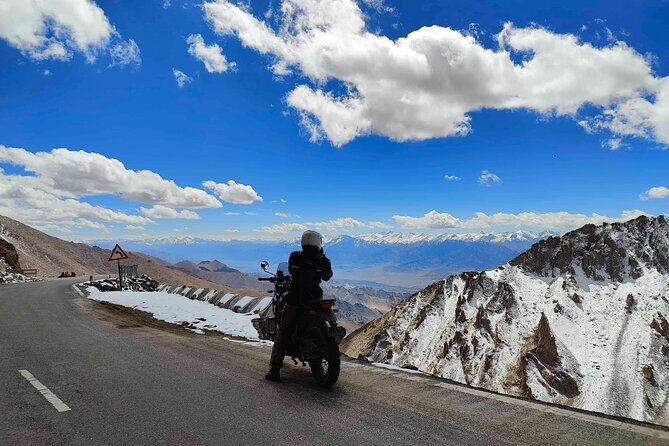
Your trip starts in Delhi at Majnu-ka-tilla, New Aruna Nagar, then you head out by Volvo bus toward Manali. The key detail here is the overnight ride. It is not glamorous, but it does what it should do: it gets you into the mountains fast without wasting a day on travel.
Once you reach Manali, you get a classic “get your bearings” day. Your guide meets you at the bus stand, you settle into the hotel, then you get your bikes. After that, the plan is simple and smart: local sightseeing around Manali while you learn how the roads feel and how your bike handles at altitude. It’s the kind of warm-up that helps if you are coming in with little India-traffic experience. One rider’s memory of their first international moto trip was that instruction in Indian riding rhythms became easier after the first few days, and that tracks with how this tour is paced.
That first night ends with dinner and a bonfire. It’s also a good time to talk shop with your group of up to 12 riders, compare riding comfort, and ask practical questions about cold weather and road conditions.
You can also read our reviews of more tours and experiences in New Delhi.


Manali to Kalpa via Jalori Pass: A Foresty Change of Pace
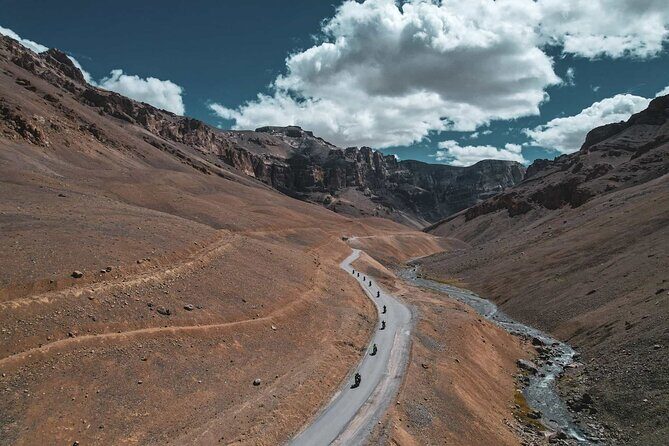
This is where the trip starts looking like a proper Himalayan ride day. You leave the Manali area and head toward Kalpa, with Jalori Pass as a highlight. What makes Jalori worth noticing is the contrast: this pass is described as having lush greenery and dense forests, unlike many high passes that are bleak and exposed.
On the road, expect a mix. About half is narrower with more careful navigation, and the rest is smoother so you can settle into a rhythm. The route is still active and twisty, not a highway cruise. When you come down toward Kalpa, the weather warms, and you get big views toward the Kinnaur Kailash range.
Why this matters for you: Kalpa is scenic, but it also gives your body a gradual ramp up after the Manali intro. It’s a good day to practice steady braking, smooth cornering, and not over-fighting the bike on uneven edges.
Potential snag: narrow roads can feel intense if you do not have a comfortable low-speed technique yet. Take it slow. You will get plenty of adrenaline later.
Himachal to Spiti: Sutlej and the Permit Check at Spello
Next comes a shift from greener zones into the harsher “high desert” feel. You ride along the Sutlej river area, and the day includes a stop at Spello where police check riding permits.
That permit check is not just paperwork. In practical terms, it’s part of how these routes stay lawful and organized, and it helps your team run on schedule. It also means you should keep your documents and small essentials easy to grab.
You continue toward Khab, where the two rivers of Sutlej and Spiti meet, then ride up to Nako, a quieter hamlet at about 3,660 m altitude. You spend the night in Nako for acclimatization. That overnight stop is key. You do not jump straight into the highest stuff; you let your breathing catch up.
Why I like the way this day is handled: the ride builds anticipation. You go from river travel to barren air, and then you get a full acclimatization night before more remote villages.
Nako to Kaza via Hikkim, Ki Monastery, and Dhankar: Cold-Desert Culture on Two Wheels
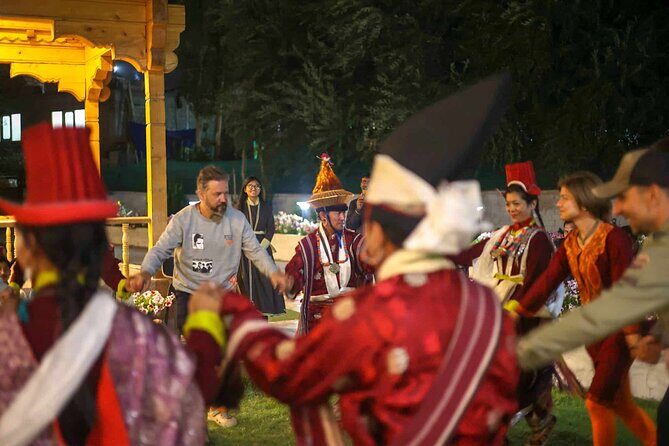
Spiti Valley is one of the most rewarding parts of this itinerary because it mixes riding with monasteries and villages that feel far from the usual tour circuit.
From Nako, you head toward Hikkim, famous for a very high post office. This is one of those “small but memorable” experiences. You can even send a post to relatives and loved ones so you have a physical souvenir from altitude.
After that, the day includes Ki Monastery (noted as the largest monastery in Spiti Valley) and then continuing to Komic before returning toward Kaza.
The following day you go from Nako to Kaza via Dhankar. Dhankar Gompa is described as a small village with a Buddhist monastery and a fort-like area dating back to the 12th century. You then reach Kaza around 3,600 m, and you explore the Sakya Tangyud Monastery and enjoy local food.
Practical value for you:
- Spiti is remote and cold, so this is where your team’s pacing matters.
- Monastery stops give you a mental break from riding strain without letting the day become a sightseeing sprint.
A note for comfort: at these altitudes, energy drains faster than you expect. Short walks and slow photo stops are fine, but avoid acting like you are in a city.
The Big Transition: Rohtang Pass, Keylong, and Jispa
After the Spiti days, the tour pushes back into Ladakh-direction riding with a route that goes through Rohtang Pass and up toward Keylong and Jispa.
This is a day where the scenery changes quickly as elevation rises. Trees disappear, green spaces give way to colder high terrain, and you can see snow-capped mountains. The plan also includes passing through areas with huge snow walls, which is the kind of detail that makes these roads feel dramatic even before you notice the actual altitude.
By evening, you check into your hotel in Jispa, refuel with a traditional dinner, and sleep early.
Why you’ll feel this day later: your legs and hands take a hit from sustained riding and braking. Getting a solid night helps you handle the road conditions coming up.
Jispa to Sarchu: Pagal Nala, Zingzing Bar, and Baralacha La
This segment is about rough roads, cold air, and the big-pass energy.
You ride from Jispa toward Sarchu, and along the way you cross Pagal Nala at Zingzing Bar, which is described as having terrible road conditions. Then you cross Baralacha-la Pass (around 16,040 ft), where fresh snowfall is possible if you are lucky.
If you want a safety-minded reason to choose a tour with strong support: your operator states that guides are present 24/7 with help if you run into trouble. With remote roads, that reassurance matters even if you never need it.
After reaching Sarchu, you can take a hot water shower and eat. Sarchu is not about luxury. It is about reset time before the next altitude push.
Leh and the Acclimatization Buffer: Sightseeing with a Purpose
You then roll into Leh, and the itinerary makes room for acclimatization. Leh is also where the trip becomes more “you can breathe and look around” for a moment.
The plan includes sightseeing highlights such as Magnetic Hill, Pathar Sahib Gurudwara, Shanti Stupa, and Leh Palace. You also get time to explore the local market in the evening and buy souvenirs.
This matters because Leh is not just a stop on the map. It’s a buffer point where you can stay alert to symptoms and prevent altitude from turning a good plan into a difficult one.
Tip: if you feel even slightly off, use that market time to rest. Do not try to “power through” because the views look good.
Pangong Lake Day: A Movie-Spot Stop with Low-Service Reality
Next is Pangong Lake, with the note that the movie 3 Idiots shot scenes here. The tour handles this transfer by SUV/traveler as described.
This is a good day to go from high-ride fatigue into an easier pacing. But it still comes with the reality of a remote lake environment. Expect limited services compared with city standards, so bring patience and keep your schedule flexible.
Photo strategy: do the classic scenic photos early and then spend time just watching the light change. Pangong reads differently across the day.
The Umling La Day: How the Tour Uses Choice to Protect You
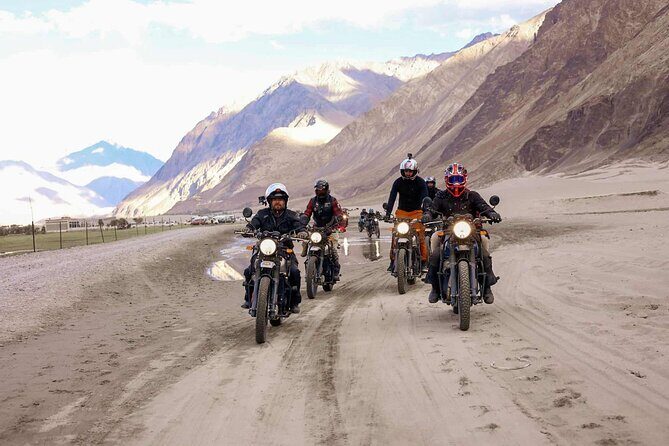
This is the day that earns the tour its legend.
You start early toward Umling La (the info here lists it at 19,024 ft / 5,883 m in the route notes), and the plan is intentionally fast-paced. You do not expect long breaks. The guide checks if you are ready to ride to Umling La. If you do not feel well, you can leave the bike and join the backup vehicle to still enjoy the viewpoint and sunset, returning to Hanle.
That decision point is the most responsible high-altitude detail in the whole schedule. You are not forced to “send it” regardless of how you feel. Your body gets respected.
Why you will appreciate this: at high passes, dehydration and altitude sickness can sneak up. Giving yourself an off-bike option is smart travel, not weakness.
Your Free-Ride Day Toward Leh: How to Keep It Fun, Not Risky
The next day is described as your time to ride as you wish, with roads noted as well-maintained. Still, the guidance stays practical: watch out for potential accidents and be cautious of Indian drivers.
This free-ride format can be great because it breaks the “every day is a schedule” feeling. It’s also where you can overestimate yourself, especially if you have had an easier acclimatization run.
Simple rules that keep the day enjoyable:
- Keep extra spacing. Indian traffic patterns can change fast.
- Don’t chase other bikes if they are riding differently.
- Stop early if you start feeling slow or dizzy. Altitude and fatigue add up.
That evening, you relax, enjoy a beer, and reflect on the full ride.
Price and Value: What About $4,132 Actually Covers
The listed price is $4,132.33 per person, and what makes it feel like value is the support package. You are not just paying for a route; you are paying for the machine and the safety scaffolding around it.
Included items that reduce your personal risk:
- Royal Enfield Himalayan 411cc
- Helmet
- One motorbike mechanic
- One backup vehicle to carry luggage
- Environmental & permit fees
- First aid box and oxygen cylinder
- Parking fees
- Meals: breakfast (13), lunch (10), dinner (14)
Not included, so budget ahead:
- GST
- No insurance for medical, accidental, or theft
- Security deposit of £140 per motorbike, refundable
- Riding gear for the rider is not included (hire options exist)
- Any extra accommodation/food if delays happen
- Flights or rail unless they are specifically included
Value check you can do quickly: high-pass permits, oxygen/first-aid provisions, a mechanic, and the backup luggage vehicle are not cheap in remote terrain. If you ever priced a similar self-organized ride, you’d find out fast.
Who This Tour Is Best For (and Who Should Reconsider)
This works best if you:
- want a serious motorcycle route, not a relaxed cruise
- are comfortable on winding roads and uneven conditions
- like the mix of riding and cultural stops in places like Spiti
- can handle cold nights and long days without needing constant comfort
It might be a tougher match if you:
- need lots of hand-holding every day
- cannot ride in slow, real traffic at least sometimes
- want the trip to be mostly “easy roads and constant luxury”
A final comfort note: the tour has a max group size of 12, which usually means more breathing room and quicker support if something goes wrong.
Should You Book This Himalayas Motorbike Expedition?
I would book this if you want the Himalayas by bike the way it feels on the ground: passes that demand attention, lakes that reward you for the effort, and a team that plans for mechanical issues and altitude decisions.
I’d hesitate if you are going to rely on riding gear being provided, or if you have not trained for cold-weather riding. The tour includes some serious safety basics, but it does not include insurance, and it does not include rider gear.
If you are willing to prepare, ride smart, and accept that some days are long and cold, this feels like a real “one trip you remember” route.
FAQ
What bike is provided on this tour?
You ride a Royal Enfield Himalayan 411cc. A motorbike mechanic is included as well.
Do I need to bring a helmet?
Helmet is included.
Is there support if my bike has a problem?
Yes. There is one motorbike mechanic included, plus an included backup vehicle that can help carry luggage and support during the trip.
What happens if I do not feel well on the Umling La day?
Your guide assesses readiness. If you do not feel well, you can choose not to ride all the way and instead join the backup vehicle while still being able to enjoy the viewpoint area and sunset.
Are meals included?
Yes. Dinner is included 14 times, lunch 10 times, and breakfast 13 times.
Are permits included?
Environmental and permit fees are included, and the route includes a police riding permit check at Spello.
Is insurance included?
No. Any medical, accidental, or theft insurance is not included.
Is there a security deposit?
Yes. A refundable security deposit of £140 per motorbike is required.
What if the tour is canceled due to weather or not enough travelers?
The experience requires good weather. If it is canceled due to poor weather, you will be offered a different date or a full refund. It also requires a minimum number of travelers; if not met, you’ll get a different date/experience or a full refund.