REVIEW · BANGALORE
Bangalore: Walk in Historic Ulsoor – Landmarks, Bazaar & Culture
Book on Viator →Operated by Hidden Gems Tours · Bookable on Viator
Ulsoor packs old Bangalore into two hours. This walk strings together Sri Aurobindo Society, Someshwara Swamy Temple, Ulsoor Bazaar, a major Gurudwara, and CSI Holy Trinity Church, with an English-speaking guide making the stories click. You’ll also get that rare mix of religion, architecture, and everyday bazaar life in one compact route around Ulsoor.
I love that entrance fees are included for every stop, so you don’t burn time tracking entry lines or paying at the gate. I also like the practical touch of light snacks—useful when your schedule is tight and you’ll still want energy for market wandering.
One thing to consider: this is a 5:00 pm start and the tour needs good weather, so if Bangalore is throwing rain, you may need to flex your day.
In This Review
- Key highlights you’ll actually feel on the ground
- Why an Ulsoor Heritage Walk Fits Bangalore’s Busy Schedule
- Starting at Sri Aurobindo Society and Looking Over Ulsoor Lake
- Someshwara Swamy Temple: Chola Roots Meets Vijayanagara Add-ons
- Ulsoor Bazaar Streets, Snacks, and the Everyday Side of Bangalore
- Gurudwara Visit: Marble, Golden Details, and Simple Etiquette
- CSI Holy Trinity Church and Colonial Memory in Halasuru
- Pacing, Group Size, and What You’ll Actually Get for $34
- Who This Bangalore Walk in Historic Ulsoor Is Best For
- Should You Book the Bangalore Walk in Historic Ulsoor?
- FAQ
- How long is the Walk in Historic Ulsoor tour?
- What time does the tour start?
- Where does the tour begin and end?
- Are entrance fees included?
- Are snacks provided?
- What should I wear or bring?
- What if it rains or weather is poor?
- How big is the group?
Key highlights you’ll actually feel on the ground
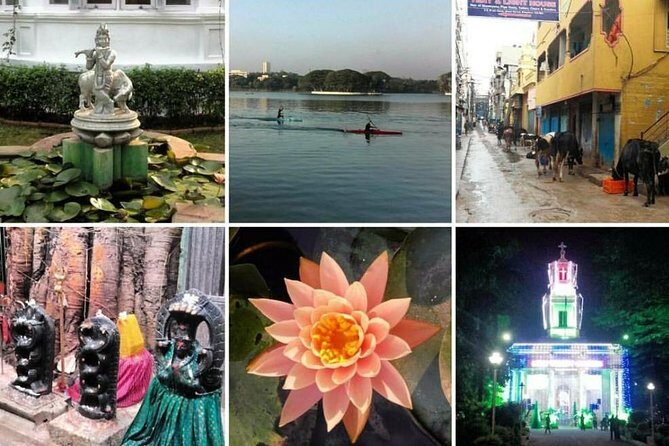
- A 2-hour heritage walk with plenty of stops keeps the pace relaxed but never aimless
- Entrances are covered at the temples/churches so the experience stays smooth
- Ulsoor Bazaar is the culture hit—textiles, jewelry, spices, and everyday shopping rhythm
- Gurudwara etiquette is part of the visit (scarf for women, footwear rules), done respectfully
- Guides like Praveen and Ramesh are known for clear storytelling and adapting when conditions change
Why an Ulsoor Heritage Walk Fits Bangalore’s Busy Schedule
If you only have a little time in Bangalore, you want your day to make sense. This walking tour is built for that: about two hours, easy walking, and lots of short stops so you get the “old Bangalore” feeling without hiking across the whole city.
The meeting point is near Sri Aurobindo Society (Lake, Annaswamy Mudaliar Rd area, Halasuru) and the route ends at Someshwara Swamy Temple in Halasuru. That matters because you can plan dinner nearby and not lose half your time to repositioning.
This is also sized for comfort. The group cap is 8 travelers per booking, which is why the guide can actually talk through details instead of turning it into a point-and-photo parade. It’s a great fit if you want normal street life plus meaningful landmarks, not just a list of buildings.
You can also read our reviews of more walking tours in Bangalore

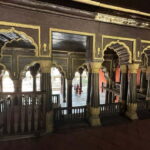

Starting at Sri Aurobindo Society and Looking Over Ulsoor Lake
You begin at Sri Aurobindo Society, at the Sri Aurobindo Bhavan overlooking Ulsoor Lake. Even before the main temples show up, the stop sets the tone: you’re not just looking at objects, you’re learning how Bangalore layers influences.
The building architecture here is described as blending vernacular and colonial influences—so you get a sense of how styles traveled and changed over time. You’ll have about 30 minutes at this stop with admission included, which gives you enough time to take in the form of the place rather than rushing through it as a quick photo stop.
Why I like this start: it helps you understand the area’s “why” before the tour shifts into religious monuments and the bazaar. When you later see Chola-era temple features and colonial-era church memorials, you’ll recognize the pattern—Bangalore building continuity with change.
Practical tip: since the tour includes a few places where you remove footwear, having extra socks can save you from end-of-tour discomfort. Dress matters here too—men should cover legs and shoulders, and women are advised to dress modestly.
Someshwara Swamy Temple: Chola Roots Meets Vijayanagara Add-ons
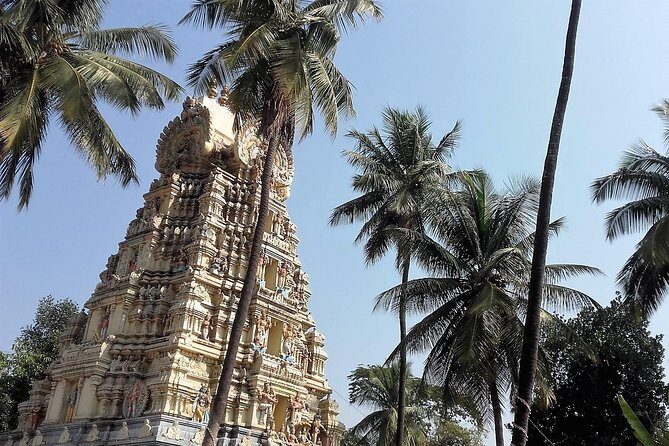
Next up is Someshwara Swamy Temple in Halasuru (Halasuru/Someshwarpura area). This is one of Bangalore’s oldest and most revered temples, with roots reaching back nearly 1,000 years to the Chola dynasty. Later, Vijayanagara-era additions from around the 16th century helped shape what you see today.
This stop is only around 20 minutes, but don’t treat it like a quick peek. Temples like this reward short, focused attention—details matter, and a good guide helps you connect the dots between older layers and later additions.
What makes this stop valuable isn’t only the age. It’s the way the temple becomes a living center for the area. You’re learning about architecture and timeline, but you’re also seeing how faith stays present in everyday life—right alongside traffic, neighbors, and market routes.
Etiquette-wise, plan to follow footwear rules. The tour description notes you’ll remove footwear at a few sites, which means you’ll want to move smoothly between sacred and street spaces without feeling rushed.
Ulsoor Bazaar Streets, Snacks, and the Everyday Side of Bangalore
This is where the tour stops feeling like “tourist history” and starts feeling like Bangalore as a working city. The walk through Ulsoor Bazaar is described as a trade hub for generations, with shops packed with colorful textiles, jewelry, and fragrant spices, plus fresh produce stalls.
You get a real sense of how people shop, chat, and compare options. Even if you don’t buy anything, you’ll learn how the street organizes daily life—what’s sold, what’s near each other, and how the market supports the surrounding neighborhoods.
There’s also a sensory payoff that shows up in the tour experience. One standout detail from the broader experience is that you may catch a flower market moment—the kind of place that looks chaotic from far away but feels alive when you’re close to it. It’s the sort of stop that gives you pictures and also gives you a memory of smells and color.
And yes, light snacks are included. That’s not a minor perk on a walking tour. It helps you keep your energy steady for temples, church interiors, and the last stretch through the bazaar streets—especially on an afternoon when you might otherwise be hungry and irritated.
If you have a strict schedule, this market segment is also your best chance to buy small, practical souvenirs—things like spices or textile items—without making a separate trip.
Gurudwara Visit: Marble, Golden Details, and Simple Etiquette
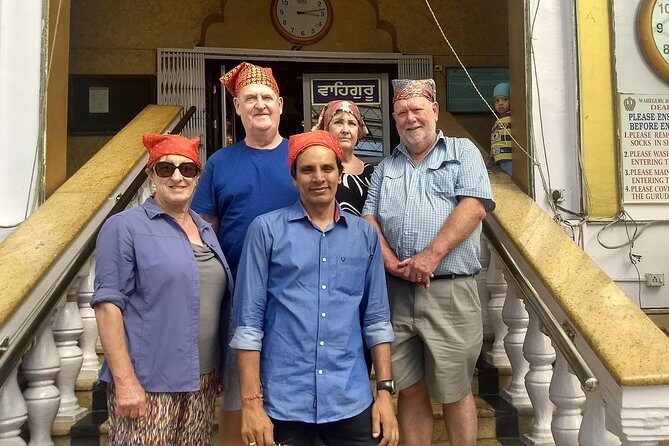
Then you shift from Hindu temples to a Sikh place of worship: a Gurudwara, one of Bangalore’s largest and most prominent. It was built in the 1940s, and the building is known for its white-marble look and traditional Sikh architecture elements, including a golden feature.
The tour time here is about 20 minutes, and it’s another stop where you’ll learn more than just exterior facts. Sikh worship spaces have specific guest expectations, and this tour explicitly sets you up for the rules.
Here’s the practical part you should read twice:
- A scarf is required for ladies while visiting the Sikh place of worship.
- The tour notes footwear is removed at a few places, so bring extra socks if you want comfort.
- Women should dress modestly, and men should keep shoulders and legs covered.
This stop works well for first-time visitors because it shows how Bangalore’s religious landscape isn’t one-note. You’ll see different architectural languages and different ways people mark sacred space, all within a short walk.
Also, this is where a great guide earns their keep. In the better experiences, guides like Praveen are praised for making history understandable—so you’re not just reading signs, you’re getting the meaning behind what you’re seeing.
You can also read our reviews of more historical tours in Bangalore





CSI Holy Trinity Church and Colonial Memory in Halasuru
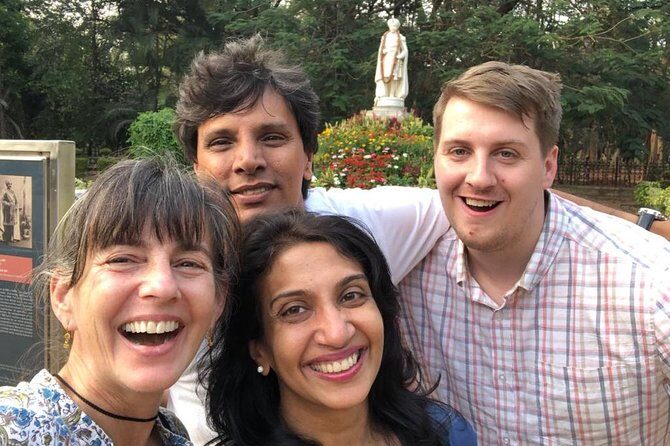
After the Gurudwara, the route continues to CSI Holy Trinity Church, built in 1851. This church is tied to Bangalore’s colonial past, and the focus of the stop is what’s inside: historical memorials, including plaques, inscriptions, and statues dedicated to British officers, soldiers, and missionaries who lived in the area.
This isn’t a stop about religious doctrine. It’s about how communities remember people through stone, metal, and text—and how those memorials fit into the wider story of the city. The time here is about 20 minutes, with admission included.
Why this church matters in a tour like this: it completes the triangle of faith that the route covers—Hinduism, Sikhism, and Christianity—while also showing a different kind of “history architecture.” Temples tell one story. Churches tell another. The bazaar tells the day-to-day story. Put together, you get a fuller picture of the neighborhood.
If you care about architecture, pay attention to memorial design and how the church’s interior holds onto names and dates. It’s the kind of detail that makes your photos more meaningful than just a nice building shot.
Pacing, Group Size, and What You’ll Actually Get for $34
Let’s talk value, because $34.04 per person sounds like a lot until you count what’s included. This tour includes:
- Entry fees at all monuments
- An English-speaking heritage expert
- Light snacks
- A group limit of 8
That matters. Many “free-walking” tours quietly charge entry somewhere along the way. Here, you’re already covered for the main access costs, which makes budgeting easier if you’re juggling other Bangalore plans.
The timing also helps value. A start time at 5:00 pm lets you catch softer light and cooler walking conditions compared to mid-day heat. You’ll still want to check the weather, since the tour description says it requires good weather.
Pace is another practical advantage. The walk is described as easy with plenty of stops, making it a good option for a range of fitness levels. It’s not presented as a long distance trek, and the short stop lengths mean you can pause often without feeling like you’re waiting for something to happen.
From the guide perspective, experiences tied to Praveen and Ramesh highlight something important: the best versions of this tour aren’t just “facts.” They’re guided by people who explain the city’s changes clearly—and who can adjust when conditions get tough. One account notes a guide extending the trip after being stuck in monsoon conditions, which is a strong signal that the operator tries to keep your time meaningful when reality interferes.
Who This Bangalore Walk in Historic Ulsoor Is Best For
This tour is best if you want a concentrated hit of local heritage plus real street life. It’s ideal for visitors with little time, and it also works if you like your sightseeing with context: religion, architecture, and the bazaar in one route.
You’ll enjoy it most if:
- You want old Bangalore feel rather than only big-city landmarks
- You’re comfortable walking a few stops over about two hours
- You’re open to learning etiquette (scarf for ladies at the Gurudwara, covering shoulders/legs, footwear rules)
You might rethink it if:
- You hate weather-dependent plans. Since the tour requires good weather, you’ll want a flexible evening or a plan B.
- You prefer long, silent museum time. The pace here is guided and stop-based, not a slow self-guided wander.
If you’re traveling solo, this group size also tends to feel personal. And if you’re traveling as a couple or small group, it’s an efficient way to experience multiple neighborhood anchors—without building a DIY route across the city.
Should You Book the Bangalore Walk in Historic Ulsoor?
I’d book this if your goal is to understand Bangalore as a layered city. The route ties together Sri Aurobindo Society, Someshwara Swamy Temple, Ulsoor Bazaar, a major Gurudwara, and CSI Holy Trinity Church—then stitches it all together with an English heritage guide and included entry fees.
It’s especially strong as an intro day: you leave with your bearings and a sense of what the Ulsoor area is about beyond one landmark. The snacks and the manageable timing help you keep the whole experience comfortable, not rushed.
My main caution is simple: treat this as a weather-friendly walking plan. If the forecast looks sketchy, consider booking an extra buffer day in Bangalore so you can reschedule without stress.
FAQ
How long is the Walk in Historic Ulsoor tour?
It runs for about 2 hours.
What time does the tour start?
The start time is 5:00 pm.
Where does the tour begin and end?
It begins at Sri Aurobindo Society on Annaswamy Mudaliar Rd area in Halasuru. It ends at Someshwara Swamy Temple, Halasuru.
Are entrance fees included?
Yes. Entry fees at all monuments are included.
Are snacks provided?
Light snacks are included.
What should I wear or bring?
Men should cover legs and shoulders. Women are advised to dress modestly, and a scarf is required for ladies while visiting the Sikh place of worship. Since footwear is removed at a few places, extra socks may come in handy.
What if it rains or weather is poor?
The tour requires good weather. If it’s canceled due to poor weather, you’ll be offered a different date or a full refund.
How big is the group?
The tour has a maximum of 8 travelers per booking.