REVIEW · MUMBAI
Dharavi- Asia’s largest Slum tour with local guide from Dharavi
Book on Viator →Operated by No Footprints · Bookable on Viator
Slum tours can shock, but this one explains. You get a guided walk through Dharavi, where thousands of residents build livelihoods via small industries, from leather work to pottery, in tight lanes that feel very real.
I especially like the way your local guide makes the place make sense. You’re not just looking at buildings. You’re hearing how daily work, community rules, and local business all tie together. I also like the private, flexible format, and you may even get a guide known for personal storytelling, like Farzan, Kashif, Mujaffar, or Ahad, based on who’s assigned that day.
One thing to consider: this isn’t a casual photo stroll. Photography is prohibited in Dharavi areas, and the leather stop can come with strong smells. If you’re expecting a pretty postcard, adjust your mindset first.
In This Review
- Key things to know before you go
- Getting to Dharavi without turning it into a logistics headache
- What you’re really signing up for in Dharavi
- Stop 1: Dharavi lanes, work areas, and the micro-economy
- Stop 2: Dharavi Leather and the 90 Feet Road viewpoint
- Clay pots, workshops, and the chance to buy something on your way out
- The guides: why their personal perspective matters
- Timing and walking comfort: what to plan for in 2 to 3 hours
- Price and value: why $47.15 can make sense
- Respectful behavior and expectations (so the tour stays worthwhile)
- Should you book this Dharavi tour?
- FAQ
- How long does the Dharavi tour take?
- Is hotel pickup and drop-off included?
- Is this tour private?
- What does the itinerary include at Dharavi?
- Are admission tickets included?
- Can I take photos during the tour?
- Is the tour available every day and time?
- Is there an extra cost for language help?
- Is the tour canceled for bad weather?
Key things to know before you go
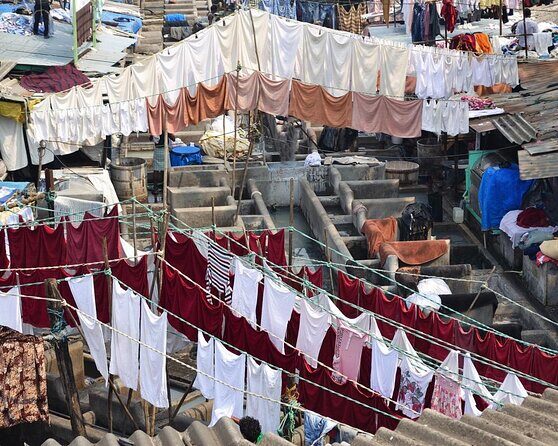
- Local-guide storytelling over sightseeing so you understand how people earn, learn, and organize their daily lives
- Tannery and pottery elements that show work happening on a human scale
- Pickup and drop-off included, so you’re not wrestling with Mumbai logistics
- No photos inside Dharavi areas, which changes how you capture the experience
- Tight lanes and short time on each stop, so wear comfortable shoes and keep moving
- Respect-first approach that many people describe as non-voyeuristic and genuinely educational
Getting to Dharavi without turning it into a logistics headache
This tour is built around one simple idea: you should spend your energy on the visit, not on figuring out transportation. You get hotel pickup and drop-off, and a driver brings you to Dharavi and back. The start point is at Third Wave Coffee on Tip Road (Unit no.58, Ground, Ram Mahal, Senapati Bapat Marg, Marinagar Colony, Mahim). The tour ends near Kumbhar Wada on Dharavi’s 60 Feet Road.
That routing matters because Dharavi is not a single “site” you reach and then calmly explore. It’s a dense working neighborhood. When a tour starts from a fixed point and ends on a main lane, it keeps your time practical and your walking more predictable.
One more timing detail that matters: the tour duration is listed as about 2 to 3 hours. That’s long enough to see real activity and hear context, but short enough that you won’t wander off-script. If you like slow, museum-style pace, plan on treating this as a guided walk with movement, not a sit-down experience.
You can also read our reviews of more guided tours in Mumbai


What you’re really signing up for in Dharavi
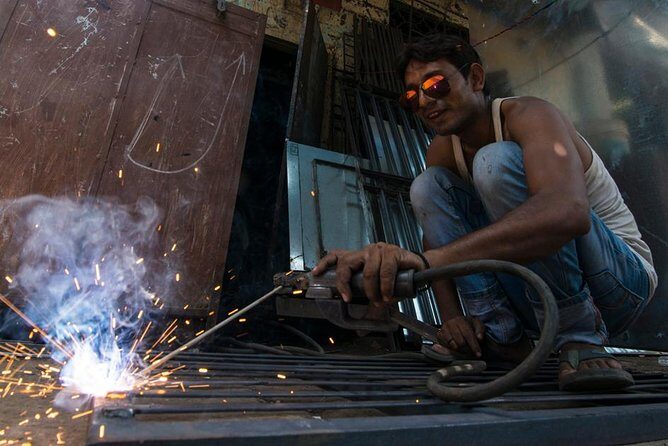
Dharavi is often described as Asia’s largest slum, but the part that people usually remember isn’t the label. It’s the way you see daily life functioning at full speed—work happening alongside homes, and industries made of small workshops that keep money flowing.
The tour frames Dharavi as a place where migrant dreams turn into jobs. Your guide walks you through by lanes where you can spot small-scale industry in action. You’re also meant to understand how these businesses contribute to Mumbai’s economy, not just how people live inside limited space.
In the best moments, it flips your assumptions. Instead of treating Dharavi as a single story of poverty, the walk highlights a chain of practical roles: people sorting, repairing, producing, trading, and learning. Even if you already know Mumbai has huge informal economies, this is more focused because you’re getting a guided explanation in the middle of it.
Stop 1: Dharavi lanes, work areas, and the micro-economy
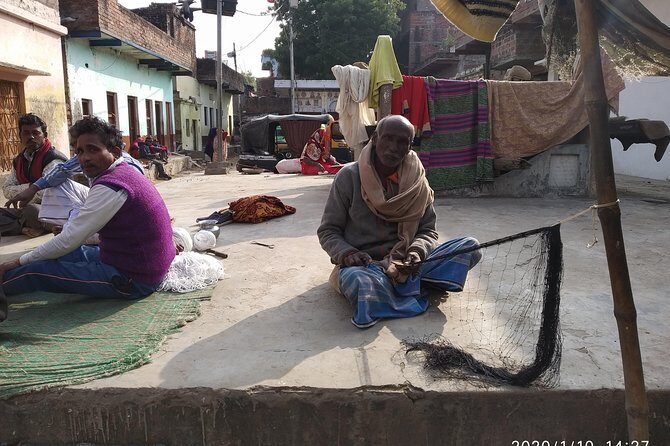
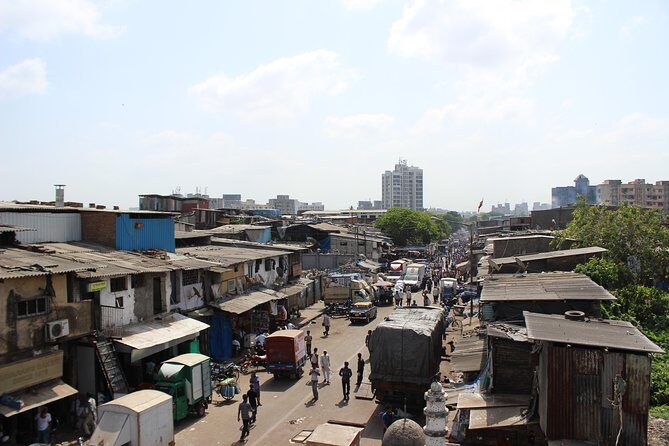
The first stop is the heart of the visit: a walk through Dharavi’s by lanes. Expect tight streets, lots of activity, and plenty of small businesses you wouldn’t notice if you were just passing through. Your guide’s job here is to help you connect what you see to how the community actually runs.
You’ll explore how residents earn their living through small-scale industries that operate in and around the neighborhood. That’s the core value of this stop. You’ll hear how the system works day to day: who does what, why certain activities are clustered, and how people build income streams inside a dense urban layout.
Another detail worth knowing: Stop 1 includes an admission ticket. That may sound minor, but it often means the tour is set up to access specific areas and keep the visit structured. A guided plan is important in Dharavi because it’s not designed for casual tourism; it’s a neighborhood designed for living and working.
How it can feel on the ground: expect motion. You’ll likely keep walking and listening, not stopping for long photo breaks. You’re building understanding more than collecting images.
Possible drawback here: you’ll be moving through areas where photography is prohibited, so bring curiosity more than your phone. Also, if you’re sensitive to crowds or narrow passages, it may feel more intense than a standard city walk.
Stop 2: Dharavi Leather and the 90 Feet Road viewpoint
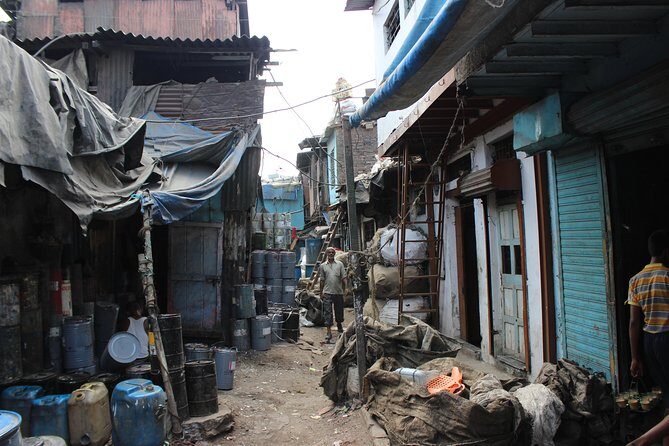
The second stop is focused on Dharavi Leather, accessed from the 90 Feet Road area. This is where the tour shifts from general neighborhood life to one specific industry link—leather work.
This stop is short: about 10 minutes, and it notes the admission ticket is free. Short doesn’t mean superficial. The point is to show you the industrial side of Dharavi without turning your time into a long workshop visit. You’re getting a snapshot of how leather production is part of the local economy.
You may notice strong smells. That’s not a surprise detail to ignore. It’s part of what makes the experience real, because leather work is messy work. Go in knowing you might smell tannery processes and materials. If odors bother you, it’s smart to mentally plan for that.
Also remember the big rule: photography is prohibited within Dharavi areas. That includes the work spaces you’re visiting, so rely on your guide’s explanations and your own observation, not your camera.
Clay pots, workshops, and the chance to buy something on your way out
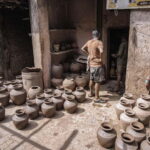
The tour information also says you’ll see clay pots being made and that you’ll have time to buy something to take home. This is one of the most useful parts of the visit if you’re trying to leave with more than a story.
Buying directly from the setting can help you feel like you connected to real people and real work. Just keep expectations grounded: you’re not shopping at a polished craft market. You’re buying from a working neighborhood, so you may need to slow down and talk with your guide for context.
A practical tip: if you want a souvenir, bring a little cash and keep your purchases simple. Anything fragile or bulky is harder to carry back to your hotel, especially in Mumbai traffic.


The guides: why their personal perspective matters
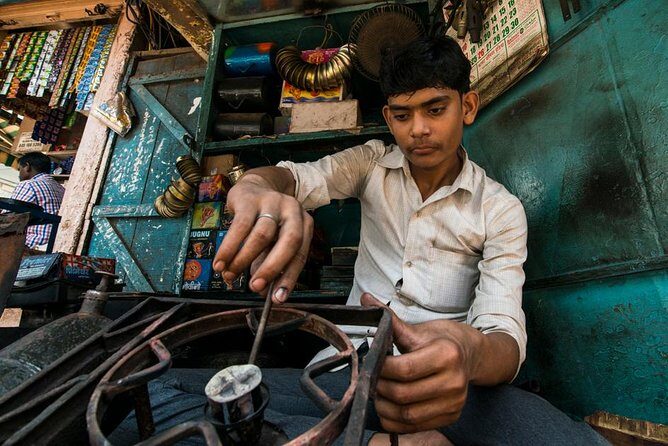
What stands out across the guide names people mention is consistency: the best tours treat Dharavi as a place with its own logic, not as a spectacle.
You might be hosted by guides such as Farzan, Kashif, Mujaffar, Razak, or Ahad. The theme across them is pride in what they show you and a focus on explaining how the neighborhood works—work areas, homes, and schooling. One person even describes feeling their preconceived ideas change by the end, after seeing how many jobs are happening right where people live.
That matters because Dharavi can be misunderstood from the outside. A good guide helps you ask better questions without forcing anyone to explain personal life to strangers.
Timing and walking comfort: what to plan for in 2 to 3 hours
This tour is designed to fit into a typical Mumbai day. Plan for about 2 to 3 hours of total time. That’s enough to cover the main walking portion, the leather-focused stop, and the practical visit details.
Your fitness level matters a bit. The tour notes you need moderate physical fitness. That usually means expect walking on uneven ground, tight lanes, and nonstop movement. Wear comfortable shoes. Leave the fancy sandals for a later day.
Weather matters too. The tour says it requires good weather, and if it’s canceled due to poor weather you’ll be offered another date or a full refund. That’s realistic for outdoor walking in a dense neighborhood.
Also note one schedule restriction: this tour cannot operate between 12.30 p.m. to 2 p.m. on Fridays. If you’re building an itinerary around Friday midday, shift it.
Price and value: why $47.15 can make sense
The price is $47.15 per person, and it includes driver transport and hotel pickup/drop-off, a professional guide, private transportation, and all fees and taxes listed for the experience.
Here’s the value math I’d do as a practical traveler:
- You’re paying for a guide who knows where to take you and what to explain.
- You’re paying for round-trip logistics from your hotel, which is usually where DIY plans get messy in Mumbai.
- You’re paying for structured access (since Dharavi areas can be complicated for independent visitors).
Is it cheap? No. But it’s not priced like a luxury museum tour either. For many people, the biggest value is the explanation you get while walking—especially because photography is restricted and you can’t just “browse” your way through.
If you’re traveling as a group, the listing also notes group discounts. If you have friends or family coming along, check if that reduces the per-person cost.
One thing to keep an eye on: the tour information says there can be additional transport cost for North Mumbai pick-up, and there may be an extra cost for a language guide besides English. Those can change the real total depending on where you’re staying and what language you need.
Respectful behavior and expectations (so the tour stays worthwhile)
This tour is private, meaning only your group participates. That usually helps because you’re not constantly reacting to large crowds or strangers pushing for photos. It also keeps the pace more controlled.
The other big expectation is how you behave in a real neighborhood. The experience includes rules like no photography in Dharavi areas. That can feel limiting if you like documenting everything, but it also signals respect for residents and work spaces.
If you’re worried about the tone becoming voyeuristic, focus on why you’re going: to understand how a complex city economy functions in an unexpected place. Many people say this type of tour helped them feel safe while seeing the reality, largely because the guides treat it as an education-focused walk, not a “look at poverty” show.
A final expectation check: this is not about making Dharavi prettier in your head. It’s about learning how people have built livelihoods, routines, and community systems inside difficult conditions.
Should you book this Dharavi tour?
Book it if you want a guided, respectful explanation of Dharavi’s working life. I think it’s especially worth it if you like learning how economies function on the ground—leather work, small workshops, and the everyday rules that keep a neighborhood running. The private format, hotel pickup, and the guide-led pace make it easier than trying to DIY your way into a place like this.
Skip it or reconsider if you need lots of photography time, hate strong smells, or prefer very low-stress walking. The no-photo rule and the tannery environment are real parts of the experience.
If you go with the right mindset—curious, respectful, and ready to walk—you’ll leave with a different picture of what Dharavi is and how it works.
FAQ
How long does the Dharavi tour take?
The tour is listed as about 2 to 3 hours.
Is hotel pickup and drop-off included?
Yes. The tour includes hotel pickup and drop-off, with a driver included.
Is this tour private?
Yes. It’s a private tour/activity, meaning only your group participates.
What does the itinerary include at Dharavi?
You’ll walk through Dharavi by lanes and learn about life and small-scale industries. The tour also includes a tannery/leather-related stop and mentions clay pottery being made, plus time to buy something to take home.
Are admission tickets included?
At Stop 1 (Dharavi), an admission ticket is included. At Stop 2 (Dharavi Leather), the admission ticket is listed as free.
Can I take photos during the tour?
No. Photography is prohibited within Dharavi areas.
Is the tour available every day and time?
It’s stated that the tour cannot operate between 12.30 p.m. to 2 p.m. on Fridays.
Is there an extra cost for language help?
Yes. A language guide besides English can have an additional cost.
Is the tour canceled for bad weather?
Yes. The experience requires good weather. If it’s canceled due to poor weather, you’ll be offered a different date or a full refund.