REVIEW · NEW DELHI
New Delhi: Traditional Indian Cooking Class & Market Visit
Book on GetYourGuide →Operated by Curry Craft Kitchen Studio · Bookable on GetYourGuide
Delhi cooking feels personal fast.
This 3-hour class pairs a local market visit with hands-on instruction inside Lubna’s home, where you learn how traditional Indian flavors are built—spices, breads, and comforting mains—then eat what you make at her family table.
I really like two things here: first, the lesson is built around your preferences (including dietary limits), not a rigid demo. Second, you leave with practical skills—how spices behave in oil, how breads come together, and how the meal moves from prep to serving.
One possible drawback to note: there’s no hotel pickup/drop-off, and the market portion happens only with the standard class timing—so you’ll want to plan your transport to the meeting point and choose 11 am or 4 pm deliberately.
In This Review
- Key takeaways before you go
- A Delhi Home Kitchen, Not a Tour-Group Galley
- Getting Oriented: Where to Meet Lubna’s House in Friends Colony East
- Market Visit in Local Delhi: Ingredients, Spices, and Real Purchases
- Chai Welcome and the Spice Lesson That Actually Clicks
- Your Cooking Menu: What You’ll Make (and the Skill Behind It)
- Bread, Kebabs, and Curries: What to Watch For While You Cook
- Personalization That’s More Than Lip Service
- Eating at the Family Table: The Part Most Classes Skip
- Price and Value: Why $43 Can Make Sense Here
- Who Should Book This Cooking Class
- Quick Practical Tips Before You Go
- Should You Book Lubna’s Delhi Market and Cooking Class?
- FAQ
- How long is the cooking class in Delhi?
- What times are available?
- Is a market visit included?
- Can I do a breakfast option instead?
- What food will I cook?
- Are ingredients included in the price?
- Can Lubna adjust the menu for dietary needs?
- Is hotel pickup and drop-off included?
- Where do I meet Lubna?
- What if I need to cancel?
Key takeaways before you go
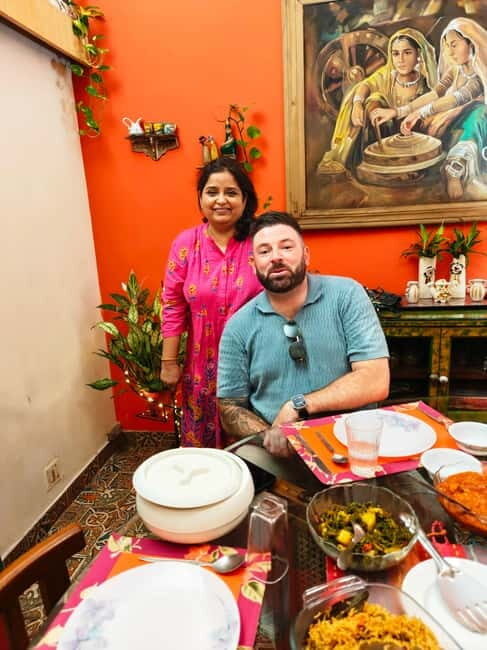
- A real home kitchen in a haveli: Traditional architecture from 1974, plus a calm, garden-filled feel inside.
- Market time that’s close to local life: A short ride away from the main tourist lanes to shop for fresh ingredients and spices.
- You control the menu direction: Tell Lubna what you want to cook, and she tailors the dishes and technique.
- Spice learning you can use later: It’s not just tasting; it’s learning what spices do and how to use them.
- Meal is part of the lesson: You cook, then sit down and eat together, often with family.
- Easy to match with your schedule: Only one class per day, with start times at 11 am or 4 pm.
A Delhi Home Kitchen, Not a Tour-Group Galley
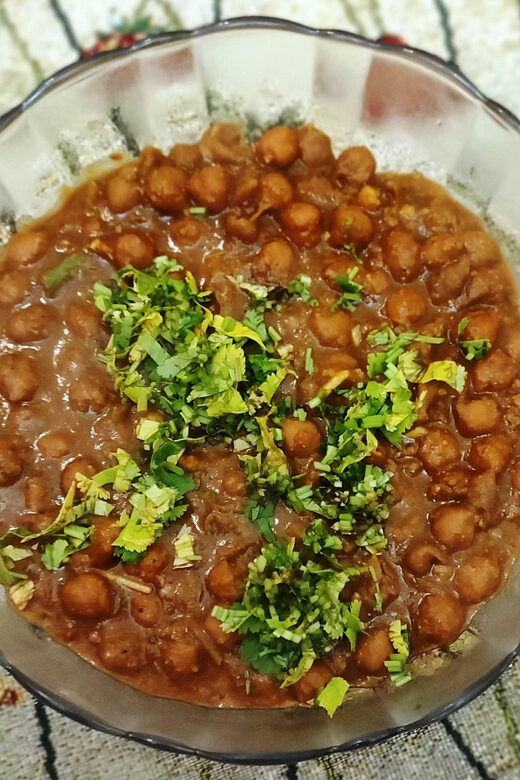
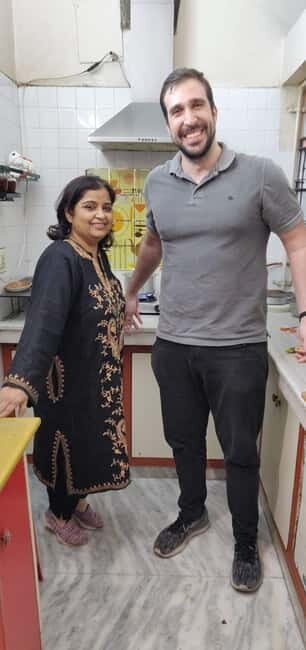
If you’ve done cooking classes that feel like a polished performance, this one lands differently. Lubna runs it from her own home, and that matters because the pace is relaxed and the teaching feels conversational. You’re stepping into everyday Delhi life rather than watching from the sidelines.
What also works is the format. You’ll get a market visit first, then you move straight into cooking in the same spirit: ingredients, spices, and cooking decisions in context. And because it’s a private group, the focus stays on your questions and comfort level rather than being split among many strangers.
The class is taught in English, lasts about 3 hours, and is available at 11 am or 4 pm. That flexibility is useful in Delhi, where afternoons can get more tiring depending on your route for the day.
You can also read our reviews of more shopping tours in New Delhi


Getting Oriented: Where to Meet Lubna’s House in Friends Colony East
Finding the place is one of the strong practical points. Your meeting spot is listed as: A-6 Friends Colony East, New Delhi 110065, right behind the HP petrol pump. The home is also a short walk from Ashram metro station, Gate No. 3.
Look for a house with a red slanting roof and white walls, on a quiet dead-end street. The tour is wheelchair accessible, but since there’s no hotel pickup, you’ll want to handle your own last-mile travel to the meeting point.
If you’re worried about timing, aim to arrive a little early. Delhi traffic and metro exits can be unpredictable, and it’s easier to settle in with a few minutes to spare than to stress at the door.
Market Visit in Local Delhi: Ingredients, Spices, and Real Purchases
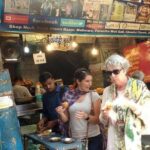
The experience starts with a personalized trip to a local market. The ride is short—about 10 minutes away from the typical tourist spots—and the goal isn’t sightseeing for sightseeing’s sake. It’s shopping with purpose: fresh produce, spices, and the ingredients that shape your meal.
You’ll walk through stalls with a mix of colors and everyday activity. Depending on what’s open, you may even have the chance to try street food if the shop is running—this is optional and not guaranteed, but the setup makes it possible. Either way, you’re learning what to look for in real Indian grocery culture: spice blends, everyday staples, and ingredient choices that affect flavor.
Why this matters: Indian cooking is very ingredient-driven. If you’ve ever wondered why two kitchens make the same dish and it tastes different, this is the answer—how spices are chosen, how they’re used, and what “fresh enough” means in practice. Seeing the purchases first helps you cook smarter later.
Also, there’s a useful note for scheduling: there’s an option for breakfast-making, but the market visit doesn’t happen with breakfast. If you want the market experience, plan around the standard 11 am or 4 pm class.
Chai Welcome and the Spice Lesson That Actually Clicks
Before you cook, you’ll be welcomed with chai (tea), and that sets the tone. The class isn’t rushed. Lubna’s approach is friendly and clear, and she’s used to teaching both first-timers and people who already cook at home.
A big theme of this class is how spices shape more than just taste. You’ll learn how spices contribute flavor and aroma, and you’ll practice cooking techniques that make those spices behave well in a finished dish. That includes timing, oil/spice interaction, and how to combine spices so they taste balanced instead of harsh.
You’ll also get attention to smaller technique points—what many people call the subtle stuff that makes a dish feel “right.” In Indian cooking, small changes can be the difference between a home-style result and something flat. This is where the class earns its value.
If you like recipes, you’ll also appreciate that you’re encouraged to communicate your culinary preferences ahead of time—through WhatsApp—so the class reflects what you actually want to learn.
Your Cooking Menu: What You’ll Make (and the Skill Behind It)
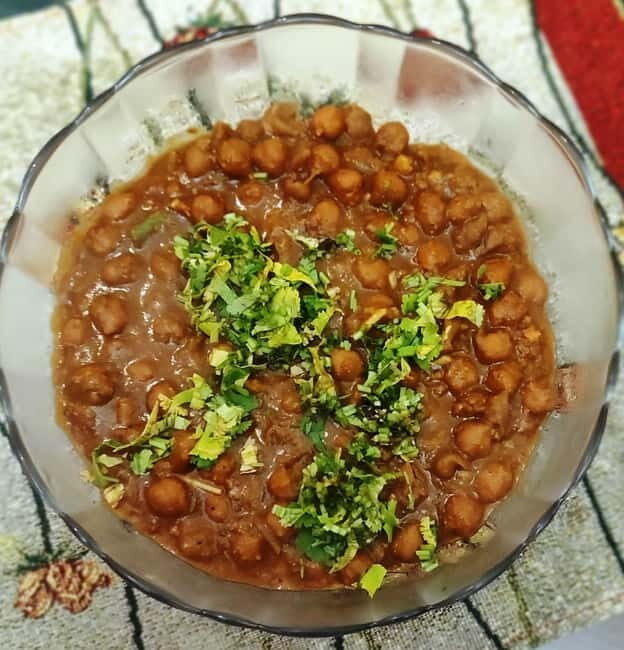
The class is structured around producing a full meal, not a one-dish experiment. You’ll prepare 3 main dishes, 3 bread types, and 1 rice dish, plus you eat everything you cook. Ingredients are included, so you’re not paying extra for basic items.
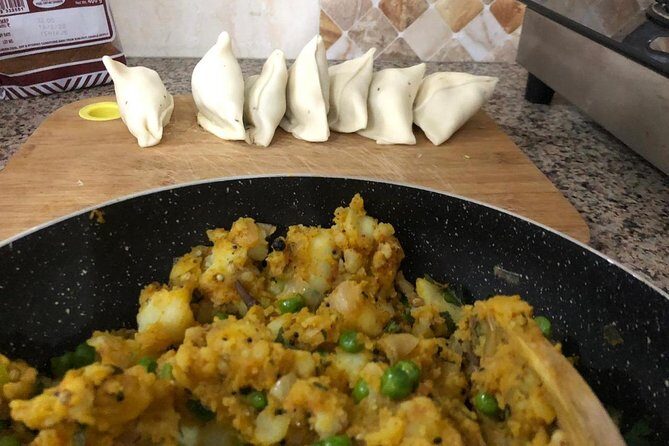
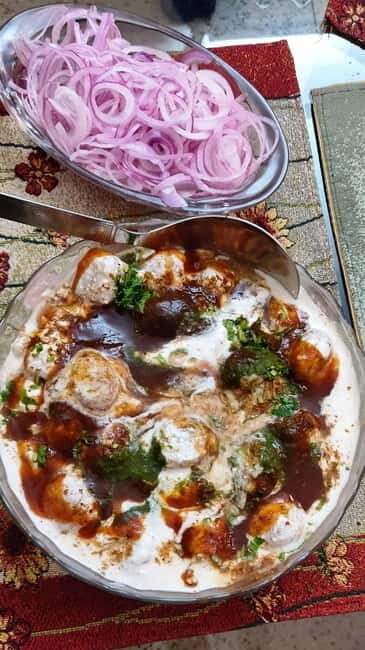
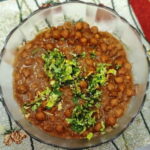
The menu can include traditional comfort foods such as Rogan Josh, kebabs (both vegetarian and chicken options may appear depending on preferences), and classic Indian snack and bread items like bread pakora and samosas. You might also see options like aloo chaat, poora, and curries such as paneer masala.
Here’s how to think about it: bread and rice teach technique you can reuse. The bread component helps you understand dough handling and cooking method. The rice dish teaches the timing and finishing habits that prevent bland or uneven results. Then the mains—like Rogan Josh-style curries or kebabs—teach seasoning depth and spice layering.
One more practical point: you can specify vegetarian preferences or other requirements. Lubna adapts dishes for dietary needs, based on what you share ahead of time.
A few more New Delhi tours and experiences worth a look


Bread, Kebabs, and Curries: What to Watch For While You Cook
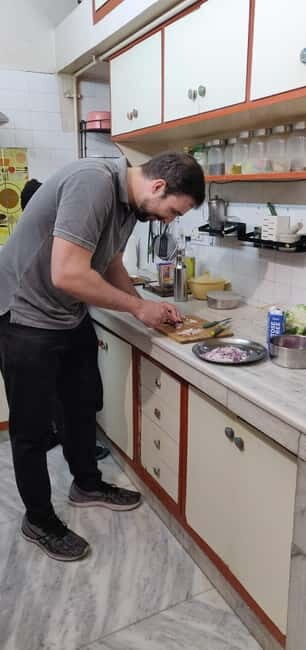
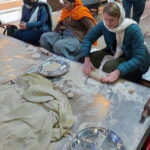
When you’re in the kitchen, you’ll be doing real work—mixing, seasoning, shaping, and cooking alongside the host. That matters because Indian cooking is tactile. You learn by doing, not by watching a spoon move in someone else’s pan.
On the bread side, expect hands-on instruction across multiple bread types. Some classes give you one bread and call it “authentic.” This one gives you several, and that builds confidence. You’ll pick up what changes when you make a different shape or style of bread, and why those changes affect texture.
For kebabs, you’ll likely practice how seasoning integrates into the mixture, and how heat controls doneness. If you’re new to Indian cuisine, kebabs are an approachable entry point because you can see the transformation from raw to finished in minutes.
And for curries like Rogan Josh, focus on spice behavior. You’ll learn why the same spices taste different when handled earlier versus later in cooking. That’s the part you’ll remember when you try to replicate the dishes at home.
Personalization That’s More Than Lip Service
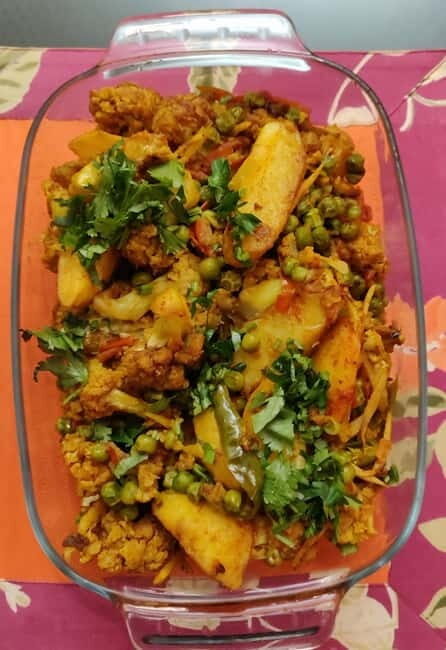
One of the strongest signals here is that Lubna doesn’t treat dietary needs as an afterthought. After booking, she encourages you to message her on WhatsApp to discuss what you want to learn and what you can or can’t eat.
The kitchen can adapt based on restrictions. For example, there’s an account of a guest who couldn’t consume wheat, dairy, or citrus. Lubna created dishes using oats as the main ingredient, and the experience was so impactful that the guest wrote down the recipes.
That kind of flexibility is a big deal if you need alternatives. It also means you’re not stuck with a “standard menu” that only works for people who eat everything.
There’s also flexibility around the cooking focus: you can ask if a session can be converted to a breakfast option, or if you prefer learning snack items only. Just remember the trade-off: if it becomes a breakfast-style session, the market visit won’t be part of it.
Eating at the Family Table: The Part Most Classes Skip
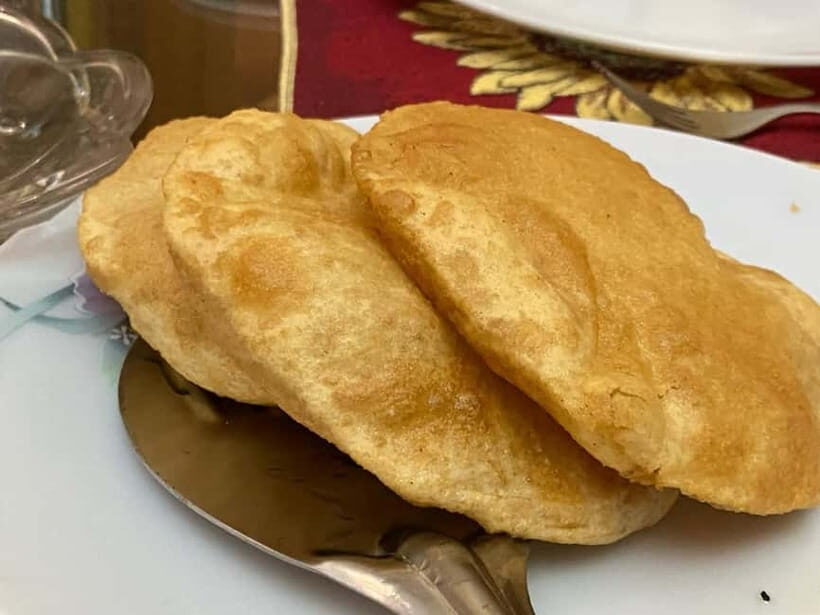
After cooking, you sit down to eat your meal—at the family dining table. This is where the class clicks into a full cultural experience. Food in India is social, and Lubna’s kitchen is set up for sharing.
You may also have family members join in a casual, celebratory way. It changes the vibe from “classroom” to “welcome.” The conversation can flow around the meal, and it’s a good way to ask follow-up questions while everything is fresh.
If you love food but hate wasting it, this format is ideal: you don’t just make dishes for the clock. You cook, then you eat what you made, comfortably and without rushing out for the next stop.
Price and Value: Why $43 Can Make Sense Here
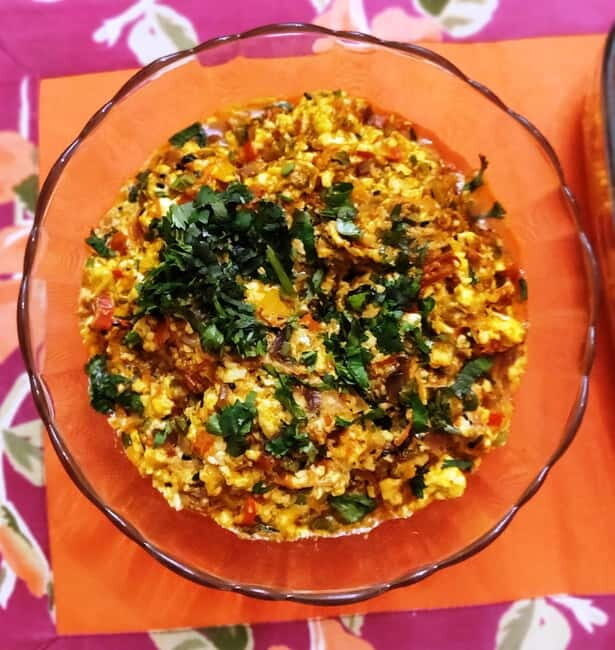
At $43 per person for about 3 hours, this isn’t a cheap “tour-only” experience. It also isn’t a premium price either. The real value comes from what’s included:
- All ingredients
- A full meal you eat during the session
- Multiple components: 3 mains, 3 breads, and 1 rice dish
- Tea/water
- English instruction in a private group
- Recipes you can use back home (so the class isn’t just for that afternoon)
For me, the key value is the combination of market + cooking + dining, all in a home setting. If you’ve ever paid for a food experience and felt like it was mostly watching, this is more active and more practical. The price feels fair because you’re leaving with skills and recipes, not just memories.
Who Should Book This Cooking Class
This works best if you want:
- Hands-on cooking in a real Delhi home
- A market visit that teaches ingredients, not just photo stops
- Clear guidance on spices and technique
- A flexible menu direction based on your tastes or dietary needs
- A full meal experience where you eat together right after cooking
It’s also a great fit if you’re not sure where to start with Indian food. Learning breads, curries, and snacks builds a foundation. If you’re already comfortable in the kitchen, you’ll still benefit from technique details and spice handling that can improve your results.
Quick Practical Tips Before You Go
- Pick your start time: 11 am or 4 pm.
- If you care about the market, choose the standard class timing; breakfast-style changes can remove the market portion.
- Message Lubna ahead of time on WhatsApp with dietary needs and what you want to cook.
- Plan your own route to Ashram metro (Gate 3) or the HP petrol pump area since pickup/drop-off isn’t included.
Should You Book Lubna’s Delhi Market and Cooking Class?
I’d book it if you want a genuine home-cooked result and you like learning why food tastes the way it does. The market visit gives context, and Lubna’s spice-and-technique teaching makes the cooking part more usable later. The fact that she can adapt recipes based on real restrictions is another strong reason to say yes.
Don’t book it if you want a large, structured “chef show” with lots of entertainment and minimal interaction. This is not that. It’s a calm, focused session where you’ll work in the kitchen and eat what you make.
If your goal is to come away confident cooking Indian dishes at home—especially breads, curries, kebabs, and snack-style items—this is one of the more practical ways to do it in Delhi.
FAQ
How long is the cooking class in Delhi?
It runs for about 3 hours.
What times are available?
The class starts at either 11 am or 4 pm.
Is a market visit included?
Yes, the market visit is part of the standard class experience.
Can I do a breakfast option instead?
You can request breakfast-making, but the market visit would not be possible with this option. You can message Lubna to check whether it can be converted.
What food will I cook?
You’ll prepare 3 main dishes, 3 bread types, and 1 rice dish, plus you eat the meal you prepare.
Are ingredients included in the price?
Yes. All ingredients are included, along with tea and water.
Can Lubna adjust the menu for dietary needs?
Yes. You can specify requirements such as vegetarian preferences or other dietary restrictions, and Lubna adapts dishes accordingly.
Is hotel pickup and drop-off included?
No, hotel pickup and drop-off are not included.
Where do I meet Lubna?
Meet at A-6 Friends Colony East, New Delhi 110065. It’s behind the HP petrol pump, and about a 3-minute walk from Ashram metro station (Gate No. 3).
What if I need to cancel?
Free cancellation is available up to 24 hours in advance for a full refund.