REVIEW · VARANASI
Varanasi: Varanasi ghat & temple walking tour
Book on GetYourGuide →Operated by India Trip Packages (TMRT) · Bookable on GetYourGuide
Varanasi grabs you fast. One walk, and you’re moving through Ganga rituals, ancient temples, and the human stories tied to life and death. It’s spiritual travel that doesn’t feel like a museum stop—it feels like the city is doing what it does every day.
Two things I really liked: the chance to see Ganga Aarti at Dashashwamedh Ghat in the evening, and the way the route connects major sites to smaller spiritual places you’d miss on your own. The guide experience matters too; I’ve seen groups with guides like Mr Javed who can explain what you’re looking at without turning it into a lecture.
One thing to consider: crowds and timing can affect what you can see up close, including whether you get inside certain temples. Also, if your preferred language guide isn’t available, you may end up with a different language than you expected.
In This Review
- Key highlights to look for
- Walking Into Varanasi’s Sacred River Life
- Assi Ghat to Dashashwamedh: Morning Rituals and the Ganga Aarti
- Manikarnika Ghat and the Meaning of Moksha
- Kashi Vishwanath Lanes, Annapurna Temple, and the Food Blessing
- Nepali Temple and the Mini Khajuraho Carvings
- Alleys, Handicrafts, and Ending at Hanuman Ghat
- Price and value: what $60 covers in 5 hours
- What the 5-hour flow feels like (so you can plan your day)
- Who this tour suits best
- Should you book this Varanasi Temple Walking Tour?
- FAQ
- FAQ
- How long is the Varanasi ghat and temple walking tour?
- Where does the tour start and end?
- What are the main places you visit?
- Are entry tickets and meals included?
- What languages are available for the live guide?
- Is free cancellation and pay later available?
Key highlights to look for
- Dashashwamedh Ghat Aarti at night: fire, chants, and music focused on the Ganges
- Assi Ghat early rituals: watch pilgrims dip, plus you may catch yoga and prayer
- Manikarnika Ghat and moksha: the cremation ghats tied to liberation beliefs
- Kashi Vishwanath lanes: narrow streets packed with offerings, flowers, and sweet shops
- Nepali Temple, also called Mini Khajuraho: intricate wood carvings and mixed Indian-Nepalese style
Walking Into Varanasi’s Sacred River Life
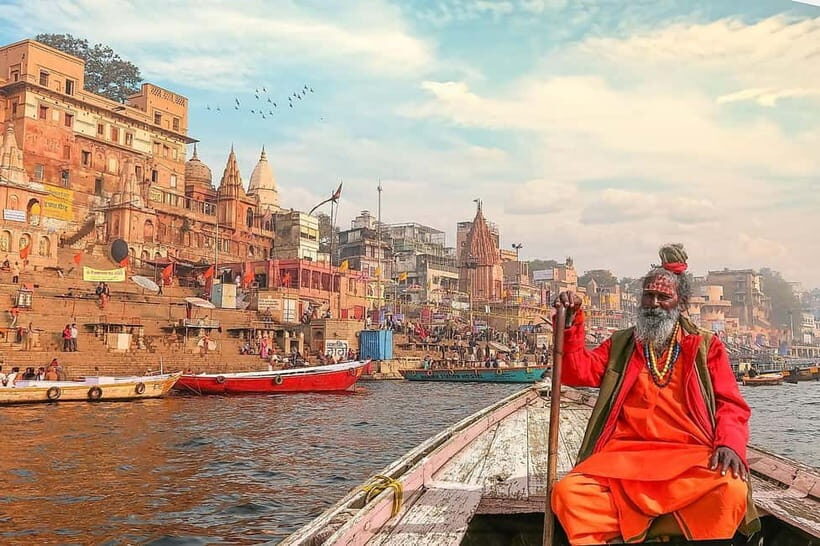
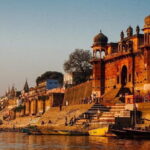
Vast cities can feel distant. Varanasi doesn’t. Within a few hours, you go from sunrise-style devotion at Assi Ghat to evening ceremony energy at Dashashwamedh Ghat, with stops that explain why the Ganges is more than scenery here.
What I like about this tour format is that it’s not only about the big names. You’re also walking through lanes where you see daily commerce—flowers, offerings, brassware, silk sarees, and street snacks being prepared. That’s the difference between seeing Varanasi and understanding it. You get context, not just photos.
And yes, it’s also a religious walk with real intensity. Places linked to death beliefs can feel heavy. But that’s part of why the route works—you’re guided through meaning so the sights don’t just shock you; they make sense.
You can also read our reviews of more walking tours in Varanasi


Assi Ghat to Dashashwamedh: Morning Rituals and the Ganga Aarti
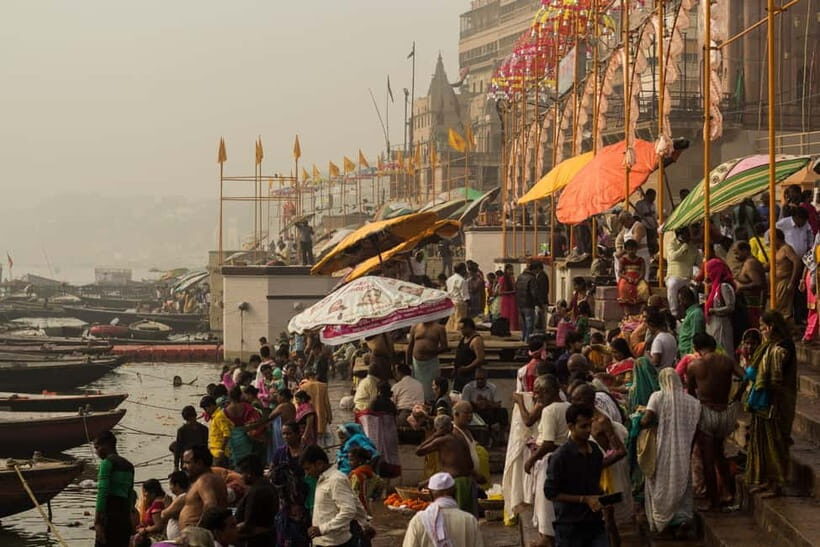
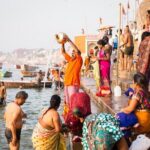
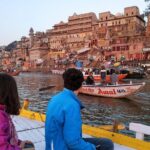
You start at Assi Ghat, and the vibe is early-life devotion. Many pilgrims gather here for a holy dip in the Ganges. If your timing lines up, you might also see yoga sessions and traditional prayers—small, focused actions that make the larger city feel personal.
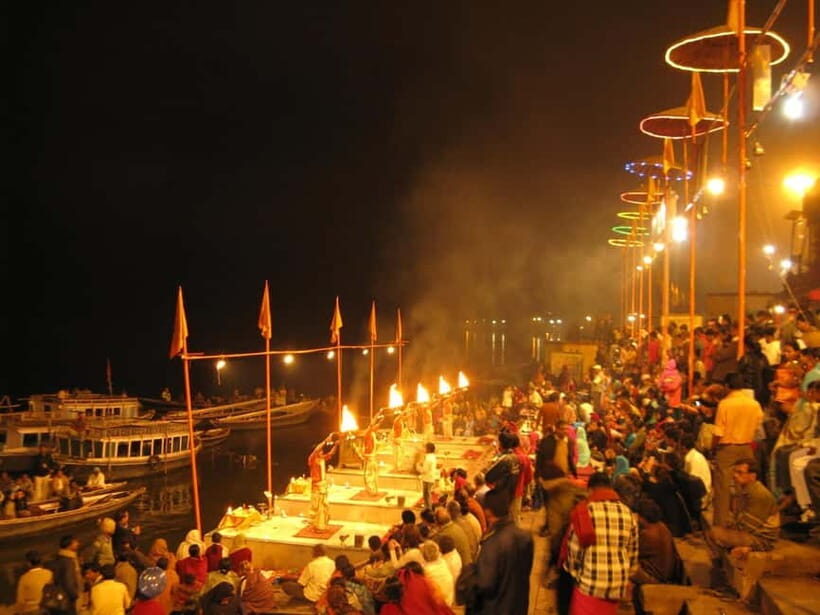
From there you move toward Dashashwamedh Ghat, which is one of the oldest and most important ghats in Varanasi. During the day, you’ll see priests and pilgrims performing different rituals. The tour is built around the payoff: if everything lines up, you’re at the right place for the evening Ganga Aarti.
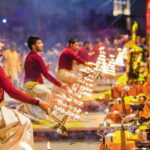
Here’s why that ceremony is worth structuring your trip around. The Aarti is fire plus chants plus devotional music, all directed toward the river. It turns the whole ghats area into one shared moment, so even if you’re not following every word, you understand the rhythm. You also get the real atmosphere of Dashashwamedh—people watch, participate, and move around in a way that’s hard to recreate from guidebook descriptions.
Practical tip: be ready for tight crowd conditions around the ceremony. If you’re hoping for unobstructed views, you’ll need patience and a willingness to stand where the guide directs you.
Manikarnika Ghat and the Meaning of Moksha
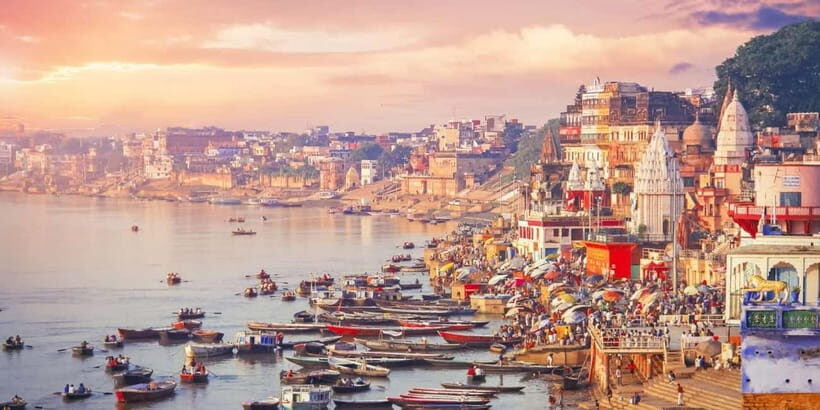
Next comes Manikarnika Ghat, the famous cremation ghat. This is the part of Varanasi that many visitors find the most emotionally intense, because the cycle of life and death is right there in full view.
The tour connects what you’re seeing to the belief of attaining moksha—liberation. I appreciate that the walking route doesn’t just point and say this is important. You get the idea behind why the ghats function the way they do in Hindu practice and belief. That matters, because without context, you can end up feeling like you’re intruding on something you don’t understand.
A balanced way to approach this stop: bring respect and calm. Don’t rush, don’t treat it like a spectacle. The guide helps you read the space, and that keeps the experience human instead of voyeuristic.
Also, keep in mind that the density around cremation ghats can be high. This isn’t a slow, quiet stroll—so give yourself permission to pause and look without expecting everything to feel comfortable.
Kashi Vishwanath Lanes, Annapurna Temple, and the Food Blessing
After Manikarnika, you shift from the ghats to temple lanes, and the street energy changes. You walk toward the Kashi Vishwanath Temple, one of the most revered temples dedicated to Lord Shiva.
The approach is part of the show. The lanes around the temple are narrow and packed with stalls selling flowers and offerings, plus sweet shops. It’s not just scenery—it’s how devotion is supported day-to-day. People buy what they need for prayer, and you can see the flow of faith into everyday commerce.
Close by is the Annapurna Temple, dedicated to Goddess Annapurna, the goddess of food and nourishment. This stop is a good reminder that spirituality here isn’t only about rituals and temples. It’s also about the basics—food, sustenance, and care. The meaning is simple: blessings of nourishment aren’t an afterthought, and the city reflects that belief.
If you’re the type who likes architecture, you’ll notice the contrast between open ghats spaces and tight lane pressure near temples. And if you’re the type who gets nervous in crowds, the guide helps you keep your bearings fast.
One more thing: if your timing overlaps with major religious events, crowds can limit access to certain areas or reduce what you see from inside. Plan to treat the tour as an outside-and-lane experience if that happens.
Nepali Temple and the Mini Khajuraho Carvings
Then you head to the Nepali Temple, also known as the Mini Khajuraho. It’s famous for its intricate wood carvings, and it represents a blend of Indian and Nepalese architectural influence.
This is the stop I’d recommend if you want a break from the busiest corridors. It shifts the focus from ritual crowds to craft and detail. You’re not only looking at temple life; you’re noticing design choices—woodwork patterns, decorative structure, and the way a Nepalese influence can sit in the middle of Varanasi’s landscape.
The name Mini Khajuraho matters because it gives you an expectation: it’s meant to feel richly ornamented and visually complex. Even if you’ve never visited Khajuraho itself, you’ll likely see why the comparison is used.
And importantly, this part of the tour helps you understand Varanasi as a living crossroads of ideas and communities—not just a single-style religious city.


Alleys, Handicrafts, and Ending at Hanuman Ghat
Between temple stops, you walk through the maze-like alleys of Varanasi. This is where you see the daily working side of the city: artisans preparing Banarasi silk work, vendors getting street snacks ready, and shops selling brassware and other local crafts.
I like this segment because it’s not only about stopping at spiritual points. You’re learning how people live around those points. Even if you don’t buy anything, you understand the economics of devotion and the rhythm of local life.
Finally, you end at Hanuman Ghat, which is important for people devoted to Lord Hanuman. It’s also a calmer spot to soak in the Ganges atmosphere before the tour wraps up. Ending here gives you a chance to decompress. The ghats can feel intense early and mid-day; by the end, your eyes and mind are usually ready for quieter reflection.
Price and value: what $60 covers in 5 hours
The price is $60 per person for a 5-hour experience. For Varanasi, that’s a fairly straightforward deal when you consider what’s included: pickup and drop-off, an air-conditioned car for the tour, a live guide, mineral water bottles, plus taxes and parking fees.
Value-wise, you’re paying for three things:
- A guide who can connect the sights to meaning (not just landmarks)
- Time efficiency, since you’re covering major ghats and temple areas in a short window
- Comfort support, since the AC car reduces the heat-stress of moving between spots
What’s not included is also important: entry tickets aren’t part of the price, and lunch and dinner are not included. That doesn’t make the tour overpriced—it means you should budget for meal plans separately. It also means you might pay small amounts on-site if entry is required.
One additional note: the tour mentions skipping the ticket line. Since entry tickets themselves are not included, that usually translates to spending less time queuing while still paying for access if required.
If you’re trying to decide whether it’s worth it, the best test is simple: if you want explanation and context while you walk the ghats and lanes, this type of guided route pays off. If you’re perfectly happy wandering solo with only a map, you can do it cheaper—but you’ll miss the meaning that makes the sights hit.
What the 5-hour flow feels like (so you can plan your day)
Even though this is called a walking tour, you’re not moving nonstop on foot. The included car means the schedule has a mix of walking and short transfers, which helps you cover ground without draining yourself before the Aarti.
The sequence matters:
- You begin with Assi Ghat morning devotion
- You build toward Dashashwamedh Ghat and the evening ceremony
- You shift to Manikarnika Ghat for the life-and-death perspective
- You move into temple lanes around Kashi Vishwanath
- You add Annapurna and then the Nepali Temple craft stop
- You finish with Hanuman Ghat and a calmer river moment
Because the tour includes evening Aarti, plan your day so you’re not rushing other bookings that require strict punctuality. The ghats schedule is sensitive to crowds and ceremony timing, and the guide is the one who keeps the timing working.
Also, a heads-up on mobility: this tour is not suitable for people with mobility impairments. Between stairs, uneven ghats steps, and narrow lanes, it’s the kind of walking where you need real flexibility.
Who this tour suits best
I think this fits best if you:
- Want a guided walkthrough of major Varanasi ghats and temples in one shot
- Like learning the meaning behind what you see, especially around religion and ritual
- Are comfortable with crowded public spaces and religious intensity
- Prefer a route that mixes big highlights with smaller spiritual stops
It’s less ideal if you:
- Need a low-crowd experience
- Want a relaxed “wander with no schedule” trip
- Have mobility limits that make uneven stairs and tight lanes hard to manage
Should you book this Varanasi Temple Walking Tour?
If you want Varanasi with structure—ghats in the morning, Aarti in the evening, temple lanes afterward—this tour is a solid choice. The biggest selling point is the combination of Ganga Aarti timing with guided context across multiple sites: Assi, Dashashwamedh, Manikarnika, Kashi Vishwanath, Annapurna, Nepali Temple, and Hanuman Ghat.
I’d book it if your priority is understanding the city, not just sightseeing it. I’d think twice if you strongly need a specific guide language, because matching the exact language you book depends on availability, and crowd conditions can change what you can access up close.
FAQ
FAQ
How long is the Varanasi ghat and temple walking tour?
It lasts 5 hours.
Where does the tour start and end?
The tour starts at Assi Ghat and ends at Hanuman Ghat.
What are the main places you visit?
You visit Assi Ghat, Dashashwamedh Ghat (for the evening Ganga Aarti), Manikarnika Ghat, the lanes leading to Kashi Vishwanath Temple, Annapurna Temple, Nepali Temple, and you also walk through the local alleys. You finish at Hanuman Ghat.
Are entry tickets and meals included?
No. Entry tickets are not included, and lunch and dinner are not included.
What languages are available for the live guide?
The live guide is available in English, French, German, Japanese, Russian, and Spanish.
Is free cancellation and pay later available?
Yes. You can cancel up to 24 hours in advance for a full refund. You also have the option to reserve now & pay later.
If you tell me your travel dates and preferred guide language, I can help you pick a good time window for the Aarti and plan what to budget for on-site entry and meals.