REVIEW · VARANASI
Varanasi: Cycle of Life, Death, and Rebirth Guided Tour
Book on GetYourGuide →Operated by Yo Tours · Bookable on GetYourGuide
Death and life are feet away here.
I love how this guided ghats walk starts at Dashashwamedh Ghat and then turns toward the river’s most intense sacred space, Manikarnika Ghat. I also like that the guide doesn’t just point and move along; they explain why these rituals matter in everyday spirituality. One heads-up: you’ll be on your feet for a short walk that can feel very hot and crowded, so comfortable shoes and sun protection are not optional.
You meet at the entrance gate of St. Thomas Church (Girja Ghar, Ramapura Luxa), then follow your storyteller along the riverfront ghats of Kashi for about 2 hours. It’s a focused experience built for meaning, not sightseeing checklists, and it skips food and drinks—so plan your timing accordingly.
In This Review
- Key moments you’ll feel on the walk
- Why this cycle-of-life walk feels different in Varanasi
- Meeting at St. Thomas Church and getting your bearings fast
- Dashashwamedh Ghat: the oldest name in Kashi
- Manikarnika Ghat: where the cycle turns real
- Walking the other ghats of Kashi: lots of old corners, one story
- The guide’s storytelling is the engine (Manish and Anuj, for example)
- What 2 hours really means on your feet
- Sun, shade, and the small stuff that saves your day
- Price and value: why $14 can be a smart buy
- Who should book, and who might think twice
- Practical FAQ before you go
- FAQ
- Where is the meeting point for this tour?
- How long is the walking tour?
- What languages is the live guide available in?
- Is food or drinks included?
- Is the tour suitable for pregnant women?
- What should I bring for the walk?
- Should you book this Varanasi cycle-of-life tour?
Key moments you’ll feel on the walk
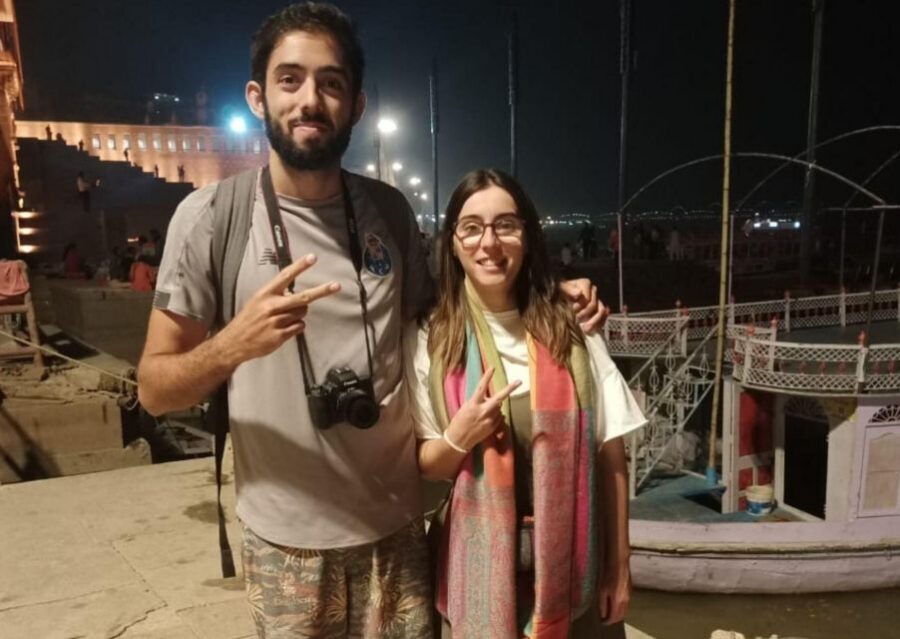
- Dashashwamedh Ghat’s legacy: The oldest and holiest ghat gives you a powerful starting point for the whole story.
- Manikarnika Ghat’s sacred intensity: You’ll come face to face with the cycle of death and rebirth through riverfront rituals.
- An on-foot tour of Kashi’s ghats: You’ll pass other old, spectacular river steps that show how the city is organized around the Ganges.
- A guide who tells the why: The best part is the storytelling that connects rituals to daily life and spirituality.
- Local tips for after the tour: You’ll leave with practical suggestions for what to do next in Varanasi.
Why this cycle-of-life walk feels different in Varanasi
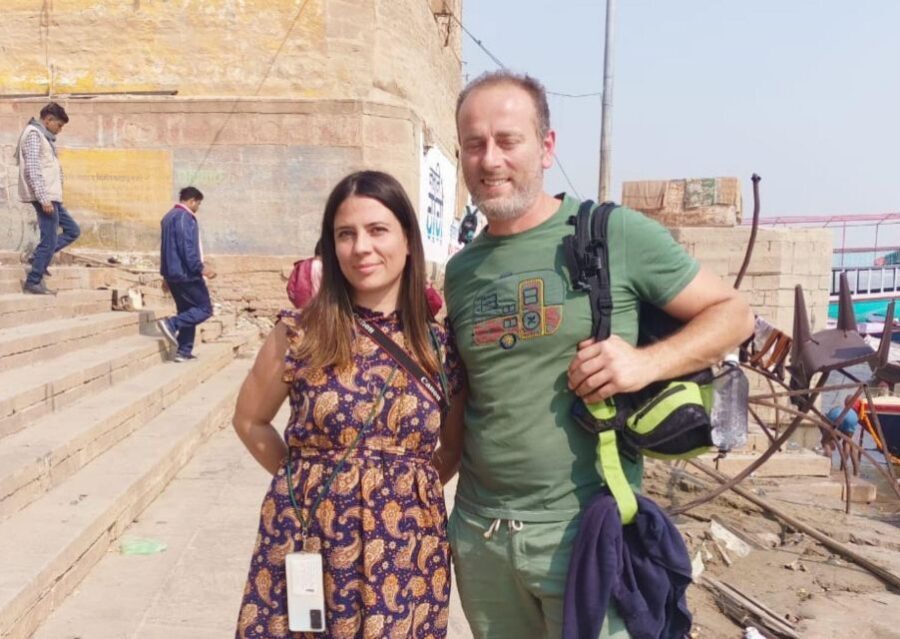
Varanasi is a city where spirituality isn’t an add-on. It’s built into the riverfront steps. This tour is designed around that reality: life, death, and rebirth are not abstract concepts here—they’re visible in the rhythms of the ghats and in the stories people tell about them.
What makes it work for you is the pacing. At 2 hours, it’s long enough to do real walking and see multiple ghats, but short enough that you’re not stuck in one place too long if you’re tired from heat or crowds. The guide’s job is to give you a thread to hold onto, so the places feel connected instead of random.
I also like the tone of the experience. It isn’t trying to shock you for entertainment. It’s built to help you understand why people come to Kashi with such seriousness—and why rituals repeat day after day.
You can also read our reviews of more cycling tours in Varanasi

Meeting at St. Thomas Church and getting your bearings fast
The meeting point is the entrance gate of St. Thomas Church, Girja Ghar, Ramapura Luxa, Varanasi (221001). Arrive a few minutes early so you can settle your shoes, drink water, and focus.
From the start, you’ll learn that this walk is not about long-distance logistics. It’s about moving along the ghats in the way locals do—close to the river edge, with shortcuts that only make sense once you’re there.
Because there’s no hotel pickup, you’ll want to be ready to move on your own. This also means you can pick a time that fits your day. If you’re arriving in Varanasi that day, this is a strong first “orientation” activity.
Dashashwamedh Ghat: the oldest name in Kashi
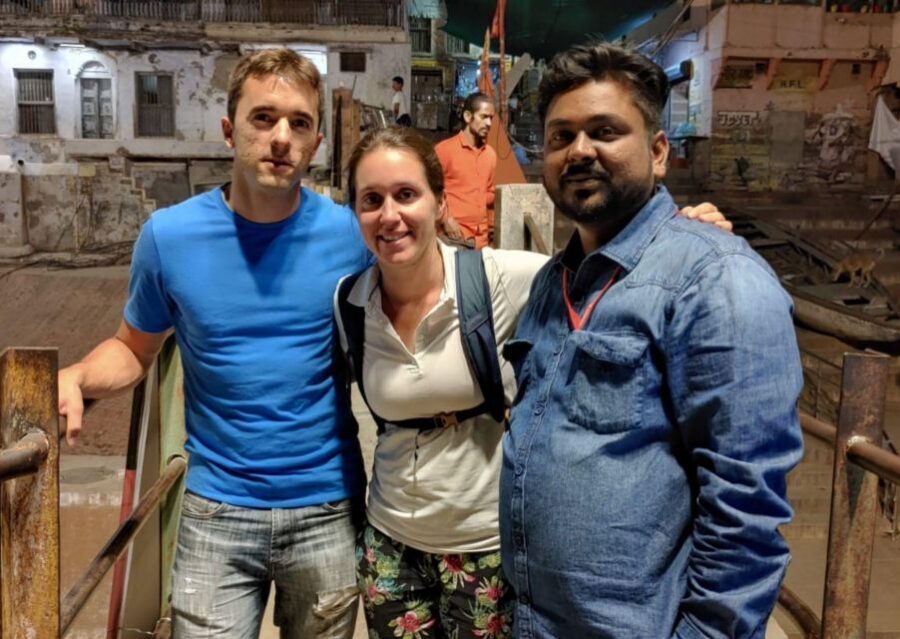
Your walk begins at Dashashwamedh Ghat, described as the oldest and holiest ghat. Starting here matters. It gives you context before the riverfront becomes a blur of steps, temples, and lanes.
This is the kind of place where you feel the weight of centuries without being lectured. You’re basically stepping into a public stage for spiritual life—where the city’s connection to the Ganges is on display.
What I like about this first stop is the way it sets expectations for the rest of the tour. Once you understand why Dashashwamedh is treated as special, the other ghats stop looking like separate attractions. They start looking like parts of one living system.
Manikarnika Ghat: where the cycle turns real
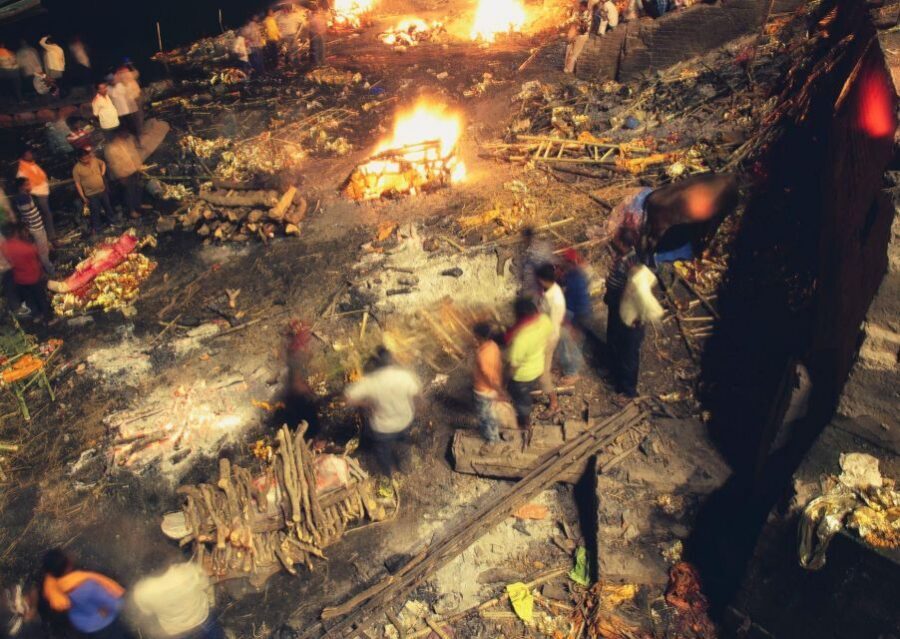
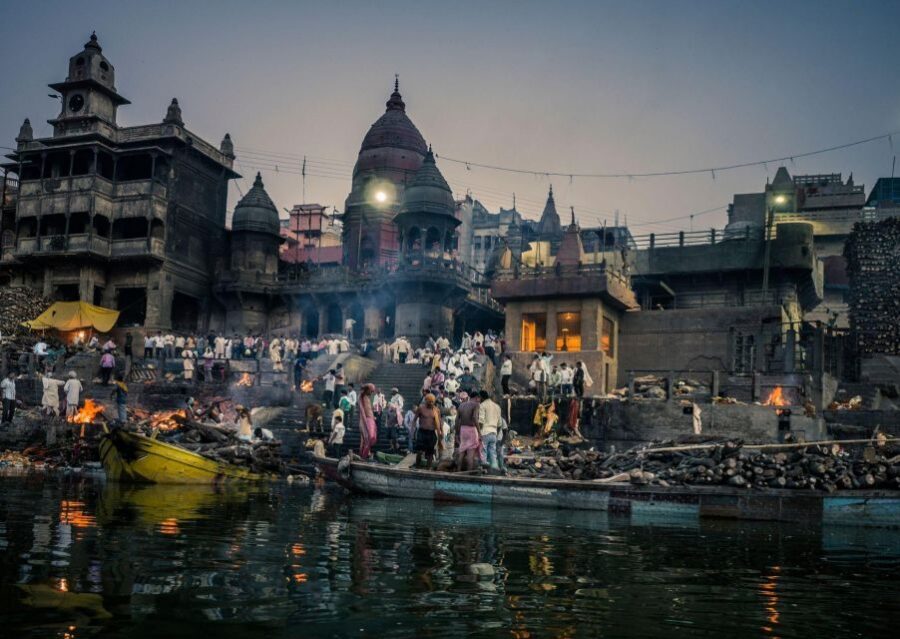
Then comes the part that most people don’t know how to process until they see it: Manikarnika Ghat, noted as the holiest among the sacred riverfronts.
Manikarnika is tied directly to the cycle of death and rebirth. In at least one instance with a guide, I’ve seen visitors witness the burning of a corpse from the river steps. Even if you don’t catch the exact moment, you should come prepared for the reality that funeral rituals are a visible, ongoing part of life at this ghat.
Be respectful, keep your focus, and don’t treat it like a photo-op. If you’re sensitive to death imagery, this is the one area where you may want to pause, look away, and let your guide explain without rushing your emotions.
This stop is also where the tour’s storytelling earns its keep. A good guide helps you understand what people believe they’re doing—and why it’s not just “what happens,” but an essential spiritual rhythm.
Walking the other ghats of Kashi: lots of old corners, one story
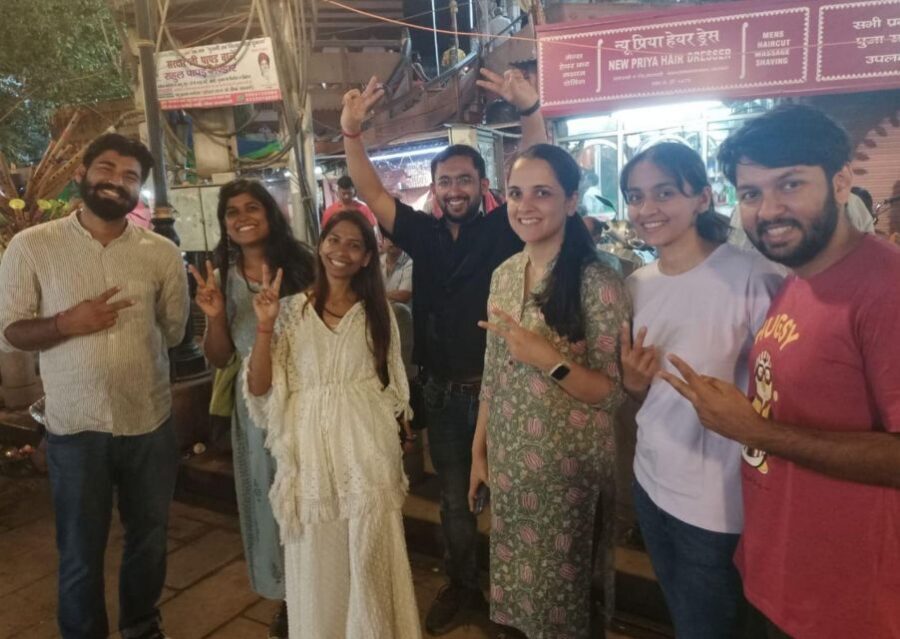
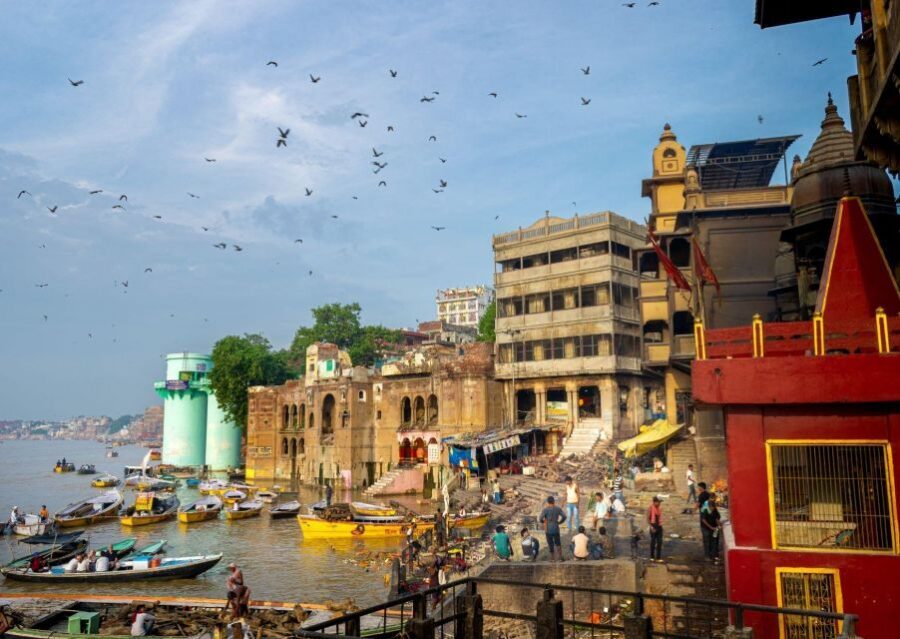
After the two anchor ghats, you’ll keep moving through other old and spectacular riverfront areas. The experience is described as a walk along the ghats of Kashi, which is exactly what you should expect: a chain of river steps and nearby lanes where you start noticing patterns.
Here’s what’s useful for you: you begin to see how the city’s design follows the riverfront. Temples, steps, and daily life aren’t separated. They overlap, so when the guide points out an area, it’s easier to understand why it matters.
This portion can also help you connect the ritual to something human. Even if you’re not practicing the same traditions, you’ll start to recognize a common thread—how people use sacred spaces to make sense of life events and transitions.
You can also read our reviews of more guided tours in Varanasi



The guide’s storytelling is the engine (Manish and Anuj, for example)
This tour includes a storyteller/guide who speaks both English and Hindi. That language pairing is a big deal here, because spirituality gets lost when the explanation is shallow.
In the way guides like Manish and Anuj operate, the tour feels flexible and personal. I like the fact that they can go beyond the basics and take time to show you the right angles of what you’re seeing. One guide style also offered visitors the chance to shape the route—asking what you wanted to see and then adding additional stops when possible.
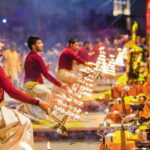
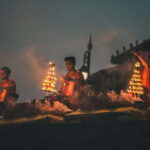
In one example, the tour expanded to include a university area, plus an evening Hindu ritual at Ganga Aarti. That’s not something you should assume will always be included, but it does show the general approach: if your guide thinks it will help you understand Kashi better, they may try to add context.
Bottom line: the guide is what turns a short walk into a meaningful one. Without that, you’d just be passing ghats. With it, you’ll start understanding the logic behind the rituals.
What 2 hours really means on your feet
The duration is listed as 2 hours. In practice, the time you spend can shift based on the heat and comfort levels. One guide experience was shortened to about an hour due to June temperatures, and the same situation led to a recommendation: if you can, choose a later slot, like 5pm.
So here’s your practical move: if your travel dates line up with hot months, plan your walk earlier in the day only if you’re used to heat. Otherwise, aim for later in the day so the walking is more manageable and your attention stays sharp.
Also remember: you’re walking along uneven riverfront paths and through narrow lanes. Your shoes matter more than you think. Bring comfortable shoes, wear socks you trust, and keep your hands free for balance.
Sun, shade, and the small stuff that saves your day
This is a short tour, but it can still feel like a full “outside day.” The tour suggests bringing:
- Comfortable shoes
- Hat
- Sunglasses
I’d treat that as a checklist, not a suggestion. You’ll be exposed to strong sun near the riverfront, and your eyes will feel it fast if you forget sunglasses.
Another detail: bring a calm mindset. The subject matter is heavy—life and death in the same frame. If you’re rushing to take everything in, you’ll miss what the guide is trying to explain.
Price and value: why $14 can be a smart buy
The price is $14 per person for about 2 hours, plus a live guide in English and Hindi. For Varanasi, that’s a solid value because you’re not just getting entry to a place—you’re getting interpretation.
Here’s the value breakdown in plain terms:
- The ghats themselves are public, but understanding them takes a local storyteller.
- The guide adds context so you don’t wander with questions in your head.
- You also get local tips and recommendations, which can help you avoid wasting time after the tour.
What’s not included: food and drinks, and there’s no hotel pickup or drop-off. That’s normal for a short walking experience, but it matters for planning. If you eat right before or after, you’ll keep your energy up and avoid getting cranky mid-walk.
If you’re on a budget, this is one of those experiences where paying for guidance actually buys you more than a “nice photo.” It buys meaning.
Who should book, and who might think twice
This tour is a good match if you:
- Want a structured first look at Varanasi beyond just temples
- Appreciate spiritual explanations tied to real daily rituals
- Prefer a short guided walk rather than a long day trip
It may not be a good fit if you:
- Are pregnant, since it’s listed as not suitable for pregnant women
- Know you’re not comfortable with death rituals and funerary practices
If you fall into the “I want to see it but I might be sensitive” category, talk to the guide if you can before the walk starts. A good storyteller can often pace explanations so you still learn without feeling overwhelmed.
Practical FAQ before you go
FAQ
Where is the meeting point for this tour?
You’ll meet at the entrance gate of St. Thomas Church, Girja Ghar, Ramapura Luxa, Varanasi, Uttar Pradesh 221001.
How long is the walking tour?
The tour duration is listed as 2 hours. Starting times vary by availability.
What languages is the live guide available in?
The guide offers live interpretation in English and Hindi.
Is food or drinks included?
No. Food and drinks are not included.
Is the tour suitable for pregnant women?
No. It’s listed as not suitable for pregnant women.
What should I bring for the walk?
Bring comfortable shoes, a hat, and sunglasses.
Should you book this Varanasi cycle-of-life tour?
Yes, if you want Varanasi with context. This is the kind of short, guided experience that helps you understand why people come to Kashi and what rituals mean when they’re part of everyday life.
Book it especially if you’re the type who likes learning the story behind what you’re seeing, not just checking boxes. And if you’re traveling in hot months, plan for a later time slot so the walk stays comfortable.
Skip it if you’re strongly uncomfortable with the realities of funerary rituals. This tour goes there for a reason—and no amount of explanation can change that.
If you’re ready for honesty, respect, and a guided walk that actually connects the dots, this one is worth your $14.