REVIEW · MUMBAI
Dharavi Slum Tour in Public Transportation
Book on Viator →Operated by Shreeji Tours n Travels · Bookable on Viator
Can a slum teach you business?
Dharavi is one of Mumbai’s best places to understand how people turn tiny spaces into real work—mostly through small-scale industries like plastic recycling, leather goods, pottery, and garment production. This tour is built around a guided walk through the commercial and residential parts of Dharavi, with a local Dharavi guide showing you what’s happening behind the scenes.
I like that it’s not just a look-see. You’ll walk the alleys, hear explanations in English, and see how everyday items move through a full process—from sorting to finished products. The second thing I really enjoy is the practical setup: pickup and drop plus public transport (taxi, train, and bus) so you spend less time figuring things out and more time watching life up close.
One consideration: the experience depends on good weather, and it’s a walking tour. If you’re the type who dislikes close quarters, strong smells, or busy working areas, go in with patience and a respectful mindset.
In This Review
- Quick Hits to Know Before You Go
- Entering Dharavi by Public Transportation, Not a Bubble
- Stop Focus: The One Guided Block That Shows the Real Machine
- Plastic Recycling: Where the Tour Gets Most Hands-On
- Rooftop Tin Hutments: The View That Changes Your Perspective
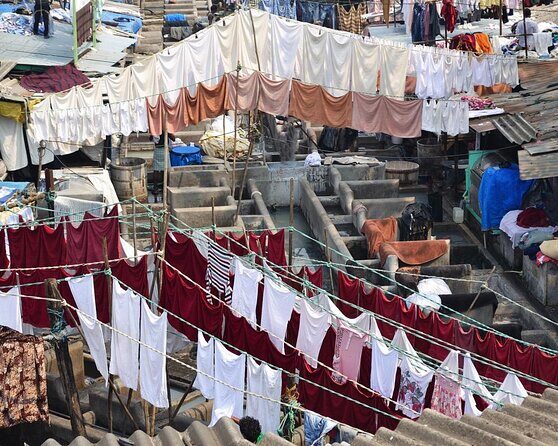
- Leather, Pottery, Soap, Bakery, and Color Dye: Skills in Tight Footprints
- Community Centre, Schools, Hospitals, and Shared Space
- Timing and Pace: How to Get the Most From 2 Hours
- Price and Value: $26 for Guide, Transport, and Refreshment
- Who This Tour Is For (and Who Might Want to Skip It)
- Should You Book This Dharavi Public-Transport Tour?
- FAQ
- How long is the Dharavi slum tour?
- Where does the tour take place?
- What is the price per person?
- What’s included in the tour?
- Is pickup and drop offered?
- Is the tour mainly walking?
- What highlights will I see?
- Are meals included?
- Does the tour require good weather?
- What is the cancellation policy?
Quick Hits to Know Before You Go
- Public transportation included: taxi, train, and bus are part of how you’ll travel during the tour.
- Watch recycling from start to finish: sorting leads to finished plastic pellets.
- Rooftop view from tin hutments: the stretch of housing is something you won’t forget.
- You’ll see more than workshops: schools, hospitals, houses in the slum, and a community centre all fit the route.
- Food isn’t included, but drinks are: mineral water and soda/pop come with the tour pace.
- Good guide matters here: Rakesh is highlighted in the local feedback for being friendly and explaining things clearly.
Entering Dharavi by Public Transportation, Not a Bubble
This tour makes a smart choice: you’re not chauffeured from one photo spot to another. Instead, you get pickup and drop, then travel using public transportation—taxi, train, and bus—so the trip feels connected to Mumbai, not sealed off from it.
The walking part is about what you can actually take in. You’ll move through small alleyways where work and daily life happen side by side. It’s an up-close experience, so expect a lot of sights in a short time, and don’t plan to treat it like a slow museum stroll.
You’ll also get a short break with refreshment so you don’t feel wrecked or dehydrated. For a two-hour tour, that little rhythm matters, especially in Mumbai.
You can also read our reviews of more tours and experiences in Mumbai.



Stop Focus: The One Guided Block That Shows the Real Machine
The tour is centered on one main destination: Dharavi itself, with a guided walk lasting about two hours. That single focus is part of the value. Rather than scattering your time across multiple stops, you concentrate on how industries operate in a tight footprint and how community spaces show up along the way.
In Dharavi, you’re looking at several work streams at once:
- Leather industries (including goods tied to export quality)
- Pottery
- Soap making
- Bakery
- Colour dye processes
- Plastic recycling
- Recycling of veg oil
- And the everyday civic mix: schools, hospitals, and houses
It can feel like a lot, but that’s also why it works. Your guide’s job is to connect the dots—how raw materials arrive, how work is split into small steps, and how finished items leave the neighborhood for domestic and international markets.
Plastic Recycling: Where the Tour Gets Most Hands-On
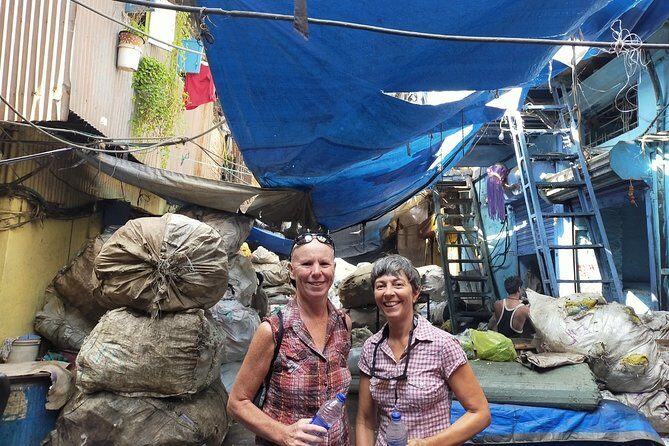
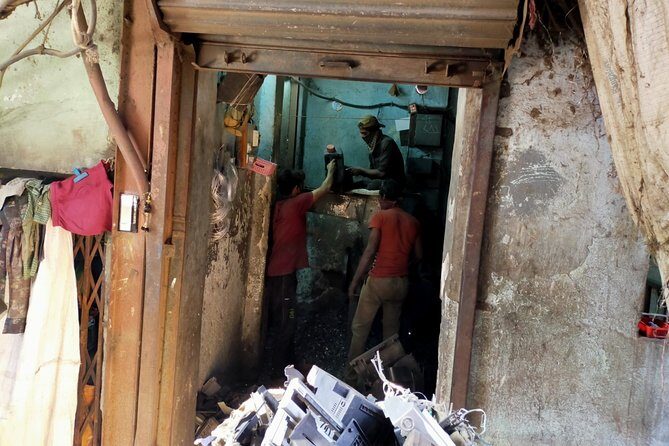
If you remember one part of the tour, make it the recycling area. This is where the experience turns from “interesting” to “I can picture the workflow.” You’ll see how metal and plastic are brought in from around the world to be processed locally.
The big highlight is the full chain:
- sorting
- handling materials through small stages
- and ending with finished plastic pellets
That last detail—pellets—helps your brain lock onto what you’re actually watching. These pellets aren’t the final consumer product; they’re raw material for the next factory. That makes Dharavi’s “tiny space” story click: lots of small steps add up to a real supply chain.
There’s also a practical benefit for you as a visitor. When you can track an actual process (not just a place name), the experience becomes easier to follow—even if you don’t speak local languages.
Rooftop Tin Hutments: The View That Changes Your Perspective
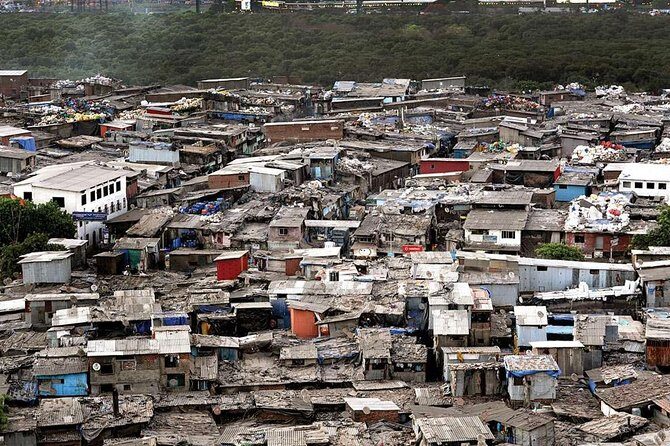
Then comes the rooftop visit. The tin hutments stretch out across the area as far as you can see, and that wide view hits differently than ground-level alley photos.
From up high, you start noticing how dense the built space is—and how “home + work” overlaps in a way you can’t always see from street level. It’s not just scenery. It’s a reminder that scale and engineering matter, even when resources are limited.
I’d treat the rooftop stop as your mental reset button. After seeing hands-on industry, you take in the bigger picture: how many lives are packed into the same footprint, and how community life keeps going above the workshops too.
Leather, Pottery, Soap, Bakery, and Color Dye: Skills in Tight Footprints
Dharavi isn’t known to you only for one product. The tour route is designed to show you variety—small industries producing items that travel farther than you might expect.
Here’s what you’ll likely encounter as part of the walk:
- Leather goods created in small industrial spaces tied to export quality
- Pottery made as part of local craft and production
- Soap making as a smaller-scale manufacturing step
- Bakery activity woven into the day-to-day rhythm
- Colour dye work, which shows how materials get transformed before they become finished goods
The common thread is the “small space, smart methods” idea. You’ll see how multiple tasks can fit into narrow rooms and how production doesn’t wait for big factory buildings. It’s a good tour for anyone who likes understanding how skilled labor adapts when space and money are tight.
The drawback? It moves fast. In two hours, you won’t get deep technical explanations for every process. You’ll get a guided overview that helps you notice what matters, then you move on.






Community Centre, Schools, Hospitals, and Shared Space
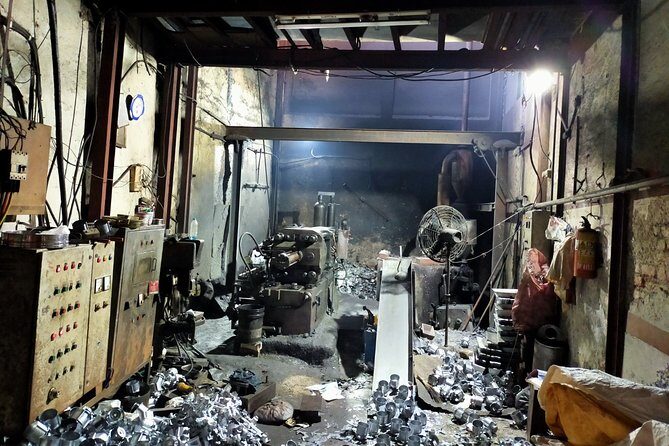
A strong part of this tour is that it doesn’t keep everything focused only on work. You also pass through parts of Dharavi tied to everyday needs, including schools and hospitals.
There’s also a stop at a community centre. That matters because it expands the story beyond production. You see that community infrastructure exists in parallel with industry.
One moment that stands out in the route’s description is the cultural mixing you may notice—like Muslim people creating a shrine for Hindus. It’s a reminder that religious and daily life aren’t always separated by neat lines in real neighborhoods.
This is where you’ll want to use the right visitor behavior. Keep your questions respectful, don’t block working areas, and remember you’re walking through people’s daily life.
Timing and Pace: How to Get the Most From 2 Hours
Two hours sounds short, but it’s a realistic length for a walking tour in a working neighborhood. You’ll cover enough to understand the major industries and see both street-level and rooftop viewpoints.
Here’s how I’d plan your day:
- Keep the tour as a main event, not a quick add-on.
- Wear comfortable shoes because you’ll be on your feet walking through alleys.
- Bring a water-minded attitude even though you’ll have mineral water included.
And if you’re expecting a calm stroll, adjust your expectations. Dharavi is active. You’re there to see work and life moving together.
Price and Value: $26 for Guide, Transport, and Refreshment
At $26 per person, this tour is priced like a budget experience—until you look at what’s included. You’re paying for a local English-speaking guide, mineral water, soda/pop, pickup and drop, and the use of public transportation (taxi, train, and bus).
That bundle changes the value equation. In a city like Mumbai, transport is not trivial, and a guide is not just translation—it’s context. Without that guidance, you’d probably miss why the processes matter and what you’re seeing.
What’s not included is also clear: no meals, and no personal expenses. If you have a big appetite later, plan for lunch or snack afterward on your own.
Also note: it’s described as private in the sense that only your group participates. That’s good if you want your guide’s time to stay with your set of questions rather than getting split across a large crowd.
Who This Tour Is For (and Who Might Want to Skip It)
This is a great fit if you like:
- industrial craft and small production processes
- neighborhood-scale logistics (how materials flow, how products get made)
- structured walking tours with clear highlights like recycling and rooftops
- English explanations from a local guide, including the kind of friendly, well-paced guidance highlighted by Rakesh
It may be less ideal if you:
- hate walking or tight alley spaces
- get uncomfortable with working areas and close human proximity
- need a trip that’s mostly scenery and light sightseeing
The weather note is important too. The experience requires good weather, and if it’s canceled because of poor conditions, you’ll be offered a different date or a full refund.
Should You Book This Dharavi Public-Transport Tour?
Book it if you want a short, guided, high-context experience that uses public transportation and shows you more than a single industry. The combination of plastic recycling (from sorting to pellets), a rooftop view of tin hutments, and stops connected to community life makes the two hours feel efficient.
Skip it if you want a comfortable, low-density experience or you’re not up for walking in active working areas.
If you do book, go in curious, stay respectful, and let the guide’s explanations do the heavy lifting. You’ll come away with a much clearer picture of how small-scale work can feed larger markets—and how community life keeps moving at the same time.
FAQ
How long is the Dharavi slum tour?
It’s about 2 hours on a guided walking tour.
Where does the tour take place?
The tour takes place in Dharavi, Mumbai, India.
What is the price per person?
The price is $26.00 per person.
What’s included in the tour?
The tour includes a local English speaking guide, mineral water, soda/pop, public transportation (taxi, train & bus), and pickup & drop.
Is pickup and drop offered?
Yes, pickup and drop are included.
Is the tour mainly walking?
Yes, it’s a 2-hour guided walking tour.
What highlights will I see?
You’ll visit areas that cover plastic recycling (including sorting to finished plastic pellets), a rooftop visit, and a community centre. The route also includes places tied to leather industries, pottery, soap making, bakery, colour dye, small alleys, schools and hospitals, and houses in the slum.
Are meals included?
No meals are included. Personal expenses are not included.
Does the tour require good weather?
Yes. It requires good weather, and if it’s canceled due to poor weather, you’ll be offered a different date or a full refund.
What is the cancellation policy?
You can cancel for a full refund if you cancel up to 24 hours in advance of the experience’s start time.