REVIEW · VARANASI
Two days admirable tour of Varanasi
Book on Viator →Operated by Sacred Varanasi Tour · Bookable on Viator
Two mornings can change how you see Varanasi. This tight sunrise hand-rowing boat day-and-night plan mixes river ritual, old-city lanes, Sarnath, and a set Aarti viewing setup that helps you plan your time well.
What I like most is how the route is built around the best light and the most dramatic moments, instead of just driving past them.
My other favorite part is the private balcony Aarti seating, which makes the evening Ganga Aarti feel special rather than frantic. The main drawback to keep in mind is that comfort and explanation quality can vary, and at least one past booking flagged an older vehicle and felt awkward about tipping pressure—so I recommend confirming details up front before you arrive.
In This Review
- Key moments you won’t want to miss
- Price and what you really get in two tight days
- Day 1: Getting oriented fast in Godowlia and the old ghats
- Day 1 evening: Ganga Aarti at Dashashwamedh Ghat, without the scramble
- Day 1 after Aarti: Manikarnika Ghat and temples that hit hard
- Bharat Mata Temple
- Sankat Mochan Temple
- Day 2 morning: Sunrise Ganges boat ride, planned for the best rituals
- Dashashwamedh Ghat again: Dawn’s calmer version of the same place
- Sarnath: Buddha’s teaching grounds plus the museum stop
- BHU campus: A needed pause between sacred sites
- Transportation, guide quality, and the tipping reality check
- What’s included (and what you’ll need to handle yourself)
- Weather and timing: why the tour asks for good conditions
- Who this tour fits best
- Should you book this 2-day Varanasi plan?
- FAQ
- What is the duration of this two-day Varanasi tour?
- What transportation is included?
- Do I get an English-speaking guide?
- Is the sunrise boat ride included?
- Are admission tickets included?
- Is food included in the tour price?
- Is cancellation free, and what conditions can cancel it?
Key moments you won’t want to miss
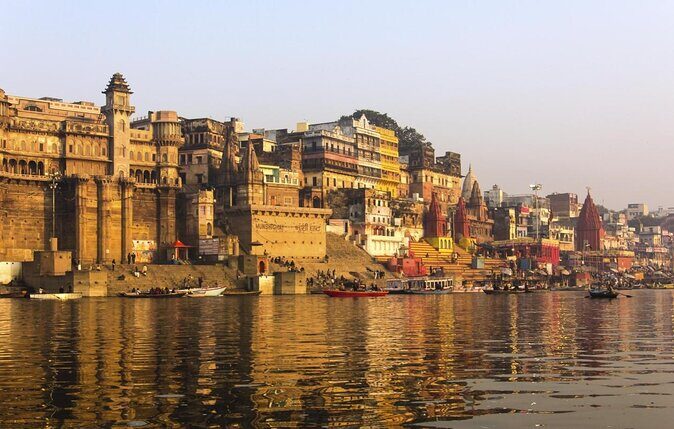
- Private sunrise boat on the Ganges for morning rituals you can actually see, not just read about
- Dashashwamedh Ghat Ganga Aarti with reserved viewing comfort (private chair on a private balcony)
- Manikarnika Burnt Ghat plus nearby temples like Bharat Mata and Sankat Mochan
- Sarnath in a single block with the temple area and a short museum stop
- BHU campus time to break up the religious sightseeing with a dose of modern India
Price and what you really get in two tight days
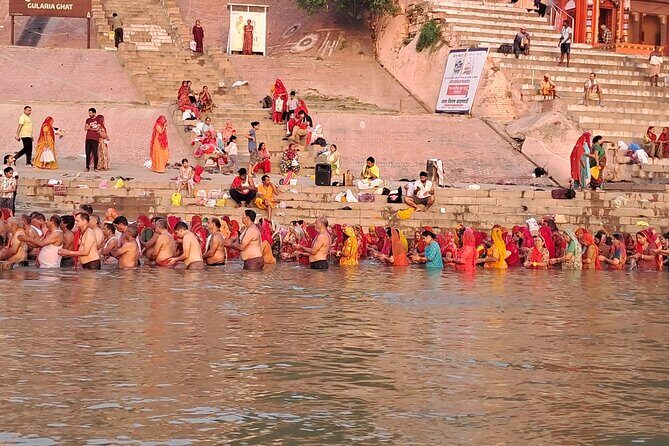
At $117.95 per person for about two days, this is priced like a “high-impact” Varanasi sampler. You’re paying for convenience (pickup, transport) and for getting the right experiences in the right order—especially the sunrise boat and the evening Aarti.
It’s also set up as a private group tour, so you’re not getting shoved into a huge cattle-car schedule. That matters in Varanasi, where timing and crowd flow can turn a smooth day into a stressful one.
And yes, water is included each day. That sounds small, but in the heat and on walking days, it’s one less thing to think about.
A few more Varanasi tours and experiences worth a look
Day 1: Getting oriented fast in Godowlia and the old ghats
Most trips in Varanasi start with orientation, and this one does it for you. You’re met at Varanasi Airport or the railway station and transferred to your hotel, then the sightseeing begins with a walk through the old-city entry area around Godowlia bazar.
This part is all about feel. You pass through a hub of daily activity—shops selling puja items, spices, and street-food style snacks. It’s not a museum stroll. It’s the real entrance vibe, where you quickly understand why Varanasi feels like a living marketplace stitched to religion.
Practical note: the guide representing the company can meet you after arrival, but the representative cannot enter the baggage collection area. So if you want a smooth meetup, be ready outside that zone and keep your phone or driver instructions handy.
Day 1 evening: Ganga Aarti at Dashashwamedh Ghat, without the scramble
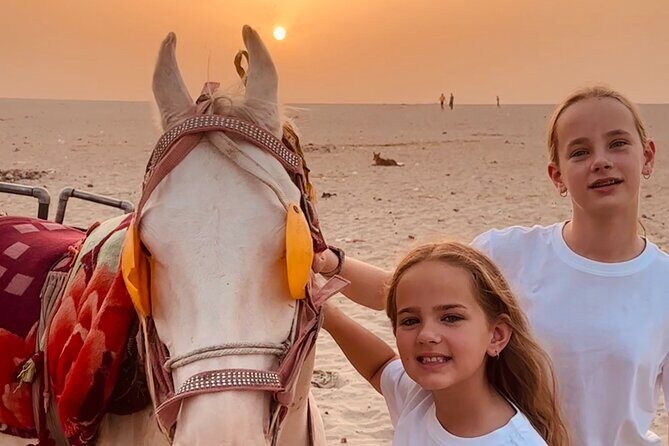
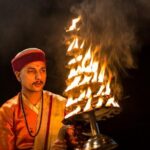
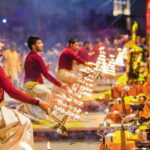
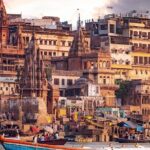
The headline moment on Day 1 is the evening Ganga Aarti at Dashashwamedh Ghat. This is where the river turns into a stage: lamps, chanting, and ceremonial movement along the ghats.
What makes this tour smarter than the basic version is the inclusion of a private chair on a private balcony so you can watch from a better vantage point. You still get the atmosphere, but you’re not spending the evening trying to balance, angle, and fight for sightlines.
Time also matters here. The tour is planned so you reach the ghats during the key window of the ceremony, not hours after it’s already started. That’s a big deal in Varanasi, where good viewing spots disappear fast.
Day 1 after Aarti: Manikarnika Ghat and temples that hit hard
After the Aarti, the itinerary moves toward Manikarnika Ghat, known as the burnt ghat. This is not comfortable sightseeing. It’s intense, spiritual, and visually unforgettable—the kind of place where your brain keeps trying to categorize what it’s seeing.
If you’re sensitive to death-related rituals, give yourself permission to take breaks. Use slower walking, stay close to your guide, and don’t feel like you have to stare to “get it.”
Then the tour threads in two temples that broaden the meaning of the day:
Bharat Mata Temple
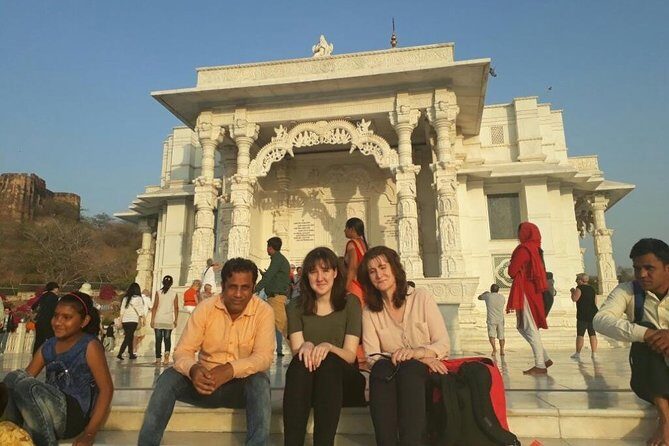
The Bharat Mata Temple (built in 1936 by Bir Singh Patel) is dedicated to Mother India. Instead of a traditional idol, the temple features a large marble relief map of undivided India (pre-1947). It’s a different kind of sacred space—less about gods-in-front-of-you, more about national identity made physical.

Sankat Mochan Temple
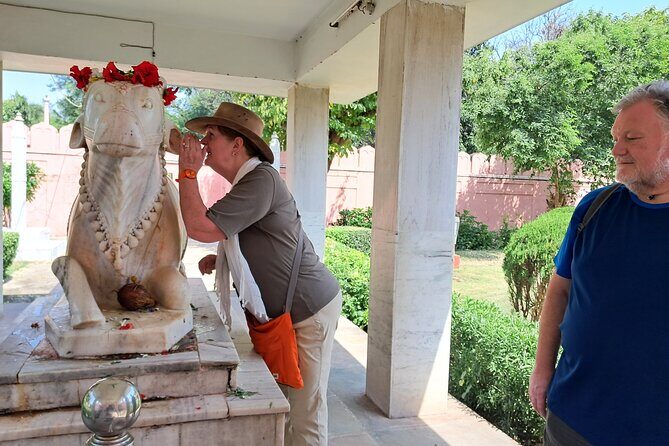
Next is Sankat Mochan Temple, famous for Hanuman. It’s associated with the early 16th century and the saint-poet Goswami Tulsidas (linked to Ramcharitramanas). This stop is short, but it’s the kind of place where you feel the local faith instantly.
Day 2 morning: Sunrise Ganges boat ride, planned for the best rituals
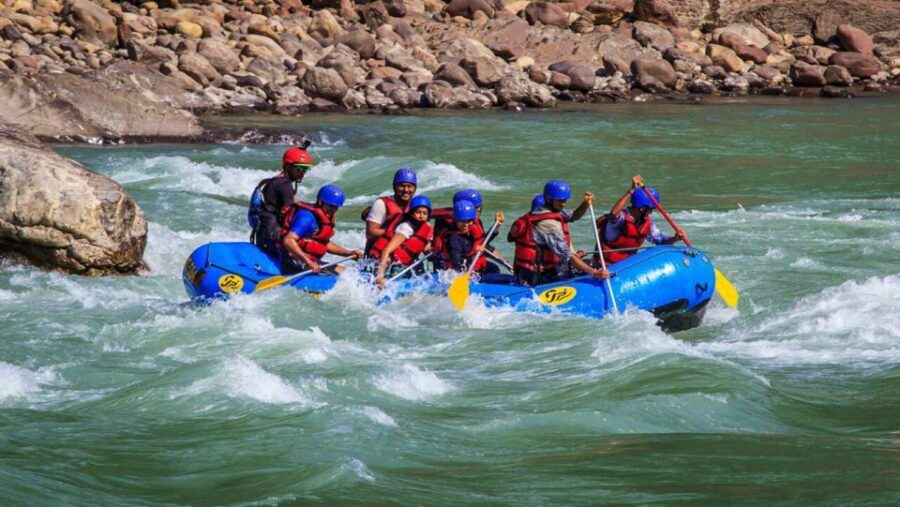
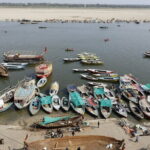
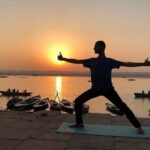
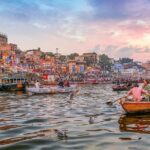
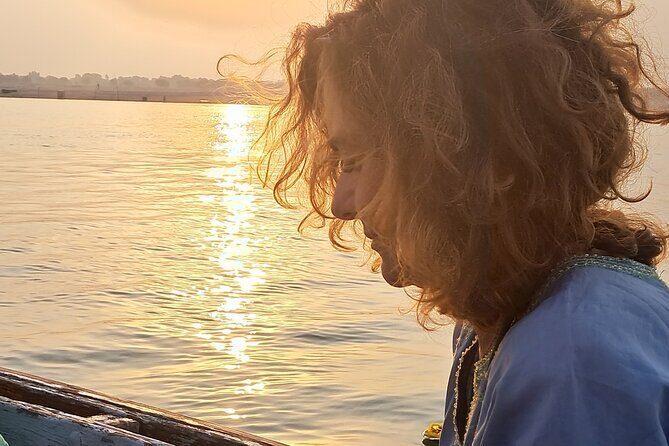
Day 2 starts earlier, with a Ganges river boat ride at sunrise departing from your hotel before breakfast. The point isn’t just scenery. It’s that early light and morning quiet when you can see morning life and ritual on the river banks more clearly.
This is where many short Varanasi trips fall apart. Without a good plan, you’re either late for the moment or stuck watching from the wrong angle. Here, the route is built to get you on the water at the right time.
And since the boat is described as private hand-rowing, you get a more human pace than big-boat traffic. That makes it easier to watch what’s happening along the ghats as the morning begins.
Dashashwamedh Ghat again: Dawn’s calmer version of the same place
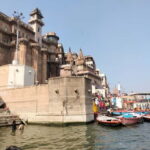
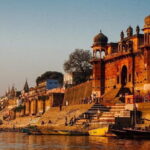
You’ll return to Dashashwamedh Ghat as daylight arrives. At dawn, the ghats feel less like a ceremony performance and more like a working spiritual shoreline—people preparing for the day, water activities beginning, and the river fully awake.
The walking around here can be easier than the evening rush. It’s still busy, but your brain isn’t dealing with ceremony timing. It’s a smoother second pass.
Sarnath: Buddha’s teaching grounds plus the museum stop
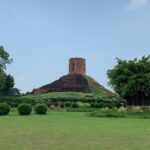
From Varanasi city, you head to Sarnath, where early Buddhism’s big moments happened. The tour time is designed as a full block (not a quick photo dash), so you can move at a humane speed.
This is also where the experience balances emotion with context. The Sarnath Museum is included with a separate stop. It was established in 1910 by the British Government to preserve and display archaeological finds from the excavations in Sarnath. Even if you’re not a deep-archaeology person, it helps make sense of the site by putting objects and evidence in front of you.
You also get time for local browsing in the area. The tour description hints at a spice market / food shop element around the Sarnath area, guided so you don’t get lost. This is a good fit for people who want a real takeaway: spices, small snacks, or practical gifts—without turning the day into a navigation challenge.
BHU campus: A needed pause between sacred sites
The tour also includes time at Banaras Hindu University (BHU). BHU was founded in 1916 by Pandit Madan Mohan Malaviya, and the campus covers about 1,300 acres. You’ll see a mix of modern and traditional architecture.
Why include BHU on a two-day religious itinerary? Because it breaks the pattern. After temples and ghats, a campus walk gives your senses a reset. It’s also a real reminder that Varanasi is not only ancient ritual—it’s also education, daily life, and contemporary India.
The tour keeps this stop relatively short, so you still have time to end your day feeling like you did a lot, not feeling exhausted from aimless wandering.
Transportation, guide quality, and the tipping reality check
The tour includes private transportation with an air-conditioned Etios or Innova, plus a government-approved English-speaking guide. On paper, that’s exactly what you want for a short trip in Varanasi.
Still, I’d treat one thing as a planning checklist item: vehicle condition and clarity of explanation. In one piece of feedback, a guest noted an older car and said the guide wasn’t very explanatory. That doesn’t mean it will happen to you—but it’s a useful warning to ask a couple of questions when you connect for the tour.
Also, gratuity can get awkward. The itinerary notes that gratitude isn’t included, and in one negative feedback, tipping felt implied rather than freely chosen. Your best move is simple: decide your comfort level with tipping before you reach the ghats, and if needed, politely ask how it’s handled. The goal is to keep things relaxed, not stressful.
What’s included (and what you’ll need to handle yourself)
This tour is strong on logistics. Included are:
- Private transportation and all fees and taxes
- Government-approved English-speaking guide
- Private hand-rowing boat
- Pick up & drop with sightseeing as per the itinerary (A/C Etios or Innova)
- One bottle of mineral water each day
- Private balcony seating for the evening Aarti
What’s not included is equally important:
- Food (so plan for breakfast on Day 2 and meals between temple times)
- Gratitude
Also, a note about the itinerary: the route references a variety of tickets as included, but one temple—Bharat Mata Temple—is listed as free. So when you’re packing, don’t assume everything is charged in every case. You’re generally covered, but it’s okay to keep a little cash just in case.
Weather and timing: why the tour asks for good conditions
This experience requires good weather. That makes sense because boat rides and long walking sections depend on visibility and conditions.
So keep your expectations flexible if you’re traveling in a season where rain is common. If weather cancels the tour, the plan offers a different date or a full refund.
As for timing, this is an early-start, late-night type of trip. You’ll be out for sunrise, and you’ll also be at Ganga Aarti in the evening. If your body runs cold in the morning or you hate early alarms, this is still doable—but you’ll want to plan your sleep like it’s part of the itinerary.
Who this tour fits best
This one works best for you if:
- You’re short on time and want to cover ghats, temples, Sarnath, and Aarti in a tight schedule
- You like guided structure so you don’t waste hours figuring out directions
- You’re excited by sunrise ritual and want a better view than the usual scramble
It’s also a good pick if you’re traveling as a couple, small group, or solo traveler who wants a private-feeling schedule. The tour says only your group will participate, so you get a more controlled pace than mass group tours.
If you’re the type who hates discomfort near cremation-ghat areas, or you need lots of downtime between stops, you might want a gentler version.
Should you book this 2-day Varanasi plan?
I’d book it if you want Varanasi’s core experiences in two days and you care about timing—especially the sunrise boat and the reserved Aarti viewing. Those are the two elements that most strongly justify the price because they’re hard to recreate on your own quickly.
Before you confirm, do two small things to protect your trip:
1) ask the operator about vehicle condition and pickup timing, and
2) clarify how gratitude/tipping is expected so you don’t feel pressured in a place that already runs on emotion and ritual.
If those checks feel good, this is a smart way to experience Varanasi without losing days to logistics.
FAQ
What is the duration of this two-day Varanasi tour?
The tour is listed as approximately 2 days.
What transportation is included?
The package includes private transportation with pickup and drop for sightseeing, using an air-conditioned Etios or Innova car.
Do I get an English-speaking guide?
Yes. The tour includes a government-approved English-speaking guide.
Is the sunrise boat ride included?
Yes. The tour includes a private hand-rowing boat for the sunrise Ganges river ride.
Are admission tickets included?
Many entries are marked as included, with one exception noted: Bharat Mata Temple is listed as free. Some other items are also listed as free, such as the Ganges river boat ride.
Is food included in the tour price?
No. Food is not included.
Is cancellation free, and what conditions can cancel it?
Cancellation is free up to 24 hours in advance for a full refund. The experience also requires good weather; if canceled due to poor weather, you’ll be offered a different date or a full refund.