REVIEW · RISHIKESH
Rishikesh: Ganges River Rafting Adventure
Book on GetYourGuide →Operated by Three Corners United · Bookable on GetYourGuide
The Ganges rafting here keeps it real and fast. I really like the thorough safety briefing and the fact that you’re handed proper safety gear before you hit the water. The one thing to watch is extra-pay requests for items that are supposed to be included, like river entry or added photos/videos.
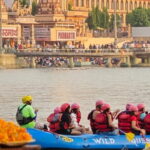
This is a 3.5-hour white-water trip with rapids rated Class II to IV, so you get a mix of manageable and punchier moments. It’s a great fit if you want energy, nature, and a crew that can read the river. But pregnant travelers and people with mobility impairments should skip this one.
In This Review
- Key highlights you’ll care about
- Why this Ganges rafting feels like more than a thrill ride
- Meeting at M.B.Adventure and getting to the launch area
- The safety briefing and gear: what you’re getting before the first rapid
- Class II to IV rapids: how difficulty actually plays out
- The named rapids: Roller Coaster, Golf Course, Double Trouble
- Himalayan foothills scenery: why you notice it more on a raft
- The ride rhythm: what 3.5 hours tends to feel like
- Price and value: is $21 actually a deal?
- What’s included vs. what you’ll need to handle yourself
- Who this rafting day suits best (and who should skip)
- Should you book this Rishikesh Ganges rafting?
- FAQ
- Where do I meet for this rafting trip?
- How long is the rafting experience?
- What does the price include?
- What is the river difficulty level?
- Are photos and videos included?
- Is food or drinks included?
- What languages do the instructors/guide speak?
- Is the activity refundable if my plans change?
- FAQ
- Is the activity suitable for everyone?
- What should I do if someone asks for extra money on site?
- Can I book with flexible payment plans?
- Does the operator provide transportation from the meeting point?
Key highlights you’ll care about
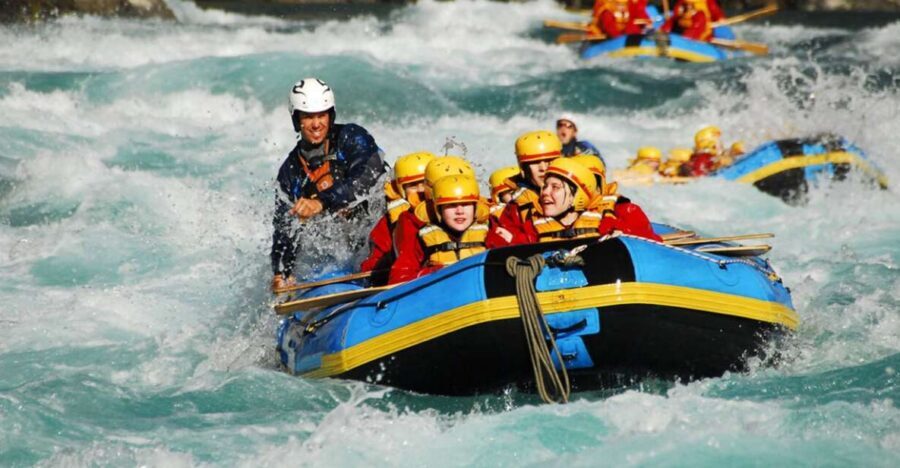
- Safety gear first: life jackets and helmets, plus an on-river briefing from trained guides
- Class II to IV rapids: difficulty can shift with season and water flow
- Iconic rapid names: Roller Coaster, Golf Course, Double Trouble, and more
- Guides in Hindi and English: you’ll get instructions you can actually follow
- Value at $21: transportation to the launch point, guide, ride, and gear are included
- Extras aren’t included: photos and videos cost extra, and food/drinks are on you
Why this Ganges rafting feels like more than a thrill ride
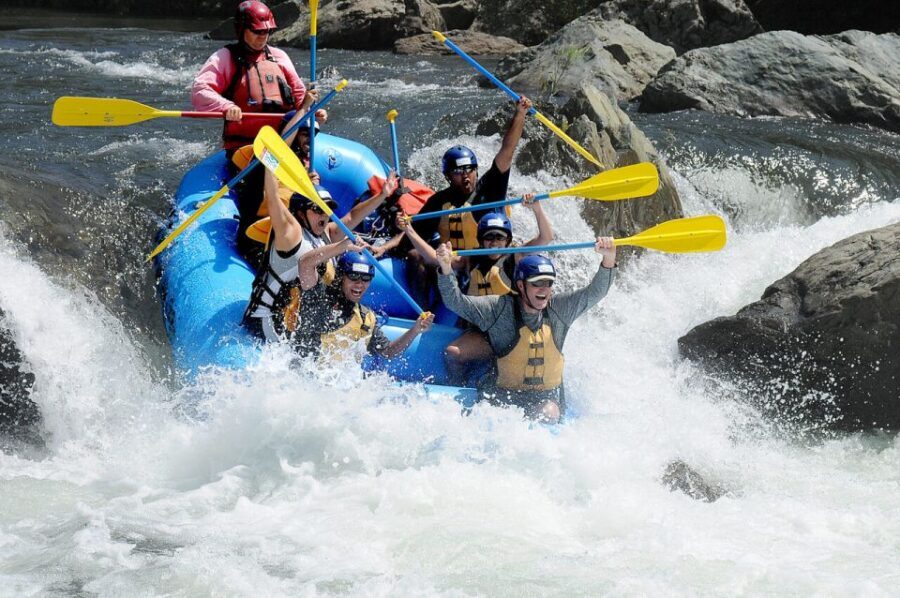
Rishikesh rafting sits in a sweet spot: it’s exciting, but it’s also guided with enough structure that you’re not just hoping for the best. The river section here is described as Class II to IV, which usually means you’ll get moderate rapids alongside a few more demanding chunks. That mix matters because it gives you that adrenaline hit without making the whole trip feel like a wall of chaos.
I also like that the operation builds in safety instead of treating it like a formality. You arrive, you meet the team, you get life jackets and helmets, and you go over how to handle the raft and your body in fast water. On a river day, that difference shows up fast. You feel more confident because you’re not guessing.
One practical note: the trip is 3.5 hours, which is long enough to feel like you did something substantial, but short enough that the logistics stay manageable. And when people ask if it’s worth it for the money, the answer is yes—if you pay attention to what’s included and what’s optional (more on that later).
You can also read our reviews of more tours and experiences in Rishikesh.


Meeting at M.B.Adventure and getting to the launch area
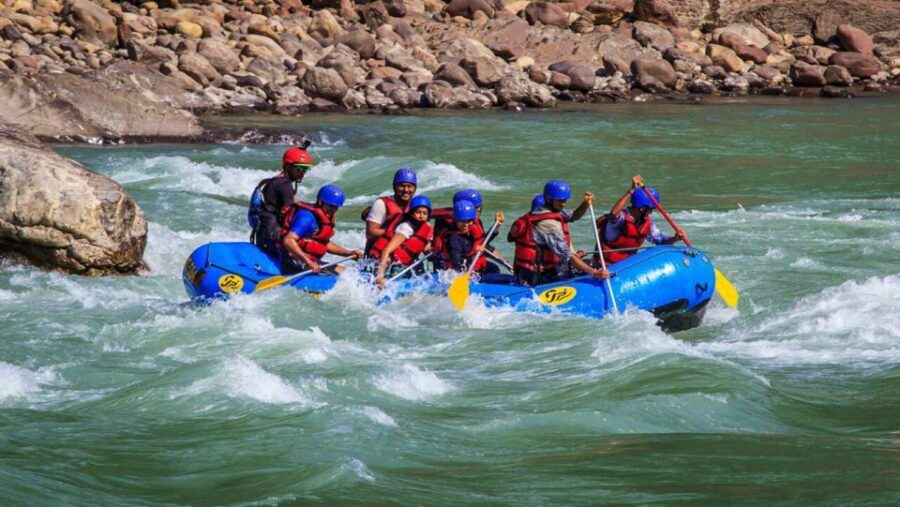
Your day starts at M.B.Adventure – Maa Bhagwati Adventure. From there, you’ll be transported to the launching area. This matters because rafting is one of those activities where location is everything. If you’re stuck finding the put-in by yourself, you burn time and stress—and stress is the enemy of a good river day.
The experience format is also set up for convenience: transportation to the launch point is included, and you also get skip-the-ticket-line style processing. In plain terms, you spend less time waiting around and more time getting briefed and on the water.
One detail worth keeping in mind: at least one booking noted they were picked up by car and then dropped back at their hotel afterward. That’s not stated as a universal promise in the info you have, so don’t assume it will happen the same way for every group. But it’s a helpful signal that the company understands travelers want smooth door-to-door flow.
If you’re staying in Rishikesh, this kind of organized transfer helps you avoid the common rafting headache: trying to coordinate taxis, river access, and timing while everyone else is already gearing up.
The safety briefing and gear: what you’re getting before the first rapid
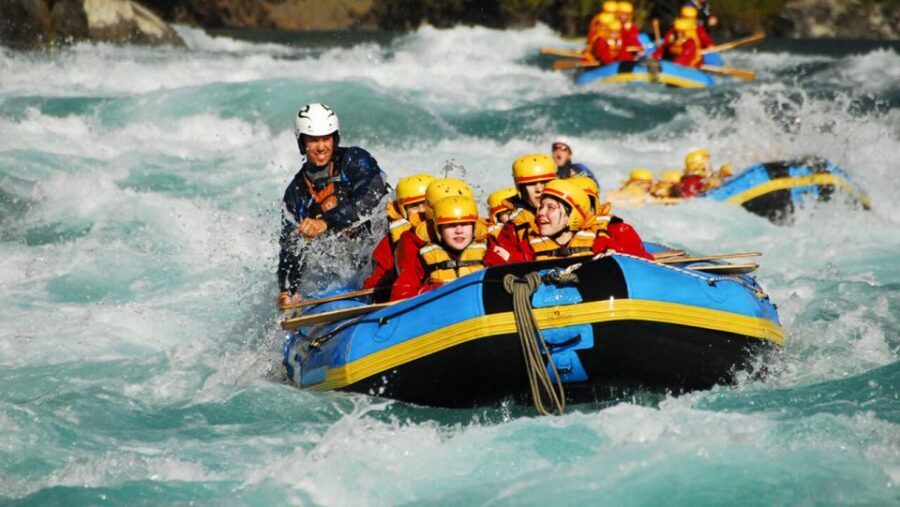
Before you hit the water, you’ll receive a briefing and the core safety setup. That includes life jackets and helmets. It sounds basic, but on rivers with shifting conditions, that gear is the foundation for comfort and confidence.
The guides are trained to handle different river conditions, which is the key detail. Rivers don’t stay the same, and the Ganges in this section is described as Class II to IV, with the exact difficulty varying by season and water flow. So the right skill isn’t just knowing the rapids—it’s adjusting your approach as the river changes.
You should also expect a structured explanation of what to do as you move through varying rapids. You’ll get coaching that covers how to sit or brace, when to follow guide cues, and how to react if the raft hits faster, choppier water. This is one of the biggest reasons this trip works well across skill levels: you aren’t left on your own to figure out river body language.
The other advantage is that the crew communicates in Hindi and English. That’s not a luxury. It means you can ask questions, understand instructions, and actually follow them when things get noisy and fast.
Class II to IV rapids: how difficulty actually plays out
The headline grading is Class II to IV. Here’s the honest meaning in everyday language:
- Class II usually feels like fun ripples with clear guidance and straightforward paddling cues.
- Class III adds more power, more turbulence, and less time to second-guess yourself.
- Class IV is where you want to be mentally awake and fully follow the guide. The water is rougher, bigger, and less forgiving.
The tricky part is that difficulty can shift with the season and water level. That’s why I like that the guides are trained for different conditions. It’s also why you should treat this rafting as active, not passive. You’re part of the raft crew, even if the main work is steering and timing.
What you’re likely to feel during the trip is a progression: start with the river settling your nerves, then move toward more action as you go. That pacing helps beginners because the earlier rapids act like a training run. For experienced rafters, it gives you enough intensity to keep you engaged instead of cruising the whole time.
Also, remember the time box: 3.5 hours. You don’t have to “survive” all day. The goal is to pack a strong set of rapids into a controlled timeframe, which is a big value factor.
The named rapids: Roller Coaster, Golf Course, Double Trouble
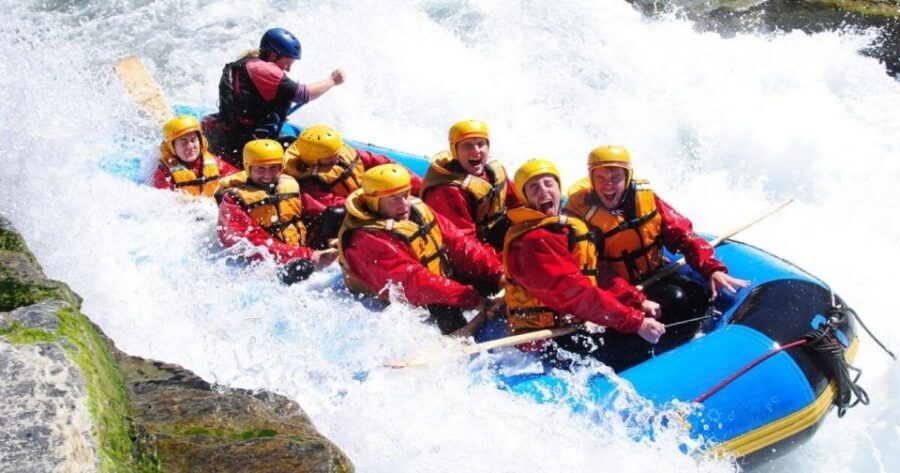
One of the most fun parts of this rafting experience is that the ride includes iconic sections with names like Roller Coaster, Golf Course, and Double Trouble. Those sound playful, and that’s part of the point. River operators use names to help people anticipate what a section feels like, not just what it looks like.
Even without getting overly technical, here’s what these names suggest:
- Roller Coaster: expect frequent up-and-down motion and quick changes in how the raft rides the current.
- Golf Course: often implies a smoother feel in between bursts, maybe a section where you can catch your breath and reset.
- Double Trouble: you can guess it’s the kind of stretch where the challenge hits more than once, requiring sharper focus and quicker reactions.
The practical value of named rapids is that they create a “story” for your ride. Instead of wondering whether you’re hitting the interesting bits yet, you start connecting sensations to the run sequence. That makes the trip more memorable, especially if you’re rafting for the first time.
And because the guides are trained for varying river conditions, these segments can still feel consistent in spirit, even if the water flow changes the exact intensity.


Himalayan foothills scenery: why you notice it more on a raft
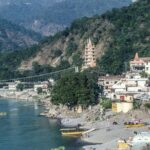
Most rafting descriptions stop at the thrill. Here, the scenery is part of the point. You’ll flow through a stunning stretch near the Himalayan foothills, with views that can include lush forests, rocky cliffs, and pristine surroundings.
Why that matters from a traveler’s perspective: in fast water, your attention narrows to the next cue from your guide and the next splash. But the river corridor still frames the whole experience. Even when you’re bracing, you catch glimpses of greenery and rock. It makes the day feel like it belongs in India, not like it could happen anywhere with a safety video and a ticket booth.
This is also why the 3.5-hour format works. It gives you enough time for your excitement to shift into appreciation. You start the ride tense, then you start reading the rhythm. When you finally relax, you notice the scenery more.
The ride rhythm: what 3.5 hours tends to feel like
A rafting trip this length is long enough that you’ll experience multiple “modes.” Early on, you’re listening more than you react. Mid-ride, you’re adapting—your body learns where to brace, and you start timing your attention with the water. Later, you’re more relaxed and better able to enjoy the moment rather than just surviving it.
The operation is set up to be energetic and organized, with guidance that keeps you steady even when the rapids get more forceful. That combo is why rafting can work for multiple ages and skill levels here. You’re not expected to be an expert athlete to enjoy it; you’re expected to be a responsive participant.
Also consider the language support. When instructions are in Hindi and English, the “mental overhead” drops. You spend less effort trying to interpret cues and more effort enjoying the ride.
Price and value: is $21 actually a deal?
$21 per person is low enough that you should ask what you’re truly paying for. The included items here are meaningful:
- transportation to the launching point
- guide
- rafting ride
- safety gear (life jackets and helmets)
That’s a lot bundled into a single rate. The value comes from not having to arrange a separate driver, not having to find a gear shop, and not getting a barebones experience.
Where value can get messy is when extras get marketed at the wrong moment. One booking specifically noted that they were asked for additional money related to entering the river, despite the expectation that it was already included in the price. The good news is that when they declined the extra request, it resolved smoothly.
So here’s my practical advice: when someone asks for extra cash, pause and confirm what it’s for and whether it’s already covered. Ask calmly, and keep your expectation aligned with what’s stated as included.
Also, photos and videos are not included. In one case, the quoted add-on was 1500 rupees. If you want that kind of souvenir, plan for it ahead of time. If you don’t, you’ll save money and avoid any awkward negotiations mid-day.
What’s included vs. what you’ll need to handle yourself
This tour includes the essentials for the activity: transportation to the launch area, a guide, the rafting ride, and safety gear. What’s not included is equally important.
Not included:
- photos and videos
- food and drinks
Because food and drinks aren’t included, you should plan to eat before you go or carry your own plan for hydration and snacks based on how you normally handle active half-days. The rafting time is short enough that you can manage it, but it’s still physically active, and water days make you thirstier than you expect.
On the souvenir side, assume camera services cost extra. If you’re the type who likes to collect action shots, treat it like an optional upgrade rather than part of the main deal.
Who this rafting day suits best (and who should skip)
This rafting adventure is designed to be exciting across skill levels, which is exactly what you want in a group activity. Beginners benefit from the safety gear, briefing, and guide coaching. More experienced rafters tend to like the Class II to IV range because it includes sections that feel properly challenging.
It’s also a good option for people who want an adrenaline activity without turning the day into a long, complicated logistics mission. You get a clear meeting point, transport to the launch area, and a contained 3.5-hour adventure.
But it’s not for everyone:
- Pregnant women
- People with mobility impairments
Also, if you get anxious about “add-on” costs during tours, you’ll want to be firm about what you expect to be included. One of the most valuable lessons from real-world bookings is that operators may try to upsell at certain points, even when you’re under the impression everything is covered. Keep your questions ready.
Should you book this Rishikesh Ganges rafting?
If you want a straightforward rafting trip with safety gear included, trained guides, and enough time on the water to feel like a real adventure, I’d say this is worth booking. $21 is strong value when transportation to the launch point and the gear are part of the package.
Book it if:
- you’re comfortable with water and following instructions
- you want the mix of moderate and more intense rapids (Class II to IV)
- you like the idea of guided rafting with English support and a set 3.5-hour timeframe
- you can handle the possibility of optional photo/video add-ons
Skip it if:
- you’re pregnant or have mobility impairments
- you dislike any possibility of extra payments and don’t want to confirm what’s included
- you’re only looking for gentle scenery with zero action
FAQ
Where do I meet for this rafting trip?
Please meet at M.B.Adventure – Maa Bhagwati Adventure.
How long is the rafting experience?
The duration is 3.5 hours.
What does the price include?
Transportation to the launching point, a guide, the rafting ride, and safety gear (life jackets and helmets) are included.
What is the river difficulty level?
The Ganges in this area is graded as a Class II to IV river, and the exact difficulty can vary depending on season and water flow.
Are photos and videos included?
No. Photos and videos are not included.
Is food or drinks included?
No. Food and drinks are not included.
What languages do the instructors/guide speak?
The instructor/guide language options are Hindi and English.
Is the activity refundable if my plans change?
Yes. Free cancellation is available up to 24 hours in advance for a full refund. You also have a reserve now & pay later option.
FAQ
Is the activity suitable for everyone?
No. It is not suitable for pregnant women and people with mobility impairments.
What should I do if someone asks for extra money on site?
Because photos/videos and food/drinks aren’t included, only pay extras that are clearly optional. If you’re asked for something that you think should be included, ask what it covers before paying.
Can I book with flexible payment plans?
Yes. You can reserve now and pay later, keeping your plans flexible.
Does the operator provide transportation from the meeting point?
Transportation to the launching point is included as part of the experience.