REVIEW · VARANASI
Varanasi tour in 2 days without accommodation
Book on Viator →Operated by Tour Varanasi · Bookable on Viator
Two days in Varanasi feels like a whirlwind. This is a private 2-day sightseeing plan that strings together the city’s most meaningful moments: an old-town walk with temples and food-stall stops, a sunrise Ganges boat ride paired with aarti ceremony viewing, and a full visit to Sarnath tied to Buddha’s first sermon. I like how you’re set up with practical logistics (private car, local guide, monument entry fees handled) and how the aarti is watched from a reserved vantage instead of from the back of the crowd. One drawback to consider: you need to arrange your own lodging and you’ll be up at around 5:00 a.m. for the river morning.
For Day 1, you start with an airport/railway arrival pickup and a transfer to your booked hotel, then move into the older lanes for guided exploring before finishing at Dashashwamedh Ghat for the evening aarti from a private balcony. For Day 2, you check out and shift to Sarnath after the early boat-and-ghat segment, which makes this a strong choice if your time in Varanasi is limited but you still want the spiritual core.
In This Review
- Key Things I’d Pack for This Kind of Varanasi Trip
- Day One: Old Lanes, Banaras Ghats, and a Ganga Aarti Balcony View
- A small practical warning for Day 1
- Day Two at Sunrise: Hand-Rowed Boat, Manikarnika Ghat, and Sarnath’s Key Sites
- Manikarnika Ghat: sacred, powerful, and not for everyone
- Sarnath after checkout: Buddha’s first sermon setting
- How the Private Car and Local Guide Actually Improve Your Day
- Aarti Seating and the Sunrise Boat: Comfort Without Losing the Meaning
- Price and Value: What $135 Covers, and Where Costs May Sneak In
- What to Expect: Timing, Pace, and the Varanasi Factor
- Who This Varanasi Tour Is Best For (and Who Might Want Something Different)
- Should You Book This Two-Day Varanasi Tour?
- FAQ
- Where does the tour pick you up?
- Is accommodation included in this two-day tour?
- Is this tour private or shared with other people?
- What time is the sunrise boat ride pickup?
- Do you get reserved seating for the Ganga Aarti?
- What stops are included in Sarnath?
- Are monument entry fees included?
- Are meals included during the tour?
- Is the tour suitable for children?
Key Things I’d Pack for This Kind of Varanasi Trip
Bring comfortable shoes since you’ll do a guided walking segment through old lanes and steps.
Plan for a very early start because sunrise timing changes by month but the pick-up is about 5:00 a.m.
Expect intense river rituals on the Manikarnika Ghat stop, including Hindu cremation ceremonies.
Go light on big meals before boat time, since you’re moving quickly between early sights.
Remember meals are not included (mineral water is), so plan snacks you can tolerate.
Accept that tips and drinks are extra since they’re not part of the package.
Day One: Old Lanes, Banaras Ghats, and a Ganga Aarti Balcony View
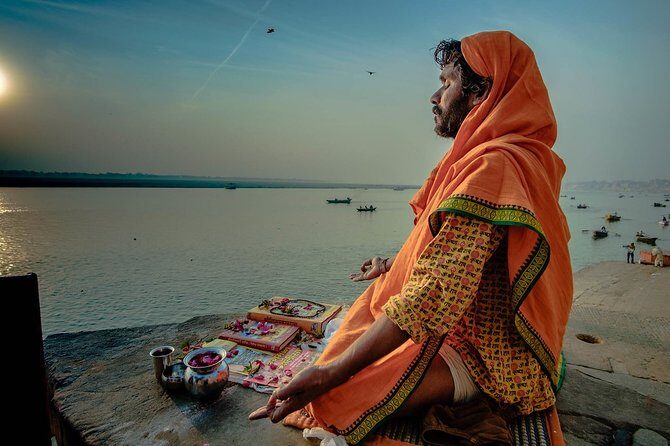
Day 1 is built around getting you oriented fast and then dropping you into the flow of Varanasi life. After you arrive at Varanasi airport/railway station, your guide meets you at the exit gate with your name on a page. You then head to your booked hotel, and the guide stays with you until your onward travel timing for the return segment mentioned in the experience details.
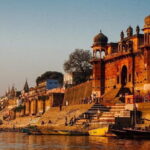
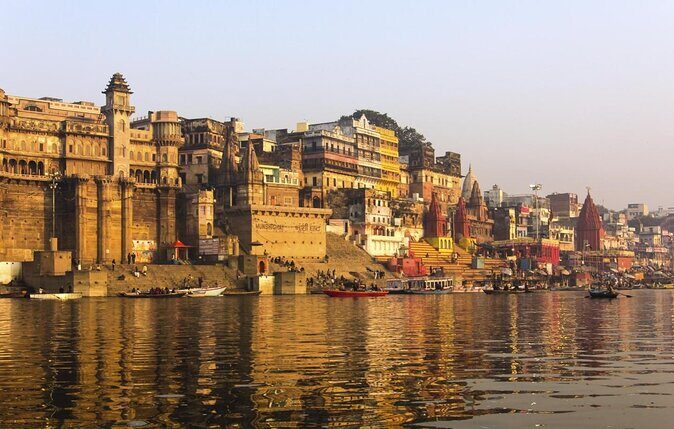
Once you’re set, you drive to the Banaras Ghats area and step into the old lanes and alleys. This part matters more than it sounds. In Varanasi, the “straight-line” approach doesn’t work well. A guide-led walk through the older streets helps you connect what you’re seeing—temples, smaller shrines, and the rhythm of daily activity—with why people treat the riverfront as a living spiritual address.
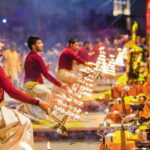
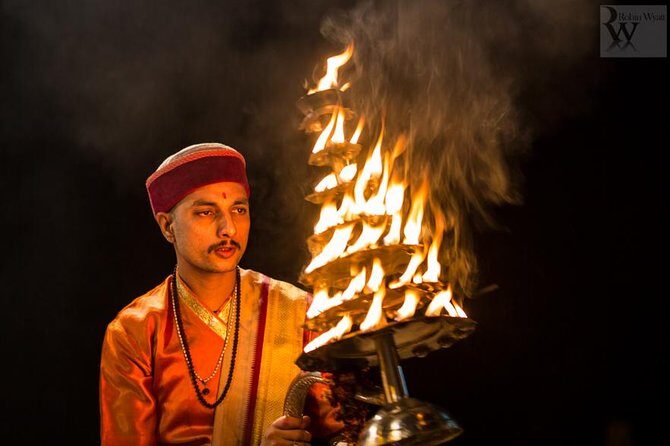
Then comes the evening payoff: Ganga Aarti at Dashashwamedh Ghat. Instead of squeezing into a mass of bodies, you’re set up in a private balcony with reserved chairs and a best-view setup. If you care about photos, it’s easier to get them here without spending the whole ceremony craning your neck. If you care about the meaning, it’s still a big win: you can actually watch the ritual calmly and understand the flow of the ceremony rather than getting shoved into a bad angle.
Aarti itself is described as a mantra recitation with bells, drums, and cymbals. In practical terms, it’s not just a performance. It’s a sensory event, and the reserved seating helps you focus instead of constantly negotiating space.
A few more Varanasi tours and experiences worth a look

A small practical warning for Day 1
The ghats and old lanes can be crowded and active. You’ll do a fair amount of walking and standing, and some people feel a little overwhelmed if they expect a quiet museum pace. The good news: your day is structured, and the guide keeps it moving without turning it into a checklist sprint.
Day Two at Sunrise: Hand-Rowed Boat, Manikarnika Ghat, and Sarnath’s Key Sites
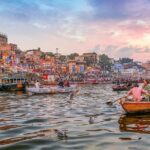
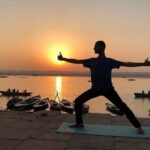
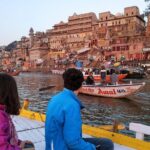
Day 2 starts early, because Varanasi does sunrise well. You get picked up from your hotel lobby around 5:00 a.m. (the exact time shifts with sunrise in your month). Then you drive to the Ganges and step into a private hand-rowed boat.
This is one of the best value moments in the whole program. A private boat keeps the experience from feeling rushed or crowded, and a hand-rowed craft adds a quiet, slower rhythm compared with bigger motor boats. The purpose isn’t to chase speed; it’s to let you watch the riverwake and the morning atmosphere build.
The boat ride is tied to the morning ceremony experience described in the tour summary. Think of it as a spiritual and visual transition: after the early morning quiet, you arrive at the next ghat stop with a totally different energy than you’d get later in the day.
Manikarnika Ghat: sacred, powerful, and not for everyone
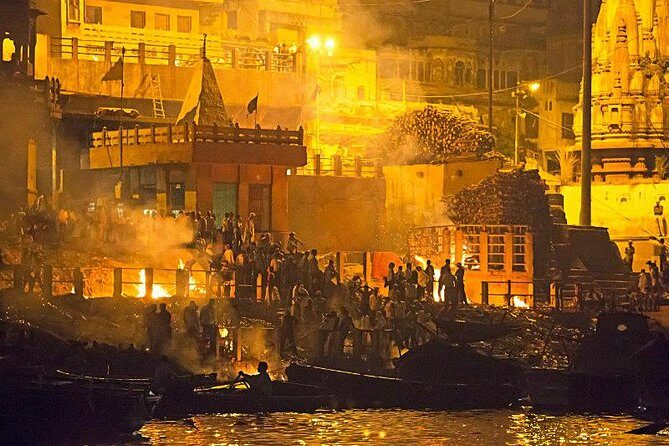
Next you get off at Manikarnika Ghat, known for its deep spiritual and cultural importance and traditional cremation rituals performed by Hindus. This is the part of the tour that can hit emotionally. If you’re sensitive to death rituals, you might want to mentally prepare before you go in, and you should decide ahead of time how much you want to watch.
There’s no sugarcoating here, and that’s a good thing. A guide-led explanation can help you understand what you’re seeing, but it still remains a real ritual space. The upside is that you’re not getting a themed version of Varanasi; you’re seeing why the city feels so sacred to people who live with the river every day.
Sarnath after checkout: Buddha’s first sermon setting
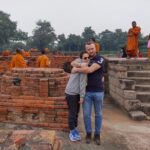
After the ghat segment, you drive to Sarnath. The tour frames Sarnath as the place where Lord Buddha gave his first sermon, and that theme shows up in what you visit:
- Sarnath ruins
- Archaeological museum
- Deer Park
- Buddha Temple
This mix is smart for a short itinerary. The ruins and museum give you context without requiring hours of independent research. The Deer Park and Buddha Temple bring it back to a lived spiritual landscape, not just stone and labels.
Sarnath also makes a nice contrast to Varanasi’s river intensity. Where Varanasi can feel like nonstop movement and daily ritual, Sarnath offers a different kind of focus—space for reflection, walking paths, and a slower pace once you’re away from the busiest ghats.


How the Private Car and Local Guide Actually Improve Your Day
This tour isn’t just a list of sights. The way it handles transport and guiding is the reason it works as a tight two-day plan.
You get an air-conditioned private car from arrival until departure, and it’s described as being at your disposal during the itinerary. In practice, that means you’re not bargaining with drivers, waiting in line for taxis, or trying to map your way through narrow areas. In a city where you’ll likely feel a bit overwhelmed by traffic flow and lane density, this is not a minor detail.
The experience also includes a local government-approved tourist guide as per the itinerary. In the supplied feedback, guides such as Bharat are singled out for being on time and for explaining what you’re seeing. One comment highlights that the guide didn’t push tourist traps and helped shape the schedule around what you wanted to focus on. Another note calls out the guide’s comfort level and flexibility.
Your guide approach matters in Varanasi because the city has layers—religious, daily life, and tourist-facing—but they don’t separate neatly. A guide can help you read the signs, understand what people are doing, and decide what you should pay attention to.
Aarti Seating and the Sunrise Boat: Comfort Without Losing the Meaning
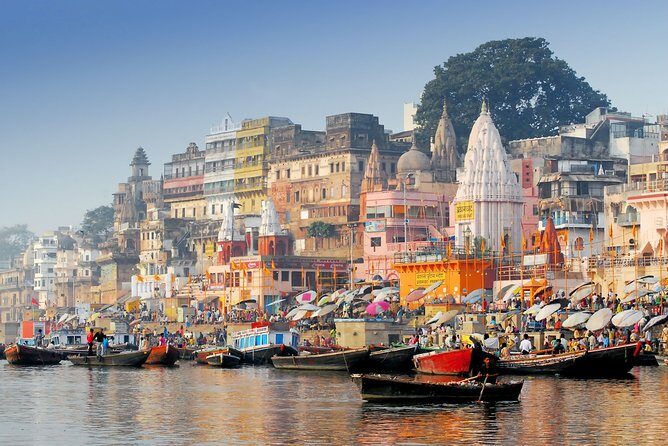
Two parts of this experience are designed around a common problem in Varanasi: the best moments can be hard to see well.
That’s why the Ganga Aarti viewing is set up with private chairs on a private balcony at Dashashwamedh Ghat. You’re not stuck standing shoulder-to-shoulder in a space where your view depends on luck. You also have a more controlled experience to take in the rhythm of the ceremony—bells, drums, cymbals—without fighting for an angle.
The sunrise boat ride has a similar logic. Boats can be crowded or noisy, depending on operators and timing. Here, the program calls for an exclusive boat during the sunrise ride. That exclusivity is where the value shows up most: you’re paying for a calmer, more intentional experience, not just getting the same view as everyone else.
And yes, you still have to accept the reality of a sacred working riverfront. This is not a theme park. The tradeoff for authenticity is that you have to be mentally ready for intense sights, including the cremation rituals at Manikarnika Ghat.
Price and Value: What $135 Covers, and Where Costs May Sneak In
At $135 per person for a roughly two-day private plan, the best way to judge value is by what’s included.
Included:
- Pickup from arrival and transfer to your booked hotel
- Air-conditioned private car from arrival to departure
- Local approved guide
- All monument entry charges as listed
- Exclusive boat for the sunrise ride
- Reserved private chairs/balcony for the aarti
- Taxes
Not included:
- Tips
- Any meals or drinks (except mineral water)
- Anything not clearly mentioned as included
So what does that mean for your wallet? It means you’re not separately paying for entry tickets or scrambling for transportation between the big blocks of time. You’re also not paying extra for the reserved aarti setup or the boat. In a city like Varanasi, those are the exact things that can become expensive or frustrating when you DIY the day.
The one cost you should plan for is your day-to-day food and beverages. Since meals and drinks are not included, your budget should assume you’ll spend money on lunches, snacks, and dinner (and possibly drinks) across two days.
What to Expect: Timing, Pace, and the Varanasi Factor
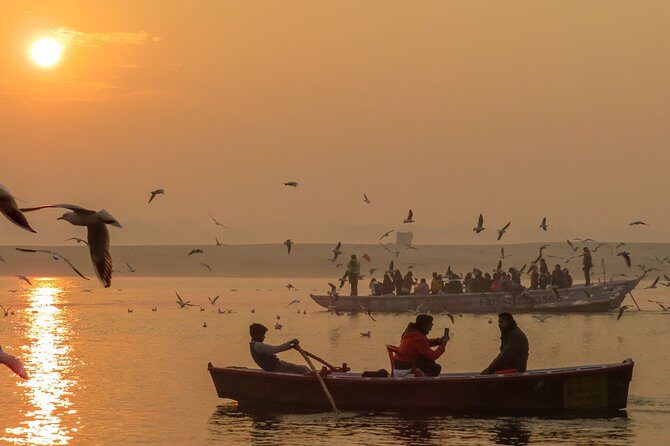
This tour is short, and it moves with purpose. Day 1 is walking plus the evening aarti viewing. Day 2 is sunrise-focused, then ghat observation, then Sarnath before you’re transferred to Varanasi airport or railway station.
The pace can be intense, especially with an early pick-up. You’ll likely do:
- early morning wake-up
- boat ride
- standing and walking at ghats
- guided time at Sarnath ruins/museum/deer park/Buddha Temple
- then onward transfer
If you like slow travel, you might feel the days are too packed. If you like structured sightseeing with a guide and minimal logistics headaches, this style fits very well.
Who This Varanasi Tour Is Best For (and Who Might Want Something Different)
This works best for:
- You have limited time in Varanasi but want the big spiritual hits
- You prefer a guided plan over trying to navigate on your own
- You want the aarti from a reserved vantage and a private sunrise boat
- You’re comfortable with cultural intensity, including cremation rituals at Manikarnika Ghat
You might want to think twice if:
- You dislike very early mornings
- You don’t feel good about witnessing death-related rituals, even with context from a guide
- You’re expecting meals to be included (you’ll need your own food plan)
For families, note the experience details say children must be accompanied by an adult. If you’re traveling with kids, decide whether the sunrise start and ghats are a good fit for their comfort.
Should You Book This Two-Day Varanasi Tour?
Book it if you want a guided, private, time-efficient two days that hits Varanasi’s core: the old lanes, the ghats, a first-class view for Ganga aarti, a sunrise moment on the river, and Sarnath’s key sites tied to Buddha’s story.
Skip it or choose a different format if you’re looking for a relaxed schedule, a food-heavy itinerary, or an experience that avoids intense ritual spaces. Here, authenticity comes with intensity—and that’s exactly why the reserved aarti seating and private boat time are such a smart trade.
If you do book, plan your lodging near where pickup is easy, set aside patience for early mornings, and bring comfortable shoes. You’ll get more out of the experience when you treat it like two purposeful days on sacred ground, not like a casual sightseeing stroll.
FAQ
Where does the tour pick you up?
The start point is Varanasi Airport. After you arrive, you meet your guide at the exit gate (your name is on a page) and are taken to your booked hotel. On Day 2, you’re picked up from your hotel lobby for the sunrise boat ride.
Is accommodation included in this two-day tour?
No. The experience is listed as a tour without accommodation, and you check out on Day 2 after the Sarnath visit before heading to the airport/railway station.
Is this tour private or shared with other people?
It’s a private tour/activity. Only your group participates.
What time is the sunrise boat ride pickup?
You’re picked up at 05:00 AM (and the time changes depending on the sunrise timing for that month).
Do you get reserved seating for the Ganga Aarti?
Yes. You watch Ganga Aarti from a private balcony with private chairs at Dashashwamedh Ghat.
What stops are included in Sarnath?
You visit Sarnath ruins, the archaeological museum, the deer park, and the Buddha Temple.
Are monument entry fees included?
Yes. The experience includes all monument entry charges as per the itinerary.
Are meals included during the tour?
No. Any meals or drink are not included except mineral water. Tips are also not included.
Is the tour suitable for children?
Children must be accompanied by an adult. The tour also notes that most travelers can participate.