Street food in Amritsar tastes best after dark. This guided walk takes you off the usual route into old lanes where you can follow a guide without worrying about getting turned around.
I really like the small-group feel and the way the tour mixes food with local context as you move from one classic stop to the next. You’re not just sampling bites; you’re learning why these places matter in everyday Amritsar life.
One thing to think about: the route is in narrow alleys and the activity depends on good weather, so if it’s cold, wet, or crowded, you’ll want to dress smart and keep comfortable shoes on.
In This Review
- Key reasons this food walk is worth it
- Why a 7:00 pm food walk in Amritsar makes sense
- Starting at the Maharaja Ranjit Singh statue: a quick orientation
- Katra Ahluwalia: the old-city maze you don’t have to navigate
- Hall Bazaar: stepping into a market that dates back to the 1500s
- Guru Bazaar: gold and diamonds alongside street-level eating
- The food and pacing: how the tour helps you eat well, not just a lot
- Price and value: getting more than a quick snack run
- Meeting points, phones, and getting there without fuss
- Weather and comfort: the small stuff that can make or break it
- Who should book this Amritsar food walk
- Should you book this tour? My take
- FAQ
- How long is the Amritsar food walk?
- What time does the tour start?
- How much does it cost?
- Where is the meeting point?
- What food and drinks are included?
- How large is the group?
- Which markets or areas does the tour visit?
- Is this tour guided?
- What happens if the weather is poor?
Key reasons this food walk is worth it
- Off-the-tourist-trail lanes: follow the guide through a maze of old streets
- Food plus practical extras: snacks and bottled water are included so you’re not constantly stopping
- Hall Bazaar’s deep timeline: the market dates back to the 1500s
- Guru Bazaar focus: you’ll pass through North India’s biggest and oldest gold and diamond market
- Guides who talk and guide well: Ram and Ravish are specifically praised for friendly, clear explanations and good communication
Why a 7:00 pm food walk in Amritsar makes sense
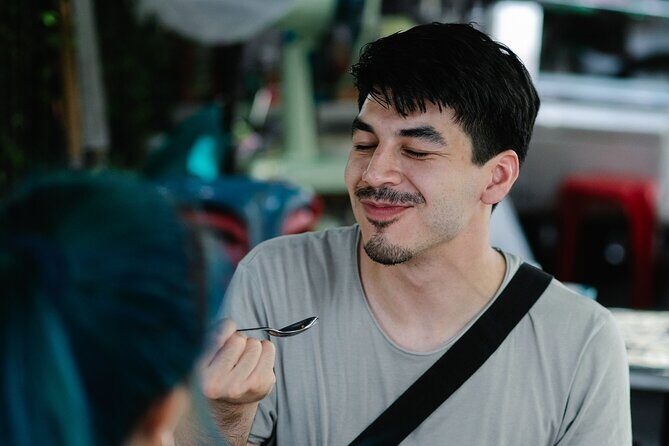
This is a short, focused outing—about 2 hours—starting at 7:00 pm. That timing matters. In many parts of India, evening is when street life really turns on: shops are awake, people are out, and the city feels less like a daytime map and more like a place you can actually experience.
The tour is built around walking in the old city. That means you get movement, not just sitting and listening. You’ll spend your time where the food culture lives: narrow alleys, market edges, and long-running stalls that locals keep coming back to.
And because it’s a small group, the pace stays human. You’re not racing from one Instagram moment to another. The goal here is simple: try a series of traditional stops, get a real sense of what everyday eating looks like in Amritsar, and leave full.
You can also read our reviews of more walking tours in Amritsar


Starting at the Maharaja Ranjit Singh statue: a quick orientation
You meet at the Statue of Maharaja Ranjit Singh near Town Hall (Katra Ahluwalia side). It’s a strong first image: the founder of the Sikh empire shown on horseback with his sword drawn. Even if you only spend a minute looking, it sets the tone. This tour isn’t random. It connects people, place, and time.
Then the guide leads you into the old-city streets. This is where the practical magic happens. In places like Amritsar’s older quarters, the streets can feel like a maze. Without a guide, it’s easy to lose time. With a guide, you get to spend that time eating instead.
You’ll also be in walking territory near public transportation. That matters if you’re staying somewhere outside the old city and want a smooth start and finish without complicated transfers.
Katra Ahluwalia: the old-city maze you don’t have to navigate
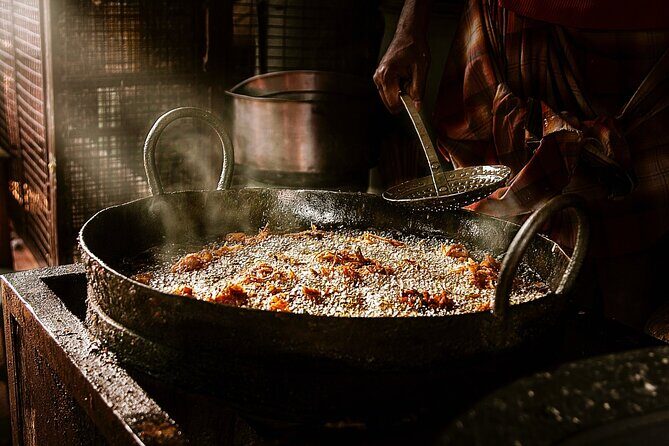
Katra Ahluwalia is where you really feel the “walk, don’t drive” character of Amritsar. The area forms narrow lanes—almost like a maze—and the tour uses that fact to your advantage.
Here’s what you should expect: you’ll move through tight streets with the guide handling the route. You’re not trying to read signs while also deciding what to order. The guide leads you to traditional food spots that have served the same types of dishes for generations in many cases.
This is also the stop where the tour’s “no language barriers” promise becomes real. You’re following someone who knows what to point out, when to pause, and how to keep the group together. In practice, that means you can focus on tasting and asking basic questions, rather than translating everything on your own.
A possible drawback: narrow alleys mean your comfort matters. Wear shoes you can walk in for the full 2 hours, and keep your phone secure. This isn’t a stroll in wide pedestrian streets.
Hall Bazaar: stepping into a market that dates back to the 1500s
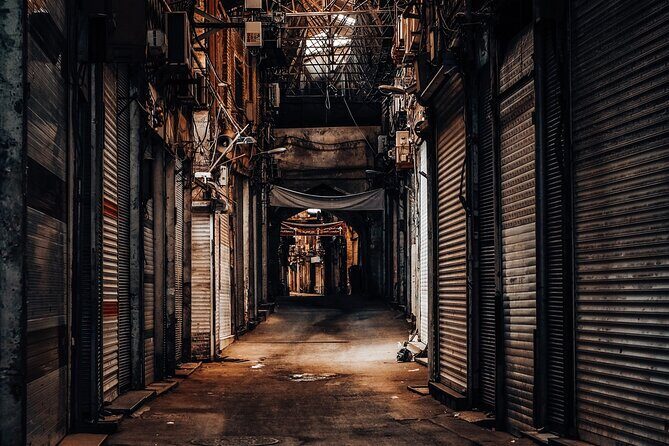
Hall Bazaar is described as the oldest and biggest market in the city, with origins dating to the 1500s. That’s a big claim, and it fits the feel you get as you arrive: this isn’t a modern mall with themed shops. It’s a working market space with a long identity.
The tour gives you time here—about 50 minutes—so you can actually absorb what’s around you. You’ll see a mix of shop types, and the sheer number of stalls makes the place feel like a living system. Even if you’re primarily there for food, this stop widens your understanding of where that food culture lives.
What I like about including a market like this is that it changes your perspective. Food isn’t floating in the air. It’s connected to trade, neighborhoods, and everyday routines. A market with centuries behind it naturally creates repeat customers, older recipes, and vendors who know their regulars.
One practical consideration: markets can get busy. The tour keeps the group size small, which helps you move through without constant crowd-stress. Still, keep a light hand on belongings and plan for a sensory overload moment or two.
Guru Bazaar: gold and diamonds alongside street-level eating
You’ll also visit Guru Bazaar, described as North India’s biggest and oldest gold and diamond market. That’s a surprising pairing with a food walk. But that contrast is part of the value.
Markets like Guru Bazaar show you another side of the local economy—craft, trade, and high-value commerce. Walking in that environment, then switching back to food stops, helps you understand the broader city rhythm. People don’t treat these worlds as separate. They overlap in the same neighborhoods.
For you as a visitor, it also adds variety. A food tour can sometimes feel repetitive if every stop is the same kind of street stall. This one uses the markets as waypoints—so you’re not only tasting, you’re seeing how different kinds of commerce shape the streets you’re walking.
If you’re curious about history and culture, this is the kind of stop that gives context fast. It’s not just food and photos. It’s a look at why the old city keeps functioning the way it does.
You can also read our reviews of more food & drink experiences in Amritsar



The food and pacing: how the tour helps you eat well, not just a lot
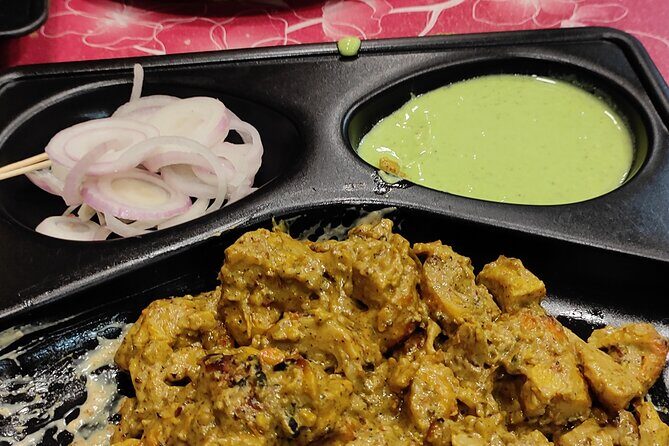
This tour includes snacks and bottled water, which is a practical win. When food is served in multiple small stops, you don’t want to keep spending time and cash between tastings. You also don’t want to run low on water and lose your comfort.
From the experience style (short duration, multiple stops, walking route), you should plan to eat. You won’t leave hungry. A theme in the feedback is that people ended up stuffed in a good way—enough food to feel like you had a real outing, not a few samples.
The pacing also matters because you’re walking through lanes and markets. A tour like this needs breaks that don’t feel like delays. The guide-led flow helps. You arrive, you sample, you move on. That keeps the momentum without rushing.
Here’s my advice for you:
- Take small bites when you first arrive, then adjust if something is especially good.
- Save your heavier bites for the middle rather than the end, so you don’t feel overwhelmed right before the finish.
- Bring a light appetite. This isn’t a dessert-only tour. It’s meant to fill you in 2 hours.
Price and value: getting more than a quick snack run
At $28 per person, this walk is priced like an efficient evening activity rather than a full-day food marathon. The value comes from what’s included: bottled water and snacks, plus a guide who takes you through places you’d be unlikely to find on your own.
It also helps that the tour is small-group. That lowers the stress factor. You can actually hear the guide, ask questions, and keep up. In a city maze, navigation assistance is real value—even when the map on your phone says you’re close.
You might also like the “guided context” angle. The best feedback praises guides for blending local history and explanations with the food itself. That kind of storytelling doesn’t just entertain; it turns random bites into a better understanding of why a stall has endured for so long.
One more note: the group size is described two ways—up to eight people in the tour style, and a maximum of 15 travelers noted for the activity. That can affect how crowded it feels, so if you’re sensitive to crowding, check your booking details once confirmed.
Meeting points, phones, and getting there without fuss
The meeting point is specific: the Statue of Maharaja Ranjit Singh near Town Hall, in the Katra Ahluwalia area (JVFH+GRF). The tour ends back at the meeting point. That keeps your evening simple—less guesswork about where you’ll come out.
You’ll receive a confirmation at booking and use a mobile ticket. That cuts down on paperwork and makes it easier if you’re bouncing between activities in Amritsar.
Also, it’s listed as near public transportation. If you’re using local transit or a taxi-drop-and-walk strategy, this is helpful. You’re not trying to start from a remote edge of town where logistics get annoying fast.
Weather and comfort: the small stuff that can make or break it
This experience requires good weather. That’s not a tiny note. It signals that the walking route in lanes and markets will matter. If it’s raining or unusually uncomfortable, the tour may be adjusted or canceled with a refund or another date offered.
So for you, the comfort prep is key:
- Wear comfortable shoes for uneven, narrow streets.
- Bring a light layer. Even in warm seasons, evening walking can shift.
- Carry a small bag that you can handle in crowded lanes.
If you’re the kind of person who hates being in tight spaces, treat narrow alleys as a real factor. You don’t have to love crowding, but you do need to tolerate it for the best part of the experience.
Who should book this Amritsar food walk
This is a great fit if:
- You want local food in old-city lanes, not just restaurant dining.
- You enjoy a guide who explains how places connect to history and daily life.
- You like walking tours but prefer something short and focused (about 2 hours).
It’s also smart for first-time visitors to Amritsar who worry about navigating independently. The guide route is the whole point here. You’re paying not only for food, but for friction removal—finding the right stops, keeping the group moving, and reducing the stress of following lanes you wouldn’t pick on your own.
If you’re traveling with someone who’s less interested in food and more interested in markets or city stories, you’ll still get value. Hall Bazaar and Guru Bazaar give you variety beyond tasting alone.
Should you book this tour? My take
If your goal is to eat well in Amritsar without spending hours figuring out where to go, I’d say yes. The strongest part is the structure: a guided route through narrow old streets, multiple traditional stops, and included snacks plus bottled water. That combination saves time and keeps the evening comfortable.
I’d only hesitate if:
- You can’t handle walking in tight lanes, or
- Weather is a concern on your travel dates, or
- You dislike group tours and want maximum freedom to roam.
Otherwise, this is the kind of evening activity that makes a city feel real fast. You’ll come away full, with more context than you started with—and you’ll have walked streets that most visitors never see closely.
FAQ
How long is the Amritsar food walk?
It lasts about 2 hours.
What time does the tour start?
The start time is 7:00 pm.
How much does it cost?
The price is $28.00 per person.
Where is the meeting point?
You meet at the Statue of Maharaja Ranjit Singh near Town Hall, in the Katra Ahluwalia area of Amritsar (JVFH+GRF).
What food and drinks are included?
Snacks and bottled water are included.
How large is the group?
The tour is described as small-group with a limit of eight people, and the activity information also lists a maximum of 15 travelers.
Which markets or areas does the tour visit?
It includes Katra Ahluwalia, Hall Bazaar, and Guru Bazaar.
Is this tour guided?
Yes. You have a guide leading you through narrow alleys and local food spots.
What happens if the weather is poor?
This experience requires good weather. If it’s canceled due to poor weather, you’ll be offered a different date or a full refund.