REVIEW · MUMBAI
Traditional Indian Immersive Cultural Experience
Book on Viator →Operated by The Sister Studio · Bookable on Viator
Some art needs zero museum hype. This hands-on cultural tour in Worli turns a small apartment studio into a guided lesson on craft traditions and human stories. You’ll get two focused parts: first dolls, masks, and figurines (about 300 pieces in glass cabinets), then drawings tied to themes like motherhood and pandemic isolation.
I like how the tour doesn’t treat the objects like decoration. You’re guided through the historical, social, and cultural meaning behind each craft form, including folk stories and legends that help the pieces make sense. I also love the added international angle, with dolls from countries like Japan, Iran, Nepal, Bhutan, Indonesia, and Ukraine, alongside Indian crafts.
One drawback to plan for: the exhibits are fragile, so entry is restricted for kids under 10, and you’ll be moving carefully inside a studio space. If you’re expecting lots of space for roaming or touching things, this isn’t that kind of visit.
In This Review
- Key takeaways before you go
- A Worli apartment studio that feels like a personal classroom
- First room tour: 300+ dolls, masks, and figurines behind glass
- What the guide actually does (and why it works)
- Indian craft forms across regions: the meaning behind the variety
- Drawings that shift the mood: motherhood, mind, and pandemic isolation
- How the two parts connect: objects, stories, and lived experience
- Context you’ll leave with: tribes, customs, and textiles you can picture
- Price and value: $54 for 3 hours in a private studio setting
- Practicalities: mobile ticket, meeting point, and the under-10 rule
- Is it a private experience? Yes, and that changes the vibe
- Who should book this studio tour in Mumbai?
- Should you book this cultural studio experience?
- FAQ
- How long is the Traditional Indian Immersive Cultural Experience?
- Where do I meet for the tour in Mumbai?
- What will I see during the two parts of the tour?
- Is this a private tour?
- Is there an age limit?
- How do I get the ticket?
Key takeaways before you go
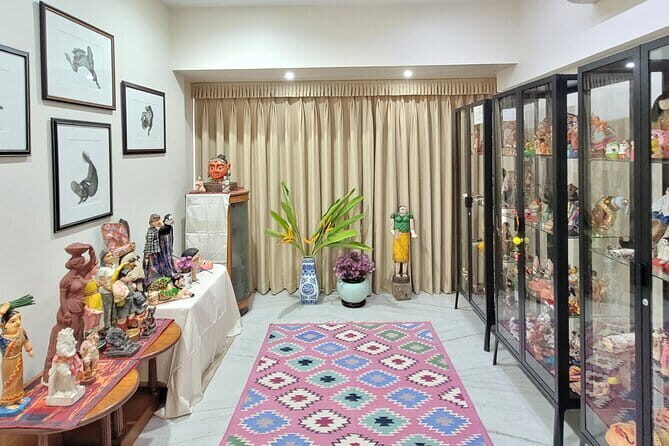
- A studio setting, not a big museum: glass cabinets, close-up viewing, and a guide who explains what you’re seeing
- Two-part structure: dolls/masks/figurines first, then drawings on personal and social themes
- Cultural meaning over surface beauty: you’ll hear folklore, tribe context, and textile connections
- Fragile-exhibit rules: plan around the under-10 restriction and careful movement indoors
- Good value for a guided 3 hours: $54 for a private group-style experience that feels like a master class
- International + Indian pieces: you’ll compare craft traditions without losing the focus on Indian heritage
A Worli apartment studio that feels like a personal classroom
This tour takes place in a small studio inside a residential apartment in Mumbai, in the Worli/Prabhadevi area. The meeting point is at WeWork, 1st floor, 264-265, Dr Annie Besant Rd, in Municipal Colony, Worli Shivaji Nagar. From there, you start and later return to the same spot when the experience ends.
If you like experiences that feel slightly off the usual tourist track, this one fits. You’re not being rushed through hallways with audio guides; you’re in a working space where the objects are part of a larger conversation. The duration is about 3 hours, and the pace is built for listening, looking, and connecting details.
You’ll also want to time your visit with the studio hours in mind. It runs daily 11:00 AM to 5:00 PM (for the operating period listed), so you can plan a late morning or early afternoon slot that doesn’t wreck your whole day.
You can also read our reviews of more tours and experiences in Mumbai.


First room tour: 300+ dolls, masks, and figurines behind glass
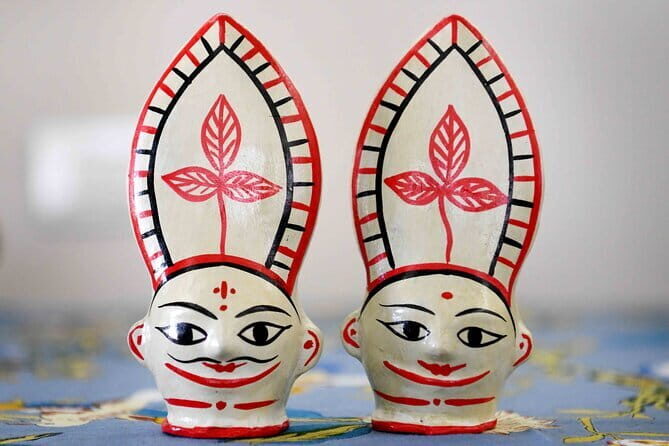
Part one is the big visual centerpiece. You’ll walk through a private collection where roughly 300 artifacts are displayed inside glass cabinets, so the experience is about careful observation rather than handling anything.
The collection focuses on dolls, figurines, and masks that originate across India, with attention on crafts that are rare and, in some cases, “on the brink of extinction.” That phrase matters here because it changes the mood from collecting-for-curiosity to collecting-for-survival. You’re learning why certain craft forms fade, and what cultural functions they used to serve.
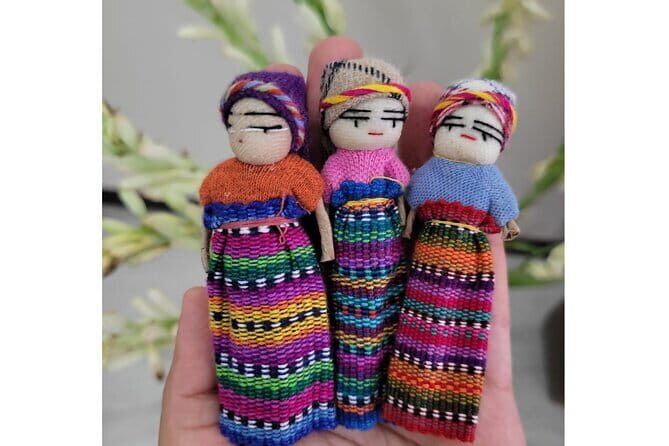
There’s also an international layer. You’ll see dolls from Japan, Iran, Nepal, Bhutan, Indonesia, and Ukraine, among others. That blend is useful because it helps you compare themes and craft approaches without losing the main goal: understanding Indian heritage and the worlds those objects came from.
What the guide actually does (and why it works)
A huge part of the value is the way the tour connects each piece to context. You’ll be guided through historical, geographical, social, and cultural significance, not just dates and names. That means the objects become clues to how communities lived, believed, and marked key life moments.
Expect stories and explanations that bring craft forms to life. You’ll hear folk stories and legends, plus notes on indigenous tribes and local customs. If you’ve ever looked at traditional art and wondered what you’re supposed to be seeing, this tour helps you get your bearings fast—you learn what questions to ask.
The tour also links crafts to everyday culture. Textiles come up, along with discussion of how norms and traditions shape what gets made and why. It’s not abstract. It’s “here’s who used this, where it mattered, and what it was communicating.”
Indian craft forms across regions: the meaning behind the variety
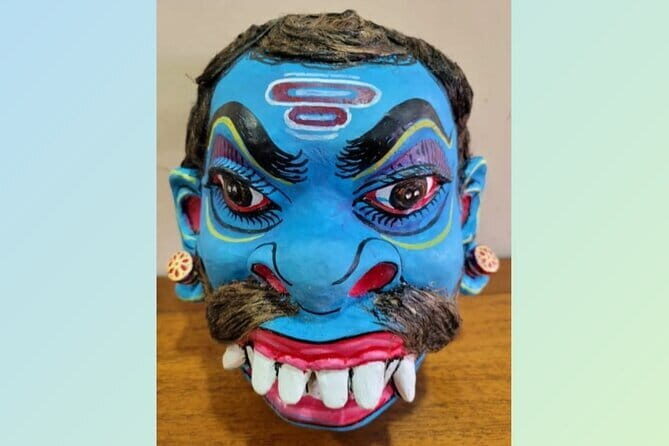
India’s craft landscape is huge, and this collection tries to show that range in one place. You’ll move through pieces tied to different regions, and the explanations emphasize how location and community shape iconography and materials.
I like that the tour frames crafts as part of culture’s bloodstream. Instead of treating art as separate from belief systems, you see it as tied to religion, social identity, and storytelling. That makes the collection feel less like a catalog and more like a map of how meaning travels.
You’ll also notice the “extinction” angle gives the visit urgency. When you hear that certain pieces are near disappearance, it makes your time in the studio feel more responsible. It turns viewing into a kind of witness: you’re seeing something that could vanish if no one keeps it alive.
Drawings that shift the mood: motherhood, mind, and pandemic isolation

Part two moves from objects to drawings on themes that feel personal, social, and slightly philosophical. You’ll do a walkthrough of drawings inspired by different topics, including motherhood, the explosiveness of the mind, and isolation experienced during the recent pandemic.
This section is a smart choice after the first room. Masks and figurines can be intense, even when they’re beautiful. Then the drawings bring it closer to human experience—how people process emotion, separation, and identity when life changes fast.
The collection also includes drawings inspired by travel through rural pockets of the country. Even without turning this into a travel slideshow, that rural influence matters. It suggests the artist’s observations aren’t just city-based ideas; they’re grounded in places and rhythms outside the biggest spotlight.





How the two parts connect: objects, stories, and lived experience

What I found most satisfying is that the tour’s structure actually mirrors cultural transmission. Traditional crafts often carry meaning through time via story and symbol. The drawings take that same idea—meaning through imagery—and translate it into contemporary themes.
So even though the subjects shift, the tour stays consistent in purpose. You’re still chasing “what does this represent,” only now the answers can be rooted in folklore, tribes, and textiles in the first part, and in mental space and social experiences in the second.
If you’re a culture lover who likes patterns—how symbolism repeats, how motifs evolve, how communities narrate themselves—this pairing gives you a lot to chew on. It’s also a good reset if you need a break from dense explanations. The drawings let you reflect as you look.
Context you’ll leave with: tribes, customs, and textiles you can picture
The tour doesn’t just mention tribes and textiles. It tries to show how those elements connect to what you’re seeing. When you learn a costume-related craft, you can start imagining what everyday life and ritual life looked like around it.
Textiles come up repeatedly in the conversation, and that’s important because cloth is one of the strongest carriers of cultural identity. Patterns, dyes, and weaving choices can signal community, region, and occasion. In a small space like this studio, those details can feel like the missing puzzle pieces.
The folk stories and legends do similar work. Instead of memorizing facts, you start recognizing that these crafts are part of oral tradition—stories that get anchored in objects. That’s one reason the visit feels “well documented” in practice: the explanations give you handles to remember what you saw.
Price and value: $54 for 3 hours in a private studio setting
Let’s talk money plainly. At $54 for about 3 hours, you’re paying for a guided, two-part experience inside a private studio with a large collection. This isn’t a quick stop at a store display, and it isn’t a lecture with no interaction.
Where the value really shows is the combination of scale and context. You get access to around 300 displayed artifacts, plus guided storytelling that connects history, geography, religion, social life, and crafts. Then you get the second section with drawings that tackle themes like motherhood and isolation, which adds depth without turning it into something overly long.
Is it a bargain in the “cheap ticket” sense? Not really. But for what you’re getting—curation, time, and guided meaning—it feels fair. Especially if you enjoy art with background, not just art for decoration.
Practicalities: mobile ticket, meeting point, and the under-10 rule
You’ll use a mobile ticket. That’s a relief if you don’t love paperwork during travel. The tour ends back at the meeting point, so you don’t need to figure out a new drop-off location.
Entry is restricted for children under 10 due to the fragile nature of the exhibits. This is worth respecting, both for safety and to keep the experience calm. If you’re traveling with kids, plan around the age limit and remember the space is indoors and glass-cabinet focused.
The meeting point is near public transportation, which matters in Mumbai where timing can make or break your day. Also check the studio’s open hours when planning: 11:00 AM to 5:00 PM during the listed operating period.
Is it a private experience? Yes, and that changes the vibe
This is described as a private tour/activity, meaning only your group participates. In practical terms, that’s a big deal. Your guide can pace explanations and respond to what your group actually cares about—craft history, folklore, textiles, or the drawings’ themes.
A private group also helps inside a studio environment. Fewer people means better visibility and less awkward crowd behavior around glass cabinets. If you hate being herded, you’ll likely appreciate the smaller-feeling format.
Who should book this studio tour in Mumbai?
This is best for you if you like culture that comes with context. Think: you enjoy traditional art, symbolic meaning, and stories that explain why objects exist. If you’re the type who takes notes on patterns, costumes, and symbolism, this will feel like a master class.
It’s also a strong choice for families who want something educational but not kid-film level shallow. The tour is specifically structured for listening, and the collection has range—from Indian craft forms to international dolls—so different ages can find something to hold onto.
If you’re coming only for big-city sightseeing, this might feel too quiet. The upside is that it offers a break from chaos. The studio experience is more intimate than “walk around and hope for interesting things.”
If you’re impatient with indoor guided time, you might struggle. But if you enjoy art slowly—standing still, asking what you’re looking at—this tour is made for you.
Should you book this cultural studio experience?
I’d book it if your idea of a great Mumbai day includes learning and looking up close. The two-part format is a smart match: craft traditions first, then drawings that connect culture to emotion and modern life. For the price, you’re not just paying for access—you’re paying for guided interpretation.
Skip it only if you need a lot of physical space, want touchable exhibits, or you’re traveling with younger kids under 10. Also, if you dislike indoor museum-style viewing with careful movement, consider choosing a more open-air activity.
If you do book, come with an open mind and a willingness to treat each object as a story cue. That’s the secret to getting the most out of this little studio: the objects are fascinating, but the explanations are what make them stick.
FAQ
How long is the Traditional Indian Immersive Cultural Experience?
It lasts about 3 hours.
Where do I meet for the tour in Mumbai?
Meet at WeWork, 1st floor, 264-265, Dr Annie Besant Rd, Municipal Colony, Worli Shivaji Nagar, Worli, Mumbai, Maharashtra 400025.
What will I see during the two parts of the tour?
You’ll first see a private collection of dolls, masks, and figurines (around 300 pieces) and hear stories and context about them. Then you’ll do a walkthrough of drawings on themes such as motherhood, the mind, pandemic isolation, and inspiration from rural travel.
Is this a private tour?
Yes. It’s listed as a private tour/activity, and only your group will participate.
Is there an age limit?
Yes. Due to the fragile nature of the exhibits, entry is restricted for children under 10 years old.
How do I get the ticket?
You’ll use a mobile ticket.