REVIEW · BHUBANESWAR
6-hour Temples tour of Bhubaneswar including hotel pick-up & drop-off
Book on Viator →Operated by Go City Adventures · Bookable on Viator
A day of ancient stone and Shiva stories can start at 8:00. This 6-hour Bhubaneswar temples tour strings together some of the city’s best-known temple sites, built in the 9th and 10th centuries, with a local guide to connect the dots. I love the logistics here: hotel pickup/drop-off, an air-conditioned car, and entrance fees handled as part of the deal.
My other big plus is the variety—Mukteshwar, Lingaraj (and Parsurameswara nearby), Brahmeswar, and Rajarani each have their own vibe and symbolism, from temple-of-freedom ideas to carvings of Shiva and Parvati. One thing to consider: the midday lunch stop is part of the day, but meals aren’t listed as included, so you’ll want to budget for food while you’re out.
In This Review
- Key highlights worth knowing before you go
- Bhubaneswar temples in one smooth 6-hour circuit
- What you’ll actually see: Mukteshwar, Lingaraj, Brahmeswar, Rajarani
- Mukteshwar Temple (temple of freedom)
- Lingaraj Temple (the big one with a special lingam)
- Kedar Gouri Vihar (Shiva and Parvati together)
- Brahmeswar Temple (sculpture-focused stop)
- Rajarani Temple (love theme, no idol in the sanctum)
- How the route flows (and why it matters)
- Lunch stop: plan for extra spending
- Temple etiquette that keeps the day easy
- Guide style, group vibe, and one practical caution
- Price and value: is $62.94 a good deal?
- Who this tour fits best
- Should you book this Bhubaneswar temples tour?
- FAQ
- How long is the Bhubaneswar temples tour?
- Does the tour include hotel pickup and drop-off?
- Are temple entrance fees included?
- Is lunch included in the price?
- What should I wear to the temples?
- Can I cancel and get a full refund?
Key highlights worth knowing before you go
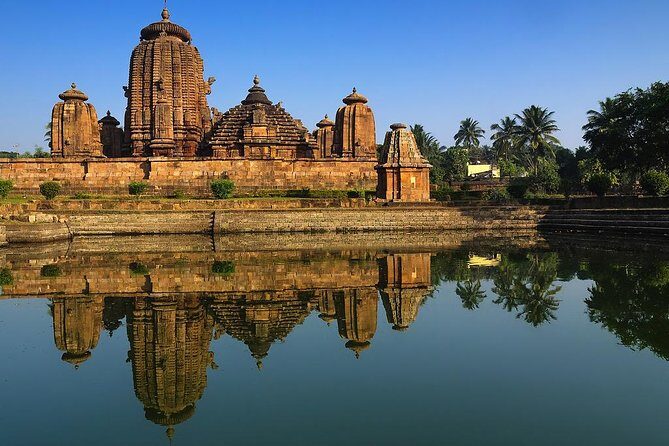
- Five landmark temple stops (including Mukteshwar, Lingaraj, Brahmeswar, Rajarani, plus Yogini Temple as part of the tour concept)
- Hotel pickup and drop-off with air-conditioned car transport between sites
- Entrance fees included, which makes temple time feel smoother
- Local lunch break in the middle of the schedule, but plan to pay for what you order
- Small group size with a maximum of 12 people
- Temple etiquette required: modest clothing and shoes off at most worship spaces
Bhubaneswar temples in one smooth 6-hour circuit
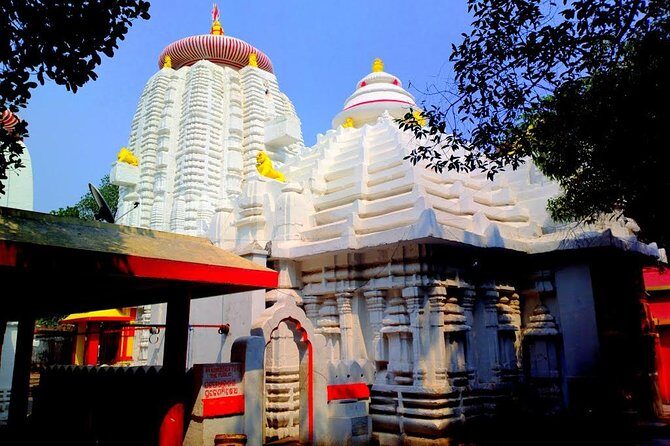
If you’ve got limited time in Odisha’s capital, this kind of “best-of” temple circuit is a smart way to see a lot without getting stuck in traffic or juggling directions. The tour is built around a single morning start (your pickup happens at 8:00) and then a steady, guided loop through old-town Bhubaneswar.
The timing is also realistic. You get about six hours total, including travel, temple time, and a midday break. A maximum of 12 people keeps it from feeling like a school field trip, and you won’t spend the whole day waiting while a huge group filters into narrow spaces.
You can also read our reviews of more tours and experiences in Bhubaneswar.



What you’ll actually see: Mukteshwar, Lingaraj, Brahmeswar, Rajarani
This tour is designed around major Shiva-linked temples and a couple of standouts with their own themes. Here’s how each stop typically works and what to look for.
Mukteshwar Temple (temple of freedom)
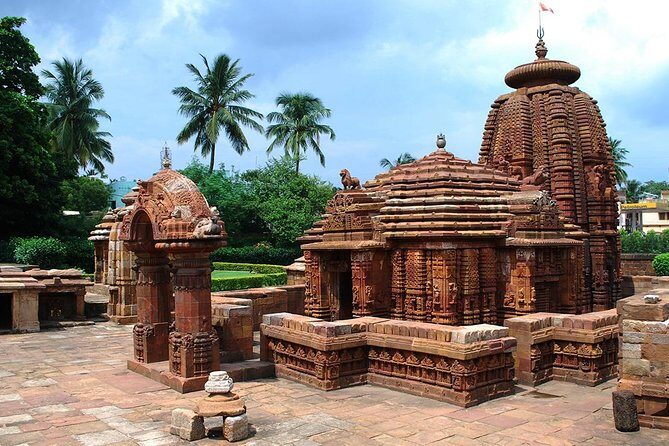
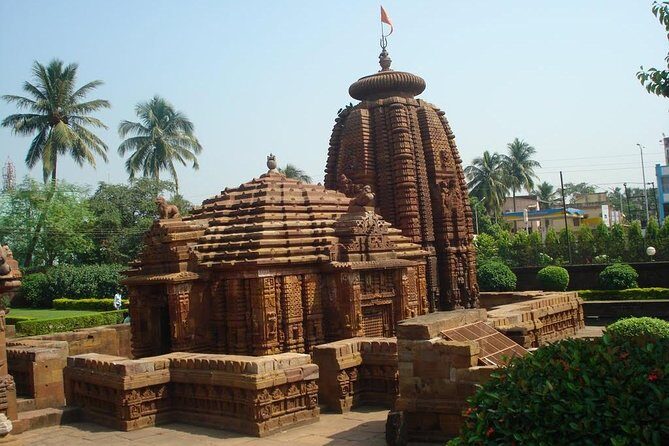
You begin at Mukteshwar Temple, where the site is associated with the idea of freedom and is dedicated to Lord Shiva. Expect time to walk around and take in the stonework up close while your guide explains what makes the temple significant and how it fits into Bhubaneswar’s broader temple tradition.
I like the way this start sets the tone: you’re not just checking boxes. You’re learning the language of the place—how Bhubaneswar’s temple culture mixes myth, symbolism, and architecture.
Lingaraj Temple (the big one with a special lingam)
Next comes Lingaraj Temple, described as the largest temple in the city. It’s also linked with a belief about a self-originated lingam of Lord Shiva, which matters for how the temple is understood and respected.
Right alongside that stop, the schedule includes Parsurameswara Temple as well. The idea here is the religious cross-connection: Parsurameswara represents Lord Shiva as one of the avatars of Vishnu. If you’re into the “why is this here” part of religion, this pairing helps you see the blend rather than treating each temple as an isolated monument.
One practical note: when a temple is a major landmark, you’ll often run into crowds during peak visiting hours. Going early in the morning helps.
Kedar Gouri Vihar (Shiva and Parvati together)
The route then includes Kedargouri Vihar, a stop tied to Lord Shiva and Goddess Parvati. The site is described as having two different temples, which makes it a good place to notice how devotion can be arranged in pairs—spiritual roles reflected in the built space.
This is also a nice “slower” moment in the day. The time here gives you enough breathing room to look at details without feeling rushed.
Brahmeswar Temple (sculpture-focused stop)
At Brahmeswar Temple, the emphasis shifts more toward art and sculpture. The temple is known for its fine work and applauding sculptures, which is exactly the kind of detail worth slowing down for.
If you’re the type who enjoys carvings—faces, gestures, and stone narration—this stop tends to reward you. If you’re less into sculpture and more into big overall views, you might still appreciate it once you’re standing right in front of the work.
Rajarani Temple (love theme, no idol in the sanctum)
The final major temple stop is Rajarani Temple, often described as the temple of love. What makes it especially interesting is that there is no image or idol inside the sanctum, so the place is believed to welcome people regardless of religious beliefs.
Look around for the carved scenes and sculptures linked to Shiva and Parvati, including themes of love and marriage. Even if you don’t follow the theology closely, the sculpted storytelling is easy to read—like a visual chapter book in stone.
How the route flows (and why it matters)
You’ll move between temples by car in an itinerary that’s built to keep the day efficient. That matters because Bhubaneswar’s temple areas can be spread out enough that doing this on your own would mean more time in transit than you want.
The tour uses an air-conditioned car and includes water in the vehicle. You’re not stuck with a dry throat and a long wait between stops—small detail, big difference in the heat.
Also, the schedule is clear about temple time. Some stops are set for around 1 hour, while others are shorter. That means you can pace your attention: linger when you find a carving you like, and don’t stress if you can’t photograph every inch. The day is structured so you still get the key highlights.
Lunch stop: plan for extra spending
Midday is set aside for a lunch stop featuring local cuisine. Here’s the catch: meals are listed as not included in the tour price.
So think of lunch as a chance to eat well, but not a “free meal” guarantee. If you’re counting on the tour price to cover everything, you may want to set aside a budget for your drink and meal at that point in the day.
Temple etiquette that keeps the day easy
Bhubaneswar temples are working religious spaces. That means simple rules, but they’re rules you’ll want to follow to avoid delays.
- Dress modestly: arms and legs covered at places of worship
- Expect shoes to be removed at most worship areas
- Bring comfortable walking shoes—you’ll be on your feet and moving between sites
If you show up prepared, your time inside each temple becomes calm and respectful, not awkward. It’s also the difference between rushing to find a place to stash shoes and settling in right away.
Guide style, group vibe, and one practical caution
The tour includes an English-speaking local guide, and the vibe is meant to feel informative and relaxed, not stiff. In practice, that often means you get explanations you can actually follow, plus the kind of pacing that lets you look at details without feeling rushed out the door.
On some departures, the day can also include small moments that make the walk feel more alive—like music and a short dance segment at the start or finish of certain walking portions, plus a glimpse of local sweets. You shouldn’t plan your whole day around performances, but it’s a reminder that this isn’t only about stone. It’s about living culture around the temples.
One caution comes from a quality-control issue that was addressed by the operator. In one case, the guide didn’t end up buying tickets that were supposed to be covered, and the company later said it removed that guide from its panel. That tells you something useful: before entering temples, make sure you’re set with what’s included. If anything feels off, ask your guide early—don’t wait until you’re standing at the entry gate.
Price and value: is $62.94 a good deal?
At $62.94 per person for an approximately 6-hour experience, this can be good value—especially because it bundles several costs that add up quickly when you do things independently.
What you’re getting in the price:
- Hotel pickup and drop-off
- Air-conditioned car transport
- English-speaking local guide
- All entrance fees included
- A water bottle in the car
- Taxes, tolls, and parking costs covered
The big “value lever” here is entrance fees and transport. If you tried to recreate the same route yourself, you’d likely pay for a driver/vehicle, then still face separate ticket costs at each site. This tour handles those friction points up front.
Just remember the lunch reality: meals aren’t included. So your total day cost will depend on what you order at the lunch stop.
Who this tour fits best
This is a strong match if:
- You want a temple-focused day without heavy planning
- You prefer group pacing with transportation taken care of
- You like architecture and symbolism enough to appreciate guided explanations
- You’re traveling with a small group or solo and want structure
It may not be ideal if:
- You want a fully custom route with lots of free time at one site
- You’re sensitive to any “rules and rituals” at active worship places (modesty and shoe rules are part of the deal)
Should you book this Bhubaneswar temples tour?
I’d book it if your goal is a tight, guided circuit of Bhubaneswar’s major temple names in one morning-to-afternoon stretch. The combination of pickup/drop-off, a small group size, entrance fees included, and a guide who explains what you’re seeing makes it an efficient way to get your bearings fast.
I’d think twice only if you’re hoping lunch is fully included, or if you’re the type who needs maximum flexibility and long solo exploration time. If you show up prepared for temple etiquette and you budget a bit for lunch, this tour is a practical, satisfying way to experience Bhubaneswar’s temple culture.
FAQ
How long is the Bhubaneswar temples tour?
It’s approximately 6 hours long.
Does the tour include hotel pickup and drop-off?
Yes. You get hotel pickup and drop-off, plus transportation in an air-conditioned car between sites.
Are temple entrance fees included?
Yes. All entrance fees are included for the temple visits on this tour.
Is lunch included in the price?
There is a midday stop for local cuisine, but meals are listed as not included, so you should expect to pay for what you eat.
What should I wear to the temples?
You should dress modestly, with arms and legs covered at places of worship. In many areas, you’ll also need to remove your shoes.
Can I cancel and get a full refund?
Yes. You can cancel for a full refund if you cancel at least 24 hours before the experience start time.