REVIEW · MUMBAI
Small-Group Bike Tour of Mumbai
Book on Viator →Operated by Mystical Mumbai · Bookable on Viator
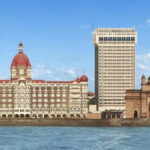
Mumbai clicks when you pedal at dawn. In just 3 hours, you glide through the Fort district and down Marine Drive, hitting major landmarks plus everyday neighborhoods without feeling rushed. I especially like the mix of big sights (like the Gateway of India and Chhatrapati Shivaji Terminus) and the quieter, more human stops that make Mumbai feel real. You’ll also appreciate the emphasis on a safe, easy bike ride led by an expert local guide who manages traffic well.
One thing to consider: the ride is an early start (6:30 am), so set yourself up for a quick morning and bring whatever you need to stay comfortable in the sun and city air.
In This Review
- Key things I’d note before you go
- Why this 3-hour morning bike plan works in Mumbai
- Meeting at Colaba: where you start and how to be ready
- Sassoon Dock: seeing a working Mumbai you can’t fake
- Gateway of India: a quick stop that’s worth your camera battery
- Chhatrapati Shivaji Terminus: UNESCO architecture with a real pulse
- Crawford Market plus Kalbadevi and Bhuleshwar bazaars: shopping streets at speed
- Mumbadevi Temple: watching Hindu practices with the right attitude
- Bombay Panjrapole: the animal shelter stop that changes your perspective
- Marine Drive: a coastal ride with big views from the bike lane
- Price and value: what $40 covers (and why it’s fair for 3 hours)
- Who this tour suits best (and who might want to skip it)
- Small practical tips so you get the best out of every stop
- Should you book this Small-Group Bike Tour of Mumbai?
- FAQ
- FAQ
- How long is the bike tour?
- What time does the tour start?
- Where does the tour start and end?
- What does the tour cost?
- What’s included in the price?
- Is food included?
- Is there a minimum age?
- What animals and places do you see during the tour?
Key things I’d note before you go
- Early-morning timing: you start at 6:30 am for a smooth, manageable pace through central Mumbai
- Traffic-smart guidance: the tour is designed as a safe, easy ride with a guide who handles busy roads
- Flagship landmarks + local stops: photos at Gateway of India and CST, then markets and temples
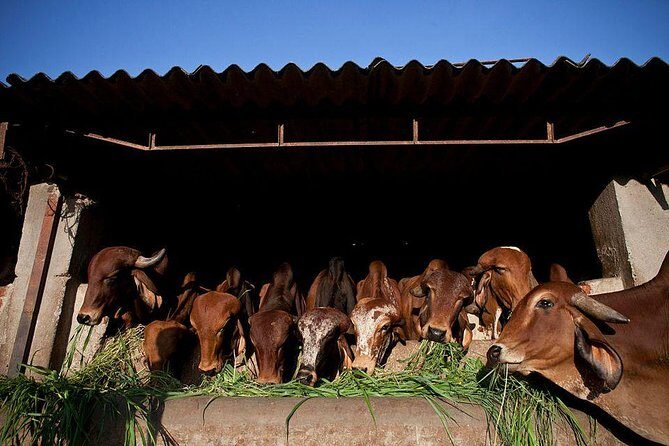
- An unusual animal-shelter stop: Panjrapole cares for hundreds of cows and other rescued animals
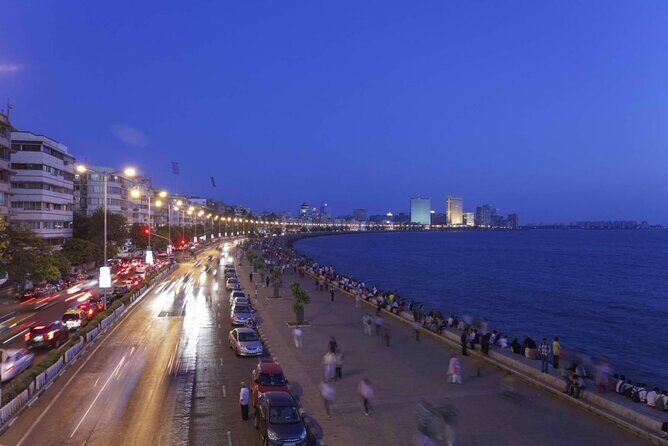
- Marine Drive by bike: you get the coast view from a moving ride, not just from one spot
- Practical inclusions: bike rental, water, and a helmet on request mean less to carry
Why this 3-hour morning bike plan works in Mumbai
Mumbai is a city where time matters. Roads can feel unpredictable, and jumping between sights by taxi can turn into long waits and short photo moments. This 3-hour morning bike format is built for momentum: you see a lot of ground, but you also get quick, purposeful stops so you’re not just passing by.
What I like most is the way the route balances scale. You’ll get the classic, photo-famous icons—the Gateway of India and the Chhatrapati Shivaji Terminus—but you’re also guided through markets like Crawford Market, plus the Kalbadevi and Bhuleshwar bazaars. That matters because Mumbai isn’t only monuments. It’s also trade streets, temple mornings, and working docks.
The other smart piece is the “quieter streets” idea. Even without every detail spelled out, you can feel the intent: you’re not stuck in the loudest lanes the entire time. With an expert guide keeping things organized, you can focus on looking, not worrying.
You can also read our reviews of more cycling tours in Mumbai

Meeting at Colaba: where you start and how to be ready
Your tour begins back in the Colaba area at Kailash Parbat Hindu Hotel N Restaurants, near the Sheila Mahal Society shop location on 1st Pasta Ln (Apollo Bandar/Colaba, Mumbai). You’ll start at 6:30 am, and the ride ends back at the same meeting point.
Because the start is early, I’d treat this like a morning workout. Have a light breakfast if you need it before meeting, and plan for that “wake-up” feeling before you’re rolling. Since the tour includes a bottle of water, you don’t have to bring everything—but you should still come prepared with the basics you rely on (sunscreen, sunglasses, and whatever helps you handle heat).
Gear-wise, the tour provides bike rental, and you can request a helmet. If you’re biking in any crowded environment, a helmet is not optional in your planning. Request it early if you can, so you don’t get stuck waiting right before rolling out.
Also note the group size is capped at a maximum of 50 travelers. That’s helpful for logistics. In practice, a smaller group usually means less stopping and starting, but even at the max, the structure is designed as a coordinated morning ride.
Sassoon Dock: seeing a working Mumbai you can’t fake
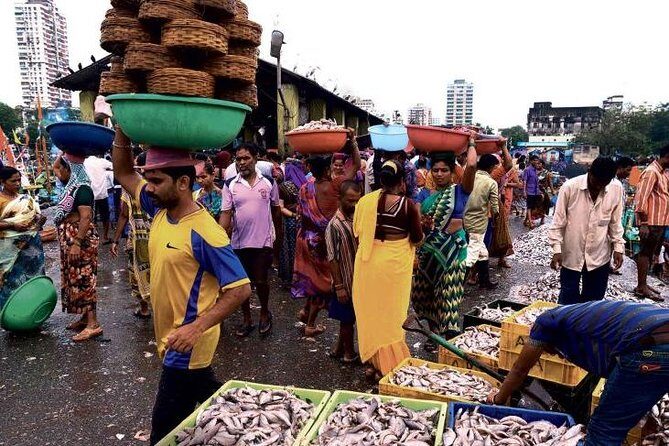
The first stop is Sassoon Dock, one of the oldest docks in Mumbai. The dock has been around since 1875, and it’s one of the few docks in the city open to the public. It’s also known as a large fish market.
This is the kind of place where a short stop actually makes sense. In 20 minutes, you’re not expected to become an expert; you’re meant to get oriented. Watch the rhythm of the dock, look at the scale of the market, and notice how everyday commerce sits right next to major city life.
There’s also a practical advantage: Sassoon Dock is a “real city” setting. It’s easier to understand Mumbai when you start with something functional rather than jumping straight to monuments. If you like street-level travel, this first stop sets the tone fast.
And you don’t have to plan around entrance fees here—admission is free, which keeps your morning simple.
Gateway of India: a quick stop that’s worth your camera battery
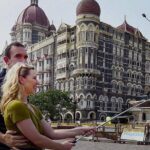
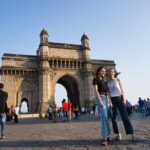
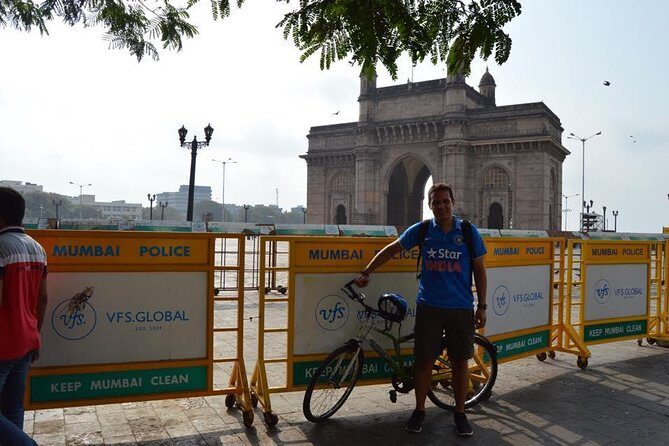
Next comes the Gateway of India, a famous arch monument built during the 20th century. It was erected to commemorate the landing of King-Emperor George V and Queen-Empress Mary at Apollo Bunder.
You’ll have around 15 minutes here, and that’s just enough time to do two things well: get your wide shot and then step back to take in how it sits in the broader seafront scene. Even if you’ve seen pictures, standing close gives you better scale. This is one of those landmarks where the size and location do most of the work for your photos.
Since admission is free, you can spend your time on looking rather than planning ticket logistics.
One more practical tip: the Gateway area can be busy, especially in the morning. Keep your movements smooth, follow your guide’s timing, and don’t get tempted to drift too far from the group.
Chhatrapati Shivaji Terminus: UNESCO architecture with a real pulse
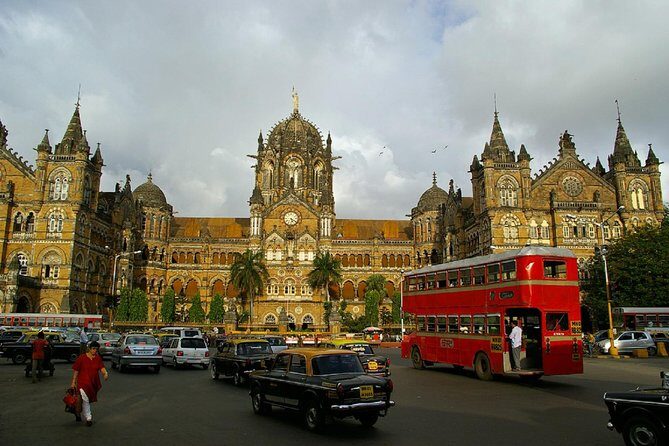
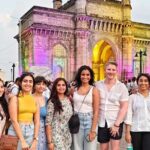
The tour’s next major icon is Chhatrapati Shivaji Maharaj Terminus, formerly called Victoria Terminus. It’s a UNESCO World Heritage Site and a historic railway station in Mumbai.
You’ll get about 20 minutes here, which is the sweet spot for a landmark like this: enough time to appreciate the architecture up close and still have time to reposition for better angles. The station’s role as a working rail hub also matters. It doesn’t feel like a museum piece sealed off from life. It’s an active place, which gives the experience a different texture.
As with other early stops, admission is free, so you can treat it like a walk-and-look moment. If you enjoy architecture, this stop is a strong “yes.” If you’re more into street scenes, you’ll still likely find something to notice—especially the way the building grabs your attention even when you’re just passing through in a crowd.


Crawford Market plus Kalbadevi and Bhuleshwar bazaars: shopping streets at speed
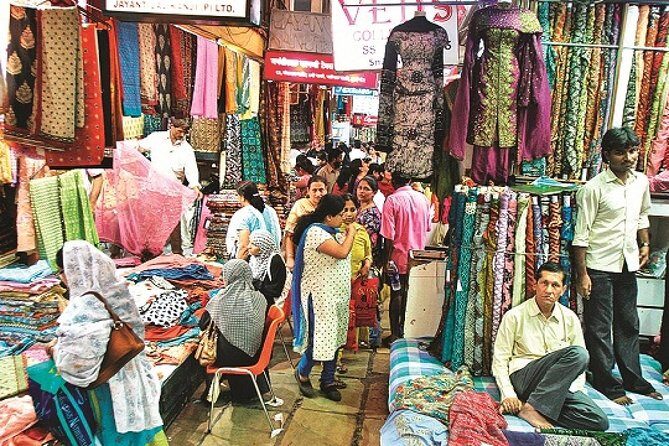
After the big-photo stops, the tour shifts into market mode with Crawford Market. It’s one of South Mumbai’s best-known markets, and it was originally named after Arthur Crawford, the first Municipal Commissioner of the city. You’ll spend about 20 minutes here.
A short market stop can be hit-or-miss on bike tours—sometimes it becomes rushed shopping. But in this format, the value is in browsing with context. You’re not trying to buy everything. You’re learning how the area feels: the vendor energy, the patterns of local trade, and the everyday choices people make around the market.
From there, you’ll also ride through Kalbadevi and Bhuleshwar bazaars. The focus is on browsing vendors—another reminder that Mumbai’s “attractions” aren’t only monuments. They’re also the places where people come for goods, services, and daily routines.
Practical note: markets can be crowded and goods can block sidewalks. Keep your eyes up, stay aware of where you’re supposed to park your bike for the group moment, and don’t plan on stopping for long conversations if the group is moving on soon.
Mumbadevi Temple: watching Hindu practices with the right attitude
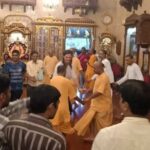
One of the tour’s most meaningful stops is Mumbadevi Mandir (also spelled Mumba Devi Mandir). It’s an old temple in Mumbai dedicated to the goddess Mumbā, described as the local incarnation of the Devi.
You’ll spend time here observing Hindu practices. That’s a different kind of sightseeing. Instead of hunting for photo angles, you’re there to watch how faith shows up in daily life—how people move through the space, how the mood settles, and how rituals shape the experience of being in the neighborhood.
Because the tour is short and guided, you don’t need a deep religious background to appreciate what you’re seeing. But I do think it’s worth going in with basic respect: quiet voice, no blocking people’s path, and attention to what the guide asks you to notice.
This stop also helps balance the day. You’ll move from markets and monuments into a place where the focus is devotion. That shift is one of the reasons this ride feels more like a “Mumbai morning” and less like a checklist.
Bombay Panjrapole: the animal shelter stop that changes your perspective
Then comes Shri Mumbai Panjrapole, a two-acre shelter that cares for hundreds of cows and other rescued stray animals and birds. Admission is included and you’ll have about 20 minutes.
This is the kind of visit that sticks with you because it’s not theoretical. You’re seeing an animal-rescue effort in action in a city environment where you might not expect it on a sightseeing route. Even if you’re not an animal person, the scale described—hundreds of cows and other critters—adds weight to the stop.
The practical challenge with a shelter visit is behavior. It’s easy to get excited, take lots of photos, or get too close for a better angle. Keep it calm. Let the guide set the pace and watch for cues on where you should stand and how you should move.
What I appreciate here is that the tour doesn’t just show you beauty; it shows you responsibility. Panjrapole adds moral context to a morning that otherwise focuses on architecture and street markets.
Marine Drive: a coastal ride with big views from the bike lane
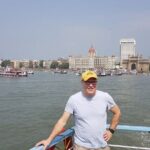
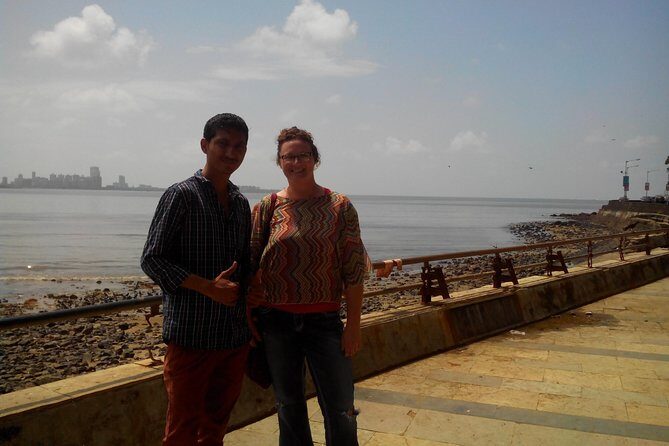
The ride finishes with the famous Marine Drive stretch. The plan includes riding down Marine Drive with views of the Arabian Sea.
Marine Drive is described as a C-shaped six-lane concrete road along the coast, forming a natural bay. That description matters because it explains why the views feel open even though you’re still in the city. On a bike, you get motion. The coastline slides past, and you naturally adjust your perspective without needing to hold a camera still.
This is also a smart close to the tour. After a morning of photos and stops, you get a “flow” segment where the main job is to enjoy the ride and the perspective.
If you’re sensitive to traffic noise or exhaust, you’ll probably notice the city sounds here more than at some inland stops. Still, it’s part of the point: Marine Drive is famous because it’s both city and sea at once.
Price and value: what $40 covers (and why it’s fair for 3 hours)
At $40 per person, this bike tour is priced like a practical city activity: you’re paying for bike rental, a professional guide, a bottle of water, and helmets on request.
Here’s how I think about value for a morning like this:
- You’re getting guide-led access across multiple neighborhoods and landmark clusters, which is hard to coordinate on your own early in the morning.
- You’re not carrying the bike logistics—just showing up and riding.
- The included water and helmet reduce “small extra costs” that add up on other tours.
Food and drinks are not included, so plan on grabbing your breakfast or light snack before or after the ride. But that’s normal for a 3-hour morning schedule.
Also, the tour is free to confirm and described with mobile ticket convenience, which matters if you’re trying to travel light.
Who this tour suits best (and who might want to skip it)
This bike tour makes the most sense if you like structure but also want real variety: big monuments, working-market scenes, a temple stop, and a meaningful animal shelter. If your ideal Mumbai day includes photos plus local atmosphere, this fits.
It also suits you if you want a guided way to navigate traffic safely. One note from feedback is that the guide’s ability to handle the road conditions is a standout strength—exactly what you want on a city bike ride.
Who might skip it? If you prefer deep time at a single attraction or you hate riding in city traffic environments no matter how skilled the guide is, this may feel too “move-on” for your style. Since the stops are brief—often around 15–20 minutes—this is best for people who enjoy pacing.
Small practical tips so you get the best out of every stop
Bring a camera plan. You’ll hit major photo targets like Gateway of India and Chhatrapati Shivaji Terminus, but you also want time to look around markets and sacred spaces. I’d avoid treating every stop like a photo shoot. In busy areas, a few strong shots plus real observation beats 200 shaky ones.
Wear comfortable shoes and be ready for uneven sidewalks near markets and docks. Bikes help you cover distance, but the walking moments still count.
Finally, keep your “tour rhythm” mindset. Your guide is there to keep you safe and on time, so if something captures your interest, grab a quick look and then reposition with the group when called.
Should you book this Small-Group Bike Tour of Mumbai?
I’d book it if you want a high-value morning that mixes headline landmarks with human-scale places—dock life, markets, a temple, and Panjrapole—without needing to stitch together transport yourself. The included bike rental and guide support make the price feel reasonable, especially for a route that covers Fort sights and ends along Marine Drive.
If you dislike early mornings or you’re not comfortable riding in busy urban areas (even with a strong guide), then you may prefer a slower, walking-based approach instead. But if you can wake up early, this is a solid way to see Mumbai in one coherent sweep.
FAQ
FAQ
How long is the bike tour?
The tour lasts about 3 hours.
What time does the tour start?
The start time is 6:30 am.
Where does the tour start and end?
It starts at Kailash Parbat Hindu Hotel N Restaurants in Colaba (Sheila Mahal Society, shop no 5, 1st Pasta Ln) and ends back at the same meeting point.
What does the tour cost?
The price is $40.00 per person.
What’s included in the price?
The tour includes bike rental, a professional guide, a bottle of water, and a helmet on request.
Is food included?
No. Food and drinks are not included.
Is there a minimum age?
Yes, the minimum age is 6 years.
What animals and places do you see during the tour?
You’ll visit Bombay Panjrapole, a shelter caring for hundreds of cows and other rescued stray animals and birds, plus stops like Sassoon Dock, Gateway of India, Chhatrapati Shivaji Terminus, Crawford Market, and Mumbadevi Mandir.