REVIEW · MUMBAI
“Private Mumbai Dharavi Slum Tour”
Book on GetYourGuide →Operated by Navigate Mumbai Tours · Bookable on GetYourGuide
Dharavi feels real, fast. This private Mumbai tour stands out because it focuses on waste recycling and real livelihoods, not just shock value. I love seeing the industrial work side-by-side with residential life, and I love how guides like Ruqaiyya, Ravi, and Kavita help you talk with people respectfully. One thing to plan for: you’ll be walking through tight alleys and the tour does not include meals, so wear weather-appropriate clothes and bring patience.
You’ll start near the Mahim train station (West) at a coffee shop, then cross a railway bridge into Dharavi. From there, the day moves in a clear rhythm: industry first, then neighborhoods—so you can connect the dots between recycling, manufacturing, education, and daily routines. It’s the kind of tour where logistics matter, because route changes are what make Dharavi make sense.
The biggest selling point for me is the human side. Guides such as Ruqaiyya (praised for excellent English and knowledge) and Ravi (described as growing up there and being known from YouTube) turn confusing lanes into understandable stories. And if you appreciate a sense of humor in tense places, the best guides bring that too—while keeping the focus on how people actually live and work.
In This Review
- Key things I’d bet you’ll care about
- Meeting at Mahim and the railway bridge moment
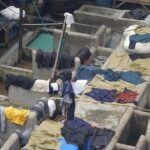
- Industrial Dharavi: recycling plastics and turning scrap into products
- Migrants, livelihoods, and what you learn from the walk
- The largest sewer in Mumbai: infrastructure you can see
- Residential markets and fresh produce stop
- Schools and educational practices you can actually observe
- Leather manufacturing process: learning how industry fits the neighborhood
- Kumbharwada pottery: traditional pot-making in narrow lanes
- How guided conversation makes Dharavi feel understandable
- Private tour value: why $6 makes sense here
- What to wear and how to stay comfortable
- Who this Dharavi tour is best for
- Should you book this Private Mumbai Dharavi Slum Tour?
- FAQ
- Where is the meeting point for the tour?
- Where does the tour end?
- What is included in the Private Mumbai Dharavi Slum Tour?
- Are meals included?
- What languages are available for the tour?
- What parts of Dharavi will we visit?
- Is bottled water provided?
- Can I pay later or cancel if my plans change?
Key things I’d bet you’ll care about
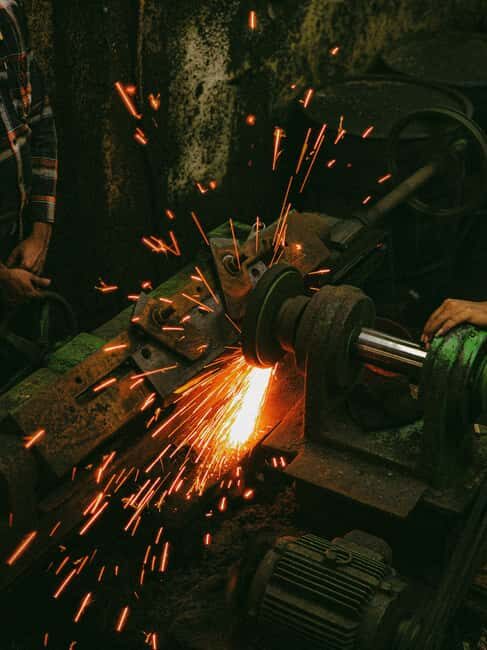
- Recycling you can see with your own eyes: plastics, wood, cardboard, and more in active workflow.
- Hands-on neighborhood context: industrial area to residential area, so you grasp how the system fits together.
- Work behind everyday products: clothing, backpacks, luggage, plus leather manufacturing and pottery.
- Talk time with locals, guided: conversations supported by an English-speaking guide.
- Kumbharwada pottery stop: traditional pot-making skills in the district known for ceramics.
- Life in the alleys: narrow lanes, schools, and living conditions you can’t get from postcards.
Meeting at Mahim and the railway bridge moment
Your tour starts at a coffee shop near the Mahim train station (West). That matters more than you might think. Dharavi traffic and footpaths can feel chaotic if you arrive cold, but starting near the station means you begin with orientation and a clear plan.
The first big transition is crossing a railway bridge into Dharavi. Even before you reach the densest areas, you’re already doing something useful: moving from the outside city into a place with its own pace, rules, and textures. It’s also where your guide typically sets expectations by talking about slums around the world and then zooming in on Dharavi specifically.
If you like tours that start with context before the hard scenes, you’ll appreciate this approach. You’re not just dropped into alleys. You’re given a framework so you can watch what’s happening without getting lost.
You can also read our reviews of more private tours in Mumbai



Industrial Dharavi: recycling plastics and turning scrap into products
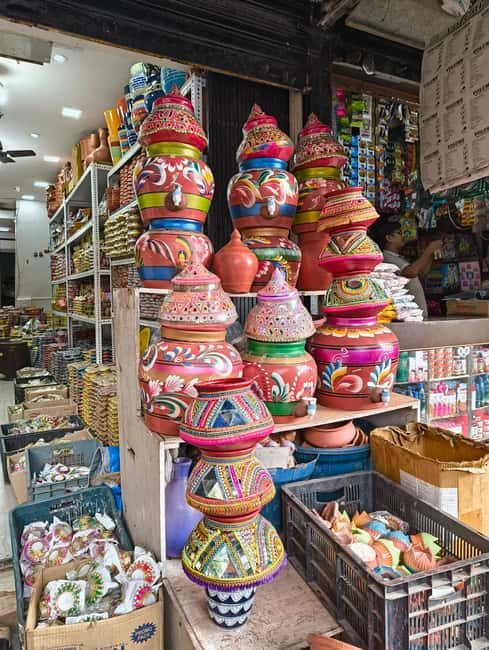
The first visit is to the industrial area, and it’s the part that most often changes how people think about Dharavi. Instead of treating it like a single story, the tour splits attention between waste management and manufacturing.
Here’s what you can expect to see:
- Recycling activities involving plastics, wood, cardboard, and other materials.
- Manufacturing sites producing everyday goods like clothing, backpacks, and luggage.
- Discussion of migrants in Dharavi and their living conditions.
This is where the tour’s value gets practical. Watching recycling isn’t just about trash. It shows labor, sorting, repurposing, and the local economy that keeps materials moving. Even if you’re only one visitor, you get a sense of why these workflows matter—both to household income and to the surrounding supply chain.
One caution: industrial areas can be visually busy. There’s a lot going on at once. If you want photos, keep your pace slow and listen first. The guide’s job is to help you read what you’re seeing, and that only works when you aren’t sprinting ahead.
Migrants, livelihoods, and what you learn from the walk
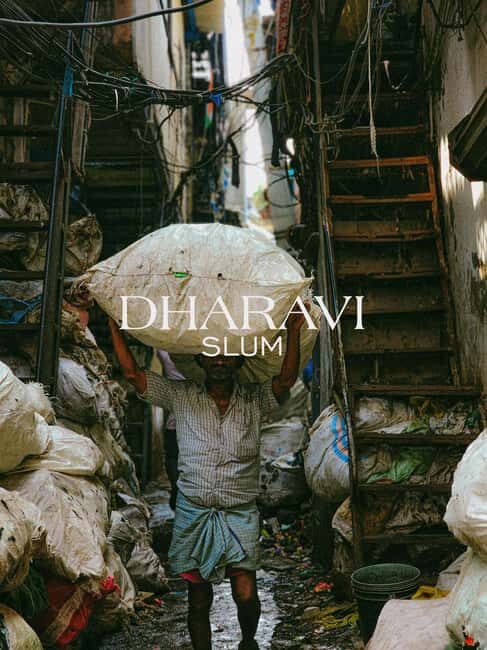
After the industrial segment, your guide helps you understand Dharavi in broader terms—especially around migrants and how living conditions are shaped. The tour doesn’t frame migrants as a side note. It treats them as part of the moving parts of the community.
Then you move by crossing a street into the residential part. The shift is immediate: you go from workshops and material work to homes, schools, and the day-to-day side of life. That transition matters because it prevents the common mistake of thinking Dharavi is only “work” or only “living.” It’s both, and the tour is designed to connect them.
The largest sewer in Mumbai: infrastructure you can see
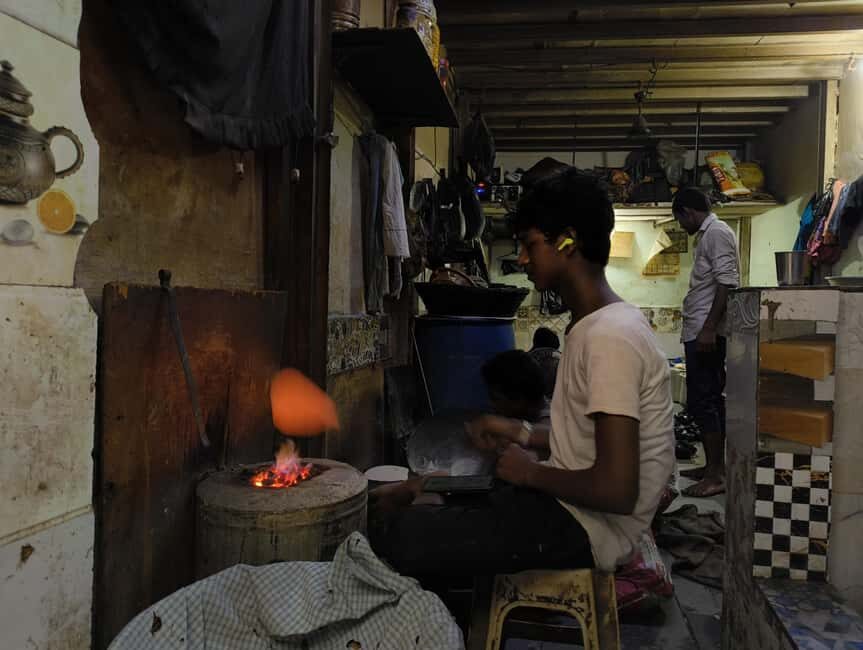
One of the most striking stops in the residential area is seeing the largest sewer in Mumbai. The way the tour sets this into the walking route helps you understand it as infrastructure, not just a sight.
Why this is worth your attention:
- It reinforces that sanitation systems shape daily routines.
- It helps explain why alley layouts and neighborhood density matter for living conditions.
- It gives your guide room to talk about how people adapt around what exists.
This isn’t a tour built for comfort. It’s built for clarity. If you’re the type who gets overwhelmed by sights and smells, I’d plan a calm mindset in advance and keep close to your guide. Also remember the route includes narrow passages, so steady shoes are a smart call even though the tour info doesn’t spell out footwear rules.
Residential markets and fresh produce stop
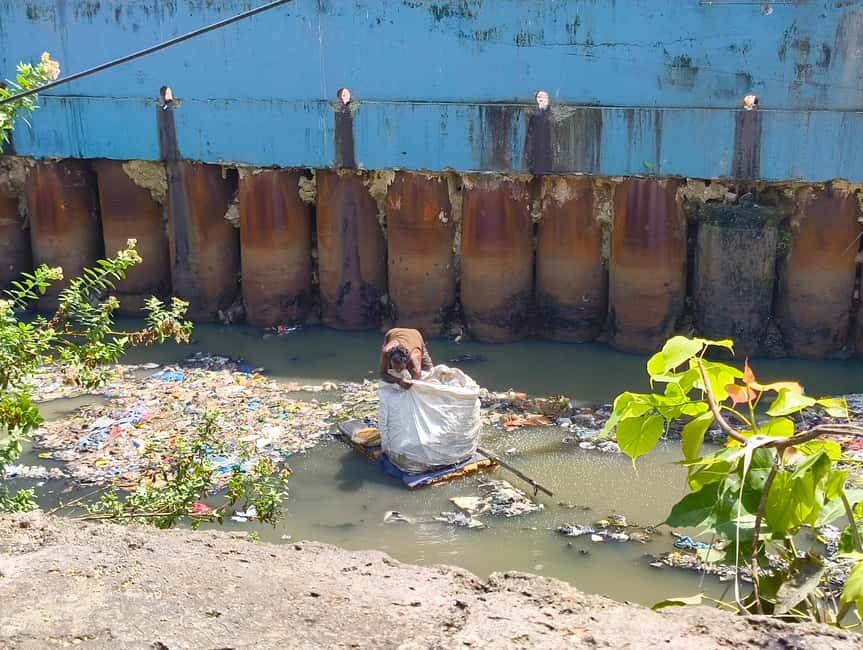
Next comes a local market with fresh produce. This is one of my favorite kinds of stops because it pulls the tour away from heavy subjects and into ordinary routine.
You get to see:
- A working market environment
- Daily shopping habits
- The food-side texture of the neighborhood
Even if you don’t buy anything, this section helps you reset your brain. It’s also a good moment for questions—guides can explain what people are buying, how market activity connects to local work, and how neighborhood life continues beyond the most visible industries.



Schools and educational practices you can actually observe
After the market, you visit various schools and learn about educational practices. This part tends to land differently than people expect. Instead of treating schools as a symbolic photo spot, the tour’s emphasis is on how education is handled within the community.
You’ll be looking at:
- Multiple schools (not just one)
- Educational practices explained by your guide
If you care about kids’ lives, this is one of the most grounded segments. It gives the tour a forward-looking angle: work and infrastructure are important, but so is what happens in classrooms.
Again, stay flexible. Schools in busy neighborhoods aren’t like a quiet museum. Your best experience comes from listening and keeping your movements respectful.
Leather manufacturing process: learning how industry fits the neighborhood
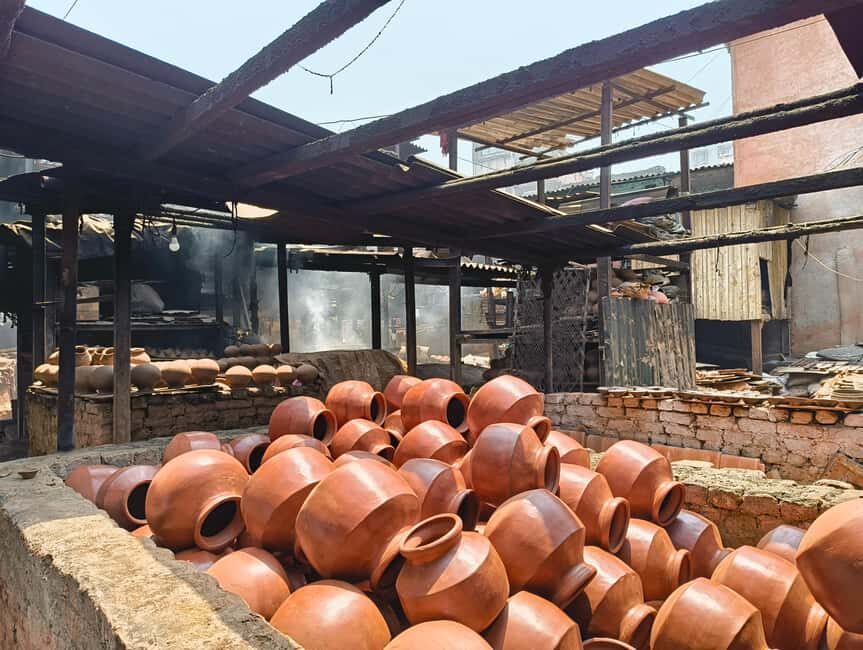
Another major industrial-to-residential bridge happens here with a stop to discover the leather manufacturing process. The tour doesn’t just name the industry. It frames leather work as part of Dharavi’s production web.
Why this is valuable for you:
- It shows how different industries coexist close together.
- It helps you understand why skills and material flows matter.
- It gives context for why certain areas develop certain types of workshops.
Leather work can be intense to watch, depending on what’s visible at the time. If you’re sensitive to strong sensory environments, keep your expectations realistic. The tour is informative, but it’s still happening in a working environment.
Kumbharwada pottery: traditional pot-making in narrow lanes
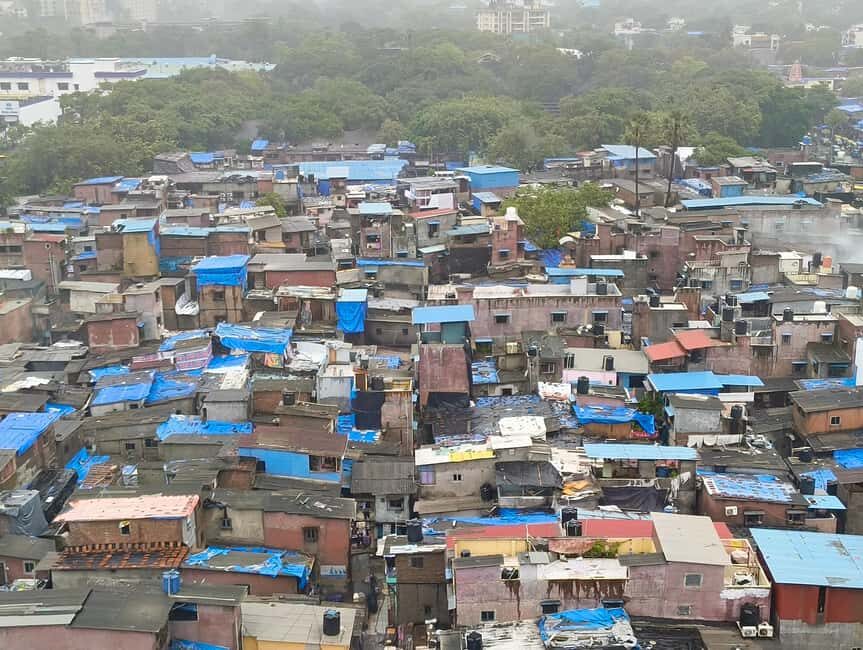
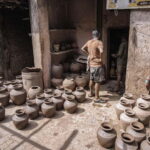
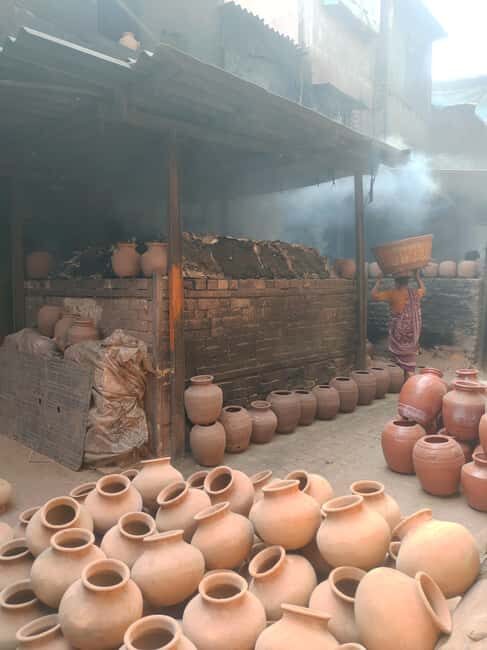
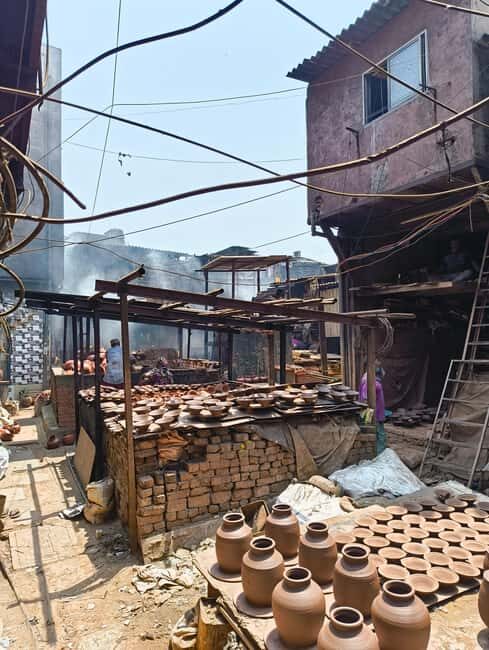
Then you head to Kumbharwada, known for pottery. This is the craft stop that often feels the most human and watchable: hands working, tools in motion, and skill passed through repetition.
What you’ll see:
- Traditional pot-making skills
- The potter’s workflow in the Kumbharwada area
Pottery is a good counterpoint to recycling and factories. It’s still industrial work, but it often reads more directly through craftsmanship. You can connect it to the materials story you saw earlier, and you can also appreciate how different forms of work support the community.
The tour also includes exploring narrow alleys and living conditions here. That means you’ll be shifting your attention between craft activity and how families occupy space. It’s not always comfortable, but it’s genuinely informative.
How guided conversation makes Dharavi feel understandable
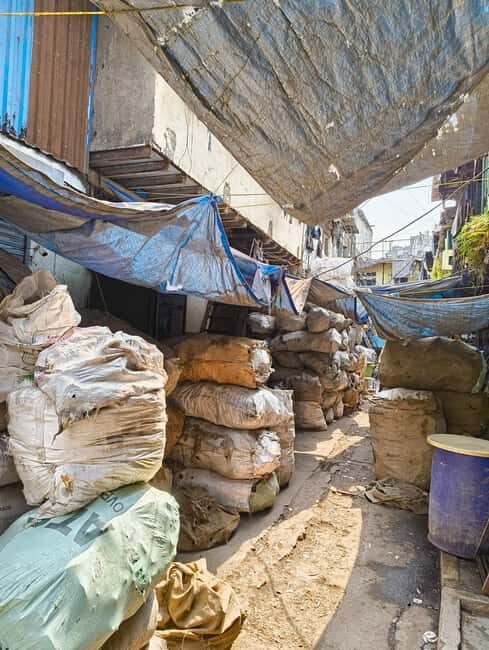
A key promise of this tour is that you can speak with locals with your guide’s help. In practice, that’s the difference between a checklist tour and a meaningful one.
You’re not just watching. You’re asking questions in a way that your guide can translate and steer. That helps with:
- Understanding why people do what they do
- Learning how daily routines link to work
- Avoiding misunderstandings in sensitive situations
Guides praised for English and reliability tend to handle this well. Ruqaiyya is repeatedly noted for excellent English and strong knowledge. Ravi is described as reliable and deeply familiar with the area, with stories that bring daily life into focus. Kavita is also praised as friendly and knowledgeable.
If you want a tour that turns confusion into comprehension, pay attention to who’s leading. A good guide can make the difference between seeing an alley and understanding the system inside it.
Private tour value: why $6 makes sense here
At about $6 per person, this is priced like a budget-friendly local tour. That price point changes how you can justify it.
Here’s where the value comes from:
- You’re paying for an English-speaking guide, not just a walk.
- The route covers multiple areas: industrial work, markets, schools, leather manufacturing, and Kumbharwada pottery.
- You get bottled water included, which matters for a longer walking route.
What’s not included is meals, so you may want to plan for a snack or a proper meal before or after. Still, at this price, you’re not paying for polished comfort or museum-style pacing. You’re paying for access, context, and local interpretation.
If you’re doing a tight Mumbai budget, this tour has a strong cost-to-content ratio. Just keep your expectations aligned with reality: it’s a working neighborhood tour, not a curated attraction.
What to wear and how to stay comfortable
The practical advice here is straightforward:
- Wear a suitable outfit for the weather.
- Ladies: don’t wear overly short outfits.
That’s not just etiquette. In a place with narrow paths and close foot traffic, coverage also helps you feel more at ease.
Beyond the formal guidance, I’d suggest you think like a neighborhood walker: choose clothes you can move in, and be ready for uneven, crowded lanes. If you’re worried about comfort, a light layer for sun or wind can help, since the tour includes outdoor walking sections.
Who this Dharavi tour is best for
This tour suits you if you want:
- A deeper look at waste recycling and manufacturing inside Dharavi
- A guided route that explains both industrial and residential life
- A chance to talk with locals in English, with help navigating sensitive topics
It’s less ideal if you want a purely comfortable sightseeing day or if you dislike close-quarters walking. The scenes can include working areas and visible infrastructure, and you’ll spend time in narrow alleys.
Also, if you’re traveling with kids, consider your child’s comfort level with dense environments and sensory realities. The tour info doesn’t specify age guidance, so it’s smart to think it through based on your own family.
Should you book this Private Mumbai Dharavi Slum Tour?
I’d book it if you’re looking for an affordable, guide-led way to understand Dharavi as a living system—recycling, production, education, and neighborhood life all in one connected walk. The industrial and residential sequence is the smart part: it helps you see how work and homes interact instead of treating Dharavi as a single stereotype.
Don’t book it expecting a relaxed, photo-only outing. Bring weather-appropriate clothing, respect local norms, and plan for no included meals. If you show up ready to listen, this tour delivers what it promises: confusing alleys made understandable, and a view of Dharavi that’s grounded in how people work and survive.
FAQ
Where is the meeting point for the tour?
You’ll meet at a coffee shop near the Mahim train station (West).
Where does the tour end?
The tour ends back at the same coffee shop near the train station.
What is included in the Private Mumbai Dharavi Slum Tour?
An English-speaking guide and packaged bottled water are included.
Are meals included?
No, meals are not included.
What languages are available for the tour?
The tour is available in English and Hindi.
What parts of Dharavi will we visit?
You’ll visit the industrial area for recycling and manufacturing, then the residential area for a market, schools, leather manufacturing, and the Kumbharwada pottery area.
Is bottled water provided?
Yes, packaged bottled water is included.
Can I pay later or cancel if my plans change?
The tour offers reserve & pay later, and you can cancel up to 24 hours in advance for a full refund.